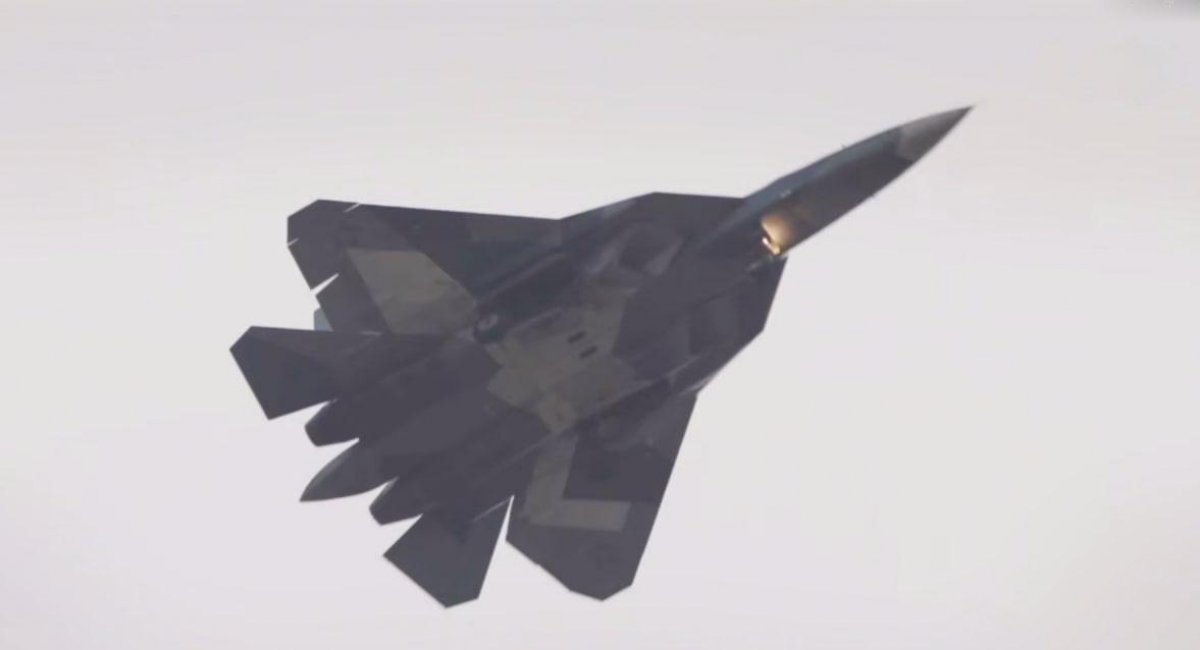
russians have announced that flight testing of the new Izdeliye 177 engine on the Su-57 fighter jet has begun. However, this product hardly looks like a fifth-generation development.
According to Rostec Corporation, the engine offers 16,000 kgf of thrust, longer service life, and improved fuel efficiency. On the one hand, this seems quite logical, but it deserves a closer look.
Read more: India May Maintain World's Last SEPECAT Jaguar Fleet Until 2050, Buys Back Planes Decommissioned 11 Years Ago
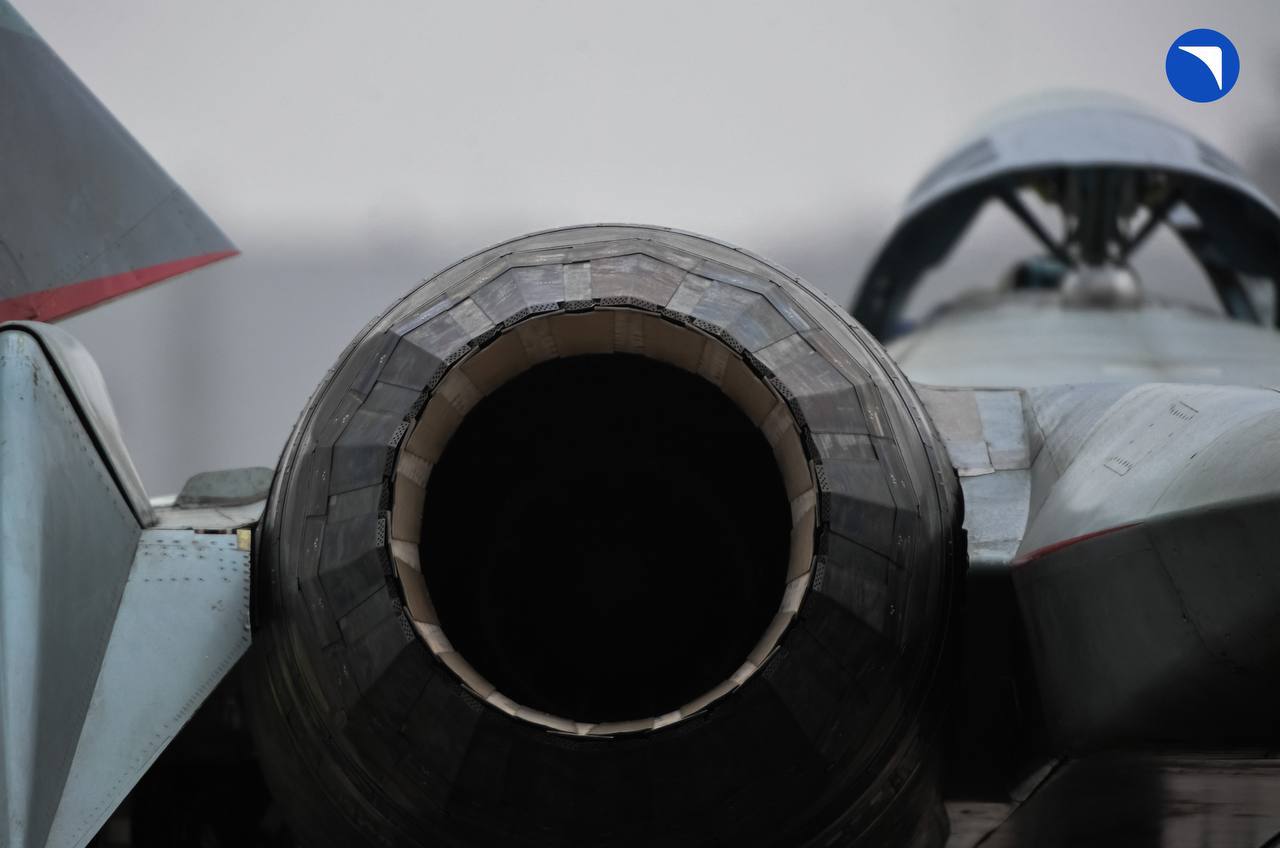
Currently, the Su-57 is equipped with the AL-41F1 engine, which provides up to 15,000 kgf of thrust in afterburner mode and is also used on the Su-35S. In other words, this is a previous-generation design that falls short of modern requirements.
Since 2017, russia has been testing the Izdeliye 30/AL-51F1 engine, which delivers 17,000–18,000 kgf of thrust and features flat nozzles, and is expected to replace the current engines on the Su-57. However, the project has faced years of delays, with deadlines repeatedly postponed.
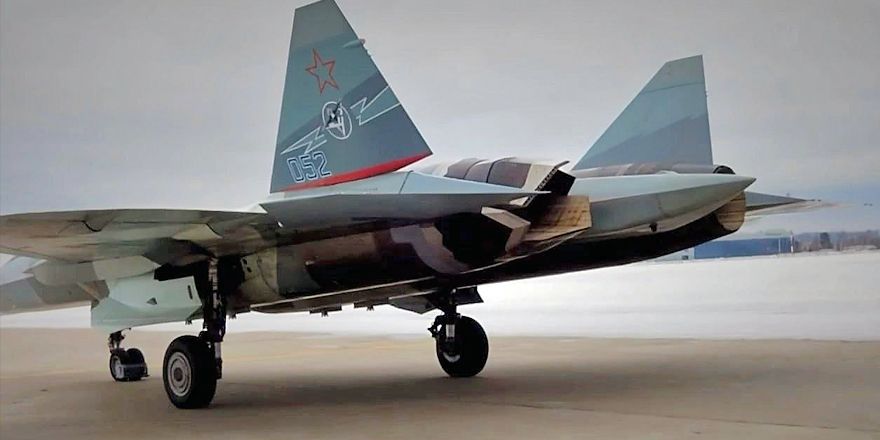
It seems that an intermediate versionof these two engines is now undergoing testing. It is not surprising, since this is the AL-31F's successor, planned to serve as the common engine for the Su-30, Su-35, and Su-57.
According to sources available on the Internet, Izdeliye-177 is a long-promised development that will have a thrust of 16,000 kgf and a service life of 6,000 hours. At the same time, it will lack the advertised fifth-generation feature of a flat nozzle designed to enhance stealth.
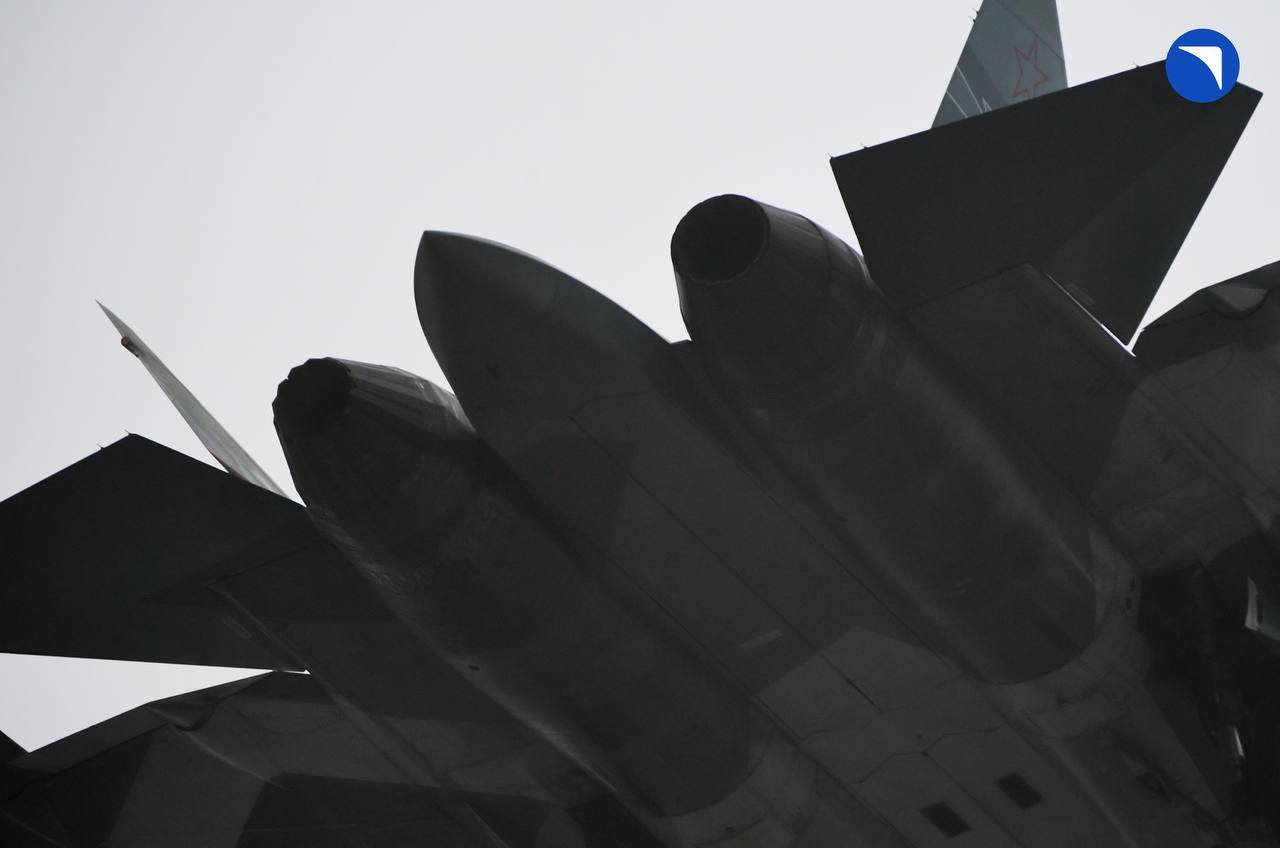
This engine is being widely offered for export, particularly to India, which is currently considering the potential purchase of Su-57Es with the technology and preparing to modernize its Su-30MKIs. russians also promise that they will be able to jointly create a variant with a flat nozzle for Indian needs.
Therefore, russia has started testing a so-called interim solution to improve the fighter fleet, particularly the Su-57, while the AL-51F1 remains unavailable. What matters now is whether Izdeliye 177 will reach serial production, or stay trapped in endless development because of financial, staffing, and sanctions problems.
Read more: russia's Military Spending Has Increased Almost Fourfold Since 2021 – Ukraine’s Intelligence