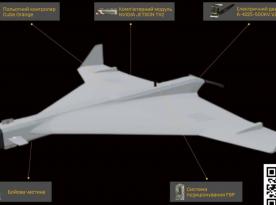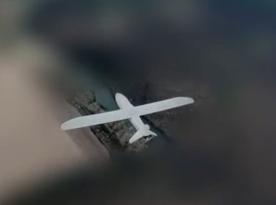



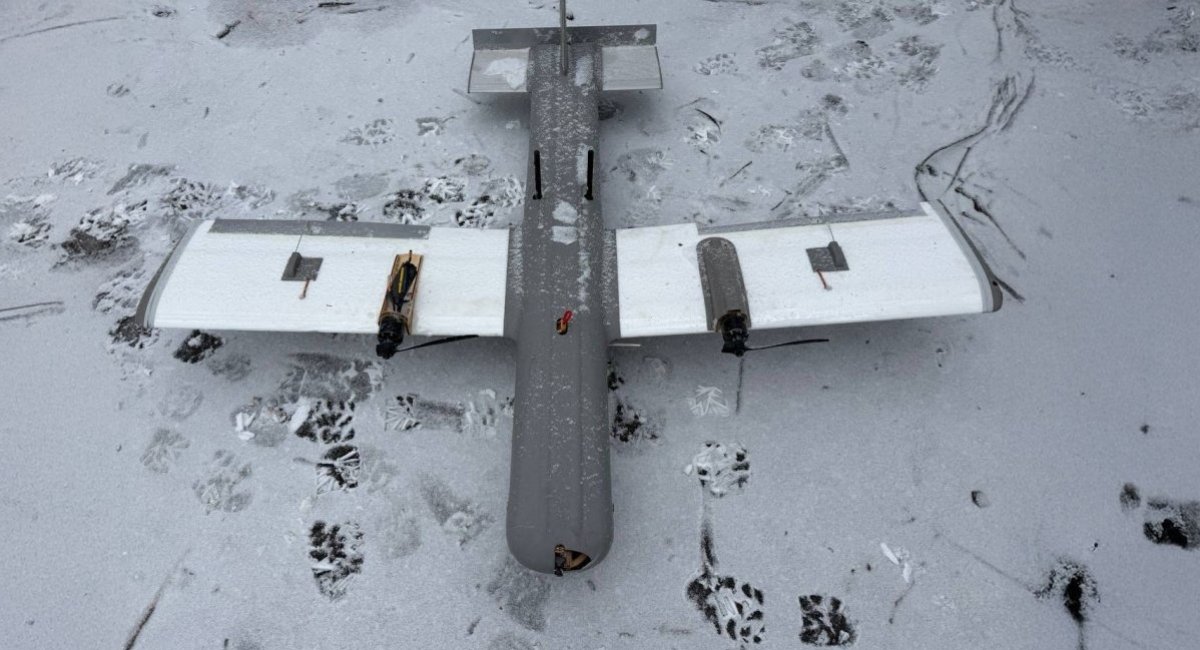
russians have increasingly begun to use a new type of reconnaissance UAV, which is based on the cheapest Molniya drone and is essentially designed for single use.
This warning comes from Serhii "Flash" Beskrestnov, adviser to Ukraine's Minister of Defense. He also described the configuration of these drones, which is always the same: a ZR10 camera and an AI module from SIY, a 1300-1500 MHz mesh modem featuring two 5-watt channels.
Read more: Tested in Ukraine V-BAT Drone Could Monitor russia's Arctic Activity in Extreme Cold
The reason for this transition from Zala, Supercam, and Orlan reconnaissance drones to a drone capable of only a few flights—since it lacks soft-landing capabilities—is also explained. The development of Ukrainian anti-aircraft drones has turned specialized, reusable, and expensive UAVs into disposable systems, capable of only one or a few flights. Against this background, it is more profitable to use a disposable design right away.
From Defense Express we would like to note that the use of identical equipment configurations clearly indicates that russia has contracted for a large number of components specifically for these reconnaissance drones. It appears that russia is purchasing both existing and future batches of ZR10 cameras from China's SIY, which retail for around $500 on Chinese marketplaces. This means that the price will be lower for bulk wholesale purchases.
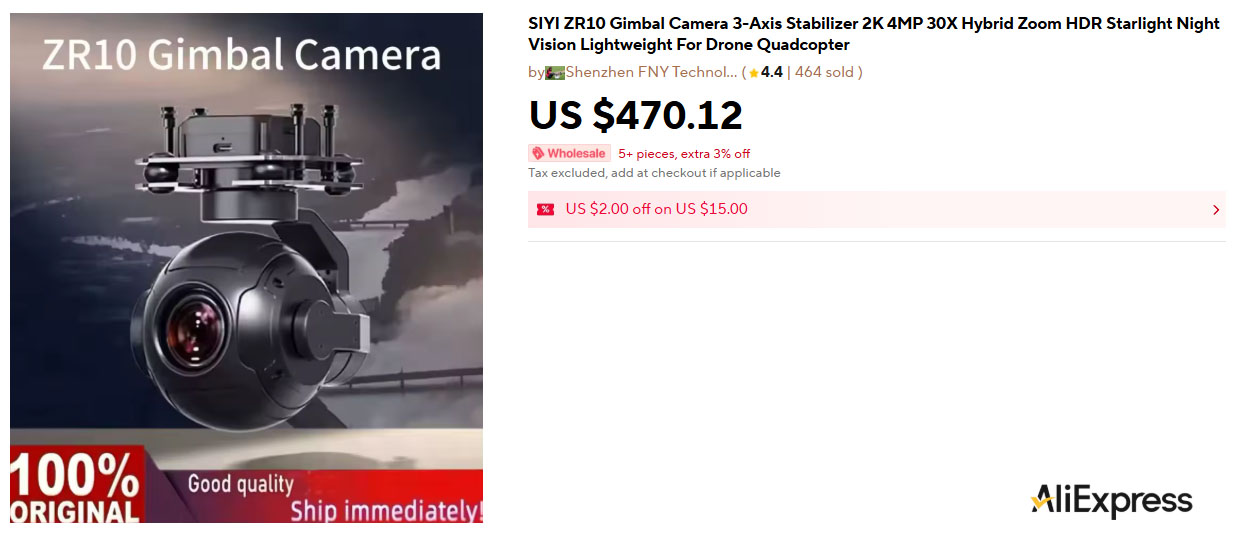
For a relatively modest price, this camera features a stabilized mount, 10× optical zoom, 30× digital zoom, and both day and night channels. These parameters correspond to those of cameras installed on reconnaissance UAVs, such as the Z-16VHD60 for the Z-16 Vif Zala. The difference in cost, however, could be enormous.
Chinese mesh modems also provide communication and the ability to transmit images from drones. However, they only appeared on russian Molniya UAVs at the beginning of this year.
The modems used in them cost between $5,000 and $8,000 at public prices. This also refers to a well-established supply channel from China.
In other words, the russian idea is quite simple: to overwhelm with numbers. On the one hand, this requires the ability to shoot down not just a single Zala, but a dozen Molniya reconnaissance drones at once, as well as an assessment of the effectiveness and feasibility of similar solutions.
Read more: What Serial Number of russian Geran-2 Drone Used by Iran Against UAE Actually Reveals