


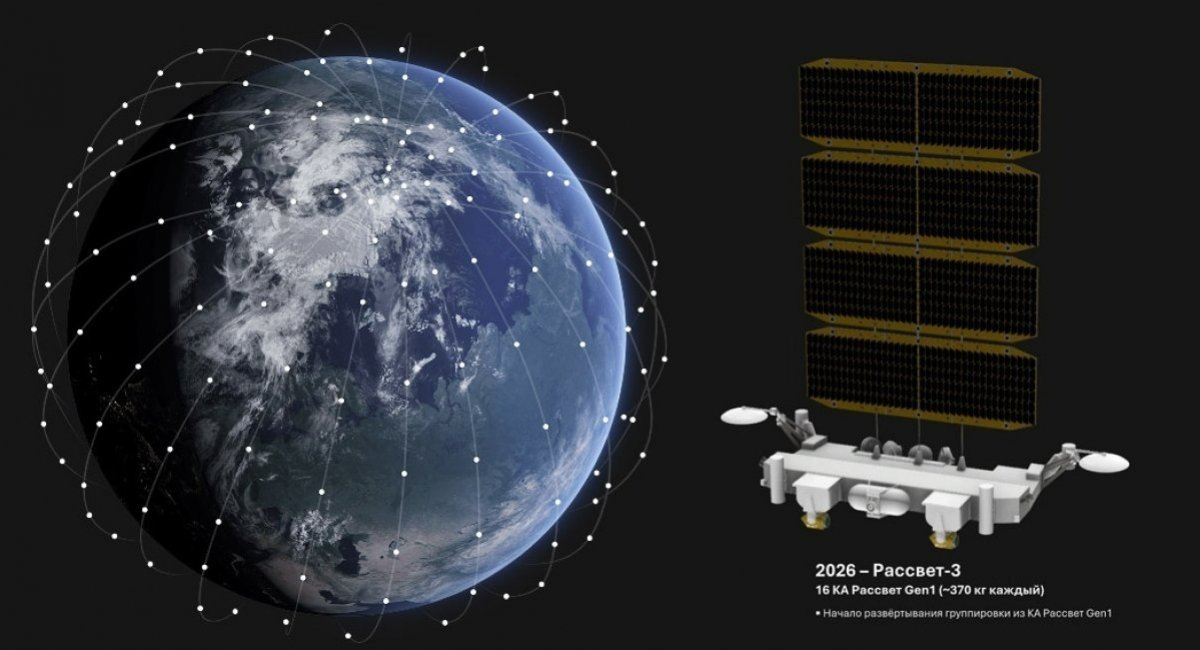
As russia begins deploying its Starlink-like satellite network based on the Rassvet-3 constellation operated by Bureau 1440, which is currently facing serious problems, the question of how to counter it has emerged. One of the options discussed has been physically destroying the satellites.
However, as we have previously explained, this would be a completely impractical option for Ukraine, while several simpler, safer and more effective approaches are available. Still, if we are to imagine what physically intercepting Rassvet-3 satellites could look like, there is a fascinating real-world example to examine.
Read more: Could Ukraine Shoot Down russia's Rassvet Internet Satellites, and Why That's Probably Not the Best Solution
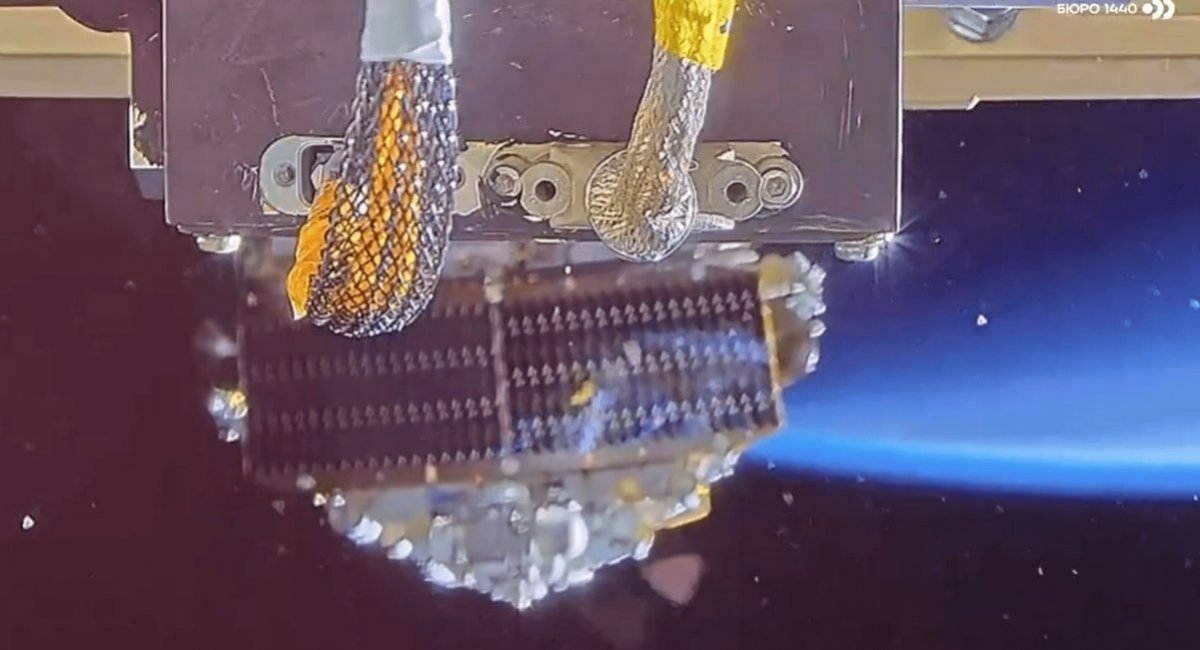
The most effective and safest option for the global space environment would be to destroy the target using hit-to-kill kinetic interception. At the same time, this is also the most technically demanding approach, requiring extremely precise guidance. In simple terms, it means hitting one object with another at hypersonic speeds with almost needle-like accuracy.
To make this possible, an exoatmospheric kinetic interceptor needs to be equipped with an imaging infrared (IIR) seeker capable of processing an extremely high number of frames per second while maintaining very high resolution.
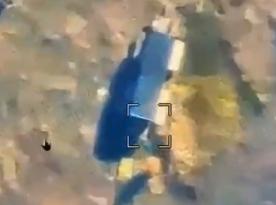
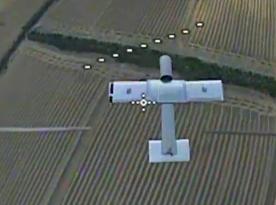
There is a remarkable video showing what this looks like in practice. It was recorded during India’s 2019 test of the PDV Mk-II interceptor against a satellite in low Earth orbit. The footage includes imagery from the interceptor’s own infrared seeker, providing a rare first-person view of an exoatmospheric kinetic kill vehicle closing in on its target.
The footage shows the interceptor gradually closing in on the Microsat-R satellite at extremely high speed while continuously adjusting its trajectory and position. It then achieves a direct kinetic impact, physically destroying the satellite. India conducted the interception on March 27, 2019, at an altitude of roughly 280–300 km.
What makes this footage particularly remarkable is that it allows viewers to see the interception not only from an external camera, but almost from the interceptor’s own point of view. Footage from the seeker itself is extremely rare.
The same basic principle is used by exoatmospheric missile interceptors designed to engage ballistic missile warheads before they re-enter the atmosphere. Examples include THAAD, SM-3 and the Ground-Based Interceptor (GBI), which is designed to counter intercontinental ballistic missiles.
Compared with satellites, however, ballistic missile targets can present an even more demanding interception problem because some advanced ballistic missile threats can maneuver at hypersonic speeds. That makes the challenge of achieving a direct hit even more difficult.
Still, while kinetic interception can be a necessary option against ballistic missiles, satellites present a different problem. As noted above, there are potentially better ways of countering an entire satellite constellation.
The issue is not simply the difficulty of hitting a target with extreme precision. It is also a matter of economics and scale.
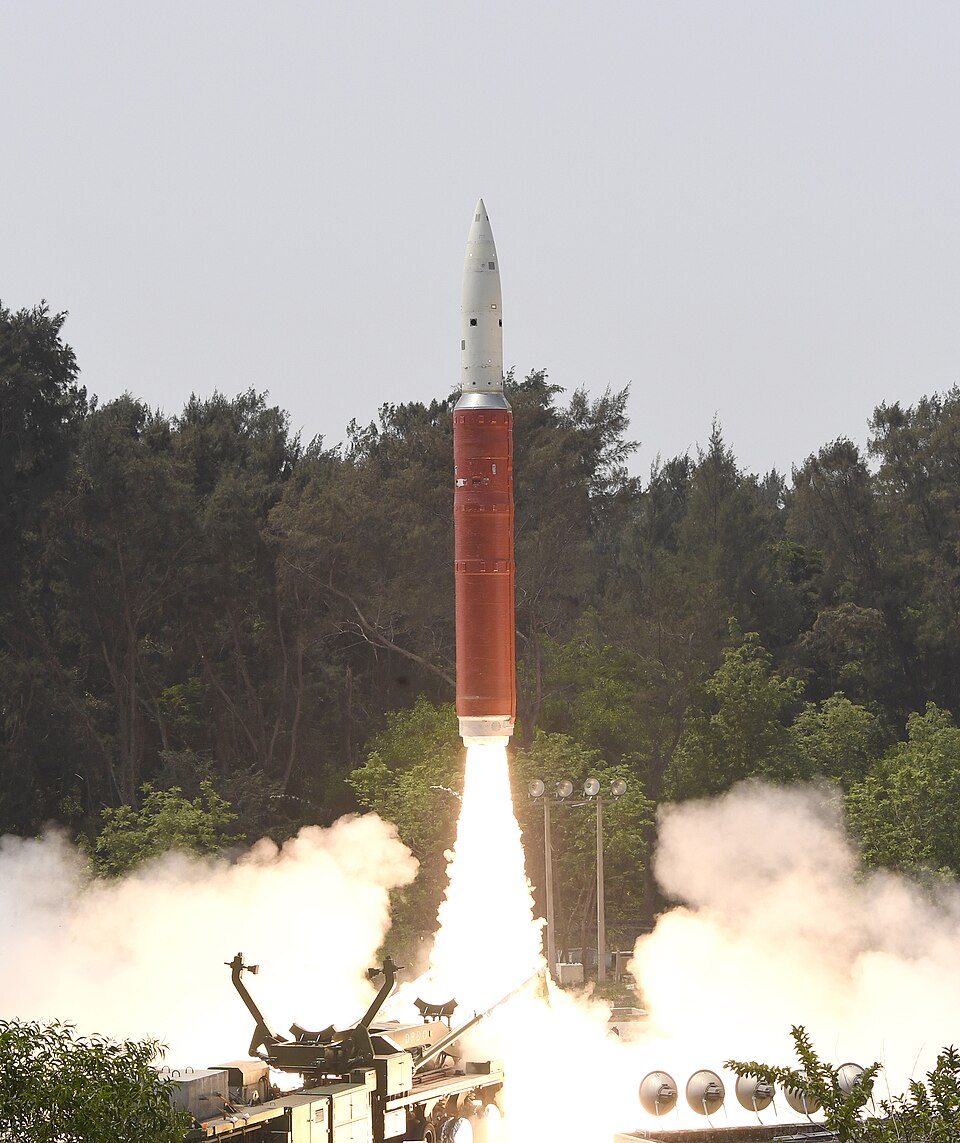
An anti-satellite missile can certainly destroy individual satellites or small numbers of them. However, such interceptors are produced in relatively small quantities and can cost tens of millions of dollars each. Destroying an entire constellation consisting of hundreds of satellites would therefore become an enormous undertaking, even for the world’s leading space powers.
In other words, physically shooting down a handful of satellites may be technically achievable. Trying to destroy an entire satellite constellation one interceptor at a time is a completely different proposition.
Read more: russia's Starlink Alternative Is Still Struggling: Two More Rassvet-3 Satellites May Burn Up, That's Far From Its Only Problem