russian forces on the morning of March 16 used a new type of strike drone for the first time to attack Kyiv, which poses a significant threat.
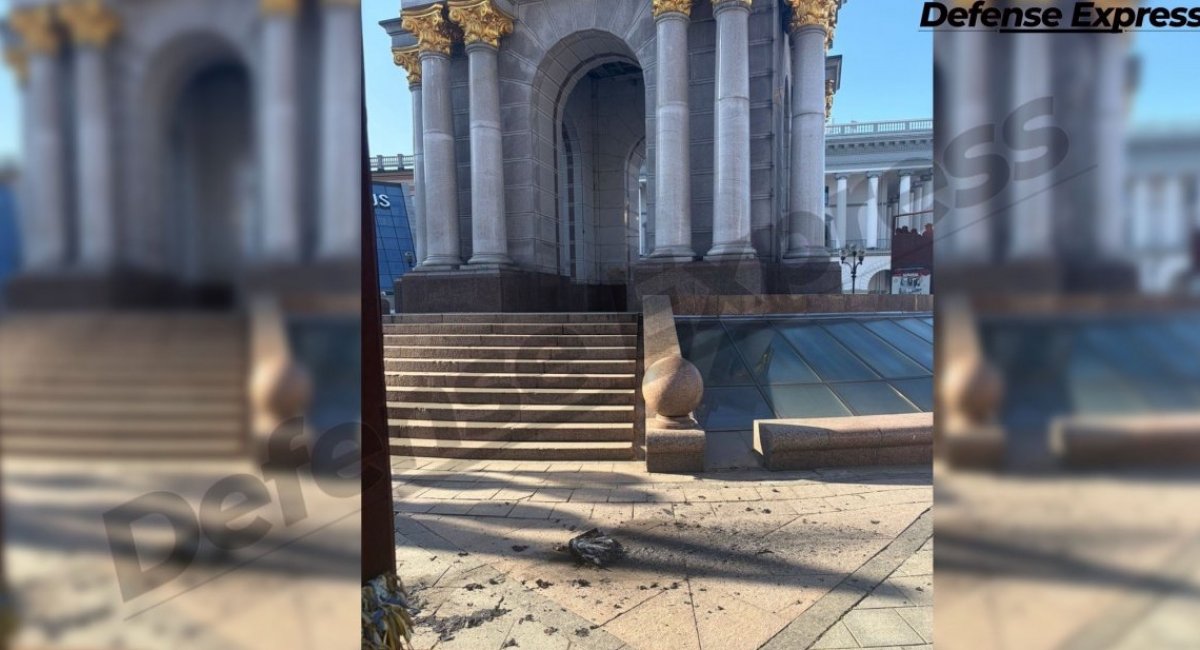
During this strike, one drone fell in the very center of Kyiv directly on Independence Square (Maidan Nezalezhnosti). According to preliminary information Defense Express received from own sources — this is a Lancet drone.
Read more: USS Nimitz Retirement Delayed to 2027, Oldest Nuclear Carrier With 1975 Reactors May Struggle With Combat Readiness
Whether this specific object was the target of this strike or the drone was aiming at something else is currently being clarified. The very fact of its destruction specifically in Kyiv center is no secret.
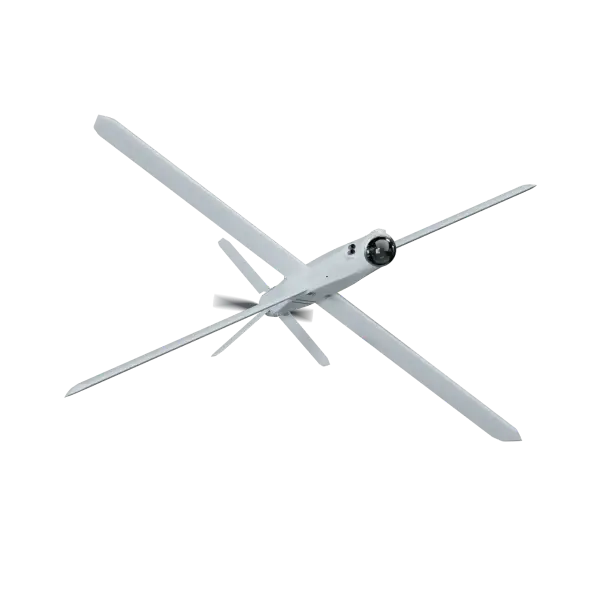
That this is specifically a Lancet is indicated by this drone's debris. Specifically the quite characteristic X-shaped Lancet tail assembly with pusher propeller. There is also a photo of a wing with RF index number.
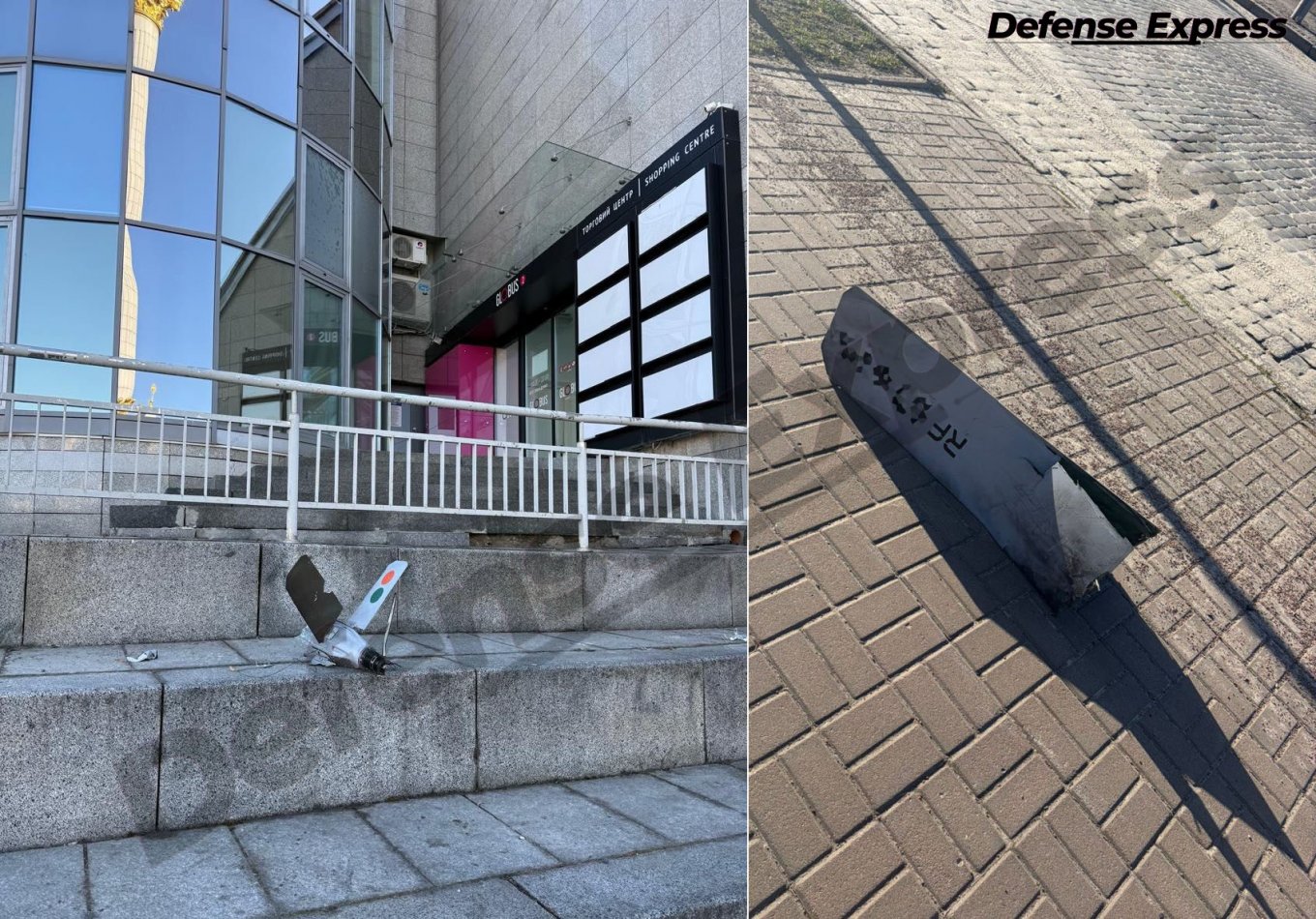
Debris analysis is currently ongoing. However, preliminarily, based even on this very limited information, several conclusions can already be made.
With high probability, artificial intelligence was used in this Lancet kamikaze drone. It was configured for swarm use, autonomous navigation, target search and strike without operator connection. This is indicated by very unusual markings in the form of colored circles.
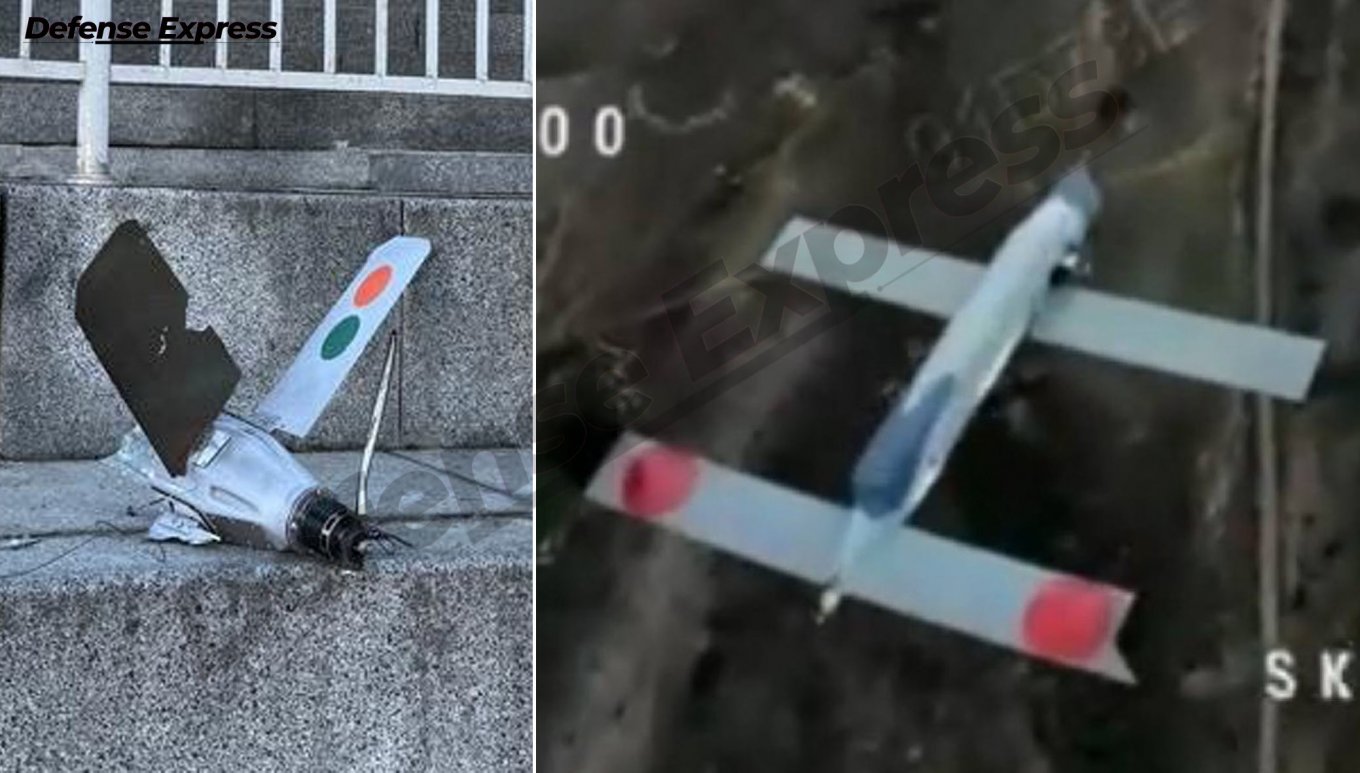
Such markings are found on russian V2U autonomous drones. As believed, this is needed so drones keep track of each other, moving as a flock. Today's morning drone attack on Kyiv was precisely group-based. It is also not excluded that this drone used mesh-modem or mobile communication.
Regarding Lancet flight range, it usually appears as 50 km, but this parameter is communications range. However, russia already boasted they regularly fly 90 km range, with record being 136 km.
At the same time, it is over 200 km to Kyiv center from russian border. Whether Lancet can cover such distance at all is currently an open question and not excluded variant. However, it is 90 km to Kyiv from Belarus territory.
It should also be added that overall the very fact of attempting a strike on Kyiv center with Lancet drone carrying warhead weighing up to 3 kg is seen only as a measure demonstrating russian terrorist strike new capabilities. On the other hand, it removes any reservations regarding autonomization of Ukrainian long-range drones.
Although in the Ukrainian environment there are no precise answers to all questions. For example, Defence Minister Advisor Serhiy Flash stated that no Lancets can reach Kyiv and in his opinion debris or fragments were deliberately dropped from Shahed-type dron as part of enemy information special operation.
At the same time, volunteer Serhiy Sternenko expressed the assumption this drone was delivered closer to Kyiv using a Shahed.
Read more: 1482 Days of russia-Ukraine War – russian Casualties in Ukraine