


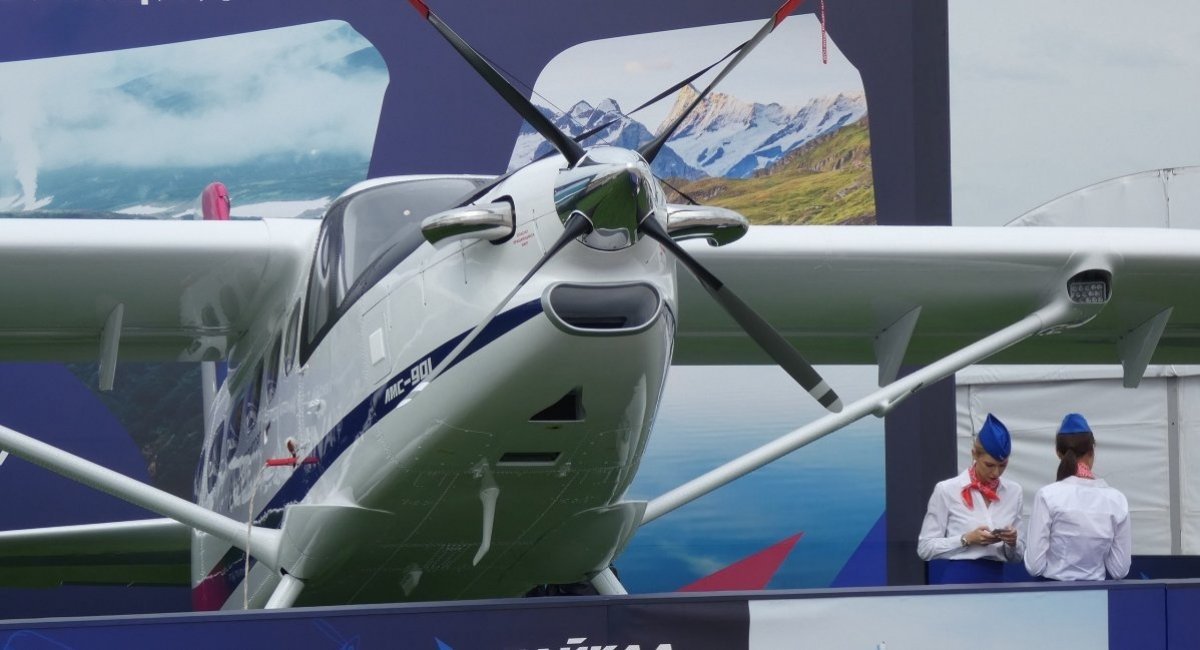
Andrey Dorofeyev, Director for Quality and Certification at the Ural Civil Aviation Plant (UZGA), updated the Aviation Equipment Certification Headquarters on several key programs currently underway at the enterprise. Chief among them is the light multi-purpose aircraft LMS-901 Baikal, intended to replace the obsolete Soviet-era An-2.
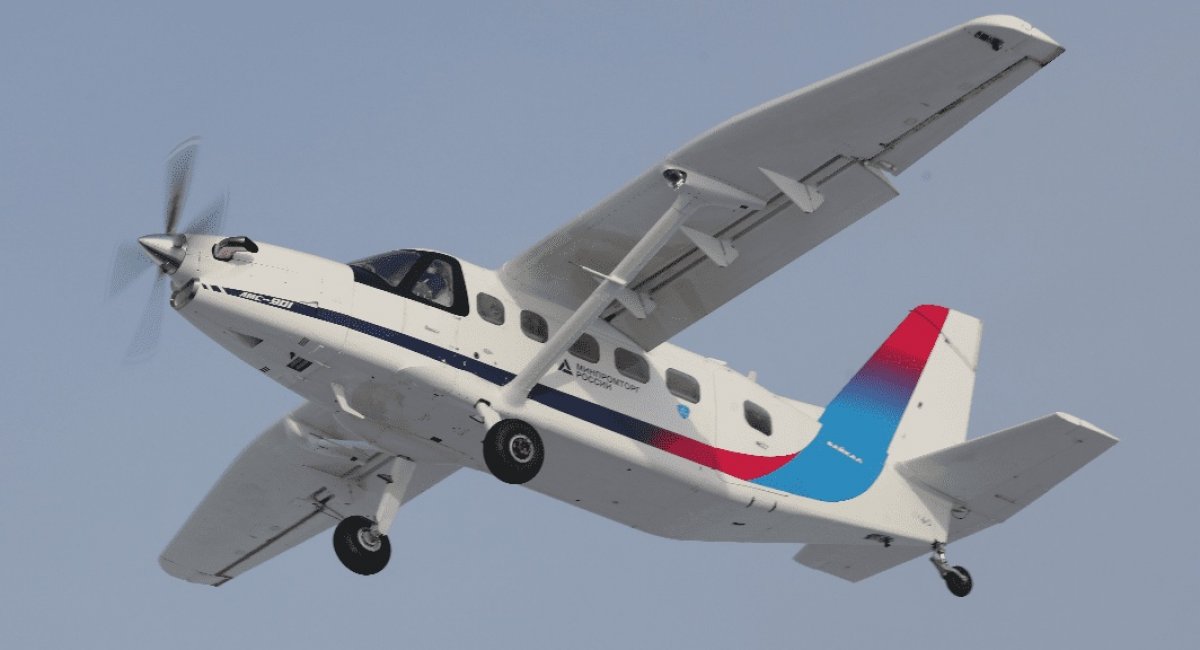
According to preliminary plans, the aircraft’s first flight, powered by a russian-made VK-800 turboprop engine, is expected to take place by the end of this year — meaning the debut is now less than two months away.
Read more: It Seems russians Failed with Their LMS-901 Baikal and Turn to Remotorization of An-2 Aircraft
It was noted that work is ongoing to establish a "new certification baseline for the aircraft due to the transition to a domestic powerplant." No further details of the project were disclosed.
russian media report that the current price of one Baikal is estimated at 220–340 million rubles — roughly USD 2.7–4.2 million at today's exchange rate.
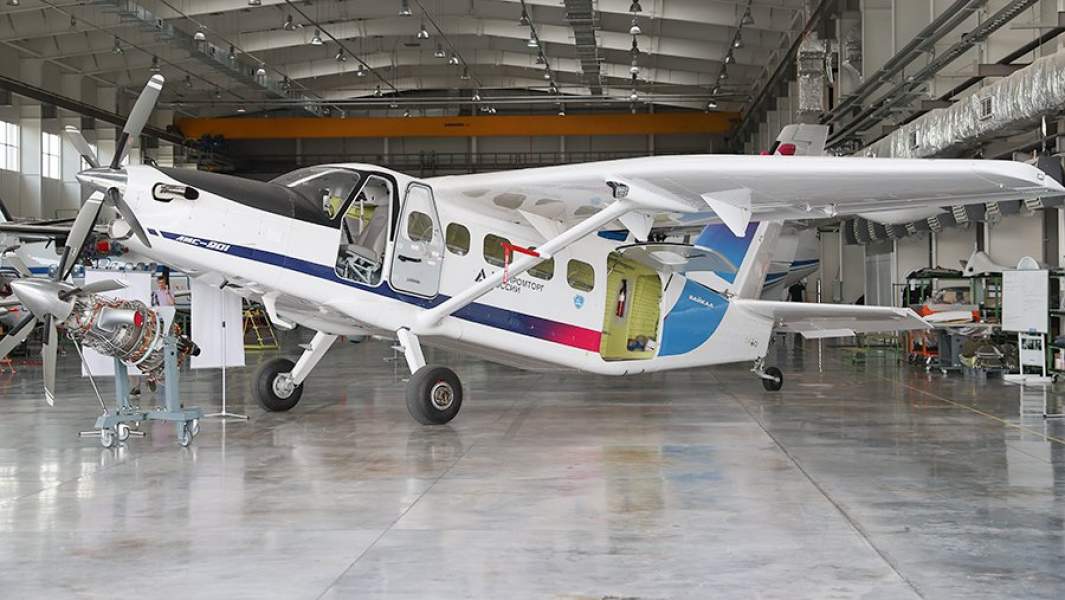
It is worth recalling that since last year, the Baikal program has faced repeated turbulence. The problems began when russian developers complained that its cost had quadrupled to about USD 4.8 million — only slightly higher than the upper figure now being cited.
Ultimately, due to persistent issues with cost, the engine, and repeated delays, russia announced in May this year that work on the project had been suspended.
However, by September the situation had changed dramatically: the State Transport Leasing Company signed supply and leasing contracts for 50 LMS-901 Baikal light aircraft. Judging by this, it appears Moscow is now pushing the Baikal program forward by artificial means — while turning a blind eye to its unresolved shortcomings.
Read more: russia's Guided Aerial Bombs Reach Serial Production, Threaten Cities 200 km From Frontline