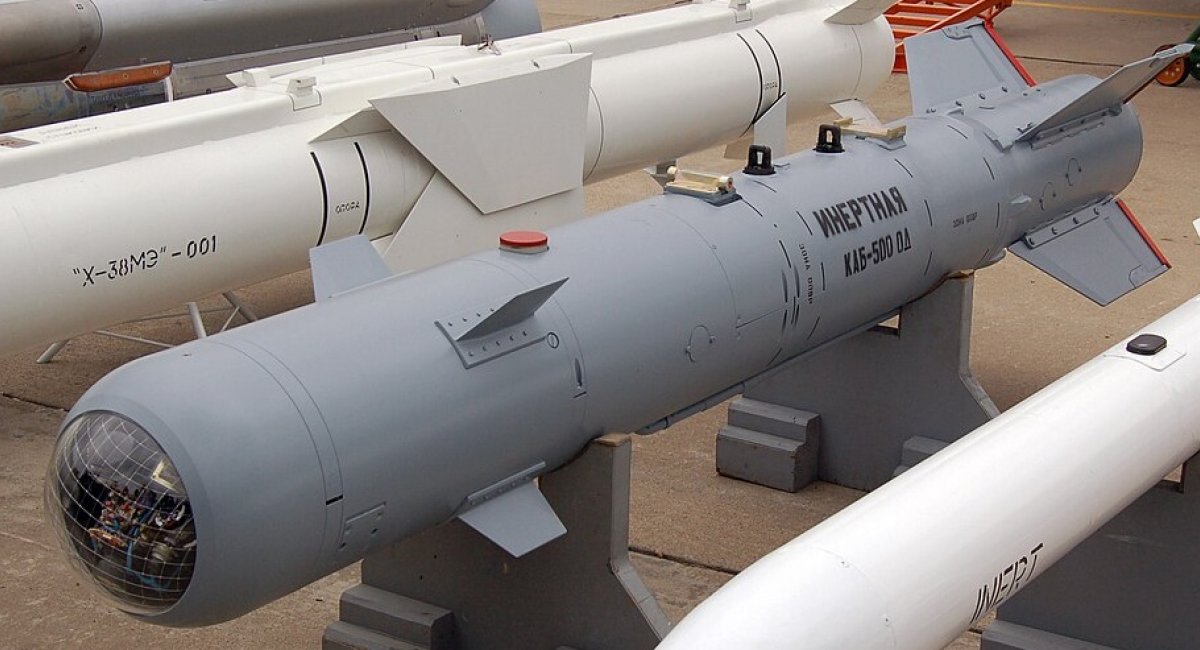
Modernization of russian guided aerial bombs(KABs could rests on two ideas. First, conventional high-explosive bombs of 250, 500, 1500 and 3000 kg are equipped with universal modular planning and correction units (UMPC). These kit-modules add guidance electronics, aerodynamic surfaces and course-correction systems.
Second, adding a small turbojet turns a gliding bomb into a stand-off weapon a compact air-to-surface munition with substantially larger combat radius. A UMPC alone pushed range to about 75 km; adding an engine raises that limit to roughly 200 km.
Read more: Rheinmetall's Skynex in Ukraine Proves Effective Not Only Against Shahed Drones but Also Against Kh-101 and Kalibr Missiles
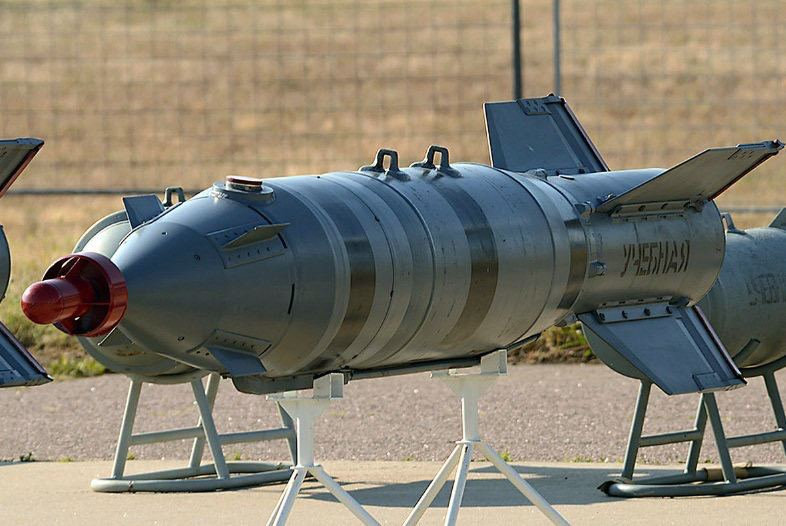
Ukraine Defense Intelligence and open sources report that most UMPC components come from China, but some fuzes and electronic parts may include components manufactured by companies in the United States and Switzerland. russian developers have experimented with such modules since 2018 and now, apparently, have begun to scale production.
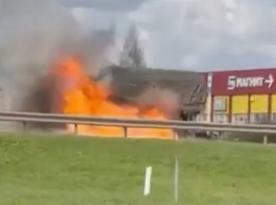
The operational logic is simple. By launching engine-assisted guided bombs from beyond 100–150 km, russian aviation can avoid entering the reach of many Ukrainian SAM systems. This increases aircraft survivability and makes sortie interdiction harder. Defense Express reported about first strikes with these munitions a few weeks ago in Poltava oblast.
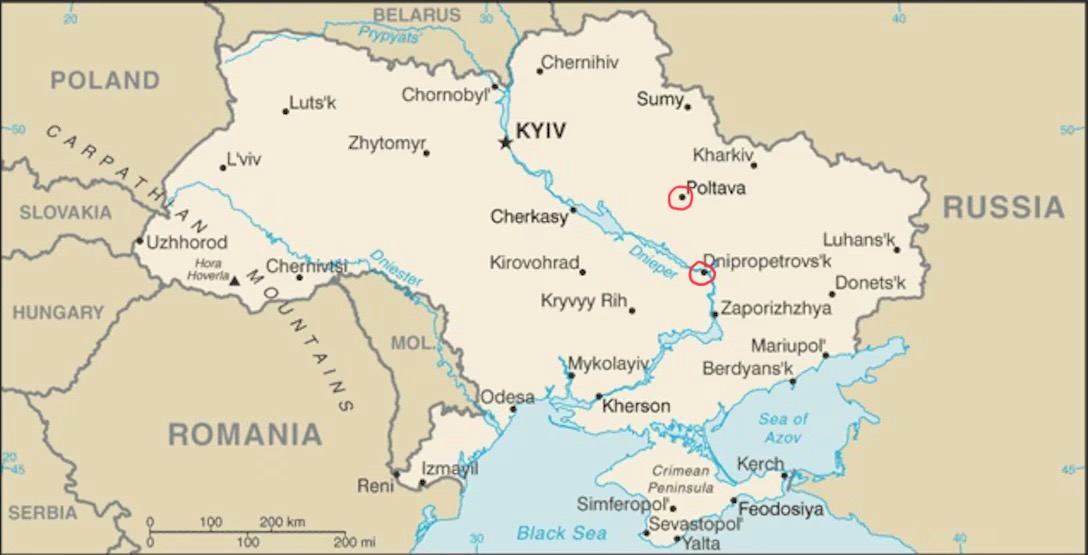
However, practical limits remain important. To hit central Kyiv from 200 km, the attacker would likely have to release munitions from positions near the front line or from airspace exposed to air-defense fire which puts aircraft at risk of being hit. Thus the most immediate and realistic threat is to large border and frontline cities within roughly 100–200 km: Mykolaiv, Poltava, Kryvyi Rih, Dnipro, Zaporizhzhia, Sumy, Chernihiv and Kharkiv.
A guided bomb with wings and a small engine behaves like a cheaper air-launched cruise missile: it glides, corrects course and uses the engine to cover distance. Unlike large cruise missiles (for example, JASSM), such products carry relatively large warheads and are less fuel-efficient in terms of consumption and range. Because of this, their speed and flight profile make them quite vulnerable to modern air-defense systems. In other words, they are not invincible.
However, if russia increases production and improves engines and guidance, range and survivability will grow. The analogy with FPV drone development is apt here: it started with a few kilometers, now dozens. The same could happen with bombs, though they are unlikely to quickly transform into systems with ranges of hundreds of kilometers without significant changes to control systems.
These munition can be destroyed only by air-defense systems such as SAMP/T, IRIS-T (SLM/SLX), Patriot, as well, as interceptors (for example F-16s) can intercept them if detection is timely and missile stocks suffice. Due to relatively low speed (compared with ballistic targets), SAM systems given time to react are effective. Electronic warfare is also an effective tool disrupting navigation and correction channels reduces strike accuracy and saves interceptors for the most dangerous targets.
Read more: Latvia Completes Delivery of the Patria 6x6 Armored Vehicles for Ukraine's Special Operations Forces