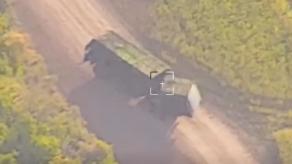



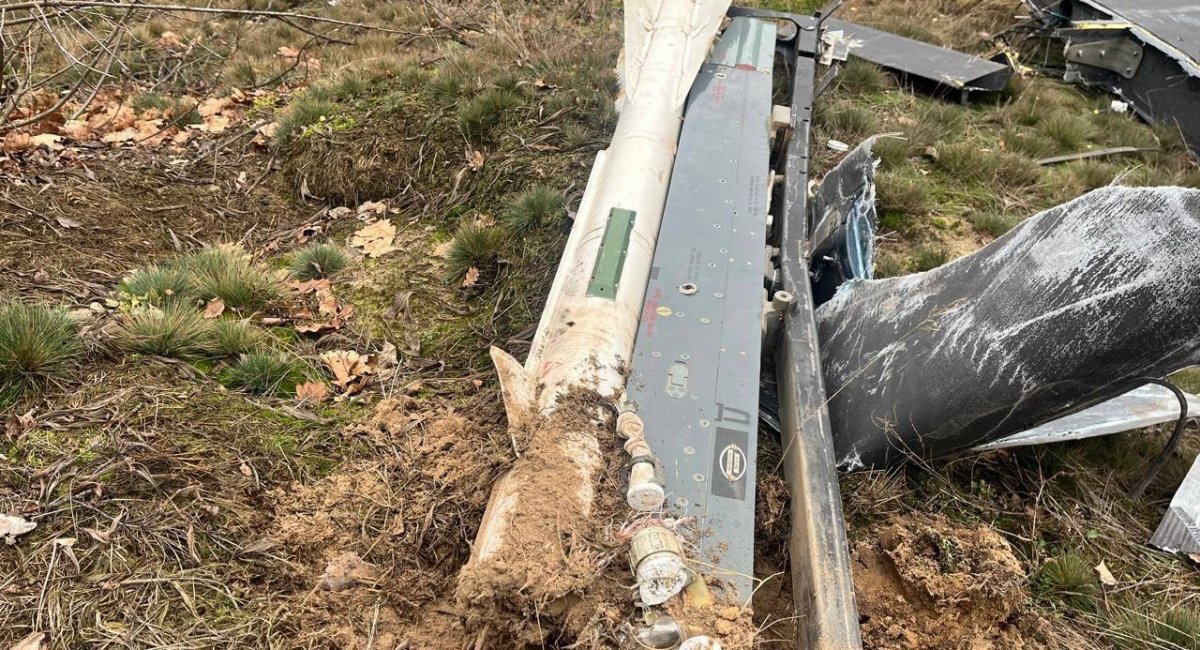
russian forces have found a way to equip the Shahed/Geran-2 with the R-60 AAM. Several Ukrainian defense analysts and sources reported this almost simultaneously, publishing corresponding photos.
According to expert Serhii Flash Beskrestnov, one such Shahed armed with an R-60 was shot down today. He noted that this configuration is intended to target Ukrainian aviation, specifically helicopters, and light aircraft used to intercept russia's long-range drones.
Read more: Inside the Shahed-107 Drone: Ukraine Maps Out Iran's Latest Kamikaze UAV
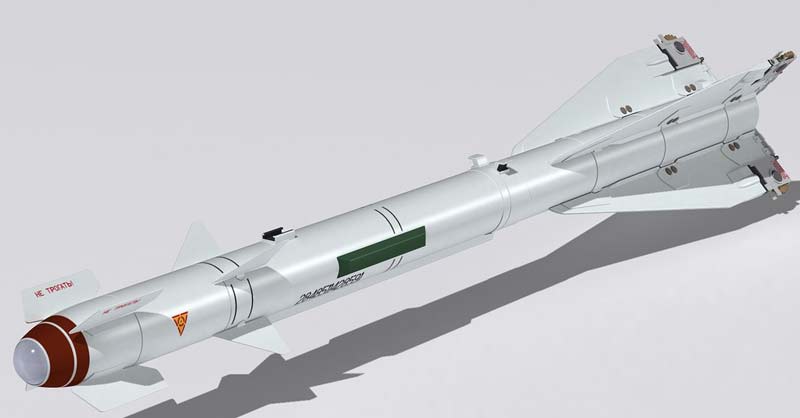
The R-60 missile, developed in the 1960s, is a short-range air-to-air weapon. Its maximum engagement range is up to 7 km for the R-60 and up to 8 km for the upgraded R-60M. However, at low altitudes, the effective range drops to roughly 1.5 km. The missile weighs just 44 kg, including a 3 kg warhead in the R-60 and a 3.5 kg warhead in the 1970s-era R-60M.
Guidance is provided by the IR seeker head OGS-60TI Komar, which has a narrow 24-degree field of view. The upgraded OGS-75 Komar-M, used on the R-60M, expands this to 34 degrees.
To mount the missile on the Geran-2, russia uses a standard pylon, wiring it into the drone's onboard power supply and launch-control system. Given the missile's guidance method, the Shahed operator must accurately point the drone toward the target and keep it within the missile's field of view until the seeker locks on — only then can the missile be launched.
This setup clearly requires a stable and relatively high-bandwidth communication link. It is therefore plausible that these modified Geran-2 drones use mesh-network modems, effectively turning them into long-range FPV-style platforms.
A video later emerged showing the shoot-down of a Geran-2 equipped with an R-60 mounted along the central axis of the fuselage.
Taken as a whole, this configuration represents a significant threat, primarily to helicopters and light aircraft used to intercept Shaheds. At the same time, it demands that the Shahed operator conduct a full aerial engagement process.
It appears that russia is effectively creating "escort fighters" for its long-range drones by equipping Geran-2s with R-60 missiles. This development will undoubtedly require a reassessment of air-defense aviation tactics and countermeasures, given the emerging threat. Meanwhile, the enemy is also evaluating the effectiveness of this configuration and refining its employment tactics.
Read more: Video of Bullet Interceptor UAV Destroying russian Shahed/Geran Attack Drone Released