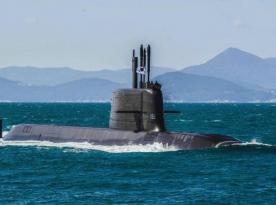



A ceremony marking the 10th anniversary of the launch of the B-268 Veliky Novgorod submarine was recently held in the port of Novorossiysk. During the event, several other vessels moored nearby were also captured on camera.
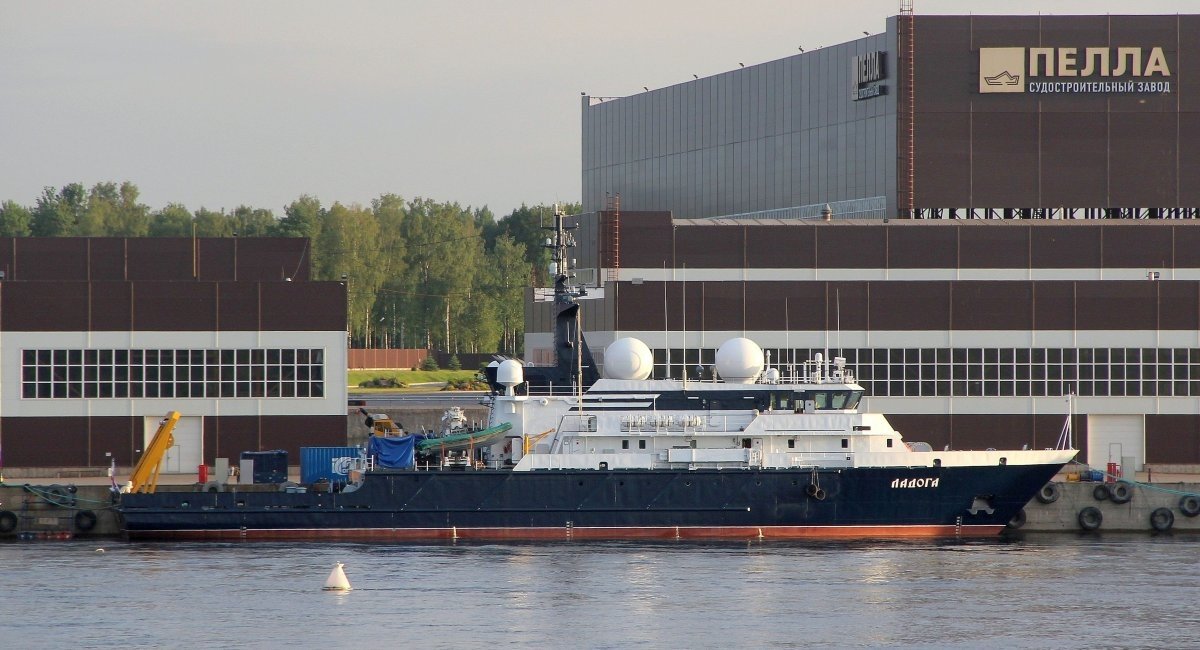
One of them was the Project 11982 Lagoda experimental vessel, operated by russia's Ministry of Defense. The ship is intended for research and oceanographic missions, as well as search-and-rescue operations.
Read more: russia Advances Construction of Its Largest Ivan Rogov Warship in Crimea - Could Ukraine Target It?

Particular attention was drawn to its newly added "modifications" designed to counter Ukrainian drones, especially those controlled via satellite communications, which have periodically targeted russian vessels. This was highlighted by OSINT analyst H I Sutton.
The vessel appears to be equipped with an onboard electronic warfare (EW) system, as well as various anti-drone mesh structures. Around the bridge windows, metal cage-like structures have been installed several meters away, effectively creating a protective barrier.
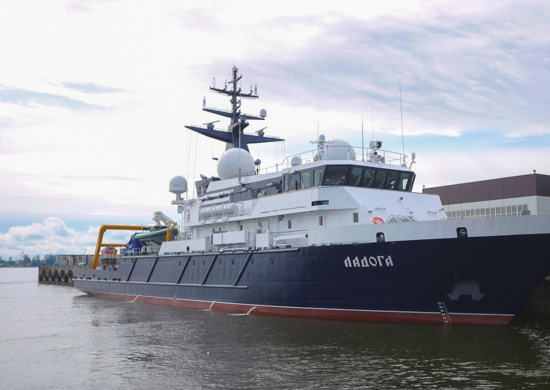
In addition, white camouflage netting covers deck access points and most of the forward deck area. This may indicate the presence of additional military equipment onboard, such as radar systems or electronic intelligence (ELINT) stations. However, it is also possible that the netting serves purely as protection rather than concealment.
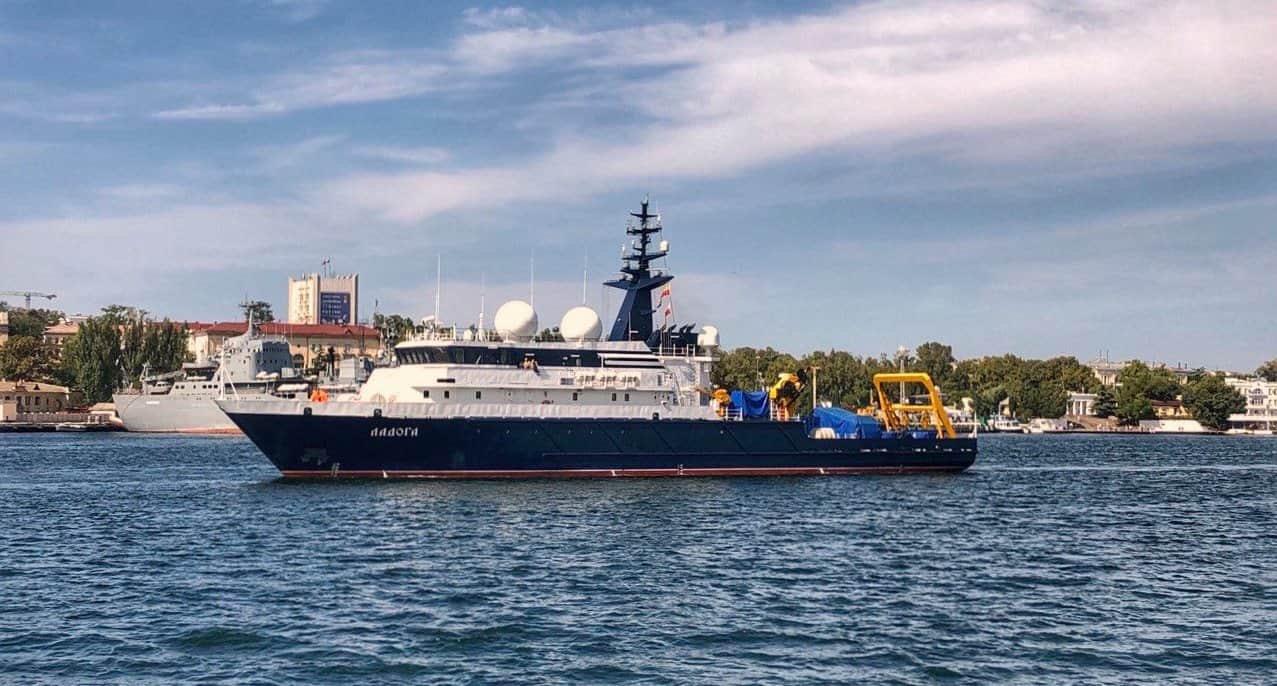
These measures raise the question of whether they can actually protect the crew from Ukrainian drone strikes. On the one hand, such defenses may be effective against standard FPV drones. On the other hand, russian vessels are increasingly targeted by heavier UAVs carrying warheads of around 10–15 kg, such as the Rubaka. It remains unclear whether the bridge crew could survive a detonation of such a drone, even if it explodes on the external cage.

This does not take into account even heavier systems like the FP-2 drone, which uses a similar control method but carries a significantly larger warhead of 60–105 kg. Future variants are reportedly expected to reach up to 158 kg.
Questions also arise regarding the effectiveness of the onboard EW system. Such systems are generally incapable of jamming satellite communications, meaning drones using this type of control would still be able to strike the vessel.
The only realistic protection this EW suite may provide is against FPV drones launched from uncrewed surface vessels. However, there have been no confirmed cases of such attacks so far. Moreover, Ukrainian naval drones are already being equipped with FPV drones controlled via fiber-optic cables, further reducing the effectiveness of electronic countermeasures.
Read more: UK Defense Intelligence: British Forces Downs Iranian Drones, Deploys HMS Dragon and Air Defense Systems