Latvia continues to build up its capabilities to deter a potential russian invasion. Now, it is focusing on localizing one of the most critical weapons for such tasks: anti-tank mines.
A memorandum of understanding on joint production was signed by Germany's Dynamit Nobel Defense and Latvia's state-owned defense corporation VAK. According to the Ministry of Defense of Latvia, the new plant will meet domestic needs and will begin operations in 2028.
Read more: EU Launches Future Infantry Fighting Vehicle Project Without Rheinmetall Despite Its Combat-Proven Lynx
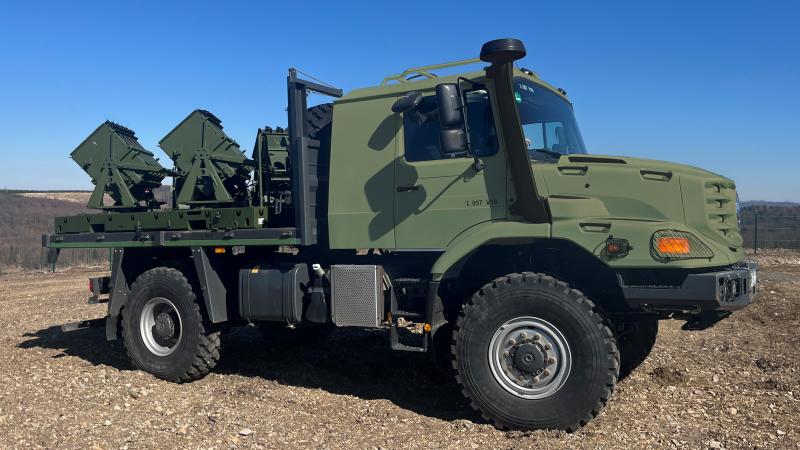
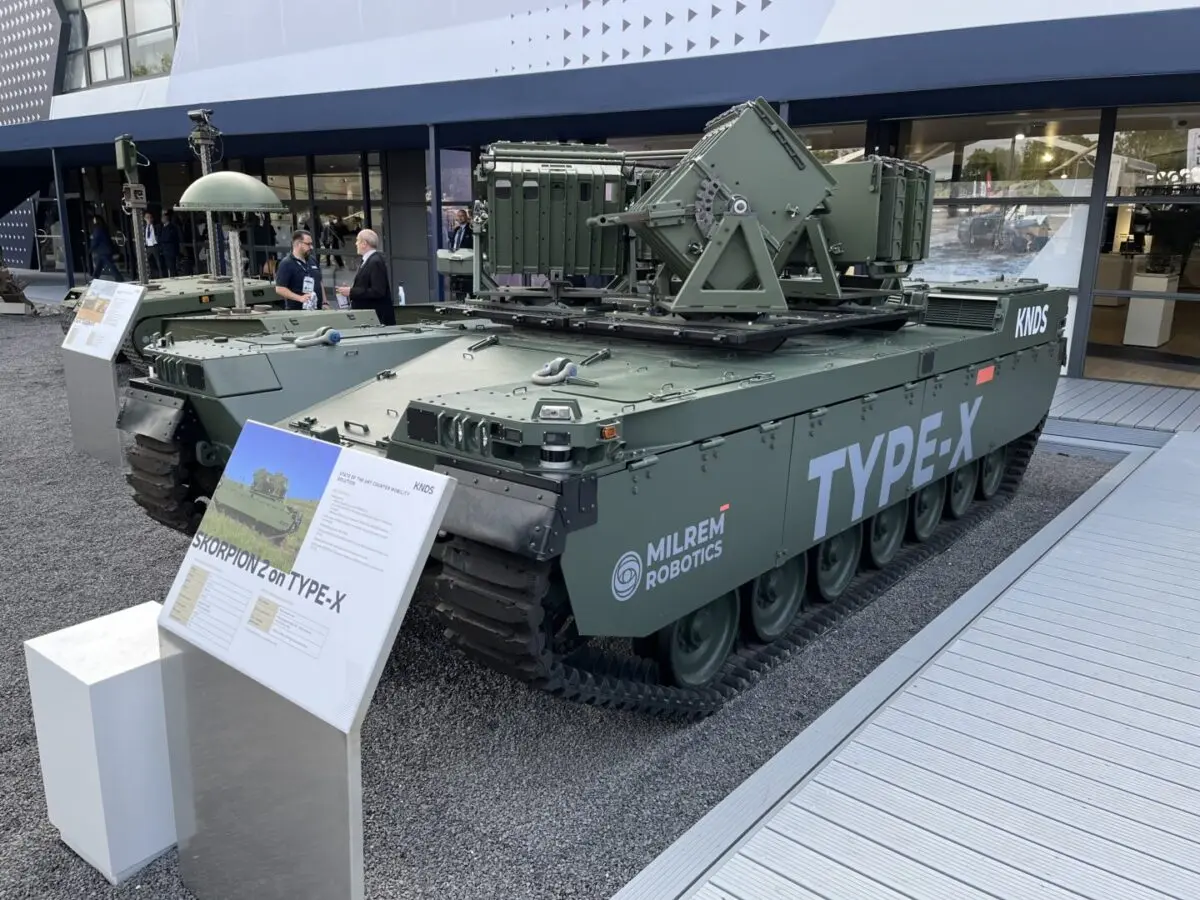
This agreement is a continuation of Latvia's purchase of Scorpion 2 remote mine-laying systems from the German manufacturer. They can deploy a minefield quickly and according to precise specifications.
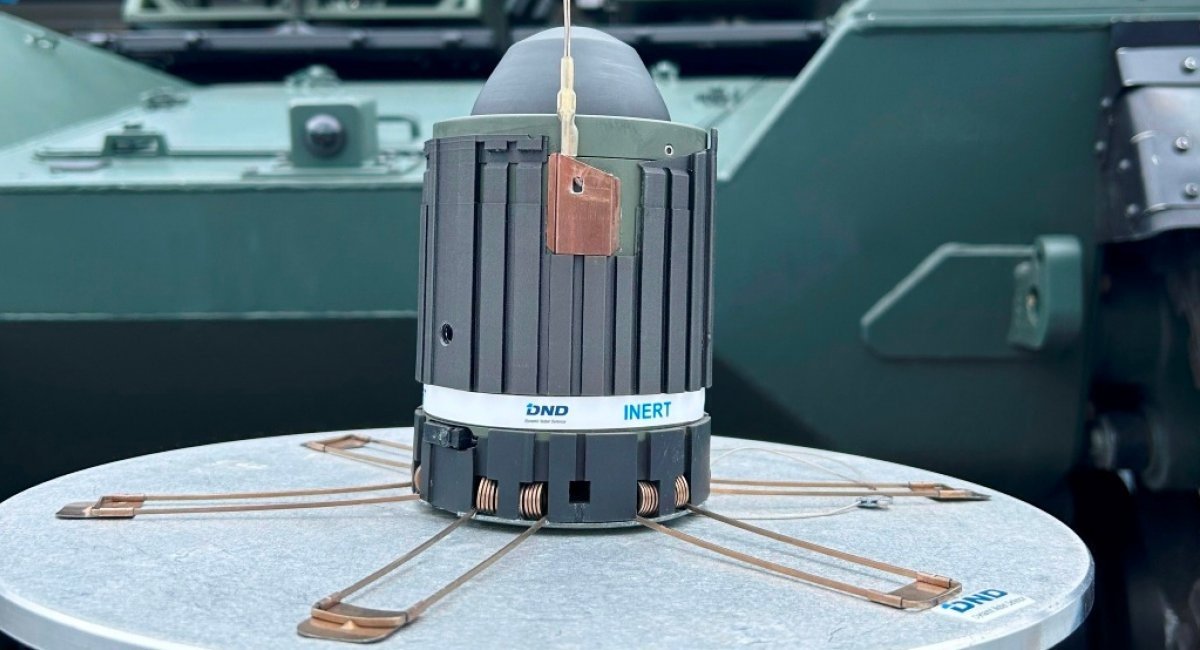
Now it will be possible to supply them with ammunition through Latvia's own industry. It is not yet clear which mines will be localized, but given the context, it is likely to be the modern AT-2+.
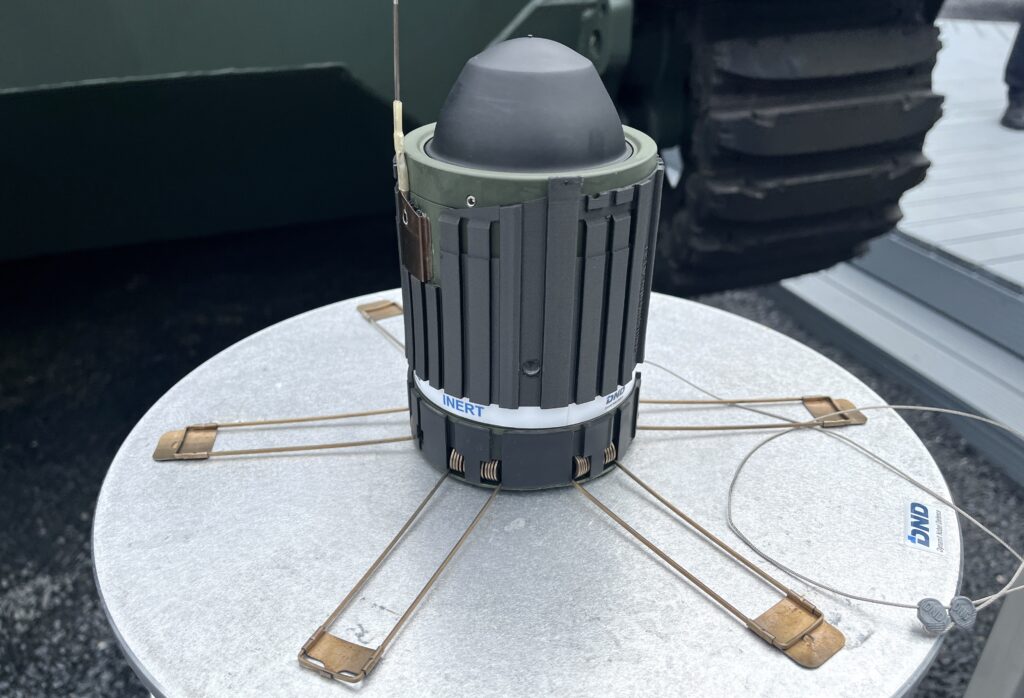
AT-2+ anti-tank mines are activated not by direct contact, but by built-in sensors that detect armored vehicles. They detect when a vehicle passes overhead and detonate beneath the hull to maximize damage and increase the likelihood of crew casualties.
At the same time, there is a self-destruction mechanism that deactivates the mine after a set period of time. This reduces risks to the civilians after the end of hostilities and allows for potential counterattacks without major obstacles.
Overall, this is an interesting example of how the Baltic states are strengthening their defense capabilities in a new security environment marked by a real threat from russia and growing doubts about allied capabilities. Therefore, it makes sense for these countries to develop their own defense capabilities, with minefields playing a key role.
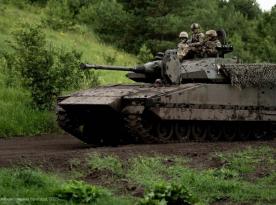
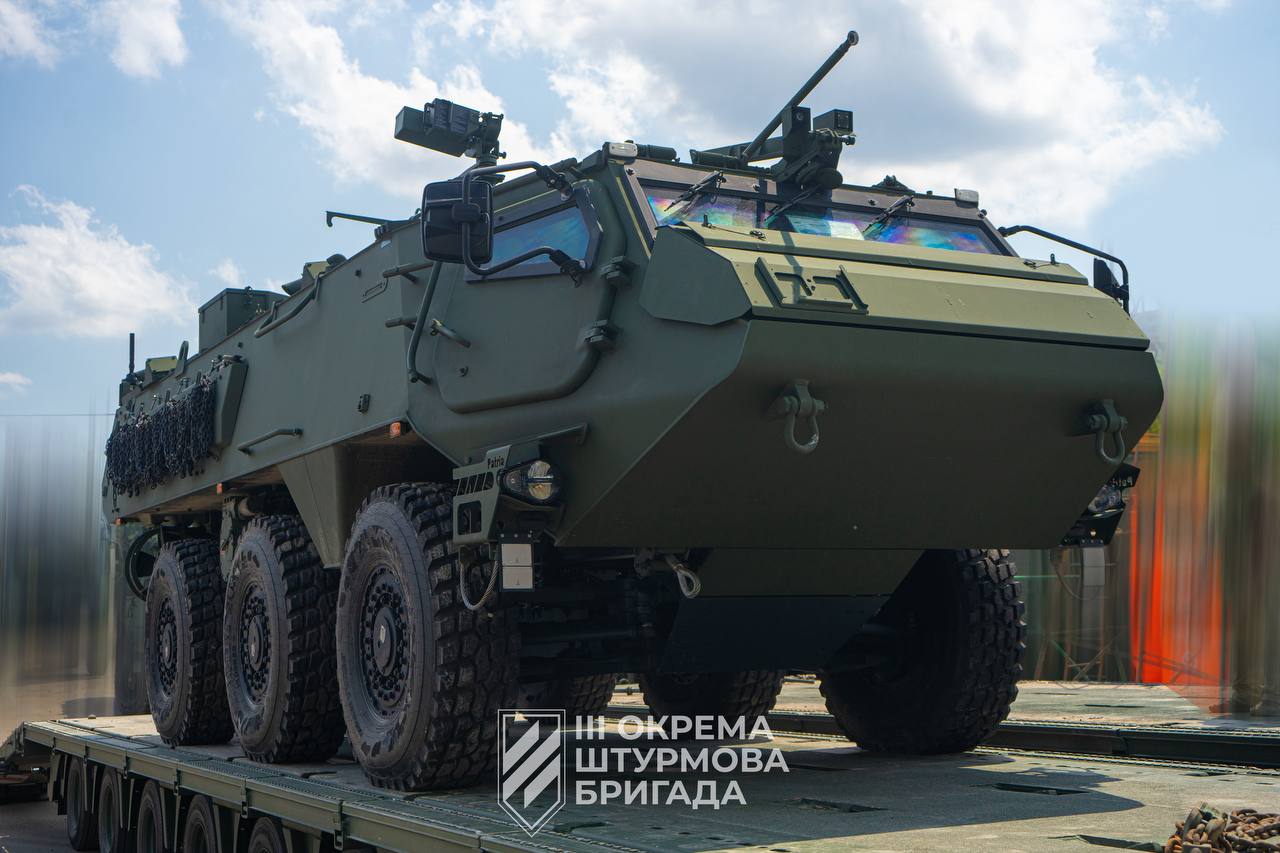
As for other projects, Latvia is purchasing Spanish-European ASCOD IFVs, with a total of 84 units to be delivered under two contracts. The country is also slated to receive Swedish Archer self-propelled howitzers and is involved in the CAVS APC program, which has already provided Ukraine with Patria 6×6 vehicles.
As for the Scorpion 2 systems, Denmark has also purchased them. Germany is also planning to acquire them and is considering using a tracked chassis to improve their cross-country mobility.
Read more: Germany Set to Become Europe's EuroPULS Missile Factory