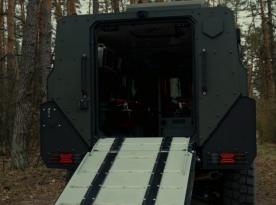



Fifty-two companies and organizations from the EU are working on the design of the infantry fighting vehicle of the future in the drone era. Still, Rheinmetall has somehow not been included in the project.
Europe has begun working on outlining the contours of the infantry fighting vehicle of the future. This involves the Armoured Infantry Ground Assault (AURIGA) project, led by Italian company Leonardo.
Read more: Czech Air Force Grounds Most L-159 Jets Due to Pilot Shortage While Refusing Ukraine Transfer
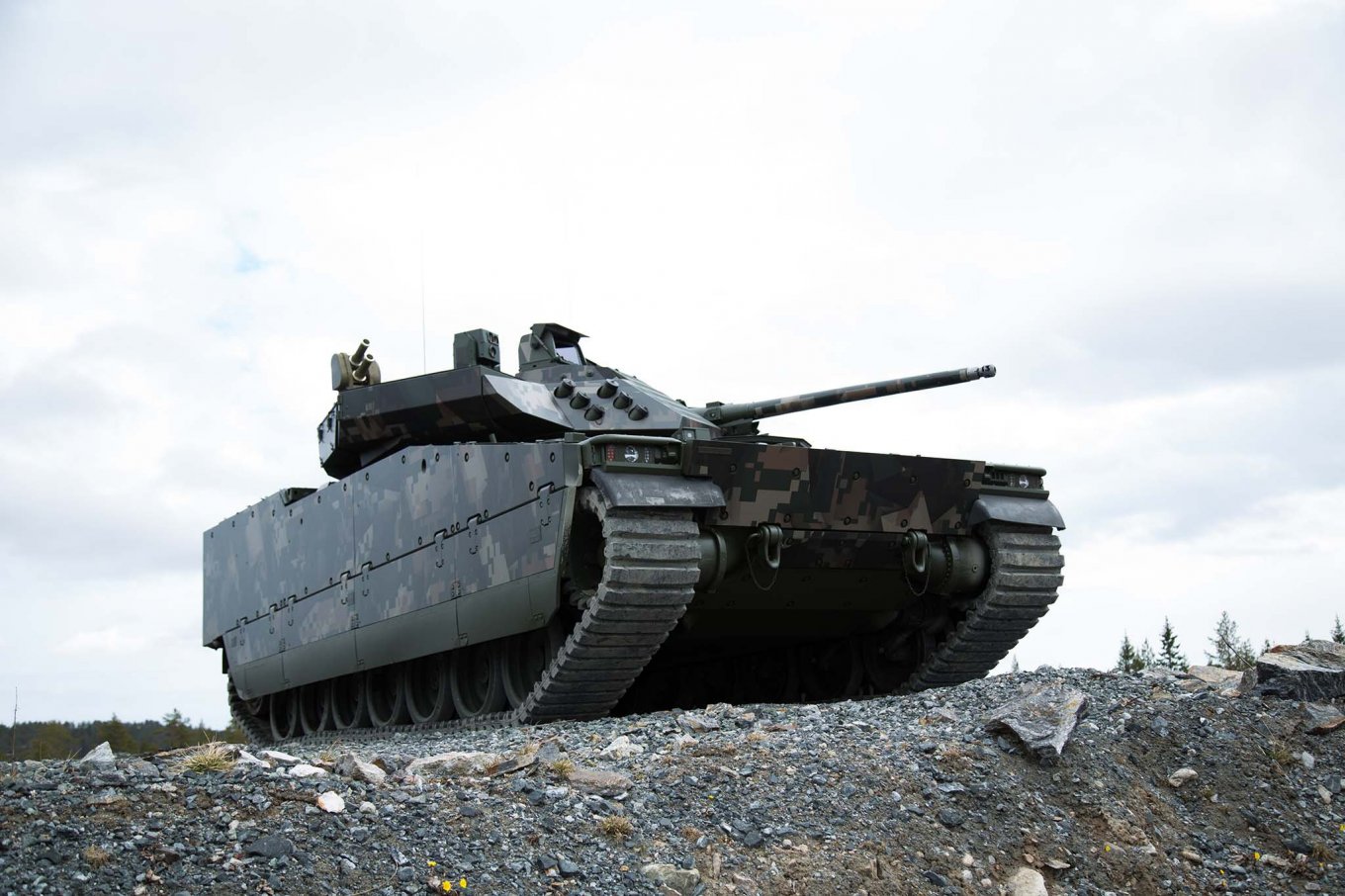
As reported by Forces Operations, key requirements have already been defined, including enhanced protection against drones, a crew of up to three people, and a range exceeding 600 km. The possibility of interaction with unmanned systems is also mentioned.
Part of the division of work is already known. Greek company Intracom Defense will handle internal communication systems and hybrid-electric powertrains. Norwegian firm SquareHead Technology will be responsible for creating passive acoustic sensors to enhance situational awareness.
A total of 52 companies and organizations from EU countries and Norway are participating in the AURIGA project. Among them are such industry titans as KNDS, BAE Systems, Santa Barbara Sistems, John Cockerill, Thales, Patria, and Iveco.
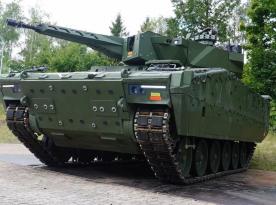
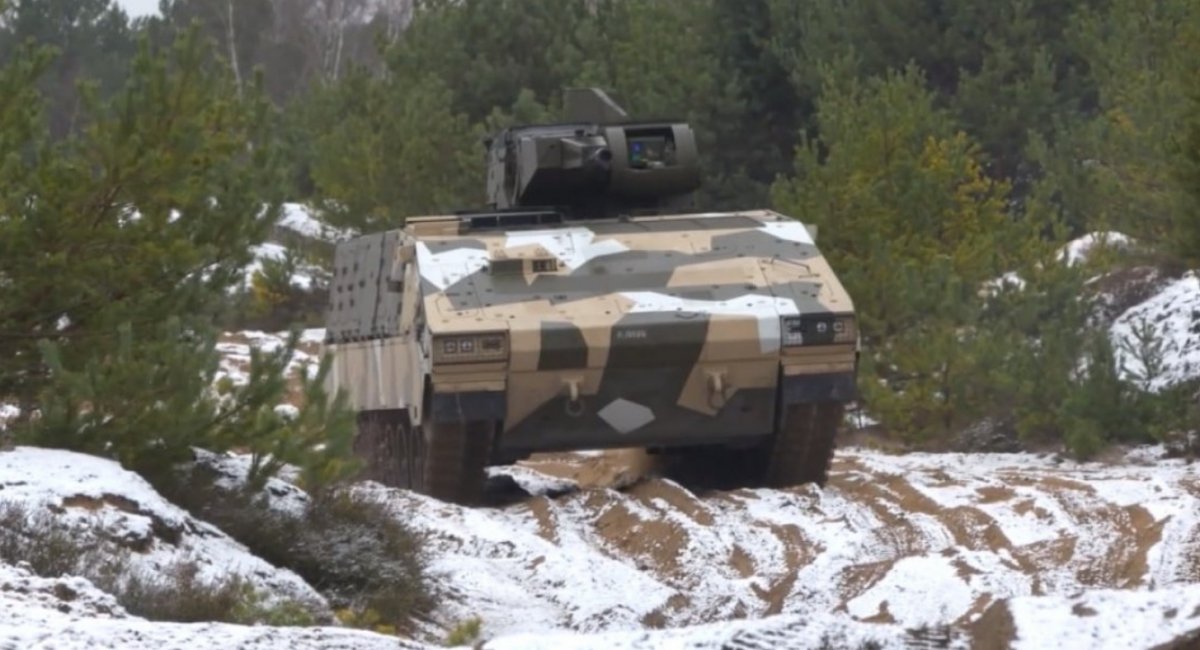
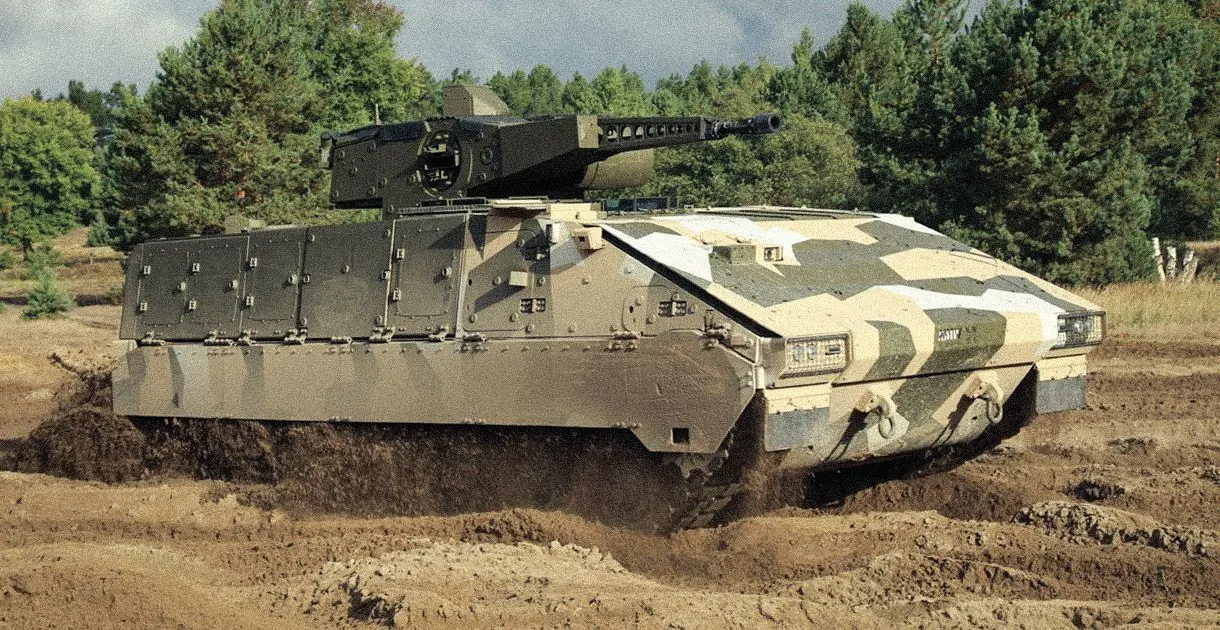
However, one notices the absence of Rheinmetall, even though it is actively promoting its KF41 Lynx IFV. Moreover, these vehicles are already being supplied to Hungary, are beginning to arrive in Italy, and are scheduled for delivery to Ukraine.
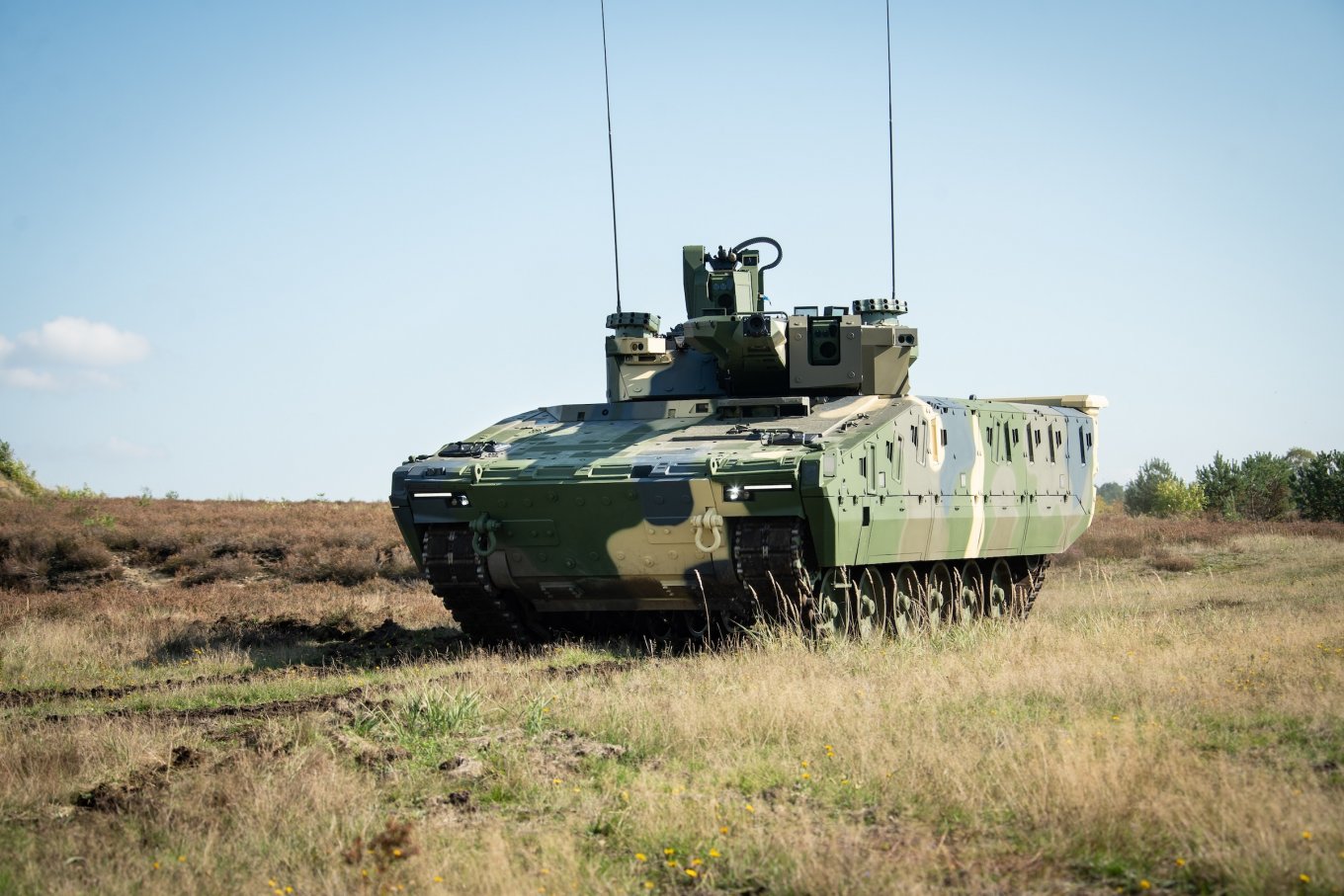
Defense Express notes that this may be related to potential disagreements or dissatisfaction with the division of roles or project components. Existing conflicts between companies may have also played a role. At the same time, most likely the competencies of existing participants will be sufficient to compensate for Rheinmetalls absence.
It is also worth remembering that only 30 million euros have been allocated for AURIGA, 25 million of which will come from the European Defence Fund (EDF), which is actually little when a serial unit costs over 10 million euros. The project envisions only developing technologies and concepts for a future IFV, not creating a full-fledged vehicle.
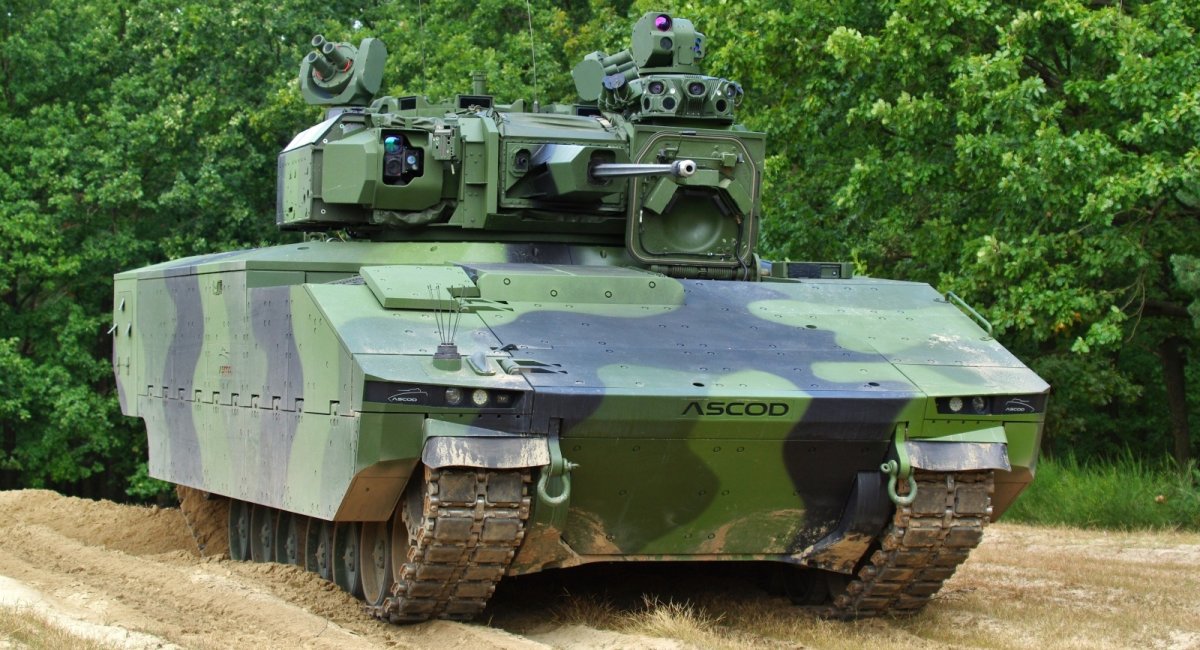
However, prototyping is mentioned in EU documents. Work on the project began in December 2025 and will last 36 months. As a result, much criticism has already emerged about the overly slow pace of development when rapid action is needed to respond to the swift evolution of technology.
Most likely, we will not see practical results from AURIGA soon, perhaps not even in the form of a new model, but rather in solutions for standardization and modernization of existing offerings, as mentioned in relevant EU documents. Therefore, procurement processes for IFVs by various countries will continue in the near future.
It should be noted that the European Defence Fund is also working in other directions, such as a new short-range air-to-air missile led by Diehl Defence. And for 2026, the launch of numerous different projects involving tanks and hypersonic weapons interceptors is planned.
Read more: Can Tridon Mk2 Expected by Ukraine Really Engage Targets at 12 km and Counter Missiles, Glide Bombs?