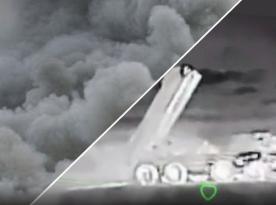



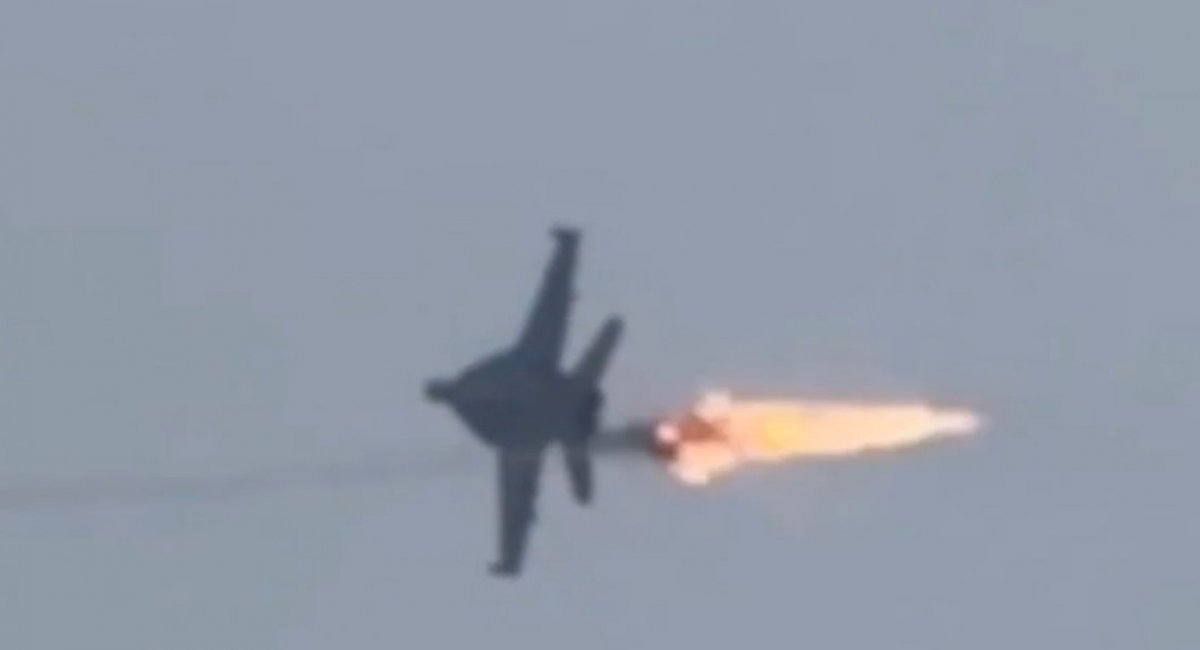
Several videos from different angles appeared online showing a surface-to-air missile nearly hitting an American carrier-based F/A-18E/F Super Hornet, exploding right next to it. After this incident, iran immediately announced that the F/A-18 later crashed, but U.S. Middle East command CENTCOM subsequently refuted this information.
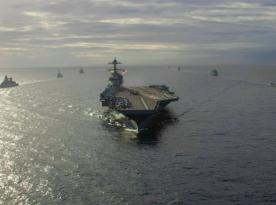
The incident occurred in the area of Chabahar port in southeastern iran. Therefore, this F/A-18 likely belongs to the air wing of aircraft carrier USS Abraham Lincoln (CVN-72), which has exactly this area of responsibility. Moreover, the second carrier USS Gerald R. Ford (CVN-78) went for repairs on Crete island after another breakdown.
Read more: U.S. Army Outlines Potential Plans to Produce the M1E3 Abrams in 2027
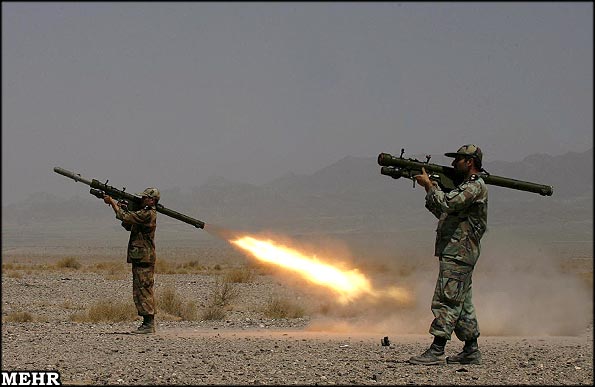
Considering the size of the missile that attacked the aircraft, one can assume it was precisely a missile from a man-portable air defense system. Such missiles typically have a small warhead of several kilograms, as well as an infrared seeker. Despite the missile exploding several meters from the aircraft, it's unlikely to have caused serious damage, but rather just damaged the fuselage with fragments.
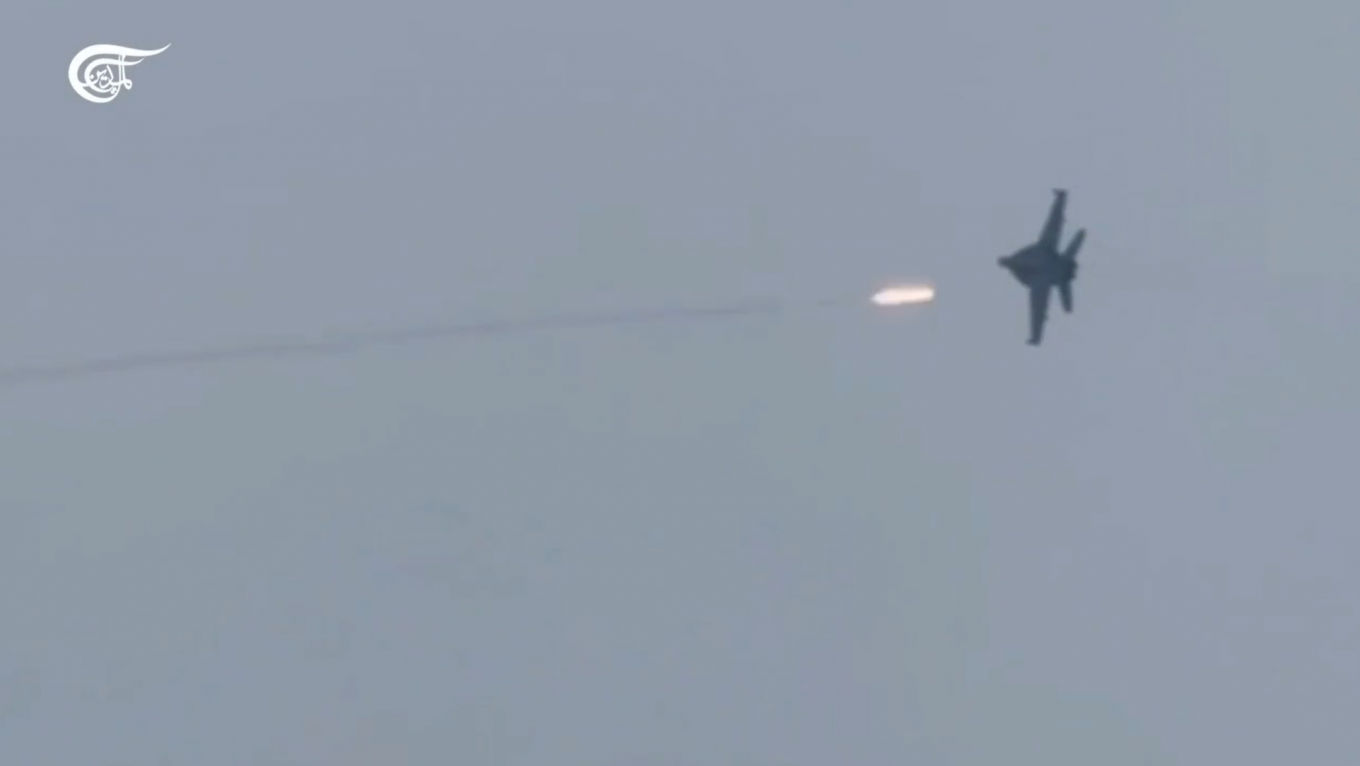
However, if the F/A-18 hadn't made a maneuver, the missile would likely have hit the aircraft directly, in the engine area. Then the consequences would have been much more serious, which could have even caused loss of this fighter.
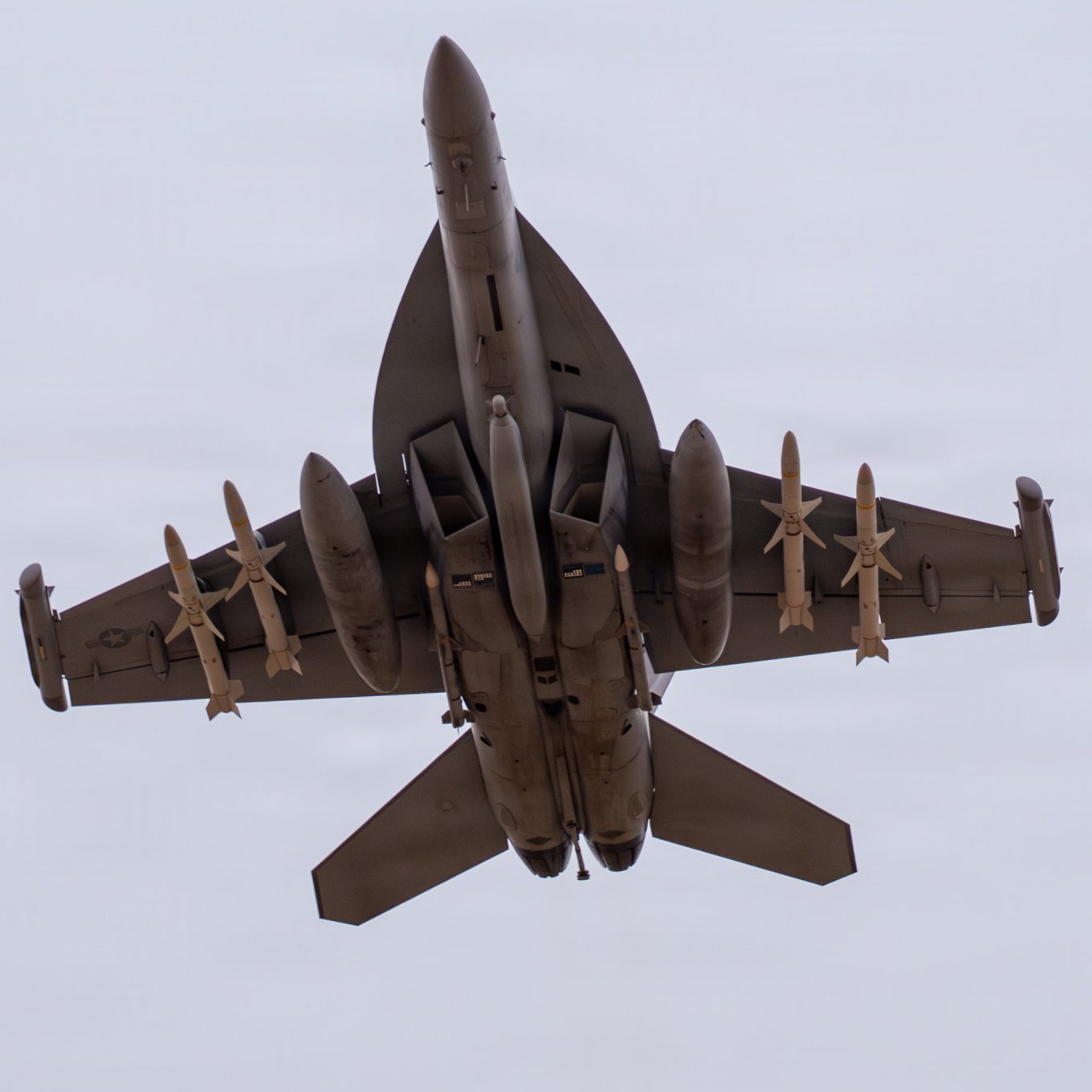
A question may arise: if the F/A-18 made a maneuver to evade the missile, why didn't it deploy flares to increase survival chances? The thing is, the pilot may not have even known about the missile launch.
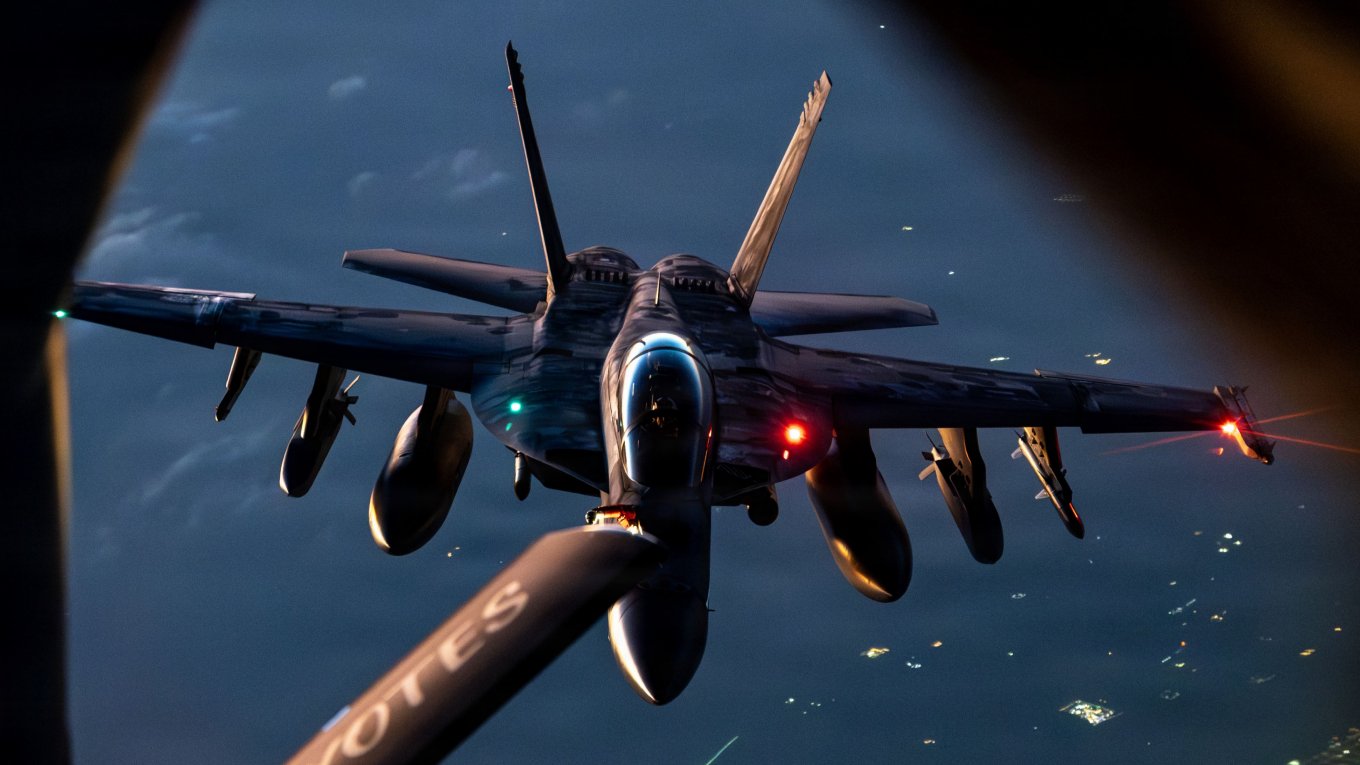
F/A-18E/F Super Hornets are not equipped with a missile launch detection system, only a radar warning receiver system, which in the case of MANPADS with infrared seeker is simply helpless.
What can be perceived as an attempt to evade the missile was rather an ordinary course change. Therefore, one can consider that the pilot was simply lucky to make the right move at the right moment, avoiding fatal consequences. Or he was warned by another pilot, wingman or lead, since fighters usually fly in pairs.
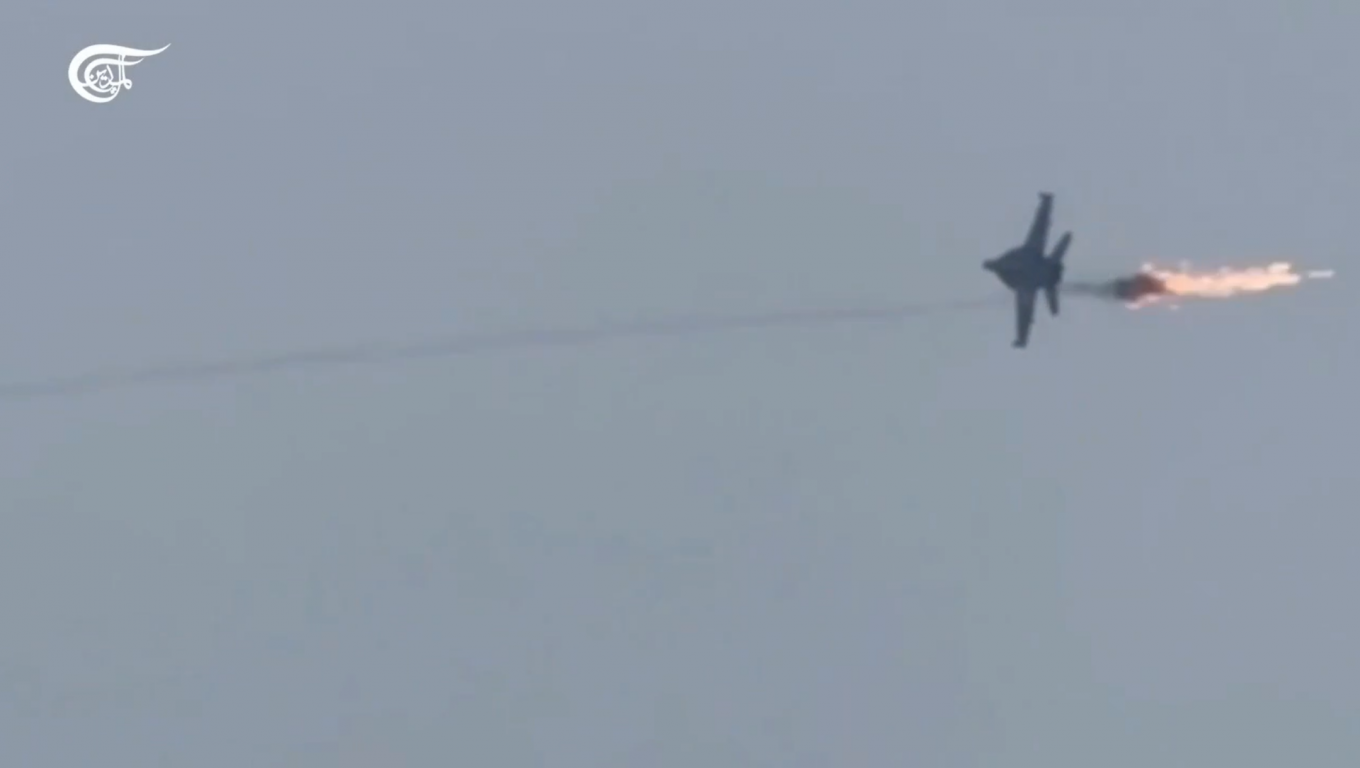
Another interesting moment in this video is that a few seconds before the missile's arrival, judging by the sound, the F/A-18 was trying to hit a certain target with its onboard 20mm cannon. Older videos from Operation Epic Fury can also be found online showing this fighter attacking some targets with its cannon at low altitudes.
This is quite strange, since the F/A-18E/F Super Hornet can carry a bunch of other weapons, while the cannon is backup armament for it.
Read more: Elbit Touts 100% American SIGMA With Local Supply Chains, 10x10 Chassis Holds 40 Rounds for M109 Replacement