


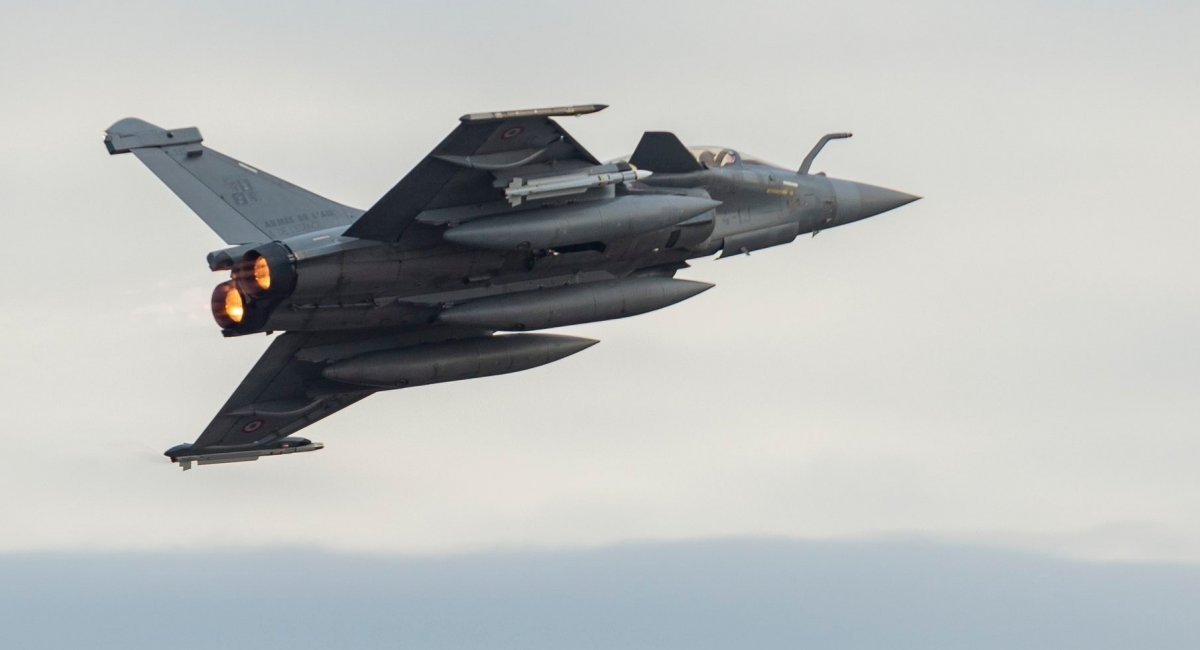
From the very beginning, France has been helping the United Arab Emirates repel Iranian attacks, fulfilling its defense commitments while also protecting its naval base in Abu Dhabi, which has already been targeted by Shahed drones.
Twelve Rafale fighter jets, based at the UAE Air Force's Al Dhafra Air Base, are being actively deployed to intercept Iranian long-range drones. The Air Defense and Air Operations Command reported that, since February 28, it has shot down several dozen Iranian drones and missiles.
Read more: F-35 Upgrade Problems Reach a Dead End, While Aircraft in the Middle East Still Fly with TR-2
In France, concerns are growing over the weapons used to shoot down Iranian Shaheds—specifically, MICA air-to-air missiles, whose stockpiles are rapidly dwindling. This issue is being widely discussed and has made headlines across major TV networks.
The key issue is not the limited production of MBDA's MICA missiles—which is already slated for expansion—but why a missile designed for 80 km radar-homing combat is being used against drones.
This situation is a warning sign for Ukraine, as plans to order 100 Rafale fighter jets in a single purchase could total 22.5 billion euros. Given the cost, it is logical to seek a system effective against the full spectrum of threats.
The key issue is that the Rafale lacks a cost-effective missile for engaging Shahed drones, even though the need was clear.
For instance, in the U.S., APKWS rockets have been integrated into fighter jets and A-10 attack aircraft for anti-drone operations. Thanks to APKWS, Ukraine can cost-effectively intercept Shaheds from F-16s. In the UK, these same rockets are being integrated into the Eurofighter Typhoon. As an alternative, Belgium has equipped its F-16AMs with similar, but European-made, FZ275 LGR missiles.
These examples did not prompt action in Paris, and there has been no indication that either BAE Systems' APKWS or Thales' FZ275 LGR will be integrated. In other words, time has simply been wasted. Integration of the FZ275 LGR into Rafale jets hinges on the French Ministry of Defense recognizing the need and commissioning the work, which, clearly, has not yet occurred.
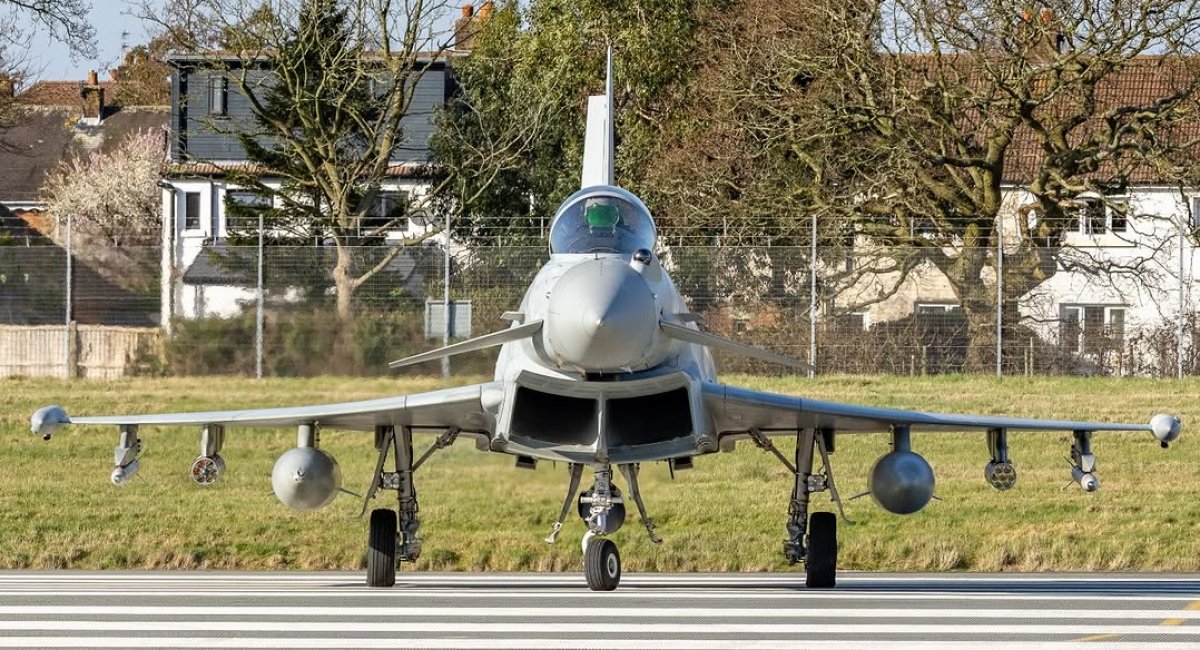
It is important to note that France maintains a strict policy for its fighter jets, allowing only French-made missiles. This has caused controversy with India, the largest foreign operator of Rafales, which cannot integrate its own weapons.
From the Defense Express side, we urges you to join a fundraising for what is already working: One United Fundraiser: Fundraising by the Serhiy Prytula Charity Foundation for interceptor drones.

Read more: UK Defense Intelligence: UK Downs Drones, Plans LMM Missile Purchases and Hosts Gulf Defense Talks