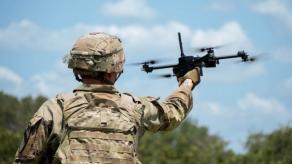
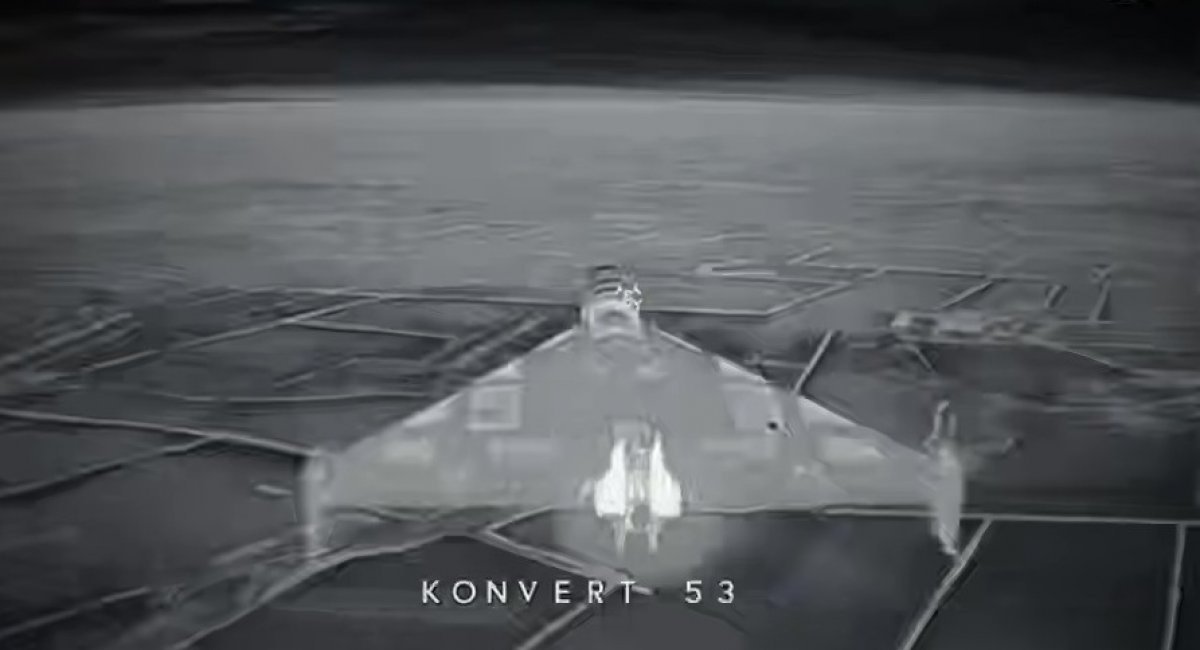
A detailed report by Army Media highlights combat duty of an interceptor drone crew from the Ukrainian Bulava drone unit of the Separate Presidential Brigade. The story features operators with the call signs Shustryi and Hulk. The latter reportedly destroyed 20 Shahed drones in a single day in late March. Overall, since November 2025, the Bulava unit has downed more than 200 drones, including 184 Shaheds.
The operators shared several noteworthy details about their work. In particular, to minimize risks to civilians, they use a target engagement principle similar to that employed by the MSE interceptor missile of the Patriot air defense system.
Read more: Ukrainian Wild Hornets Demonstrate 2,000 km Remote Drone Control with Hornet Vision Ctrl
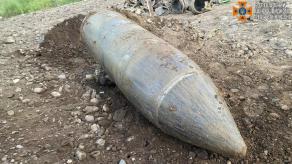
Rather than simply striking an enemy UAV, the operator aims to detonate the Shahed's warhead in midair by targeting it directly. As with the MSE missile, the goal is to neutralize the warhead before it reaches the ground. If the drone is only damaged, its warhead may still fall and detonate. Even an unexploded warhead remains a serious hazard for civilians and explosive ordnance disposal teams.
If a Shahed is destroyed midair and breaks apart, its debris, particularly the engine, still poses a risk due to falling from high altitude. Some interceptions take place at altitudes of several kilometers.
Operators from the Bulava unit also noted that cases where the enemy directly controls Shahed drones in an FPV-like mode are no longer uncommon. These long-range drones are equipped with rear-view cameras, allowing operators to detect approaching interceptor drones. Although the enemy attempts evasive maneuvers, Ukrainian interceptor drones, including the Sting used by the unit and developed by Wild Hornets, offer significantly superior maneuverability. The Sting is also capable of engaging jet-powered drones such as the Geran-3.
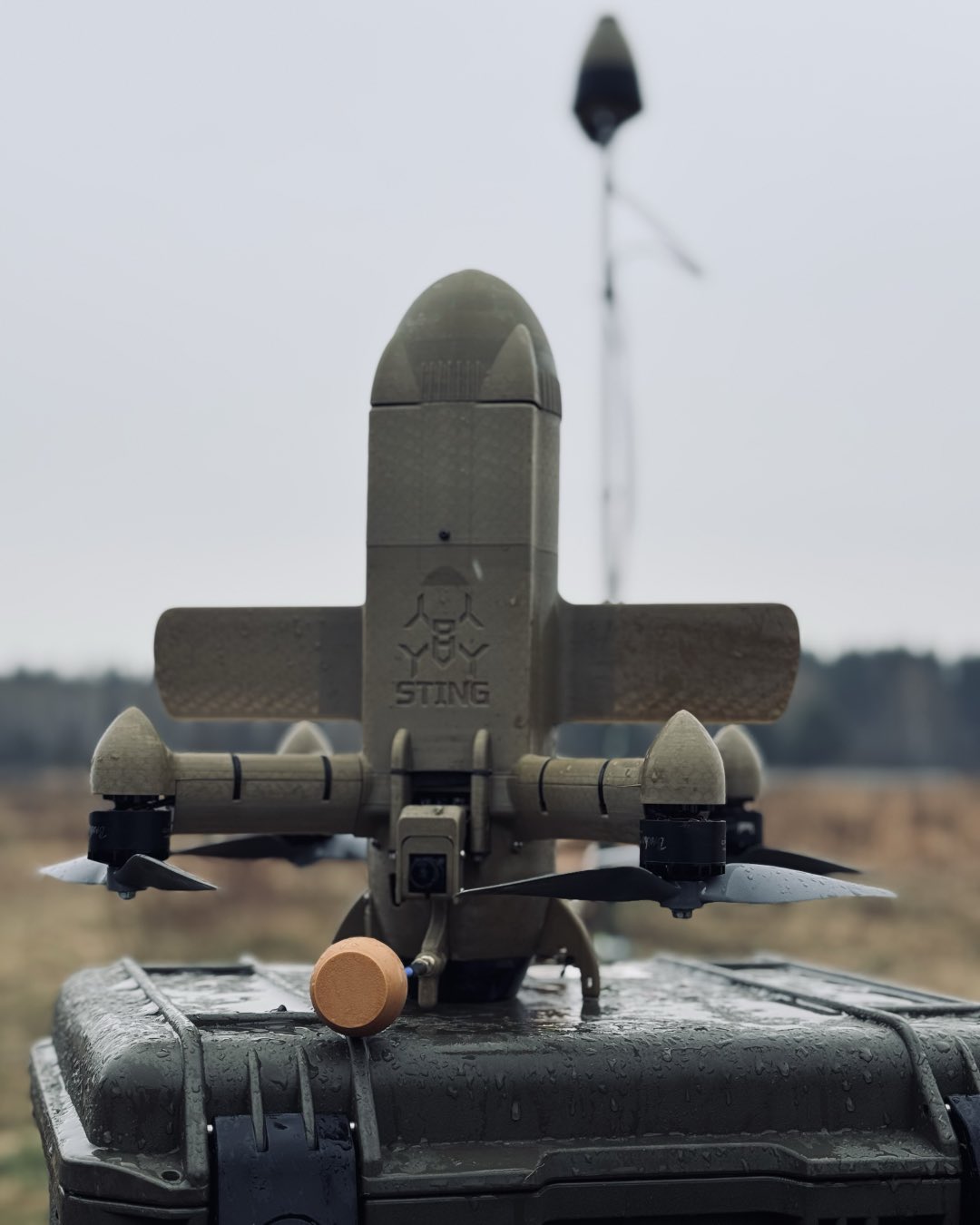
The operators rated the Sting's effectiveness very highly, even in extreme conditions. In one case, operations were conducted at ground temperatures of –30°C, with interceptions at an altitude of 3.2 km. Overall, the system's effectiveness was assessed at around 95%.
Another notable feature of interceptor drones is their reusability. If a target is not engaged, the operator can land the drone and use it again in a subsequent mission.
It is also worth noting that Wild Hornets continues to develop the Hornet Vision Ctrl system, which enables remote drone operation at distances of thousands of kilometers and opens up significant new operational possibilities.
Read more: Ukrainian Wild Hornets Workshop Reveals How Many russian Drones Downed by Sting Interceptors in Five Months