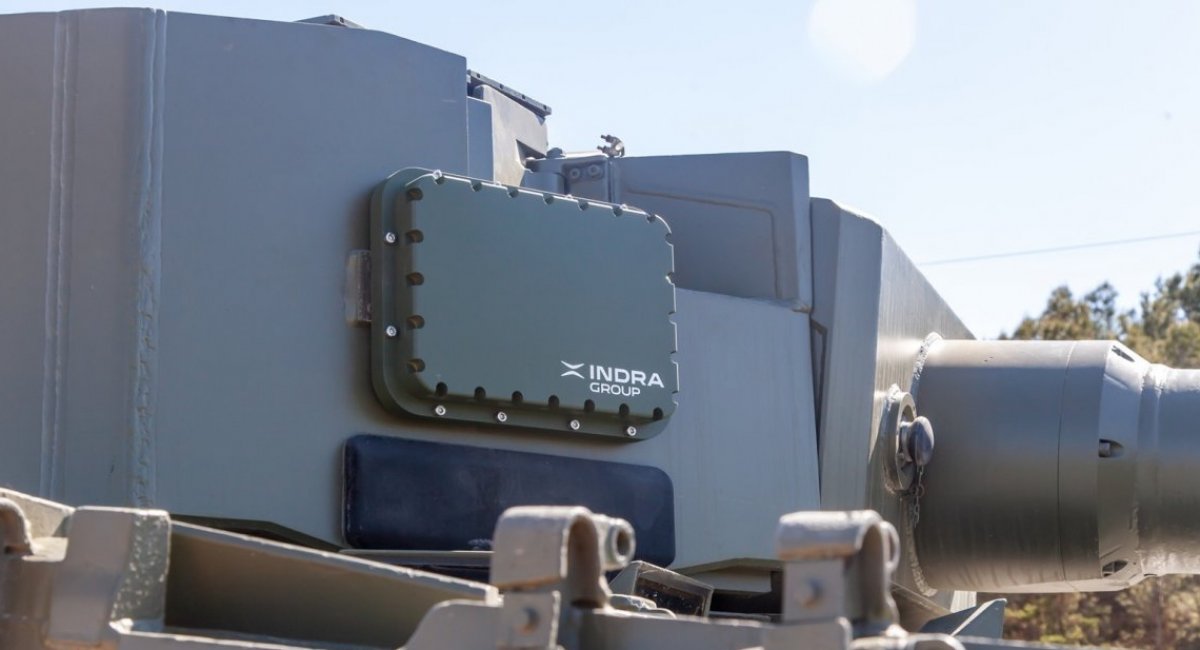
FPV drones today effectively represent greatest threat to tanks and armored vehicles on battlefield. To improve interception capabilities, Rheinmetall signed agreement on integrating Spanish Indra developments into its StrikeShield active protection system (APS).
According to Spanish developers' announcement, this involves NEMUS AESA radar equipped with active phased array antenna (AESA). It is noted that in recent years it was refined within both companies' cooperation, including range testing and firing.
Read more: Ukraine Hits Crimean Rail Bridges, Mariupol Fuel Depot, Drone Hubs and Confirms Moscow Refinery Strike
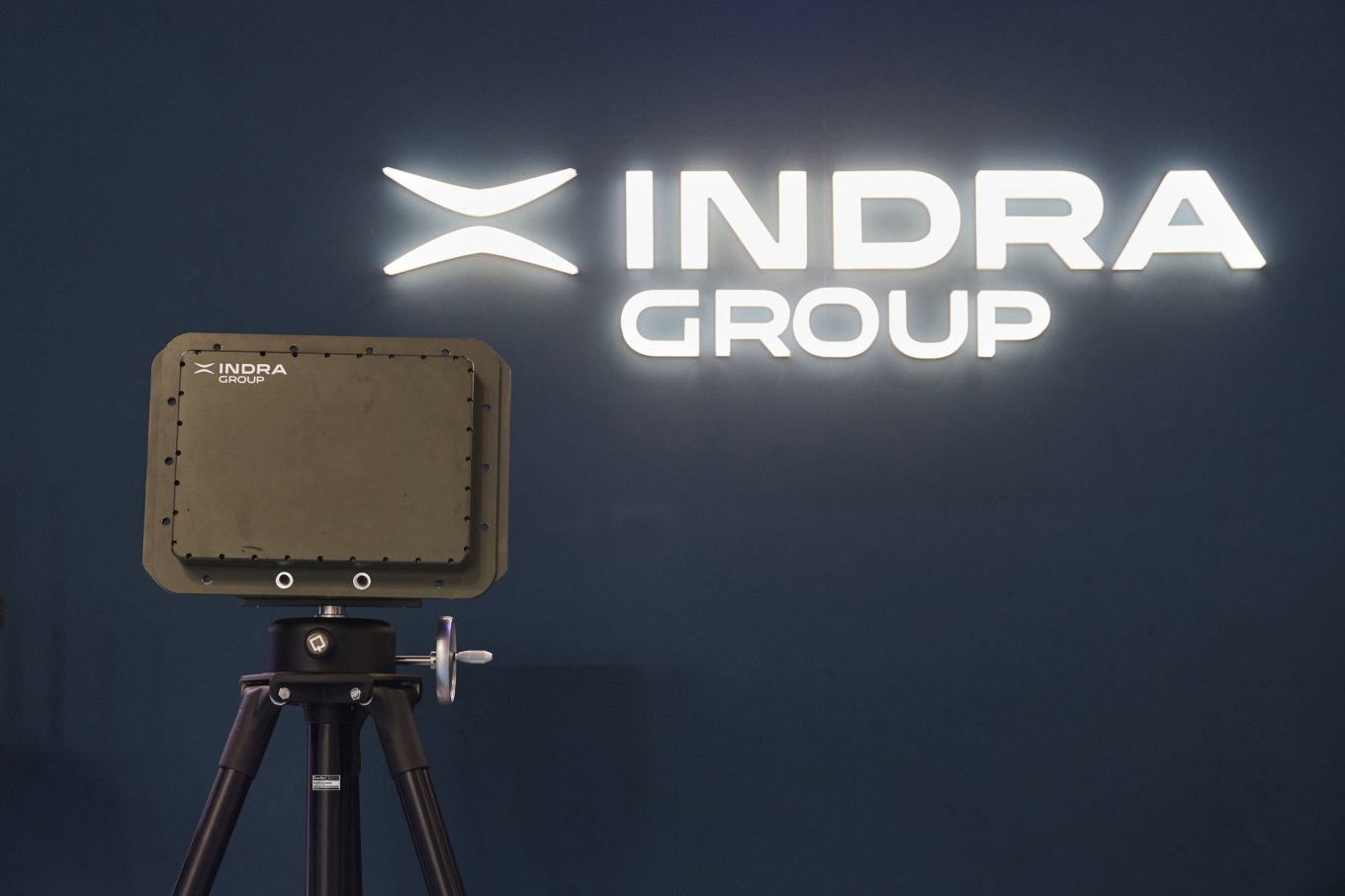
Indra claims their radar is unique among market analogs in being able using same equipment to detect very slow targets like drones moving at 10 m/s, as well as very fast ones moving faster than 2,000 m/s. The latter can include kinetic armor-piercing munitions.
This radar is offered for counter-drone systems, short-range air defense assets and reconnaissance complexes. Regarding APS, NEMUS family participates in EU armored vehicle development projects FAMOUS, MARTE and AURIGA, and will also be involved in creating next-generation DARTBRAKER APS.
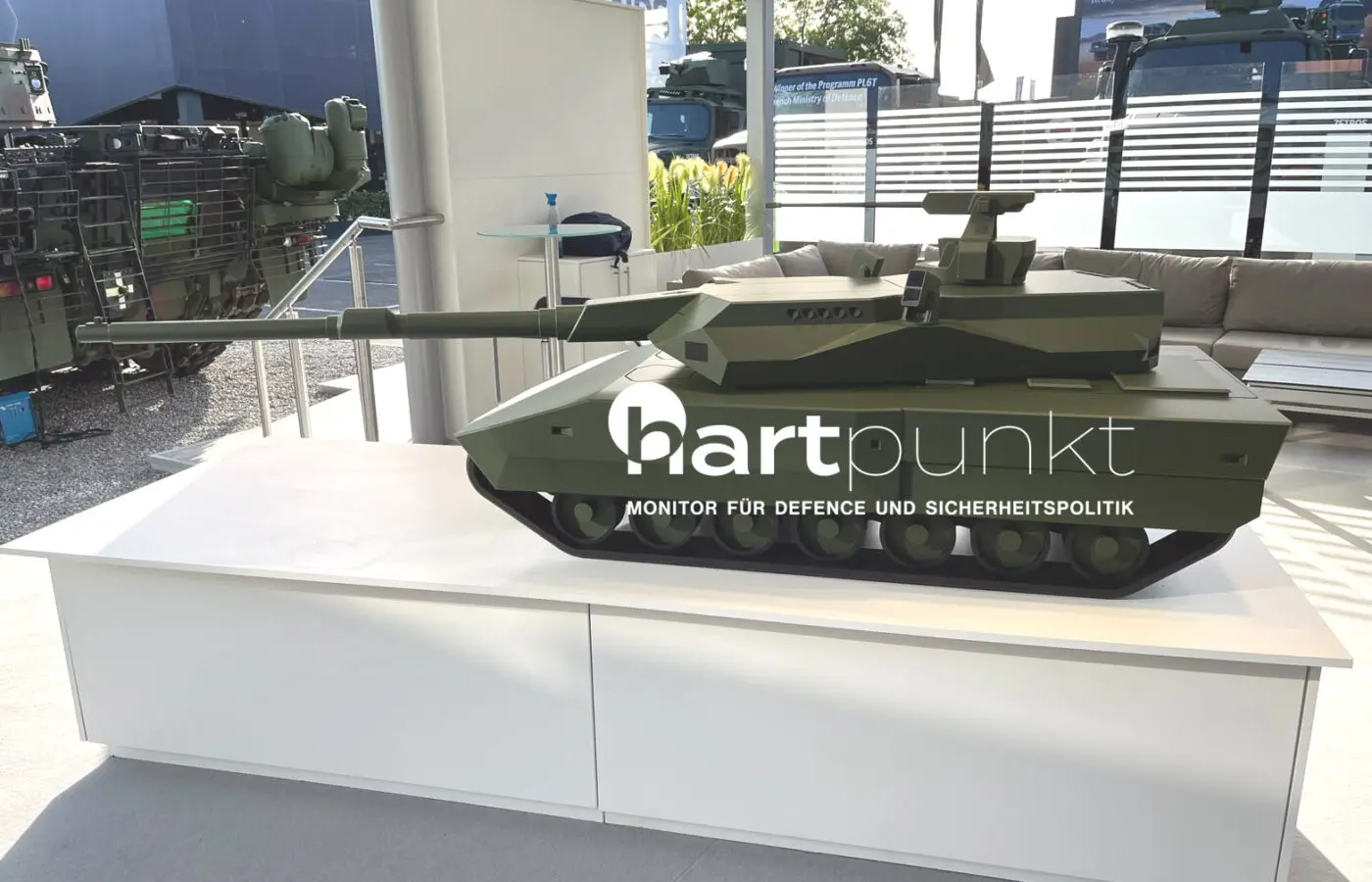
Defense Express notes APS since Cold War times developed as means for countering fast threats like rocket-propelled grenades, anti-tank guided missiles and kinetic munitions. As result, drone detection and interception problem arose, they are small, move quite slowly and along complex trajectory.
Using radar capable of simultaneously effectively working against targets at both extreme ranges can substantially simplify existing problem. However, so far all this is stated theoretically, with testing conducted only at range conditions.
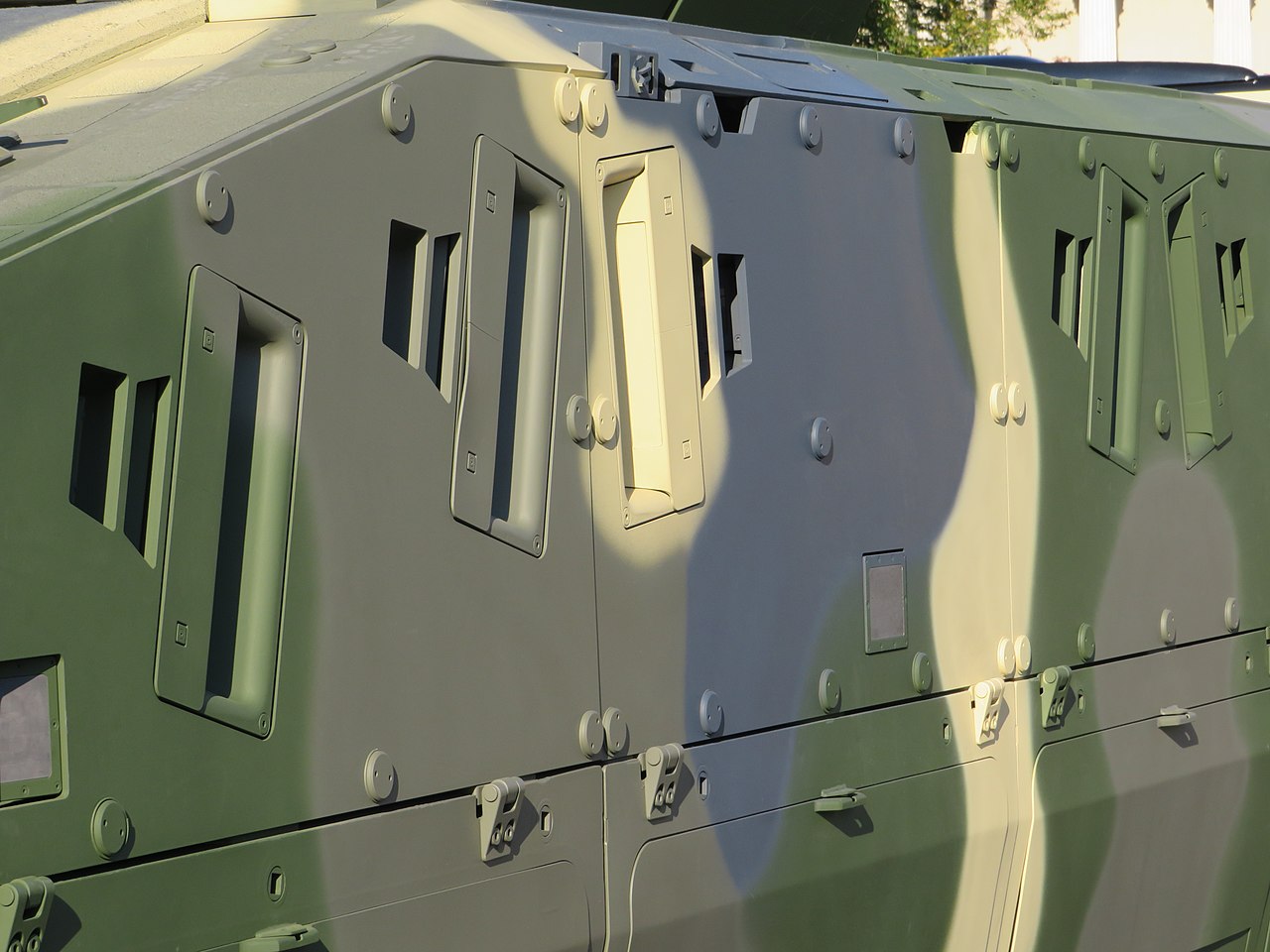
Therefore real effectiveness can only be verified on battlefield, like in russian-Ukrainian war. Theoretically this is possible, as StrikeShield can be included in Lynx IFV configuration ordered for Ukraine, but whether APS will actually be included in Defense Forces configuration is currently unknown.
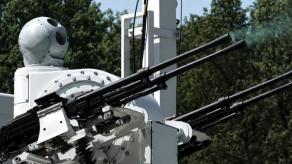
Also should not forget much depends on available countermeasures themselves, as not certain kinetic munition-optimized interceptors will be able to equally effectively combat UAVs. Therefore possibly turret and other alternatives will need to be added.
So far main mass APS application for drone countermeasures was Israeli combat operations in Lebanon. However, based on available public footage, systems are so far not coping with armored vehicle protection from unmanned systems.
Read more: Ground Strike and Air Defense From One Launcher: What HIMARS FLEX Upgrade Actually Changes