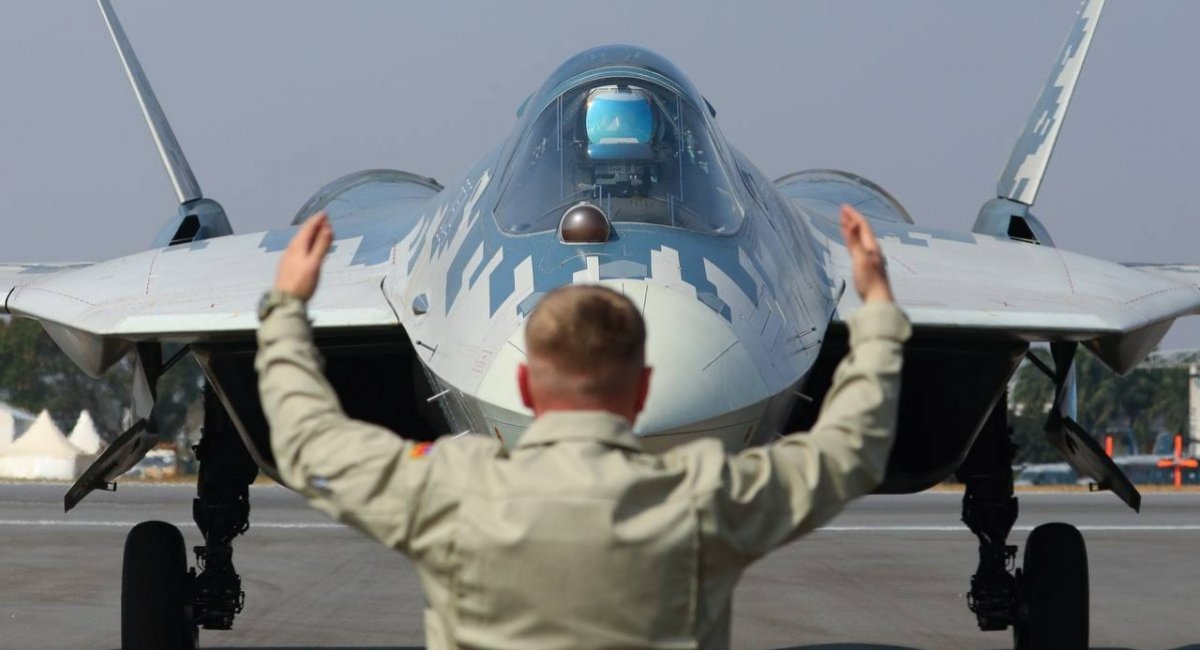
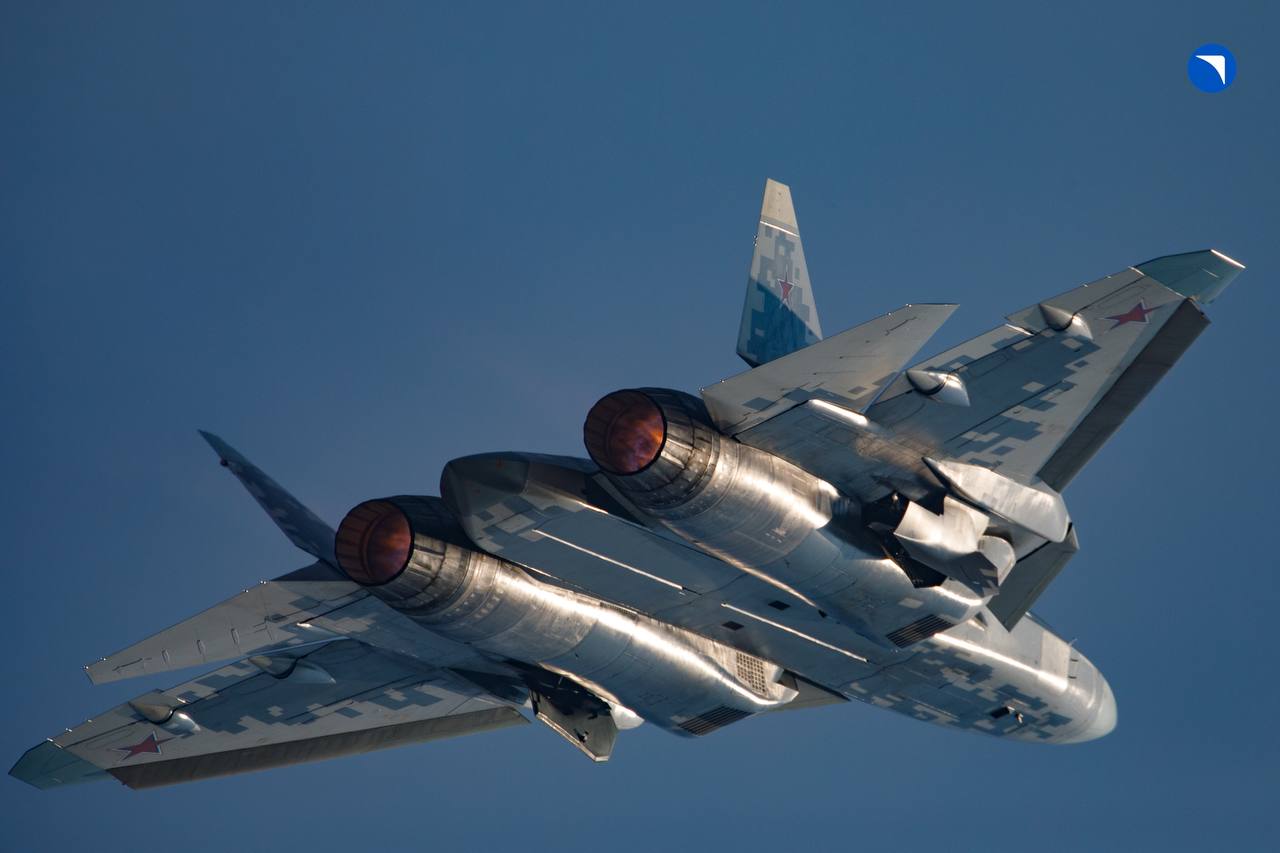
Back in 2024, Algeria became the first and so far only foreign customer of the russian Su-57 fighter jet. The country attempted to keep the purchase low profile and has not publicly showcased it. Only now has Washington reiterated that the acquisition of russian weapons may trigger sanctions under CAATSA (the Countering America’s Adversaries Through Sanctions Act).
The possibility of imposing sanctions on Algeria was raised, albeit without specific details, by Robert J. Palladino, Head of the U.S. Department of State Bureau of Near Eastern Affairs, during a hearing before the Senate Foreign Relations Committee.
Read more: Leaked Data Reveals russian Su-57, Su-35, and Su-34 Jet Orders by Iran, Algeria, and Ethiopia
"We will use the diplomatic tools at our disposal to protect our interests and counter what we consider unacceptable," he stated in the context of Algeria's Su-57 contract.
At the same time, it should be taken into account that Algeria is one of the most active operators of russian-made weapons. Its inventory includes more than 600 T-90 tanks, over 700 BMP-2M infantry fighting vehicles, Iskander tactical missile systems, and the bulk of its air defense network based on russian systems, including S-300, as well as newer Pantsir and Buk-M2 systems. Its combat aviation fleet is also entirely russian-made and comprises over 30 MiG-29 fighters, around 60 Su-30MKA aircraft, roughly 40 Mi-28 attack helicopters, and numerous other platforms.
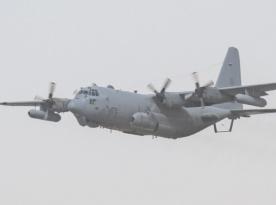
Against this backdrop, Algeria's dependence on U.S.-supplied military equipment is minimal and limited to just 14 C-130H Hercules transport aircraft and several Bell 412 light helicopters. As a result, there is a perception that CAATSA sanctions would have little practical impact on the country.
However, CAATSA includes measures that go far beyond an embargo on U.S. weapons sales. These include restrictions on access to credit not only from the United States but also from international financial institutions where Washington holds voting power, limitations on banking operations and transactions in U.S. dollars, bans on attracting U.S. investments, the effective freezing of assets in the United States, and a range of personal sanctions against officials.
It is also important to remember that the United States has another powerful tool at its disposal, ITAR (International Traffic in Arms Regulations). This framework allows Washington to block the export of any weapons containing U.S.-origin components to third countries. As a result, even Algeria's potential attempts to purchase Western-approved weapons, for example from European manufacturers or South Korea, could be blocked through this mechanism.
While none of these sanction instruments, individually or even in combination, would be critical for Algeria, their implementation would still have tangible consequences for any country placed on a "blacklist." Moreover, CAATSA sanctions remain in force until the underlying violation is resolved, making them a long-term constraint rather than a temporary measure.
Türkiye serves as a clear example. Ankara has still not been allowed to return to the F-35 program unless it disposes of its russian-made S-400 systems. At the same time, other defense contracts, including those related to the F-16, have been offered to Türkiye at extremely inflated prices. As a result, Ankara paid USD 7.2 billion to the United Kingdom for 20 Eurofighter Typhoon jets along with their weapons, largely because there were no viable alternatives. This situation stemmed directly from Türkiye's 2017 purchase of four S-400 divisions from russia for USD 2.5 billion.
Read more: Algeria to Receive First Su-34 Fighter Bomber From russia After Six-Year Wait