


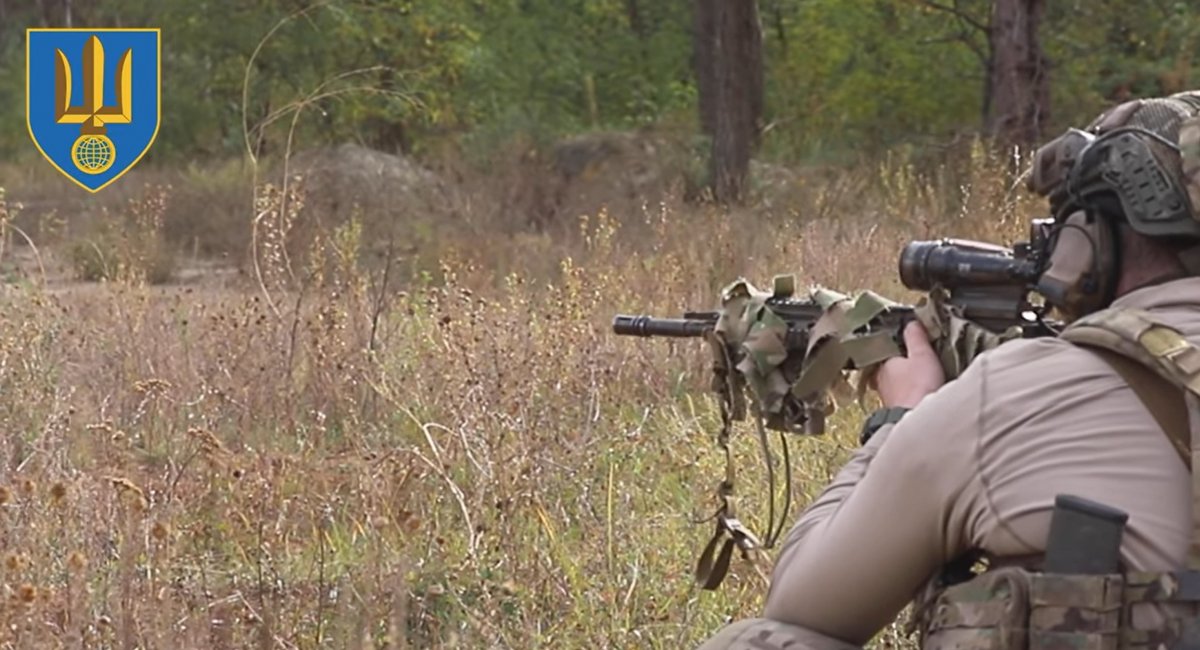
Before arriving in Ukraine, Soguer spent a decade in Colombia’s armed forces, nine years as a professional soldier.
As the russia-Ukraine war unfolded, he felt a growing certainty that he could not remain a bystander. He requested his discharge, left his homeland, and traveled across the ocean to stand shoulder to shoulder with Ukrainians resisting the russian aggression.
Read more: Story On How French Volunteer Turned Special Recon Unit Commander In International Unit of Ukraine`s Defense Forces
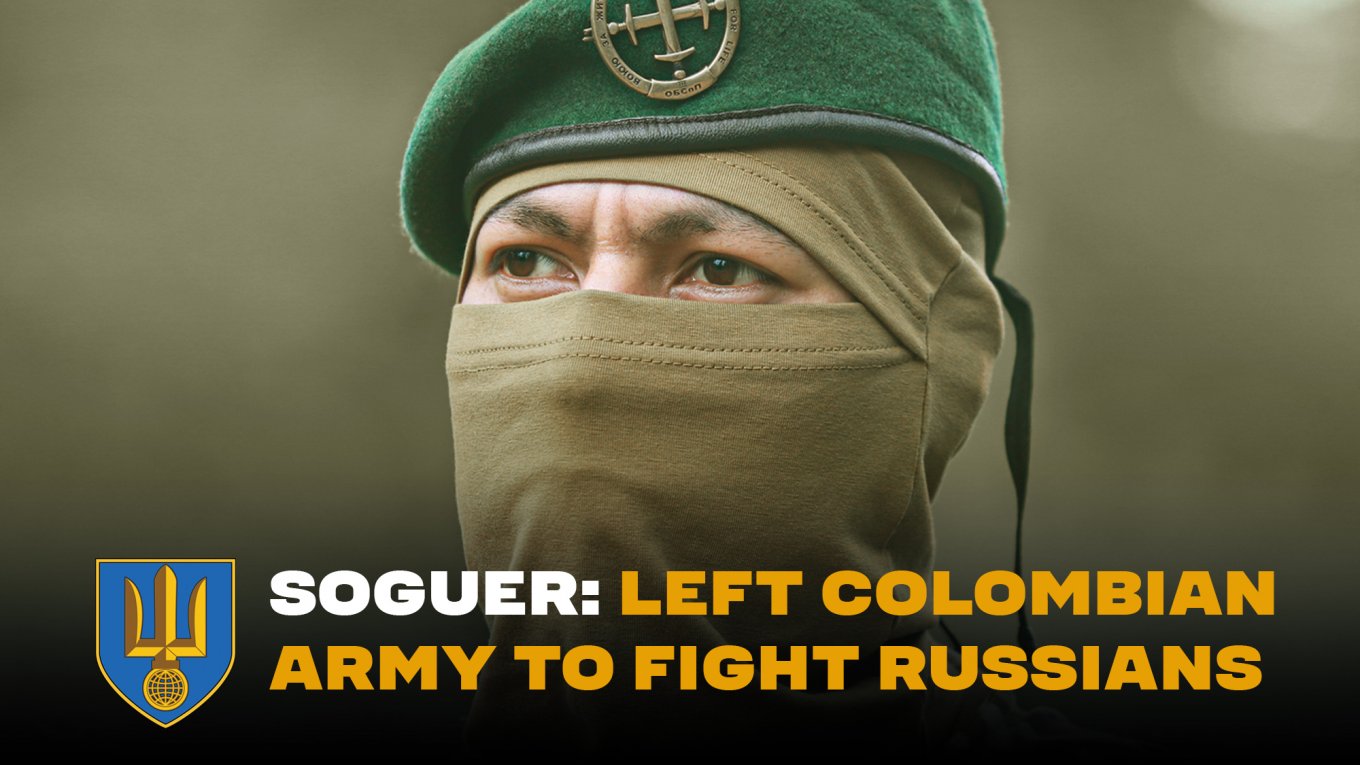
To many observers, the russia-Ukraine war feels like the opening chapter of a new military era – a conflict where buzzing drones often decide outcomes long before soldiers see one another. Professional curiosity was among the motivations that brought Soguer to Ukraine. He wanted firsthand experience of this evolving battlefield reality:
“In Colombia, the war is totally different. It’s nothing like what you experience here. Back home, it’s mostly infantry – close combat, face-to-face with the enemy. Here you fight not only infantry and tanks, but also drones and artillery. So many drones and so much artillery. We have some of that in Colombia, but nowhere near this scale. That’s what caught my attention – to come and experience it for myself. And now I’m living that experience.”
Even as warfare grows increasingly complex, the infantryman’s objective remains starkly simple. It is always a matter of survival – yours or the enemy’s:
“When the russian infantry advances, they do it with overwhelming force. They try to sweep away everything in front of them. Their intention is to destroy whatever lies in their path. So we respond with fire. If we can hold the position, we hold it to the very last moment. If not, we withdraw in a controlled and safe manner.”
When we met, Soguer had spent roughly nine months in Ukraine. In that span, he had taken part in numerous missions, but one remains carved into his memory like a scar – his first true baptism of fire, the moment he lost two brothers-in-arms and nearly lost himself:
“I was wounded, too. I still don’t understand how I made it out alive. I was shot in the face and in the leg – but I’m here, and I’m still willing to fight.”
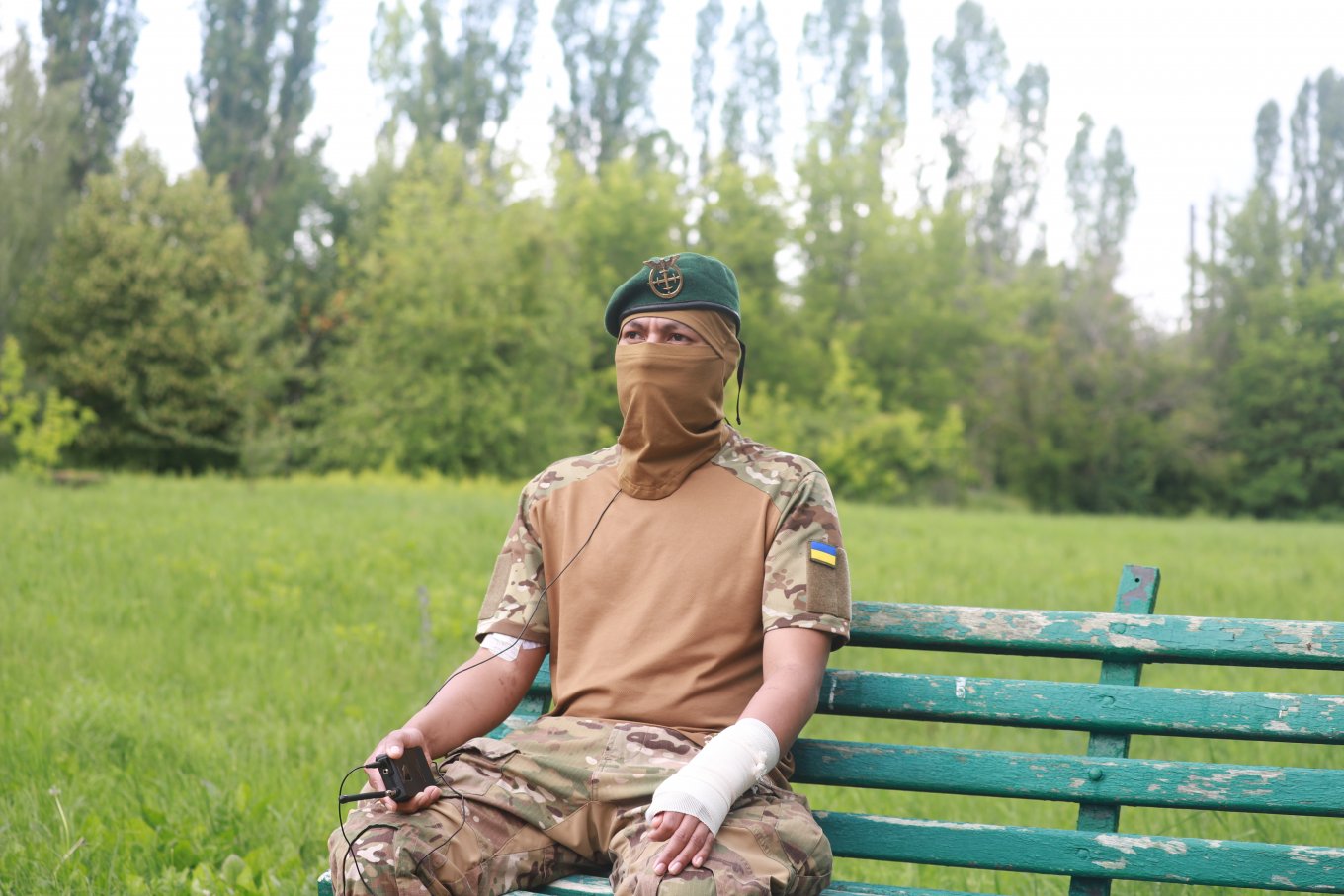
Wounds change a soldier. They may weaken the body, but they can also sharpen the will. Pain can become a teacher. Soguer endured those hardships and drew several essential lessons from them:
“It taught me to trust myself – to believe that it really is possible to survive. There are moments when you think, ‘This is it. This is the day I die.’ But when you trust yourself and walk with God, you can make it through. Here I am – alive with my brothers. A few wounds, but we’re standing and ready to keep fighting.”
At the time we recorded the interview, Soger carried fresh bandages – marks of his second wound in this war. Fortunately, he and his fellow soldiers made it out alive, but the memory of that clash still burned:
“They attacked us with everything – tanks, artillery, drones – trying to break our line. We didn’t give it up. For four days, we endured, and by the fourth day, they had completely worn us down. Then they launched a major infantry assault while intensifying drone and artillery strikes. We began to withdraw, and during the retreat, enemy drones spotted us – FPVs, grenade droppers – as well as artillery. That’s when I was hit in both arms.”
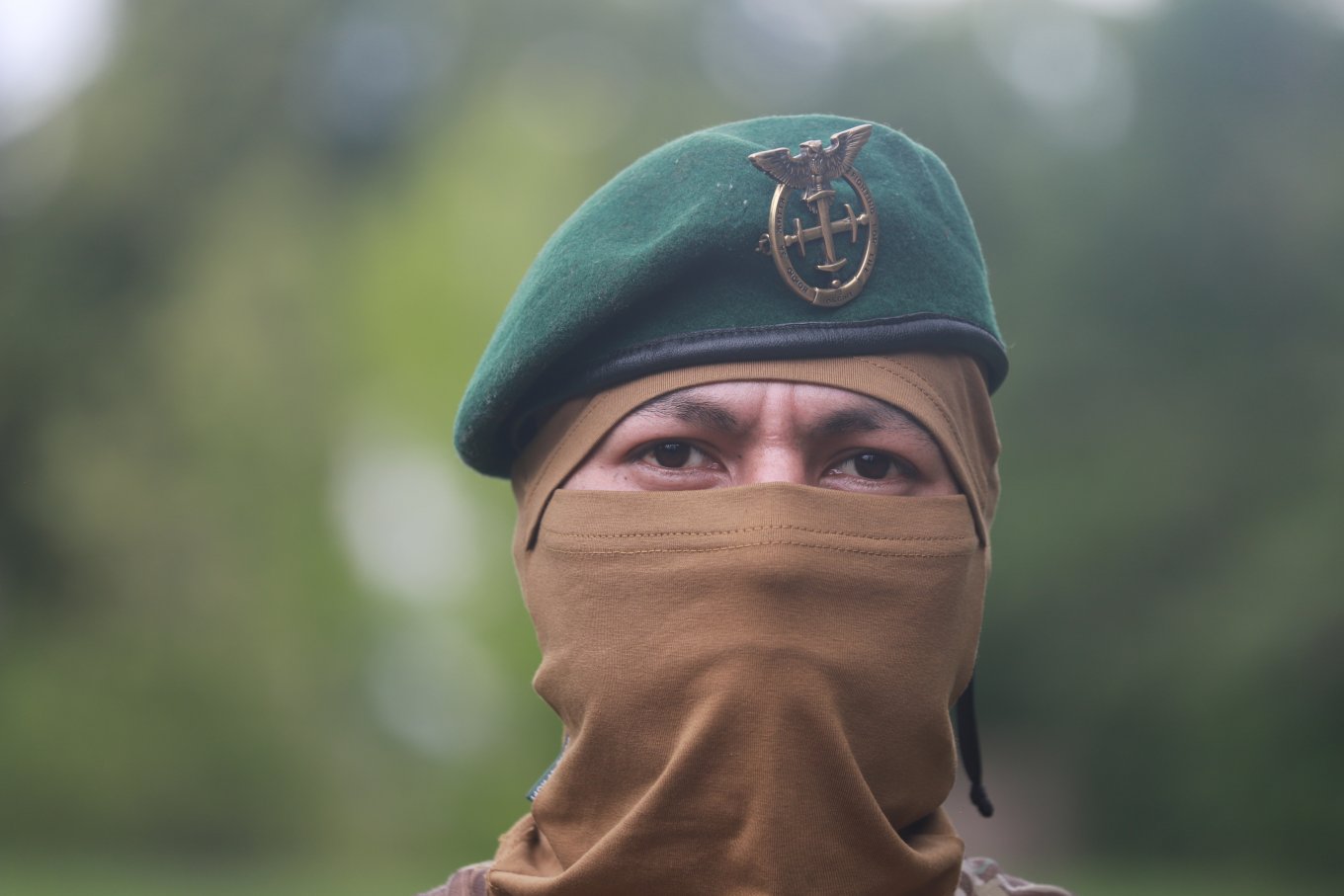
Soguer was not trained in Colombia for the kind of warfare he would later encounter in Ukraine. Yet he proved to be a fast learner. Rather than retreating from the unfamiliar, he adapted, refined his skills, and survived situations that nearly cost him his life. The lessons he now carries are written not in manuals, but in scars – lessons he hopes will guide those who may follow the same path:
“When the enemy is advancing, don’t let fear take over. Many people panic and think it’s their last moment. You have to stay calm and wait – wait and think with a cold head, knowing what move you’re going to make. Decide fast – you have only seconds at the front. Even if you’re not sure it’s right, you face it and move forward. That mindset is what kept me alive.”
War does not forgive improvisation. Choosing to fight for Ukraine is a decision that must be made with clarity and discipline long before stepping onto the battlefield. Experience helps, but it is not enough. Even seasoned soldiers must relearn how to move, think, and react under the unique pressures of this war – as Soguer quickly discovered from day one in Ukraine:
“I was lucky to have good instructors. They taught us to work in small groups, to move as stealthily as possible, not to blink while firing, not to let our fingers shake when facing the enemy, and how to fight effectively in forests and trenches. It was intense training – physically exhausting and mentally demanding. But that’s what matters most.”
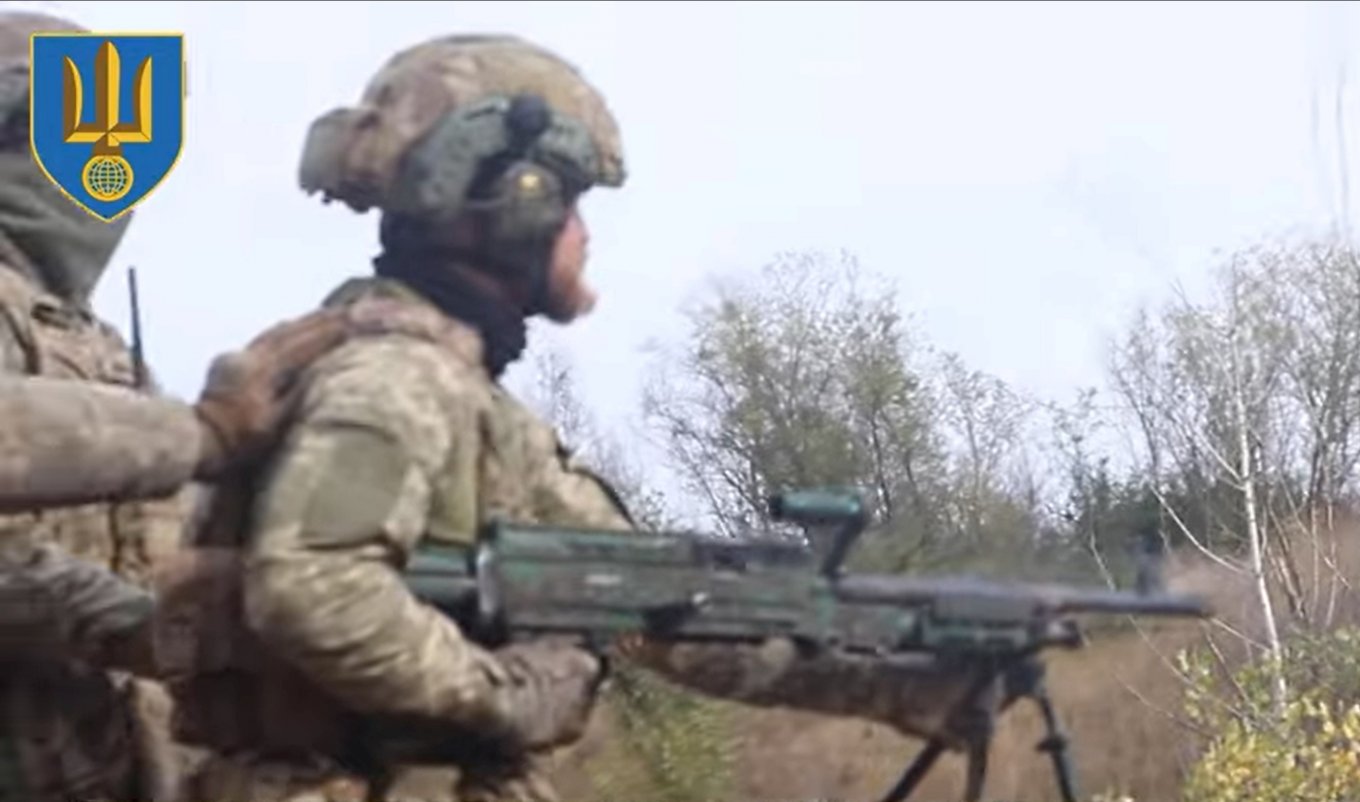
Beyond tactics and training, what stands out most to Soguer is the people he serves alongside. He speaks of Ukrainian soldiers not merely as allies, but as a source of inspiration – individuals whose resilience and determination redefine endurance on the battlefield:
“Wearing the Ukrainian uniform is an honor for me. And seeing others wear it is an honor, too. The time I’ve spent here hasn’t been easy for me, and I believe it hasn’t been easy for them either. But Ukrainians have my respect. They are true warriors. I’ve seen them fight until the very last moment. When you feel you can’t go on, they keep fighting. That’s what motivates you to keep going in combat.”
While the war shapes his present, Soguer’s thoughts often drift to a quieter future – fields instead of trenches, harvests instead of missions. Ukraine, for him, represents not only a cause worth fighting for but also a place where he hopes to put down roots one day. The warmth he feels from local communities and the shared appreciation for rural life echo the environment he grew up in, turning a foreign country into something deeply personal:
“Ukrainians are very good people. Very polite. They value what we do. Wherever I’ve been – even in hospitals – they’ve welcomed me warmly. I feel at home here. I’d like to live here. I love the countryside. After the war, I’d like to stay here and have a house and a farm. That’s what drives me to keep fighting for them. Until the end of the war – or the end of my days – I’ll stay here helping them.”
However, the war hasn’t ended yet. Even while recovering, Soguer’s focus remains on the front line. His mind is already back in the field – with his team, under open skies, where every decision matters and every step is shared. Brotherhood, more than anything, is what calls him back:
“My plan is to continue – to keep fighting. I want to return to my unit and stand beside my team again. That’s what I miss the most right now.”
Learn more about the Legionnaires of the Free World – and how to join the brave – on the official website.
Text: Dmytro Tolkachov
Photo, video, editing: Volodymyr Patola
Read more: International Units of Ukraine`s Defense Forces Turn russian Positions Into Nightmares with Darts UAVs