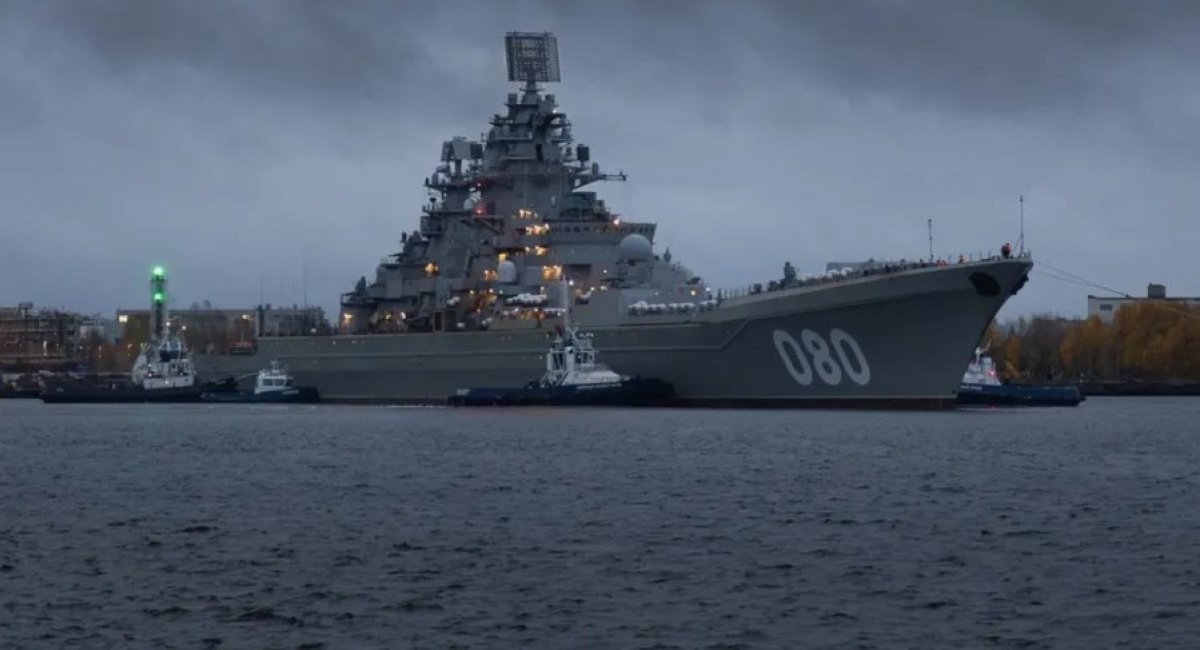
The russian Admiral Nakhimov nuclear-powered cruiser, classified as Project 1144 Orlan, known in the West as Kirov-class has completed the first phase of sea trials, according to russian officials. The trials began this summer, following an overhaul that started back in 1997, when the ship was sent for repairs — a process that gradually evolved into a full-scale modernization program whose completion dates were repeatedly postponed.
More than $5 billion was reportedly spent upgrading the Soviet-era vessel. The refit included the installation of 80 universal vertical launch cells capable of firing Kalibr cruise missiles, Oniks anti-ship missiles, and Zircon hypersonic missiles, along with numerous additional system upgrades.
Read more: Despite $5 Billion Investments, russian Admiral Nakhimov Nuclear Cruiser Still Cannot Escape Perpetual Repairs
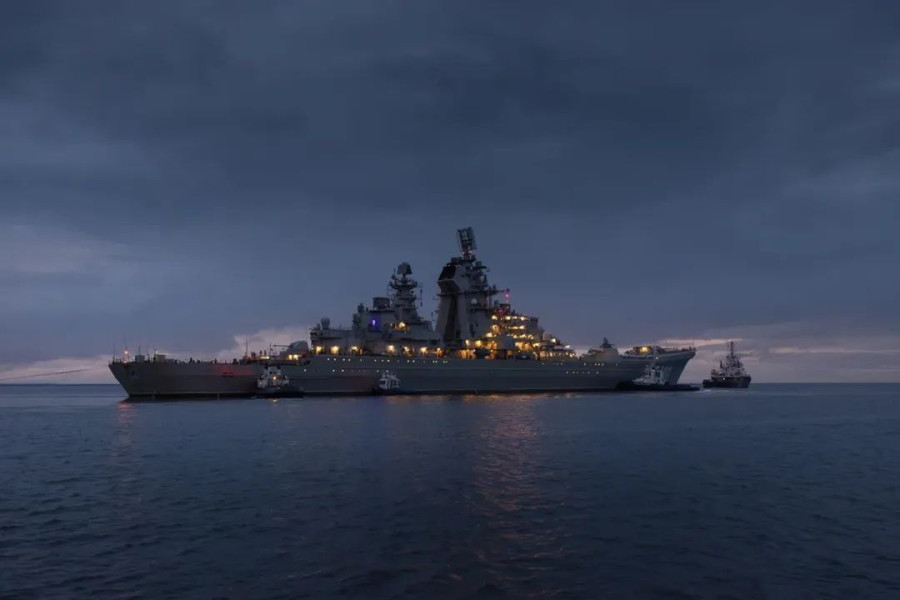
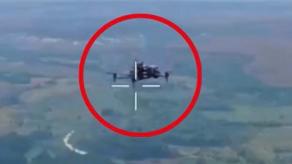
However, nearly two decades of work and enormous financial resources may ultimately prove to have been spent in vain. Ukraine has opened an entirely new chapter in naval warfare through the extensive use of surface, underwater, and aerial drones. This argument is presented in detail by respected naval analyst H.I. Sutton in a recent article for Navy News.
Sutton notes that even before the widespread emergence of naval drones, concentrating such immense firepower in a single hull had already raised serious questions. Today, the concept appears even more questionable. The issue is no longer whether drones can sink or disable such a ship, but whether investing such vast resources into a single platform represents an efficient use of resources.
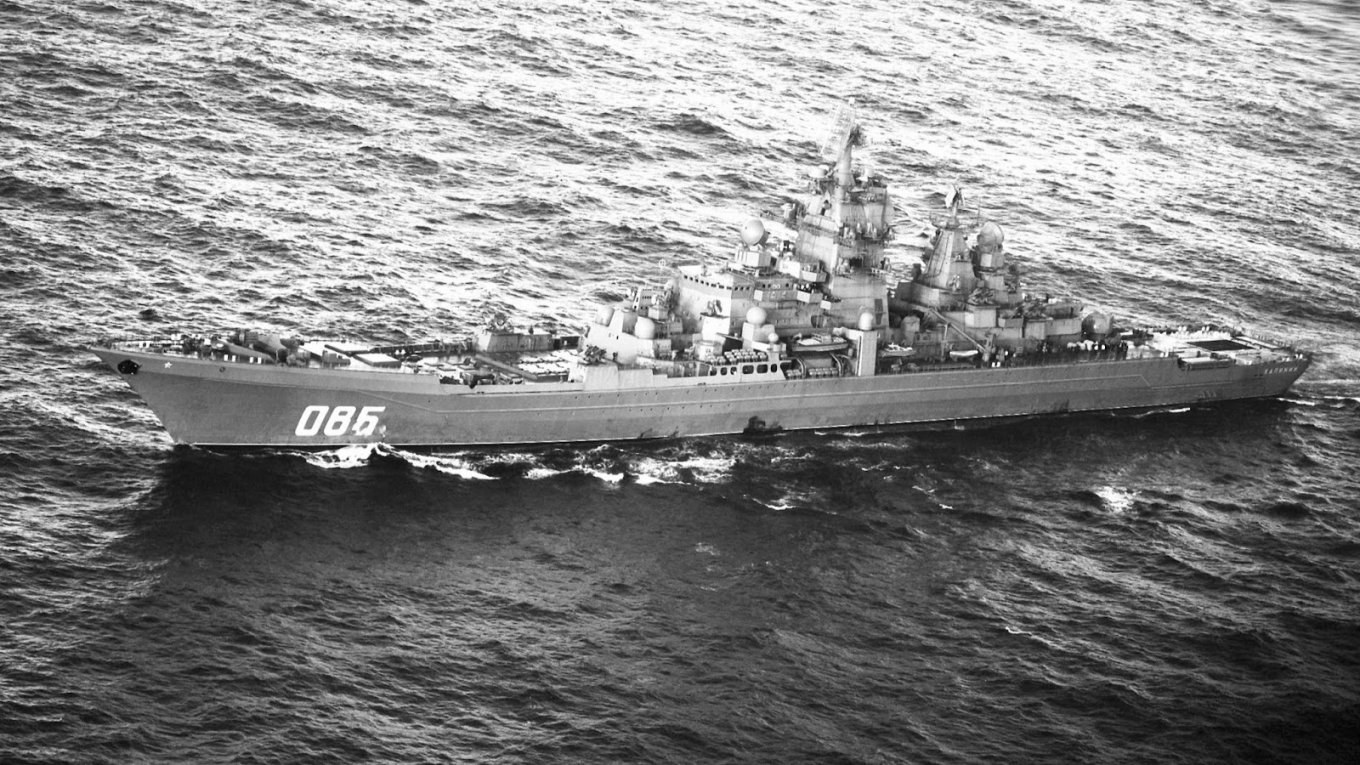
The key factor is Ukraine’s demonstrated ability to use relatively inexpensive, mass-produced drones to effectively blockade enemy ships in their own bases. Against a high-value target such as Admiral Nakhimov, allocating large numbers of low-cost unmanned systems would be both militarily and economically justified.
As Sutton rightly observes, even russian military bloggers would find little comfort in reporting dozens of Ukrainian drones destroyed if just one manages to break through and achieve strategic impact.
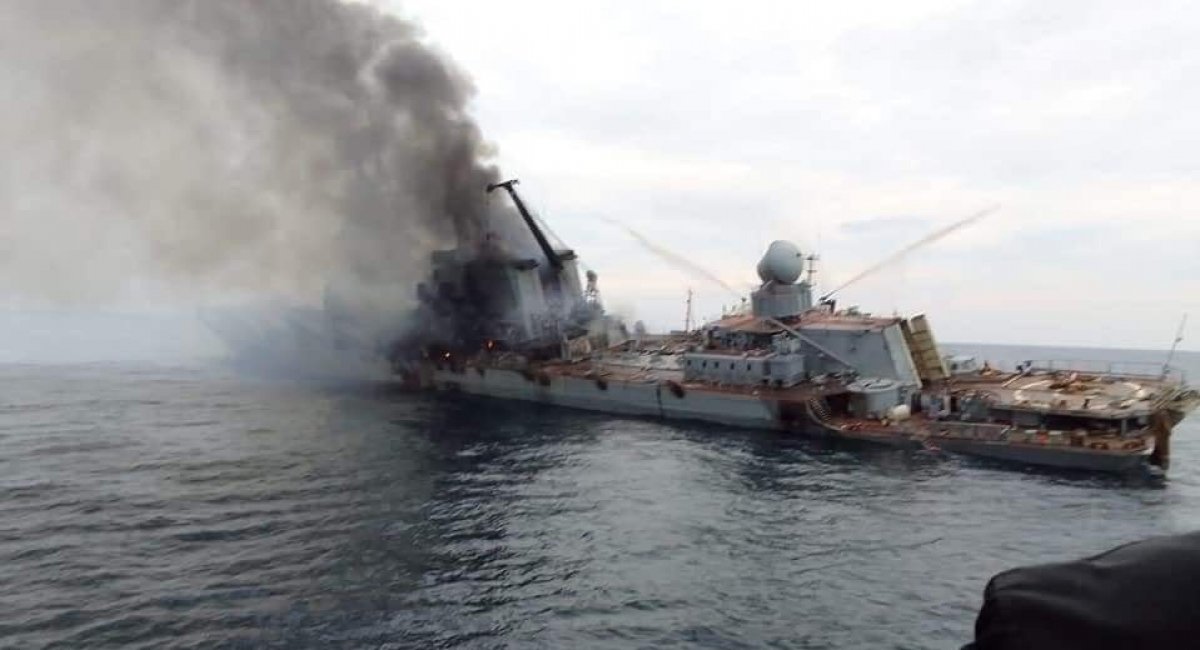
He further argues that, in light of the loss of the Moskva missile cruiser, the funds allocated to equipping Admiral Nakhimov with new long-range air defense systems and cruise missiles might have been better invested in improved damage control and survivability systems.
The modernization program, Sutton suggests, bears all the hallmarks of a prestige-driven project, where visual symbolism is valued no less than actual combat effectiveness. Ultimately, the nuclear-powered cruiser may serve primarily as a tool for demonstration, flag-showing missions, and participation in naval parades rather than as a decisive instrument of modern naval warfare.
In conclusion, Sutton draws a parallel with proposed U.S. missile battleship concepts projected to cost more than aircraft carriers. Defense Express has previously expressed a similar assessment, noting that such large-surface combatant concepts increasingly appear detached from the realities of modern warfare.
Read more: After 25 Years of Stalemate, Admiral Nakhimov Battlecruiser's Modernization Finally Poised to Finish?