


With a defense budget of approximately $2.4 billion this year (over 5% of GDP), Estonia is taking a pragmatic approach to defense spending. Recently, Minister of Defence Hanno Pevkur announced the decision to suspend a planned armored vehicle procurement program and redirect €500 million to other priorities.
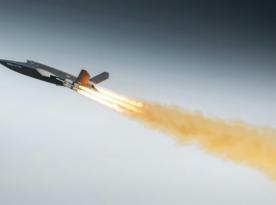
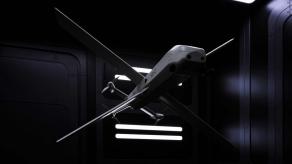
According to ERR, the reallocated funds will be used to strengthen air defense capabilities and finance the procurement of unmanned aerial vehicles. The goal is to improve situational awareness and expand the use of unmanned systems, likely including ground robotic platforms.
Read more: Sweden to Build €300 Million Ammunition Factory in Estonia, Just 80 km From russian Border
Pevkur stated that the decision to pause the armored vehicle program was based on three factors: lessons learned from Ukraine, current market conditions, and recommendations from the military.
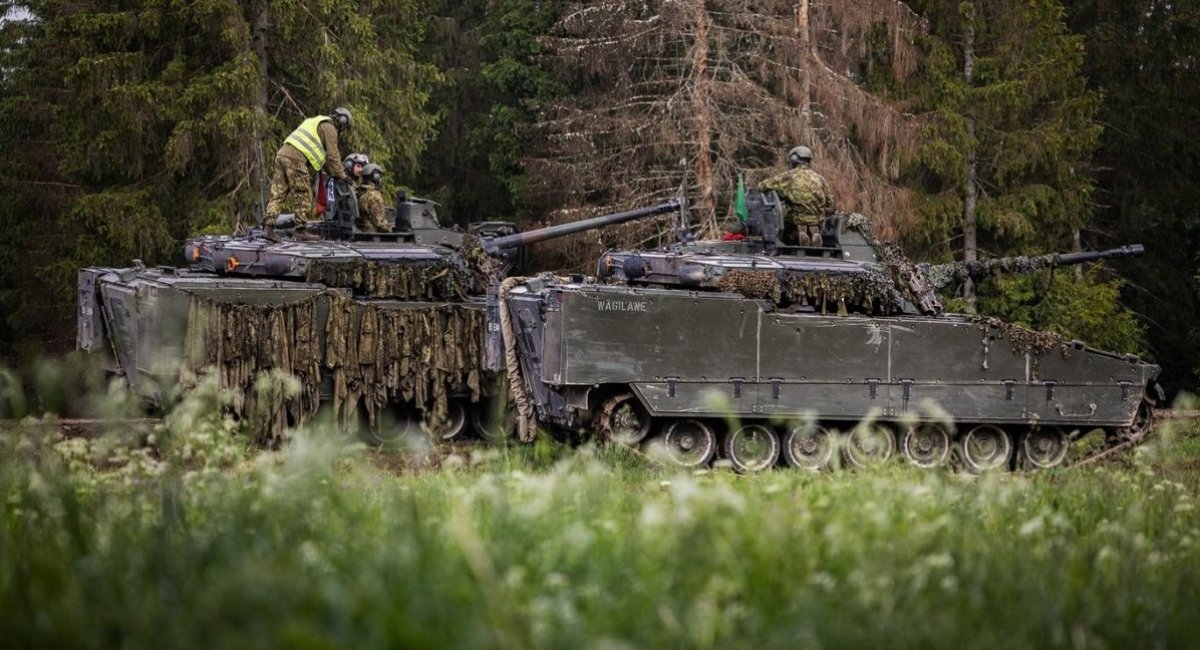
It appears that Estonia has, at least for now, decided to step away from acquiring additional CV90 infantry fighting vehicles, which were expected to be delivered in 2029–2030.
Previously, six European countries, Finland, Sweden, Norway, Lithuania, Estonia, and the Netherlands, agreed to pursue a joint procurement of CV90 IFVs, with firm contracts expected in June this year. Estonia is now effectively stepping back from the deal just months before its anticipated conclusion.
At present, Estonia already operates 44 CV9035EE infantry fighting vehicles. According to Pevkur, based on advice from the commander of the armed forces, the focus will shift to extending the service life of these vehicles by another 10 years. This approach requires significantly less funding than purchasing new IFVs.
It has not been disclosed how exactly the €500 million will be allocated. However, strengthening air defense is a critical priority for Estonia, whose current capabilities are largely limited to man-portable air-defense systems and systems such as the ZU-23-2.
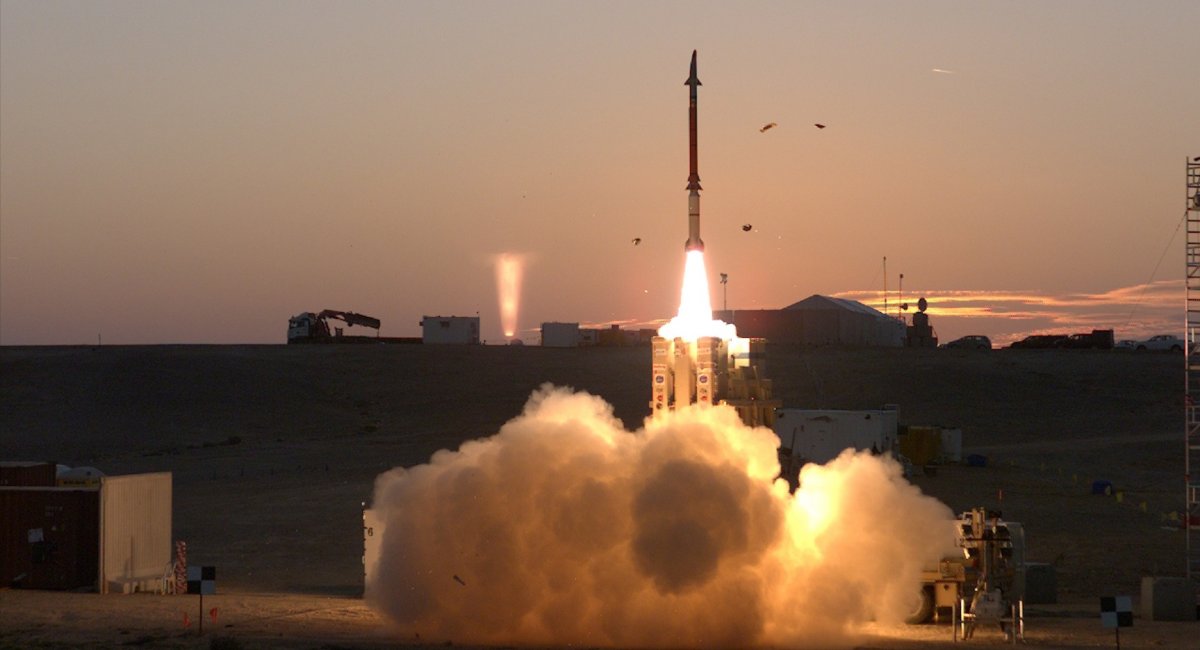
At the same time, as early as April last year, Estonia was reported to be seeking long-range air defense systems with ballistic missile interception capability. Options under consideration included Patriot, SAMP/T, and David’s Sling.
With additional funding now available, Estonia may move forward with acquiring one of these systems. However, such capabilities are expensive, with a full-scale program likely requiring around $1 billion.
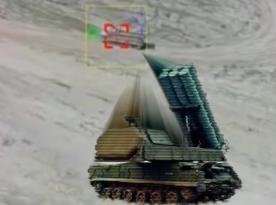
Previously, Defense Express also reported that Estonia is procuring HIMARS alongside the K239 Chunmoo system, opening up additional operational possibilities.
Read more: Estonia's Tiny Mark I Anti-Drone Missile, Developed for Ukraine, to Receive Naval Launch System