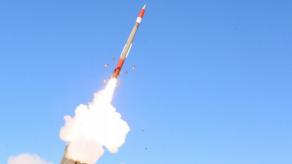



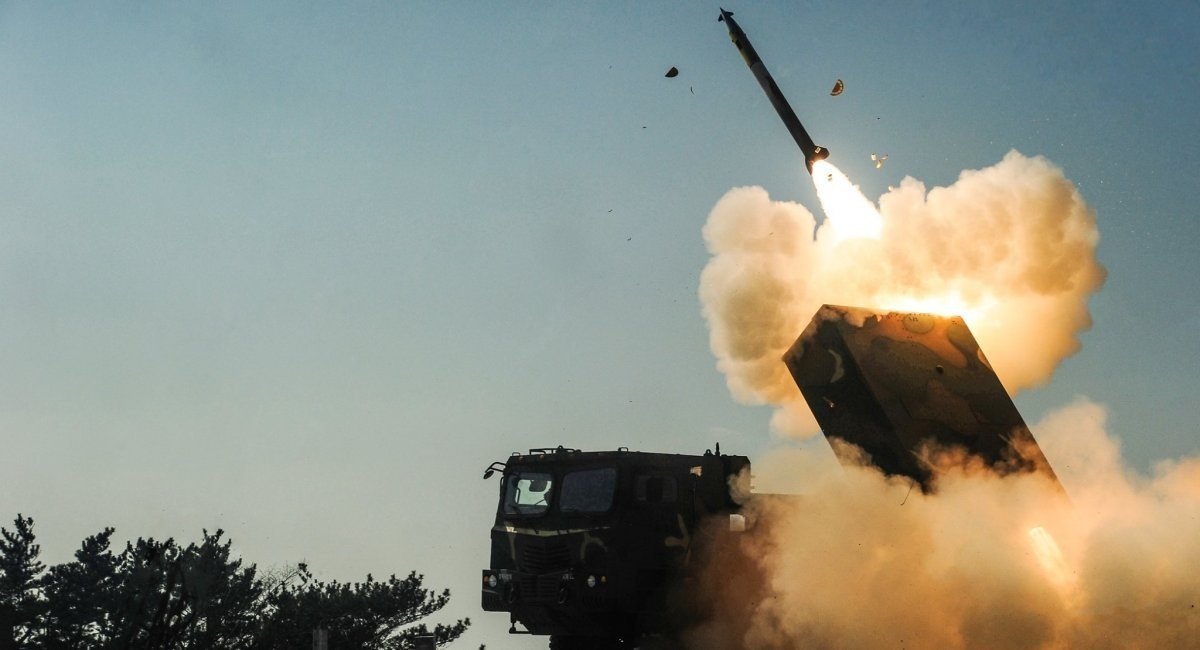
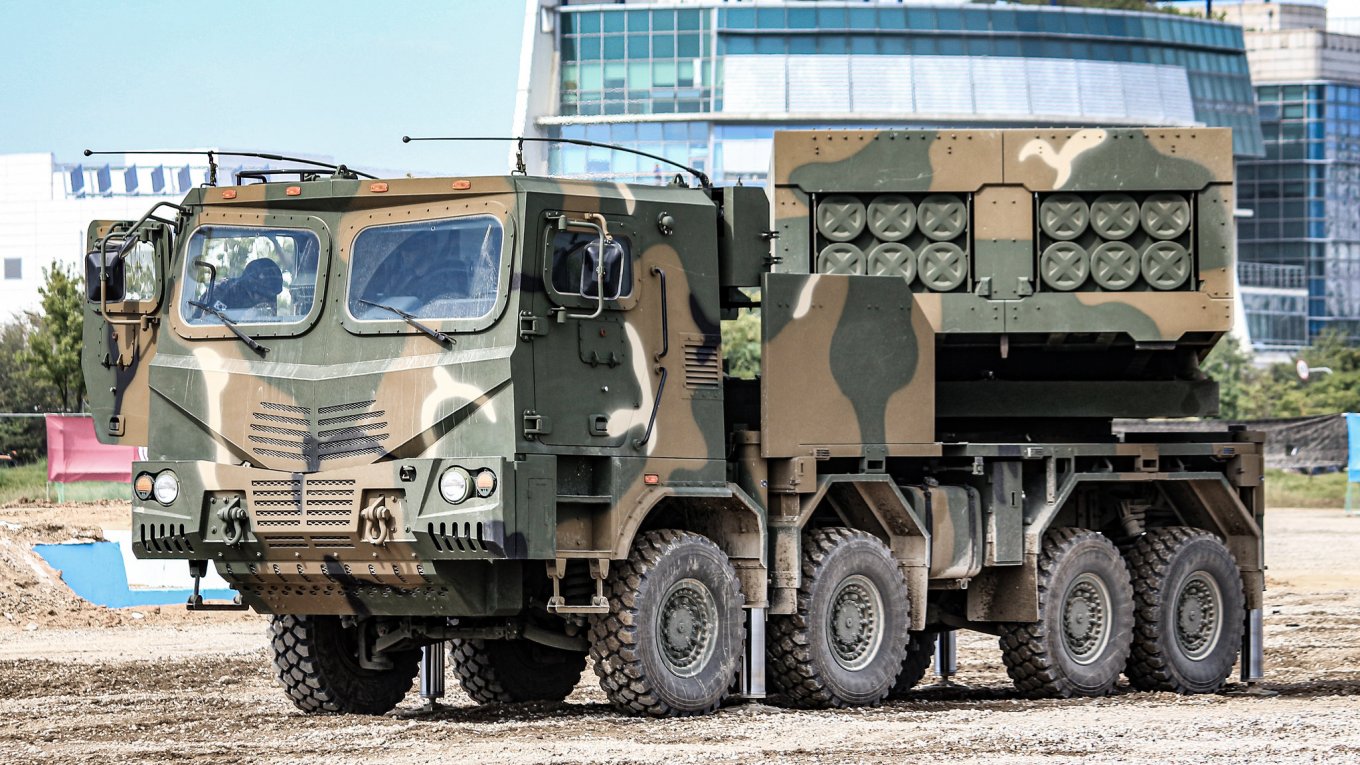
The Estonian Centre for Defence Investments (ECDI) has signed a €290 million contract with South Korea's Hanwha Aerospace for the delivery of K239 Chunmoo multiple-launch rocket systems. Under the agreement, Estonia will receive six K239 Chunmoo launchers along with three types of munitions.
The contract also includes an option to procure additional K239 Chunmoo systems in the future. The launchers will be modified to comply with Estonian requirements and road traffic regulations. Deliveries under the contract are expected to begin in the second half of 2027.
Read more: 6 HIMARS Not Enough Estonia Doubles Down Despite Long Waits, Also Buys Korean Alternative
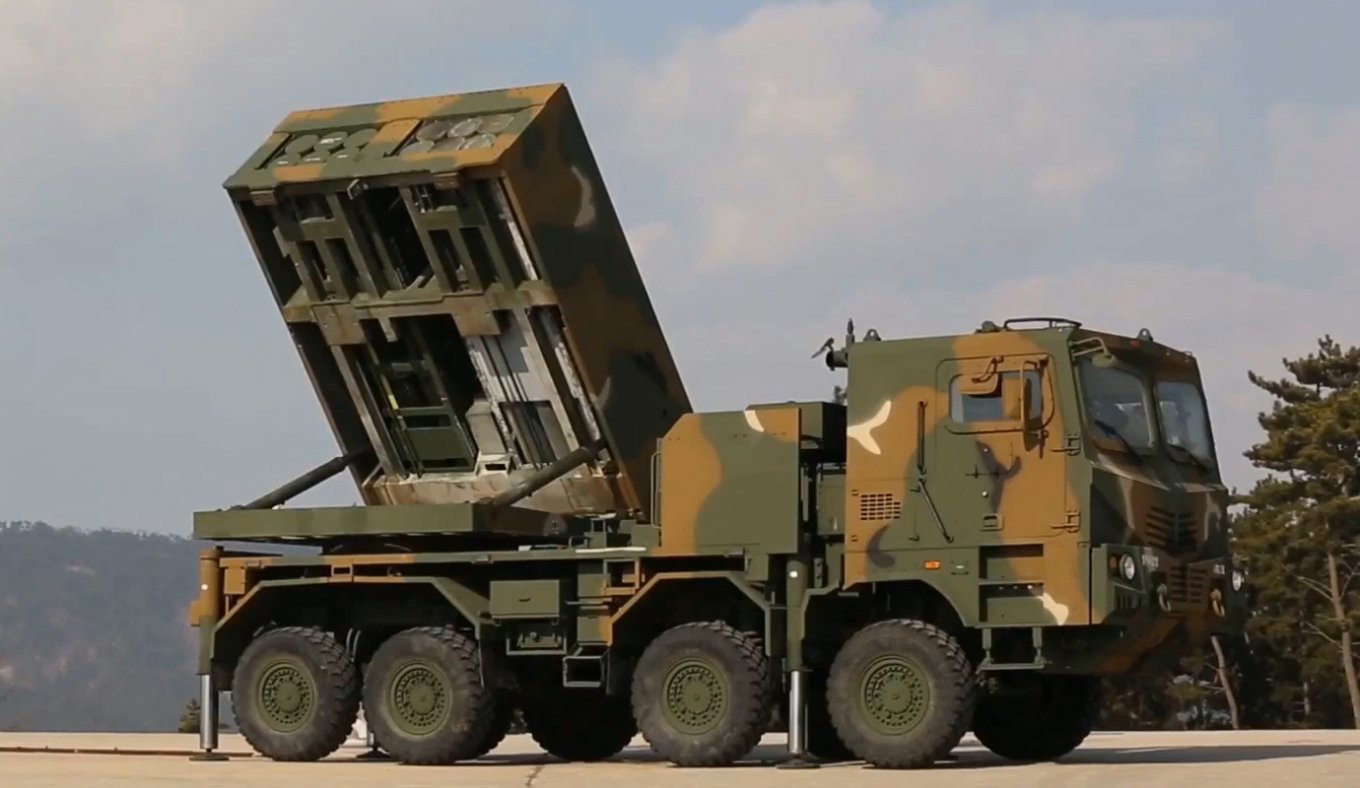
The three missile types included in the contract are:
- the 239 mm CGR-080 with a range of 80 km (an analogue of GMLRS),
- the 280 mm CTM-MR with a range of 160 km (comparable to ER GMLRS),
- and the 600 mm CTM-290 with a range of 290 km (an analogue of ATACMS).
All of these missiles use a standard guidance combination of GPS and an inertial navigation system.
In practice, this is the same set of missile types that Estonia acquired together with six US-made HIMARS launchers back in 2022. However, the South Korean K239 Chunmoo offers a somewhat broader range of available munitions.
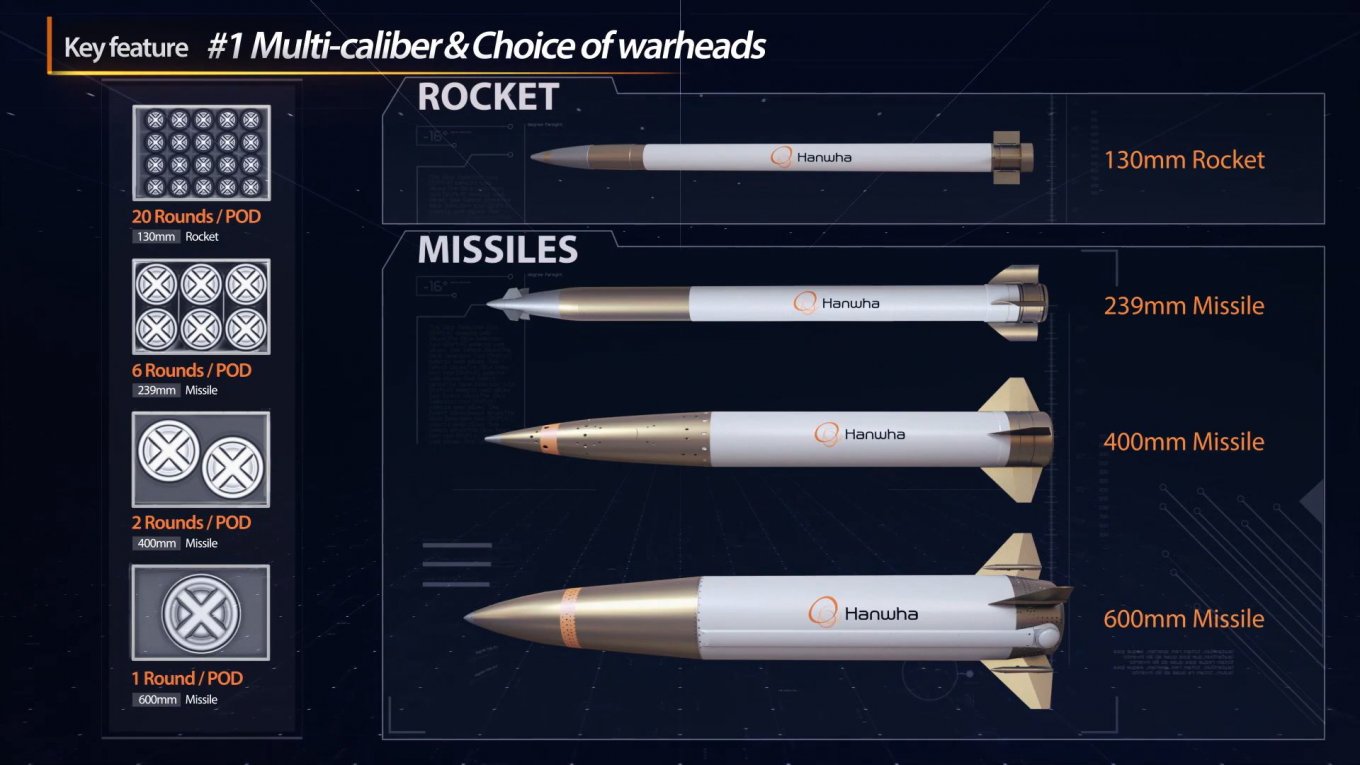
Among these are particularly interesting and highly relevant options for Estonia. Most notably, this includes the CTM-ASBM anti-ship ballistic missile. This is a modified version of the CTM-MR, with the same dimensions and range, which Estonia has already ordered in its baseline configuration. The key difference is that the CTM-ASBM is equipped with an infrared seeker, enabling it to engage naval targets.
This effectively results in an anti-ship ballistic missile with a range of 160 km and the ability to launch up to eight missiles in a single salvo from one launcher. This is precisely the kind of capability needed to strike one of russia's main naval bases in the Baltic Sea — Kronstadt, near St. Petersburg, which lies only about 110 km from the border.
The range of the CTM-ASBM would also be sufficient to strike targets in St. Petersburg itself, as well as to block access to the Baltic Sea from russia's mainland. If a K239 Chunmoo launcher were hypothetically deployed in Lithuania, it could also engage russian ships in the Kaliningrad exclave and at russia's main Baltic naval base, Baltiysk.
That said, this remains a theoretical scenario. At present, there is no confirmed plan to supply Estonia specifically with CTM-ASBM anti-ship ballistic missiles, although such an option appears both realistic and highly desirable. It should also be emphasized that these missiles would not replace conventional anti-ship missiles, but rather complement them.
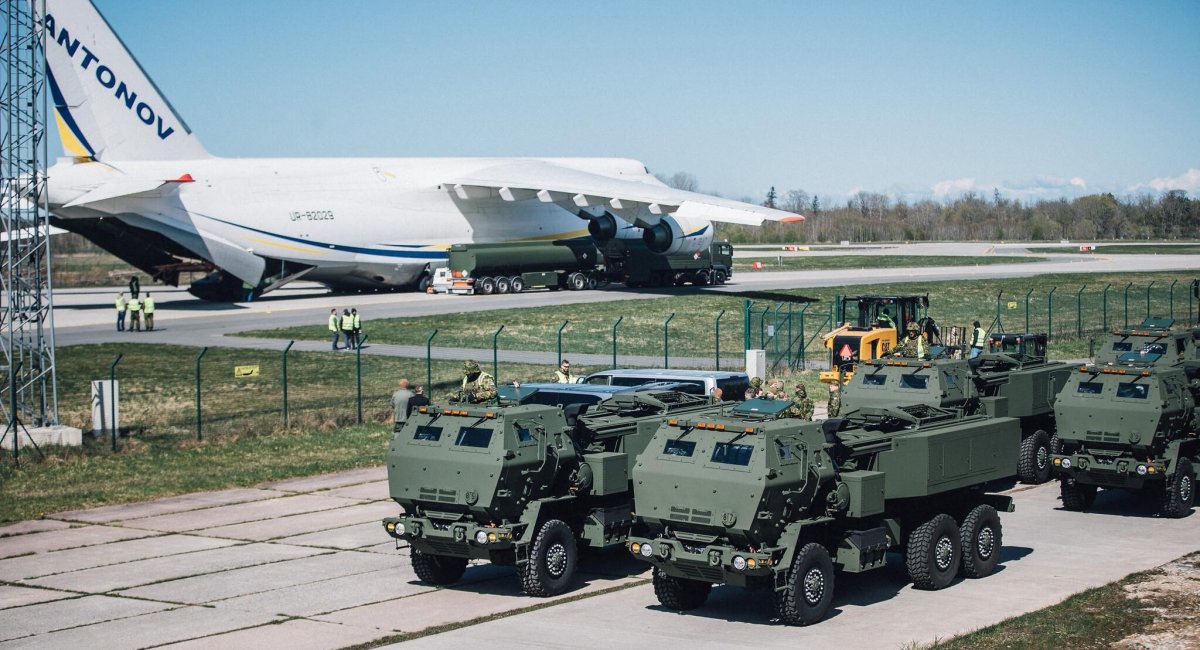
As noted above, Estonia already purchased six HIMARS launchers with missiles from the United States in 2022, which were delivered earlier this year. Initially, further HIMARS purchases were shelved due to long delivery timelines, and the South Korean system was considered as an alternative.
However, in November this year, reports emerged that Estonia had nevertheless decided to order additional HIMARS launchers. While the exact number has not been disclosed, it is likely to be another six units. In other words, Estonia ultimately chose to procure both systems. As a result, the country is now aiming to field around 12 HIMARS launchers and at least six K239 Chunmoo systems — a very substantial rocket artillery force for a country of Estonia's size.
Read more: How Estonia Helped Speed Up the Delivery of IRIS-T SLM Air Defense Systems to Ukraine