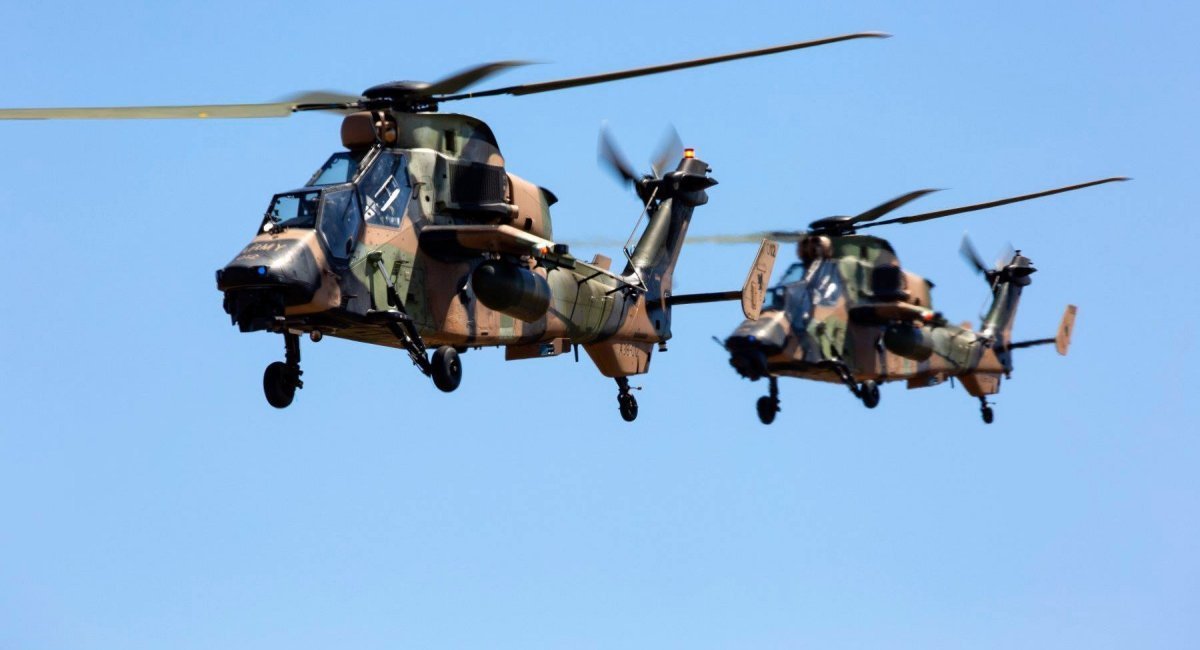
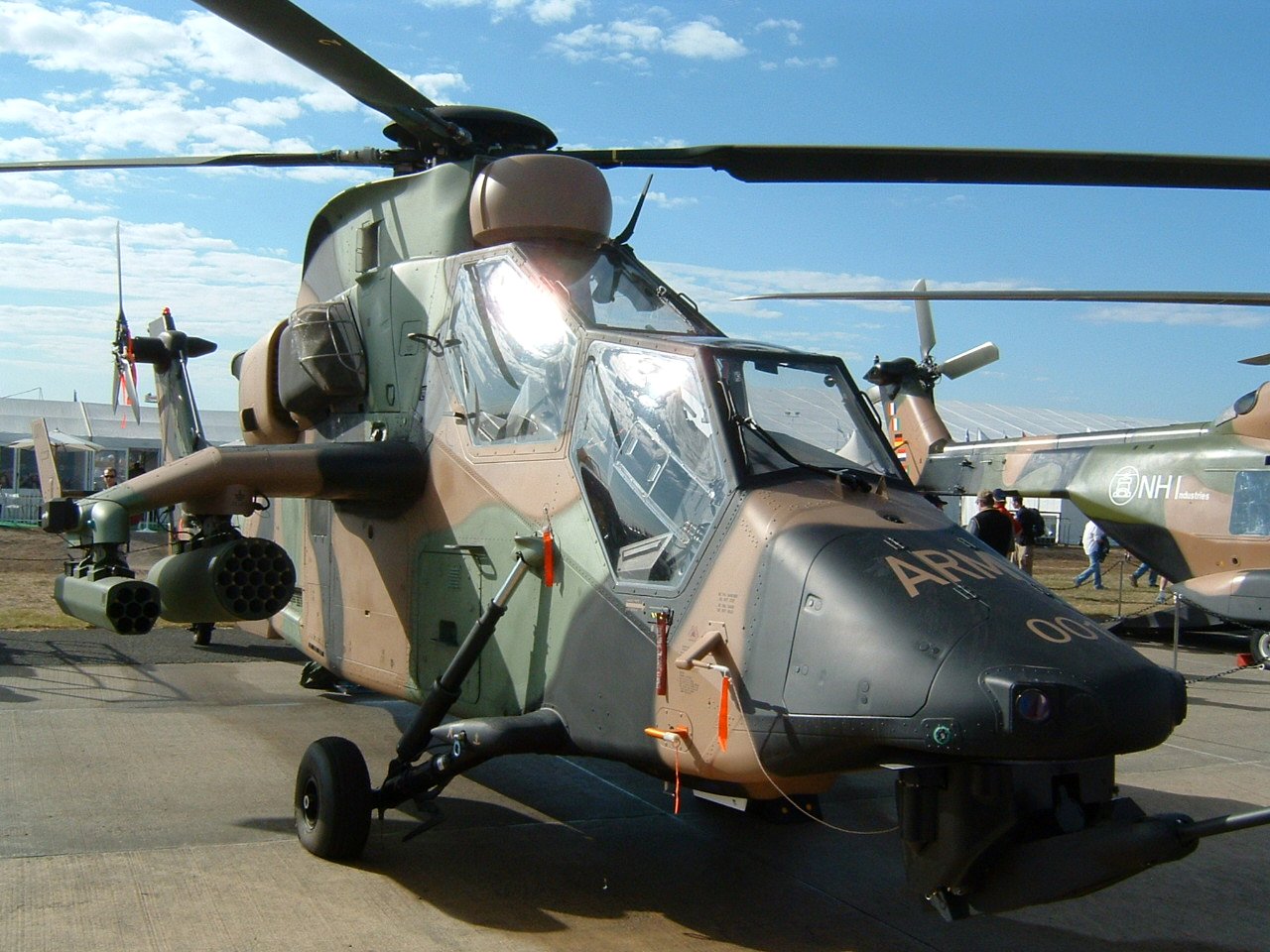
Australia is currently assessing the possibility of handing over its fleet of 22 Tigers, which are scheduled to be withdrawn from service by 2028. If approved, this would constitute a separate assistance package, independent of any previously announced programs.
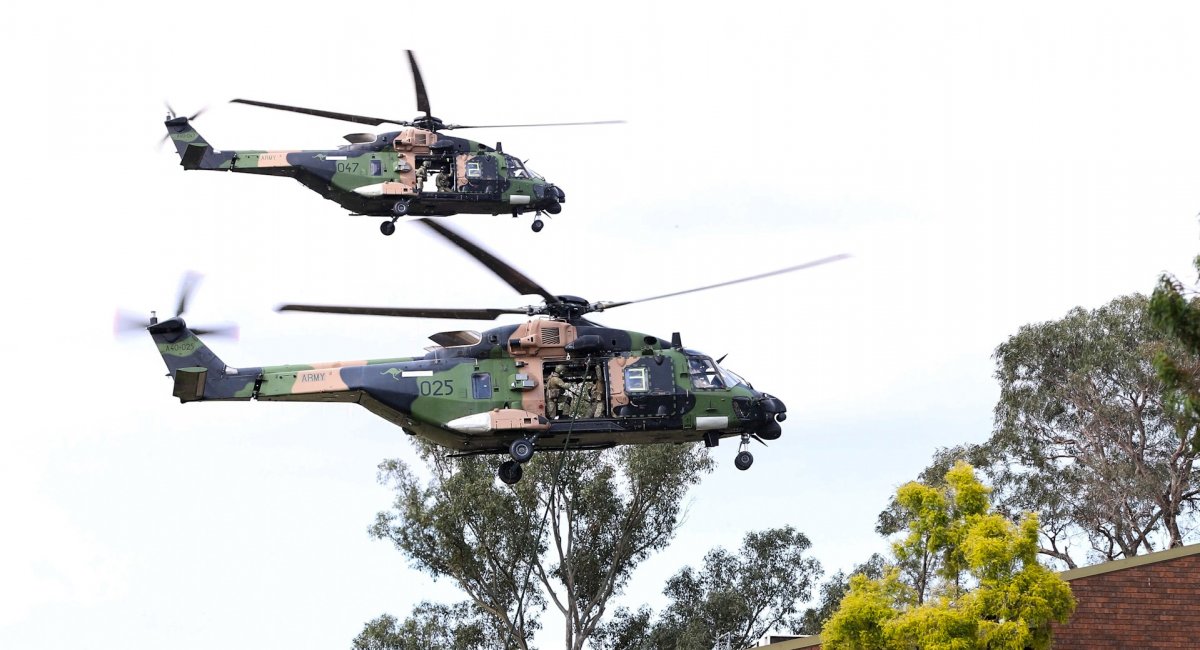
According to ABC, the Australian government is evaluating both the feasibility and practicality of supplying the helicopters in response to Ukraine's formal request. Public pressure is growing, partly due to anger within the local Ukrainian diaspora over the decision to dispose of MRH-90 Taipan transport helicopters by burying them rather than reallocating them.
Read more: Australia Buying Missiles That Don't Exist Yet $3.1B for AIM-260A JATM Delivery in 2033
Defense Express notes that, at first glance, the prospect of Ukraine receiving a modern attack helicopter may appear positive. However, a closer look at the platform raises significant doubts, especially since similar discussions have surfaced in the past.
The Tiger was developed as a pan-European alternative to the American Apache. Despite billions of euros invested and adoption by four operators, the program faced persistent challenges. Operating costs climbed sharply, while overall combat effectiveness remained questionable.
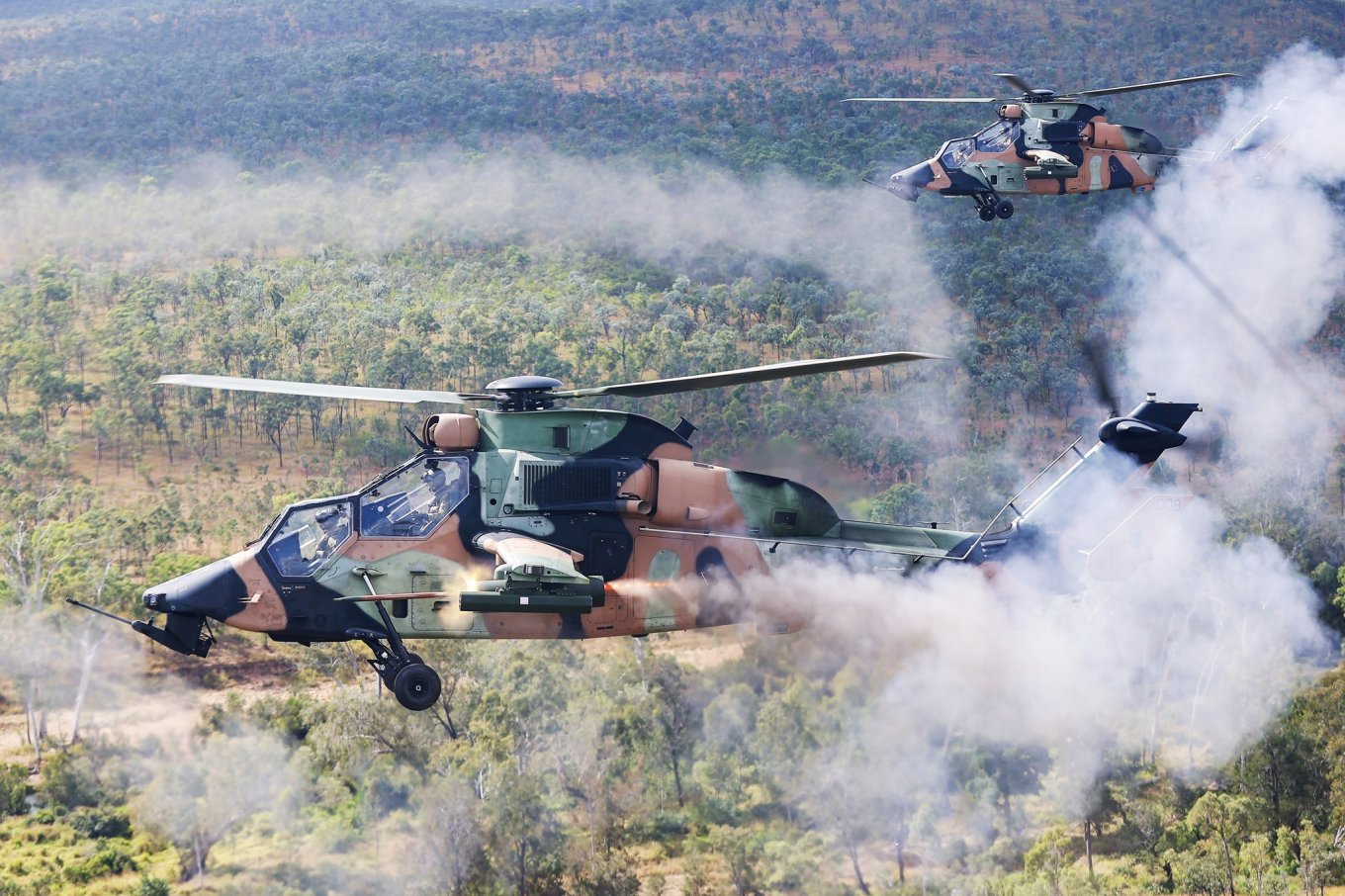
From the outset, Australia encountered numerous issues with reliability and spare-parts availability. The situation became so problematic that the country had to establish its own facility to manufacture rotor blades. In 2021, Australia decided to replace the Tiger with the AH-64E Apache.
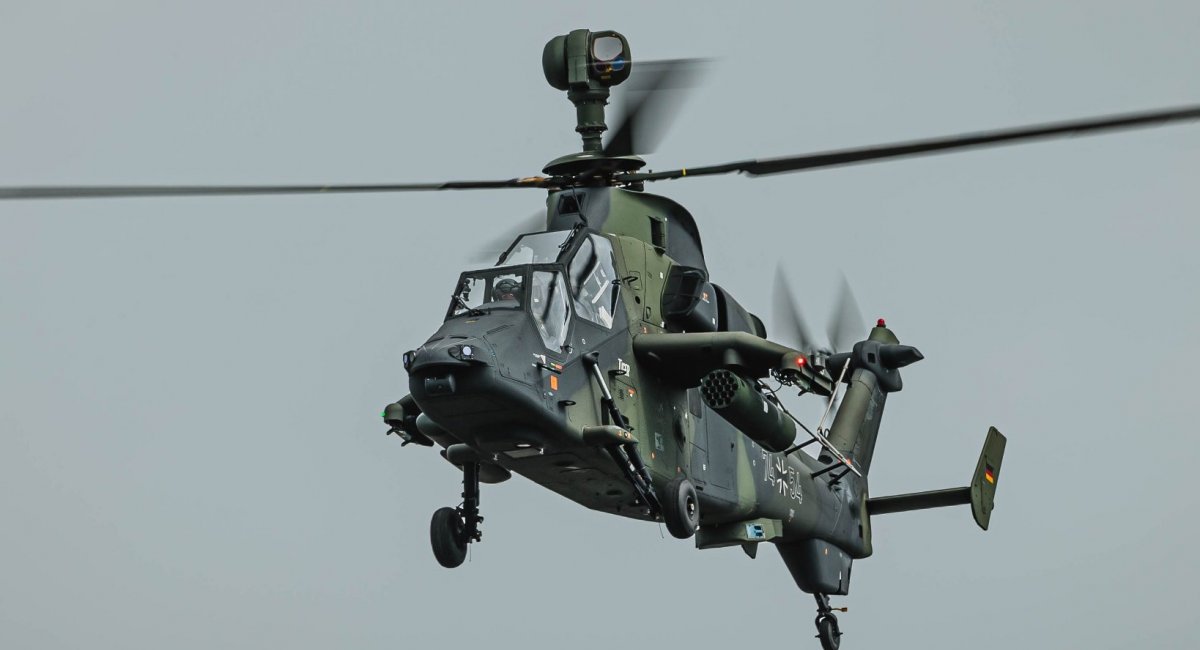
Australia was not alone. Germany, one of the program's original partners, also opted to retire the platform. Critically low readiness rates were among the main reasons: out of 51 helicopters, as few as ten were typically operational. In 2019, the entire German fleet was temporarily grounded due to rotor defects.
In this context, it appears Australia may be seeking to avoid domestic criticism by transferring a problematic helicopter fleet to Ukraine. If the transfer is approved, the Tigers could still be used effectively, particularly against drones, thanks to their 30 mm GIAT 30 cannon and compatibility with additional gun or machine-gun pods.
Regarding missile armament, the Australian variant can employ AGM-114 Hellfire air-to-ground missiles, already in use by Ukrainian forces. It can also carry launchers for 70 mm unguided rockets, and may theoretically be able to use guided variants due to its onboard laser-designation equipment.
Overall, the Tiger would be a less favorable option than the Taipan and would likely pose serious readiness challenges. However, the platform could still provide niche operational value, especially if accompanied by its corresponding weapons.
Read more: After Ukraine's Success, Australia Arms Sea Drones 400kg NSM Missiles on Unmanned Boats