Australia is considering the possibility of localizing the production of French Mistral air defense systems, which are actively used in Ukraine. If successful, it will be the first country to produce these French air defense systems.
The corresponding Memorandum of Understanding was signed by the Australian NIOA with the European MBDA. The agreement concerns the assembly, or even local production, of warheads for missiles, as well as inclusion in the global supply chain.
Read more: Australian E-7A Wedgetail AEW&C Aircraft Deployed in Europe to Track Ukraine Arms Deliveries and russian Threats
We note that this is just a discussion of intentions for now, which will not necessarily materialize in a future firm contract. However, the implementation of such a project fits into Australia's plans to achieve greater autonomy in defense production.
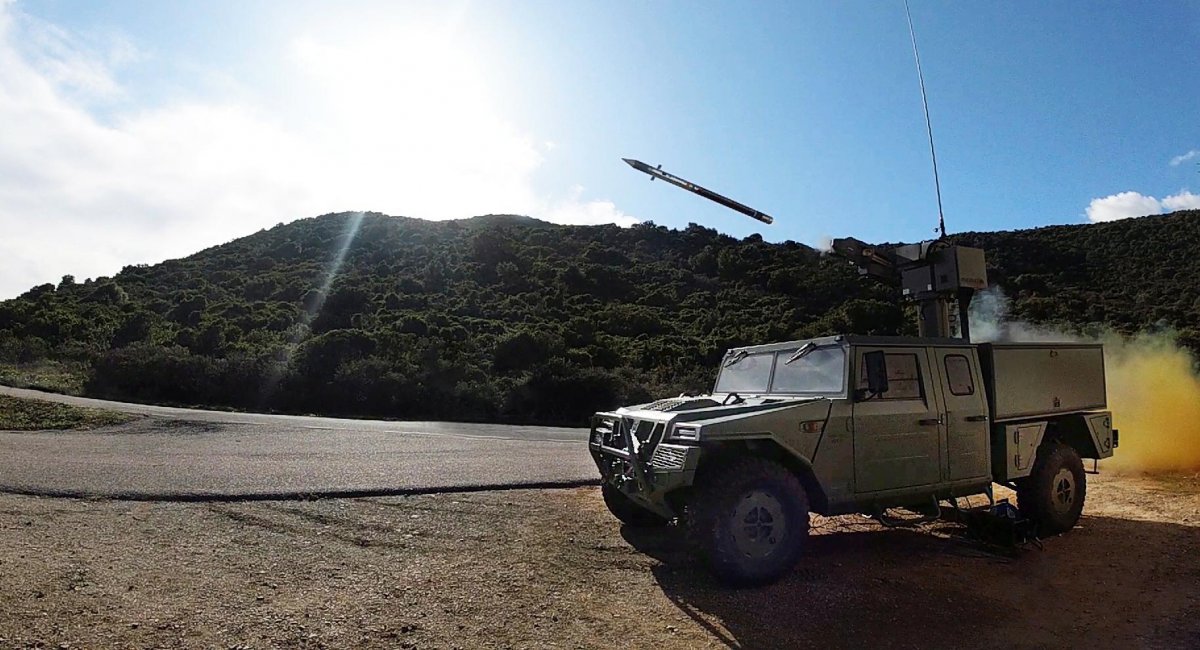
Mistral is a family of French infrared homing multipurpose short range air defense system manufactured by MBDA France, which has undergone three iterations since the 1990s. They system is in use in more than 30 countries around the world, including Ukraine, which received such weapons as part of military assistance from France, Estonia and Norway.
To capture a target, the missile uses infrared guidance with a limited field of view as well as some other improvements to increase resistance to countermeasures. In particular, the seeker of Mistral has a very narrow field of view to reject decoys and interference. The range of the attack is 8 km. Like most similar weapons, the Mistral operates on the principle of "fire and forget".
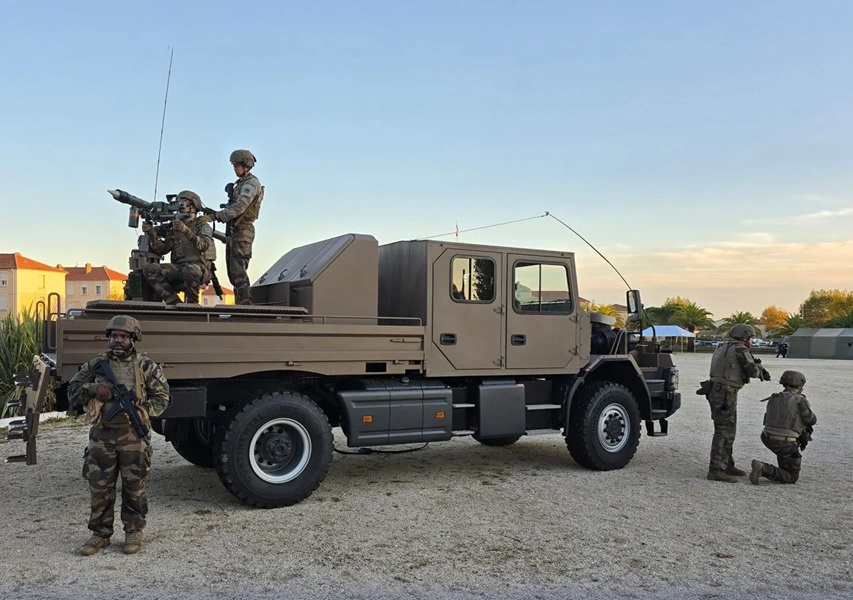
However, unlike most MANPADS, the Mistral cannot be used from the shoulder. It is a mandatory posted system and must be launched from a special stationary launcher. The latter can be installed on various armored and automotive platforms, for example, on the new Scania Vampire Air-Defense Vehicles.
It is interesting that Australia is considering purchasing not the American Stinger MANPADS, but the French alternative. The country previously agreed to localize the production of American PrSM ballistic missiles and GMLRS rockets.
This decision has a logical explanation: firstly, it can be cheaper and more profitable, while secondly, it allows diversifying its own arsenal of weapons, getting rid of dependence on a single supplier. Given this, it is quite likely that the agreement on the localization of the Mistral will still take place.
Read more: Laser vs Satellites: Australia Unveils New System That Could Change Space Warfare