

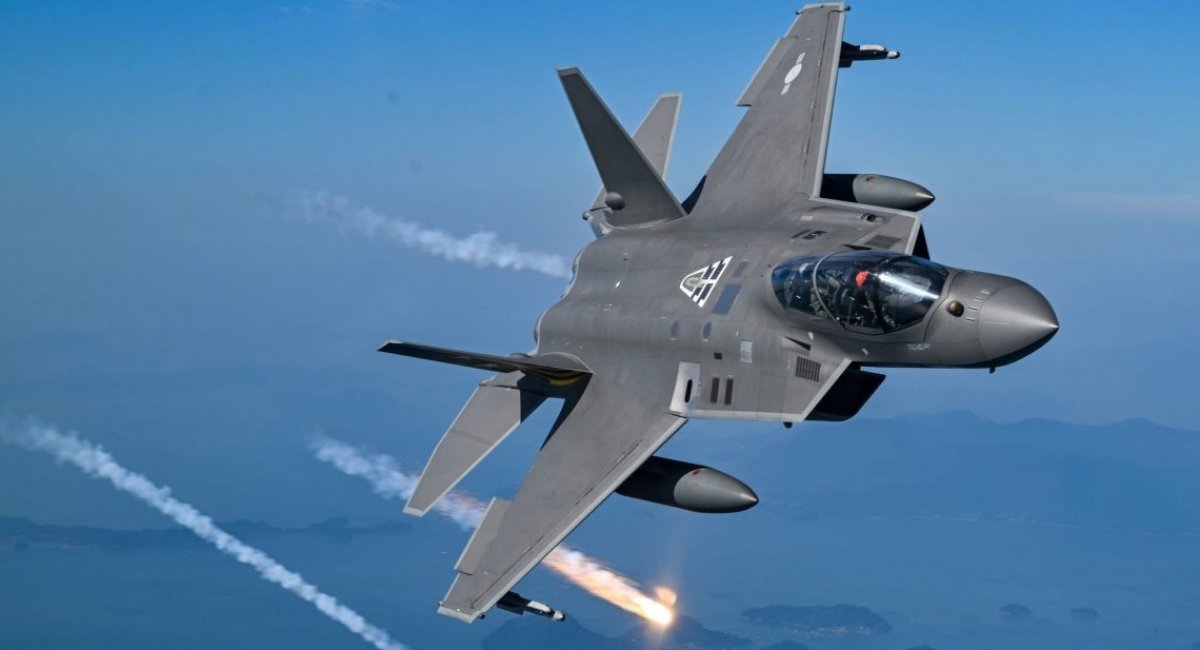
The Korean national fighter KF-21 Block I has achieved operational readiness status, meeting all initial operational capability requirements. This marks a critically important milestone for Seoul — one that has taken 25 years from the program’s inception.
The new status for the KF-21, announced by the Defense Acquisition Program Administration (DAPA), was achieved following the completion of a three-year final test phase. The fighter conducted approximately 1,600 test flights and around 13,000 individual tests, and now fully meets all military requirements for the Block I configuration.
Read more: First Flight for XRQ-73: Experimental Drone That Needed Two Years of Fixes Before Leaving Ground
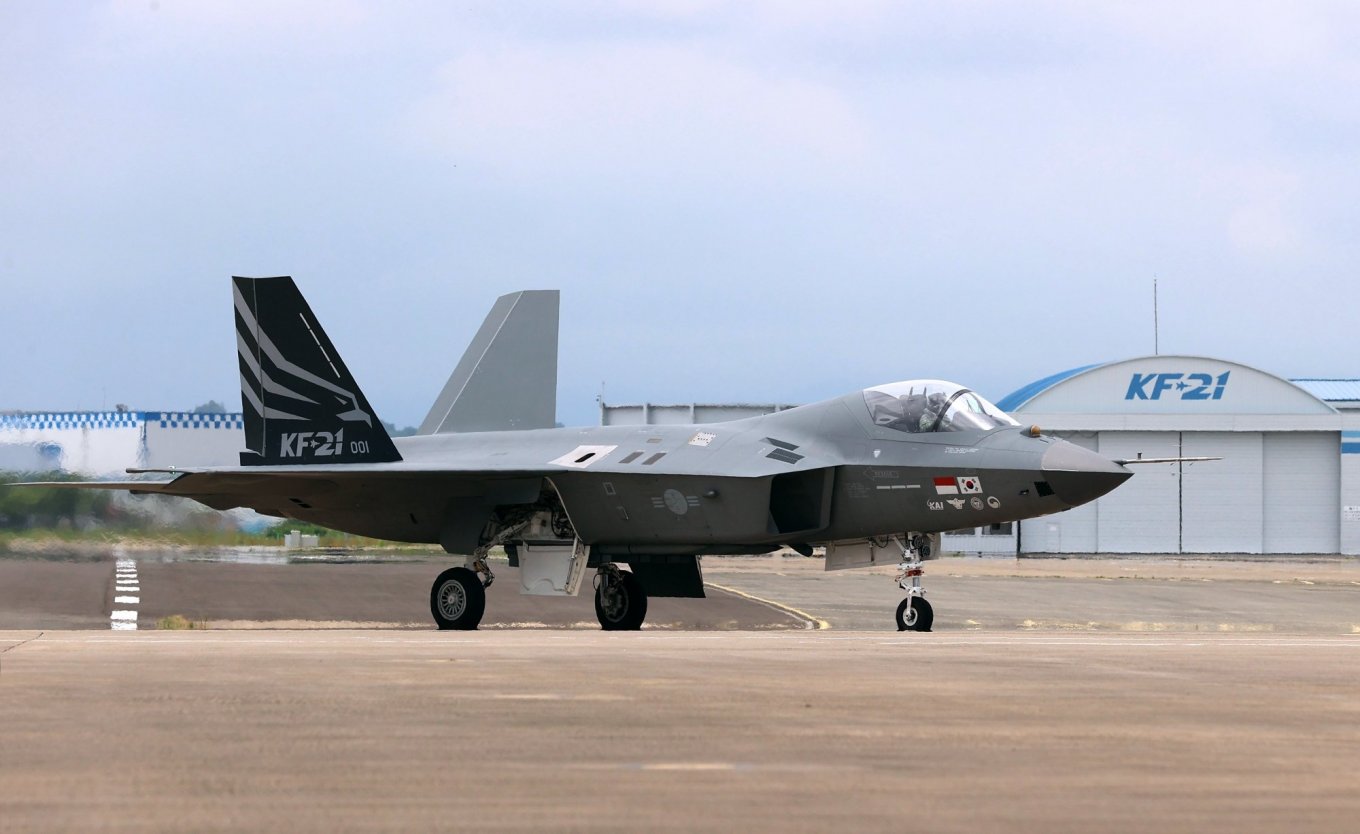
This decision symbolizes South Korea having fully secured the capability to independently develop fighter aircraft, said Roh Jae-man, head of the KF-21 project office at DAPA. From Defense Express's perspective, Seoul has simultaneously demonstrated just how formidable a task that is.
It is worth noting that this is the KF-21 Block I specifically, the first version of the fighter. It has full air-to-air combat capability but limited functionality for engaging ground targets. Full precision air-to-ground munitions capability, as well as anti-ship missile integration, is expected to appear in the next Block II variant, which is currently in development.
South Korea's air force is set to receive its first production KF-21s as early as September of this year. The delivery plan for the first batch of 40 aircraft calls for 20 units by 2027 and another 20 in 2028, by which point Block II is expected to be ready. Total procurement stands at 120 aircraft, with deliveries to be completed by 2032.
The fighter's development under the original KF-X designation was initiated back in 2001 with the goal of replacing the aging F-4 Phantom and F-5 Tiger. A succession of problems, scandals, and a lack of confidence in domestic capabilities led to the program being frozen, with work only resuming in 2016 following the transfer of 21 technologies from the United States as part of the F-35 procurement agreement.
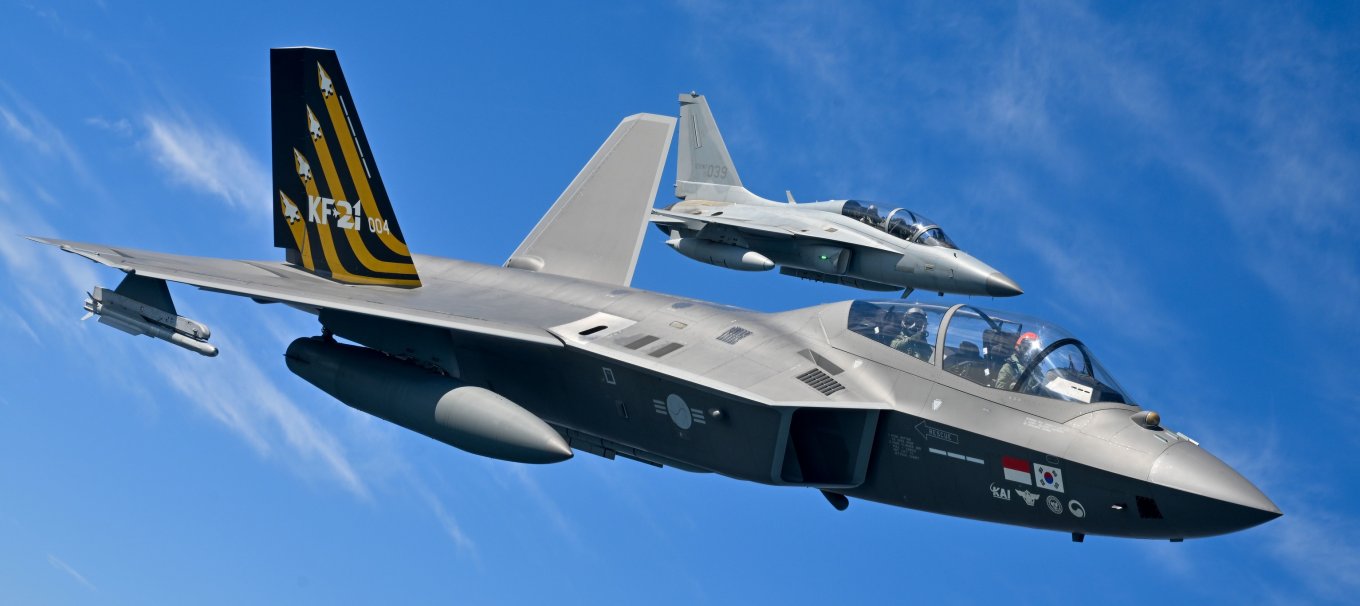
After that, progress accelerated considerably. A prototype completed its first flight on July 19, 2022, and in the summer of 2024 the first order for 20 aircraft was placed for approximately $1.4 billion.
This is all the more notable given that South Korea ranks among the world's top ten economies and is a recognized industrial leader a hub of manufacturing, digital technology, and microelectronics. The country had previously partially localized F-16 production and, in partnership with the United States, developed and began producing the T-50 trainer, which evolved into the combat-capable FA-50.
The KF-21 program also generated an international scandal along the way. The development was formally a multinational effort, with Indonesia joining in 2010 and committed to contributing $1.4 billion. Following espionage scandals, payment delays, Indonesia’s order of additional Rafales, and its announced intention to purchase Turkish KAAN fighters, Jakarta reduced its contribution to $438 million and asked Seoul for a credit line to purchase 16 KF-21 Block II aircraft.
Read more: russia Admits It Lacks Modern APCs, So KamAZ Rushes to Develop Its Own Vehicle