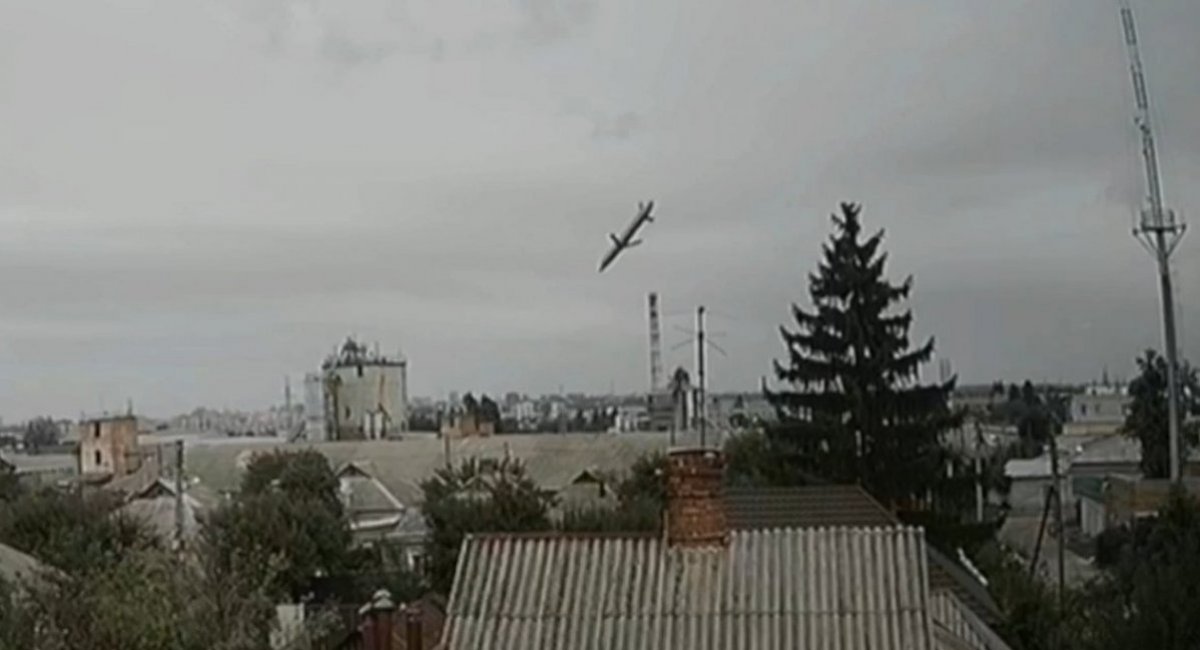
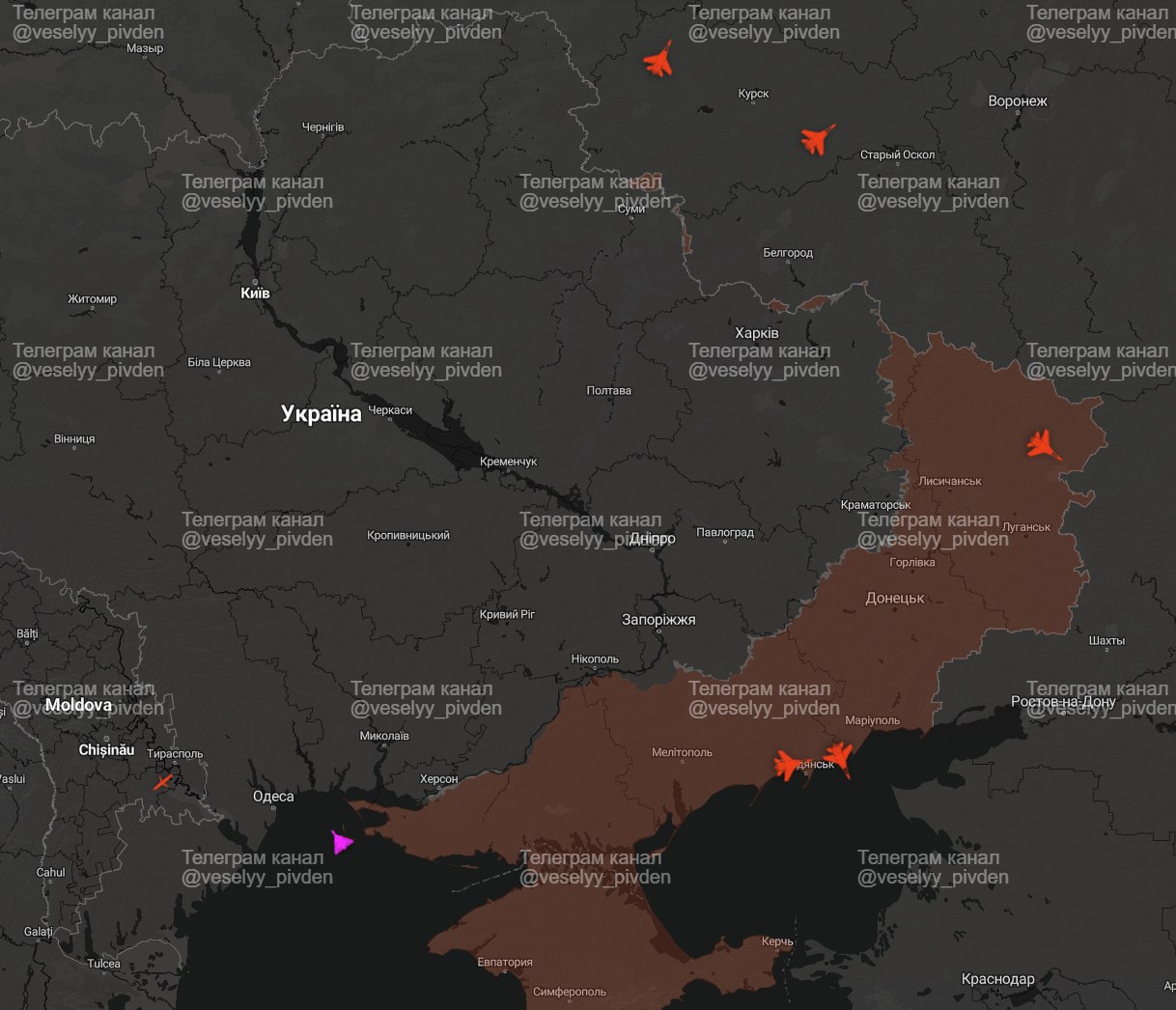
On Monday, August 17, during another russian attack on the Odesa region, the S8000 Banderol cruise missile entered Moldovan territory at approximately 5:39 p.m. According to reports from monitoring channels, the missile crossed the border near the city of Tiraspol, heading southwest.
After flying about 25–30 kilometers over Moldovan territory for several minutes, the S8000 Banderol struck a cornfield three kilometers from the village of Talmaz. According to reports from Moldovan police, no casualties were reported as a result of the russian strike.
Read more: russians Showcase Pantsir-S1M Mounted on a 35-Meter Tower to Protect Moscow from Ukrainian Drones
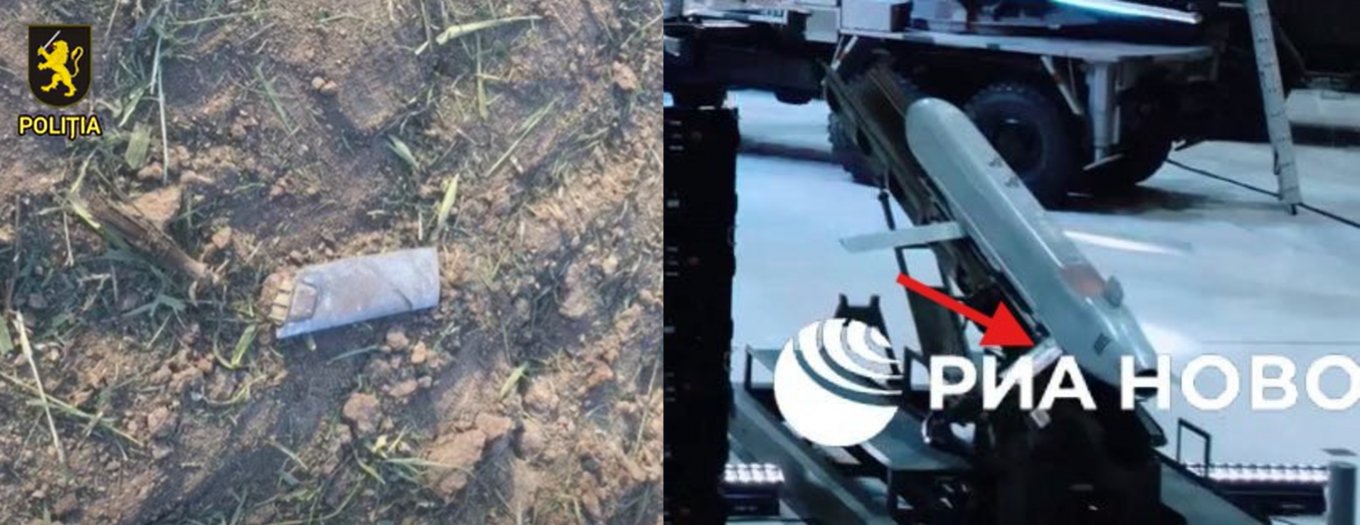
Later, the police released footage from the impact site and photographs of the debris. Although Moldovan police have not yet confirmed that the missile was russian or identified its type, photographs of the debris strongly suggest that it was indeed the same missile.
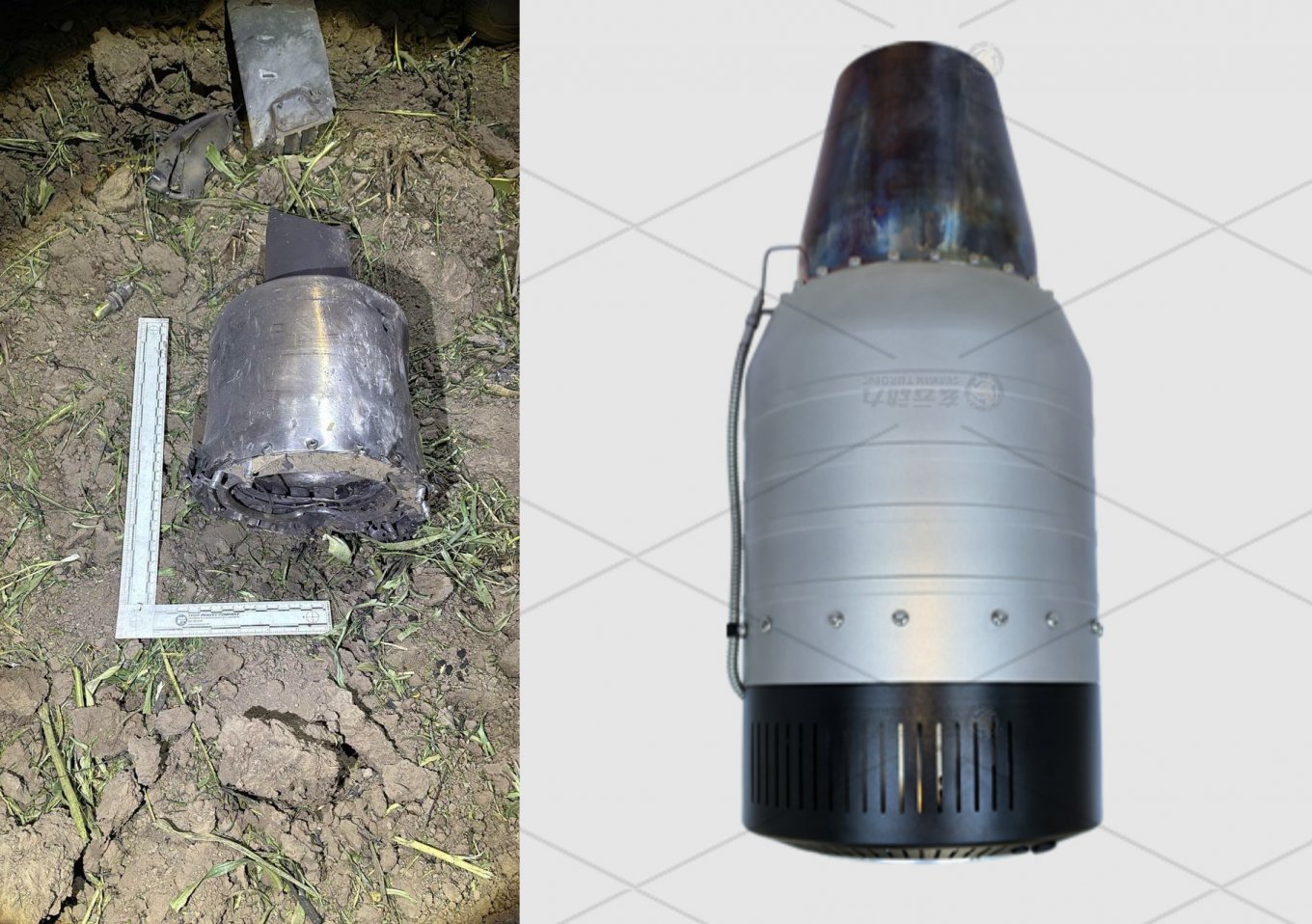
The photographs show the remains of a turbojet engine that closely matches the SW800Pro-A95 engine used in the S8000 Banderol in both design and dimensions. In addition, the images also show a distinctive feature of this cruise missile's tail section.
Footage from the crash site also reveals an interesting feature of the S8000 Banderol. Police reported that the impact created a crater two meters in diameter and 50 centimeters deep. However, in the published footage, the crater is barely visible. The S8000 Banderol is equipped with an OFBCh-150 high-explosive warhead weighing 114.3 kilograms, including approximately 50 kilograms of explosive material.
Despite the relatively small crater, the impact site in Moldova shows a fairly large area of damage, with the surrounding cornfield flattened over a wide area. All of this suggests that this S8000 Banderol may have been set to detonate in the air, at a height of several meters above the ground.
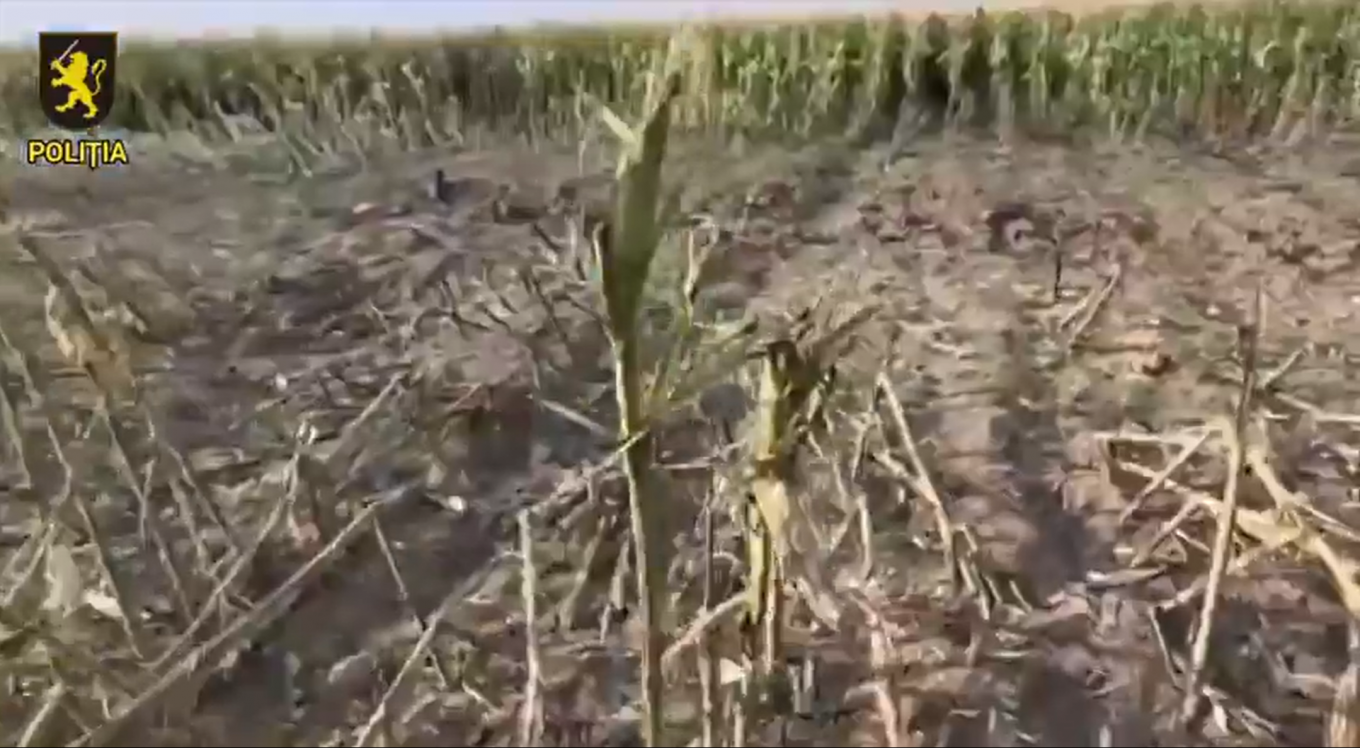
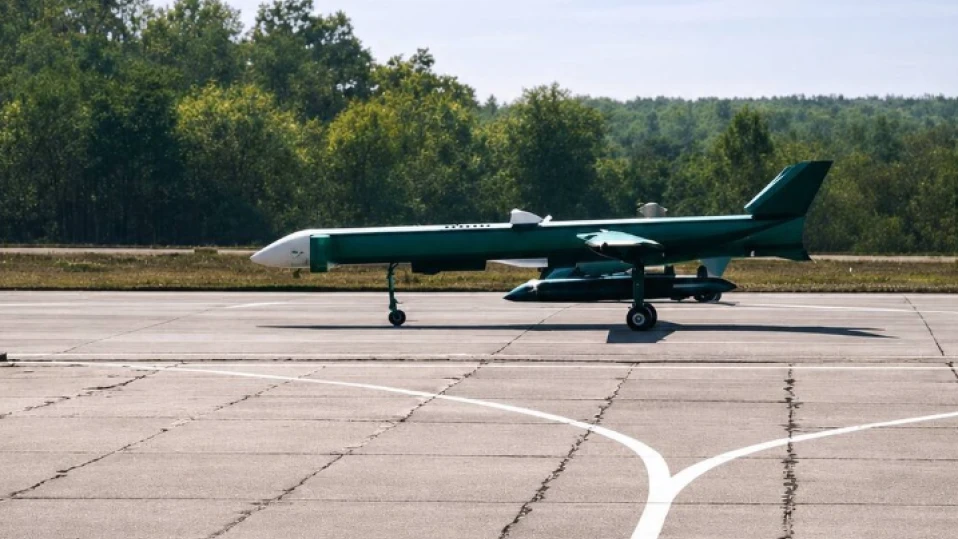
This type of detonation is designed to maximize the spread of fragments and increase the area affected, particularly against targets without overhead protection. This type of detonation is nothing new for russians. In particular, it is used on the Garpyia-A1. At the same time, only a detailed forensic examination by Moldovan law enforcement can provide a definitive answer.
As for russian aerial weapons entering the territory of neighboring countries, on Monday, a suspected Shahed drone entered Romania via Moldova and was intercepted by Spanish Air Force F/A-18M Hornet fighter jets. This incident is notable because it appears to mark the Spanish Air Force's first aerial engagement since its founding 87 years ago.
Read more: Satellite Imagery Shows Destruction of russia's Largest Wildberries Hub Near Moscow