Сurrently Iran's longest-range ballistic missile is the Khorramshahr, which has demonstrated a range of 4,000 km. Now, the country's top leadership is talking about developing a missile with a range of 15,000 km.
According to Arab media reports, a representative of Iran's Supreme Leader, Abdul-Nabi Mousavi Fard made this statement during last Friday's prayer service. The 15,000-kilometer range is linked to the need to strike U.S. territory. From Defense Express we would like to note that this range is sufficient to strike any country in the world from Iranian territory.
Read more: What Is russia's S-71M Monochrome Missile, Already Used Against Ukraine, Why Is It Threat No Less Serious Than Ballistic Missiles?
At the same time, if Tehran is indeed carrying out such work, it would be difficult to call it consistent. It is difficult to make the leap from a medium-range ballistic missile to not just an intercontinental ballistic missile, but a weapon with virtually unlimited range anywhere on Earth.
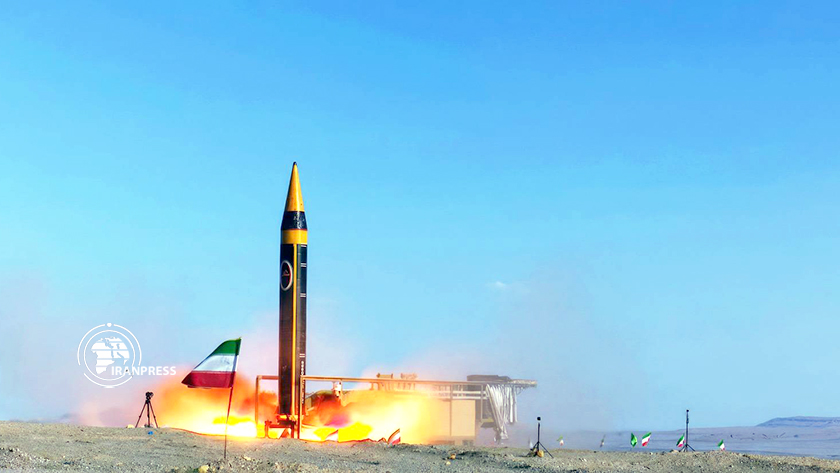
For example, it would make sense to hear about the development of Iran's first intercontinental ballistic missile, with a range that only slightly exceeds the 5,500-km minimum required to qualify as an ICBM. Following that, the next step would be the development of a ballistic missile capable of striking Washington and New York from Iranian territory, which would require a range of at least 10,000 km.
However, a range of 12,000–13,000 km would be more than enough for Iran to strike the entire United States. The mention of a 15,000-km range may indicate Tehran's intention to follow the same path it took with the Khorramshahr—that is, to adopt an existing design from another rogue state.
Khorramshahr is a liquid-fueled missile based on the North Korean Hwasong-10 (also known as the Musudan or BM-25), which in turn is based on the Soviet R-27 submarine-launched ballistic missile.
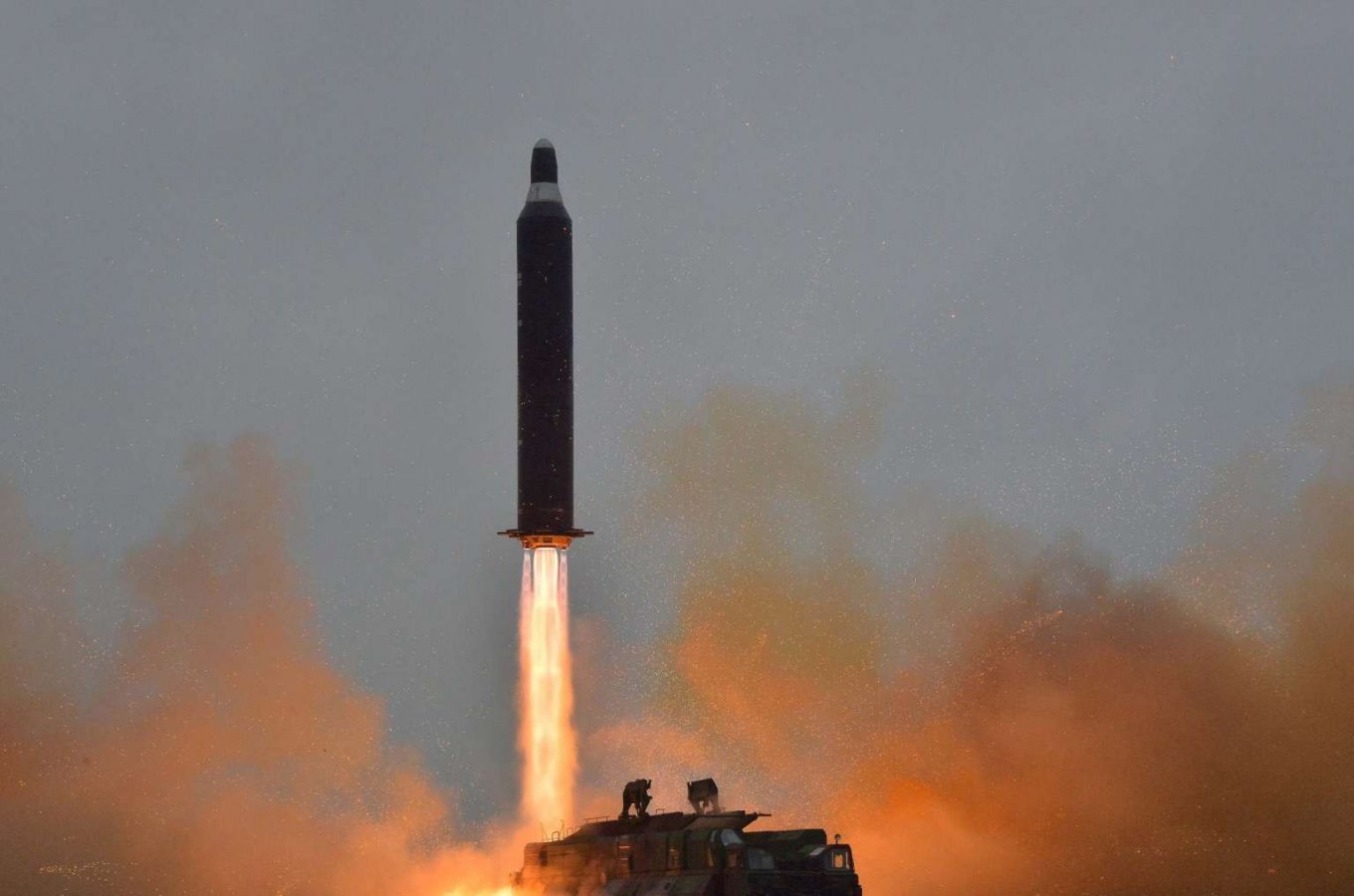
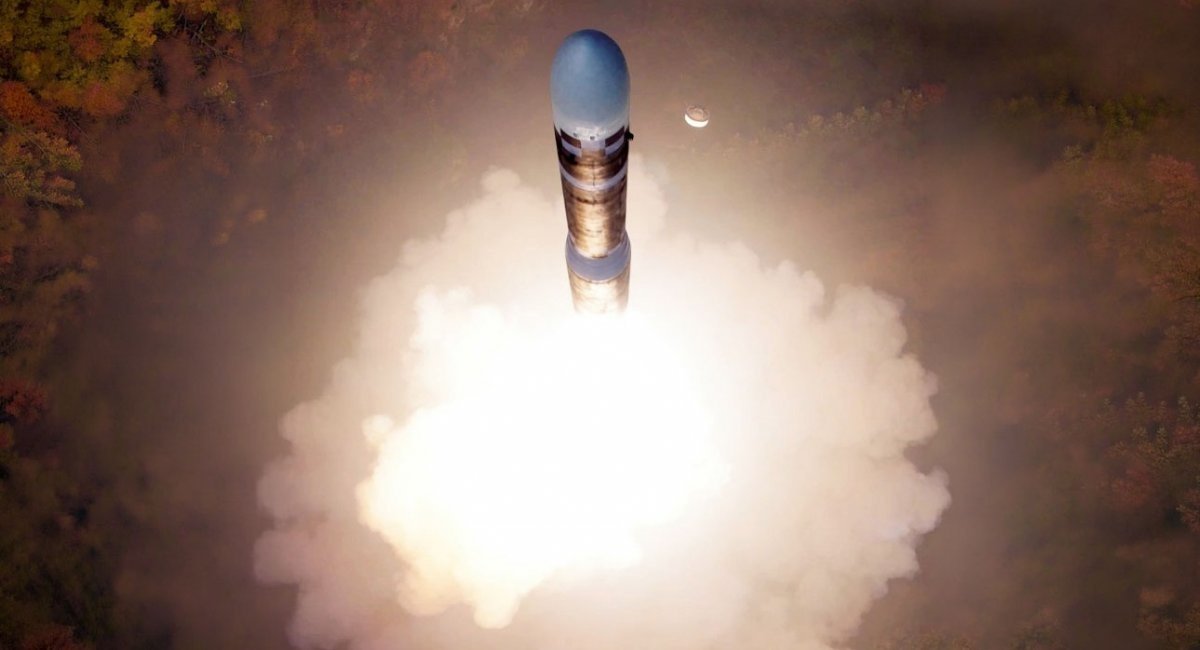
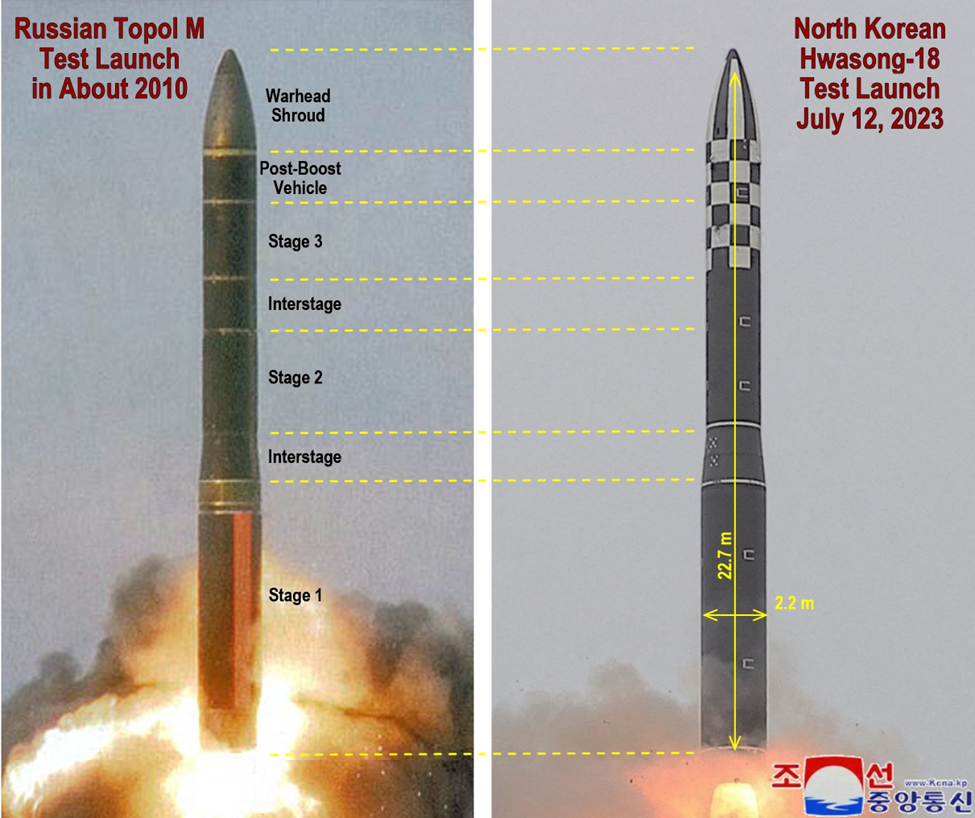
At the same time, North Korea has tested three missiles in recent years that have a range of 15,000 km or more. One of these is the Hwasong-18, whose range of 15,000 km was confirmed following its launch on July 12, 2023, based on a recalculation of its trajectory. There is an even more powerful variant—the Hwasong-19—which is capable of flying over 17,000 km.
At the same time, russia's involvement in the development of the Hwasong-18 is more than evident. It is believed that the North Korean missile was developed from the russian three-stage, solid-fuel Topol-M intercontinental ballistic missile.
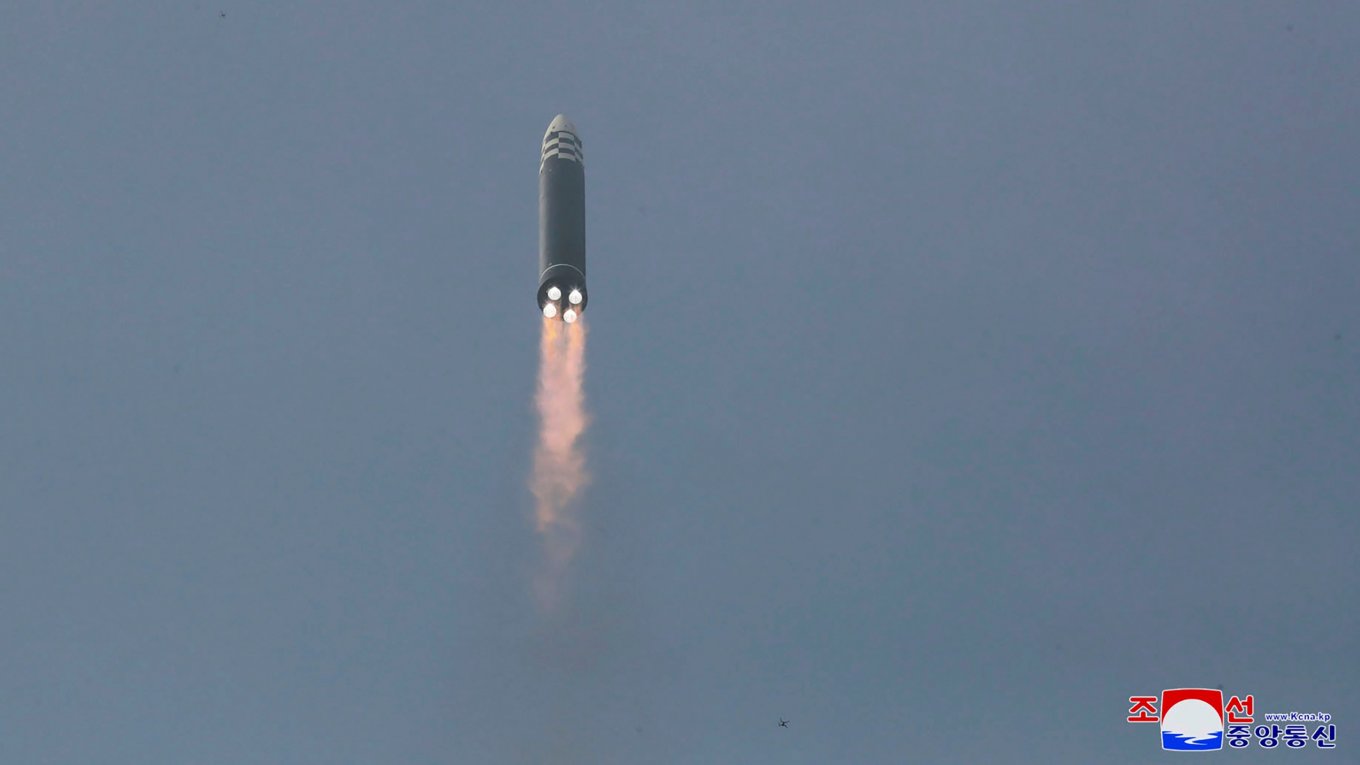
The third option is the Hwasong-17, a liquid-fueled ballistic missile with an estimated range of about 15,000 km. It is believed to be based on the R-36, better known by its NATO reporting name, Satan.
It is worth noting that all of these missiles emerged in North Korea relatively quickly, and their tests were surprisingly successful, further indicating the use of proven technologies.
Therefore, it seems quite likely that this same route—the transfer of missile technology from russia through North Korea to Iran—will be repeated.
It is possible that Moscow, feeling completely immune from consequences and benefiting from its well-established cooperation with Tehran, will this time go so far as to directly transfer technology and provide comprehensive assistance in the rapid development and production of the intercontinental missiles Iran needs to strike the U.S.
Read more: What ATACMS Missiles Does Ukraine Want to Buy from Turkiye, How Far Can They Fly? 165-km, 300-km Versions Explained