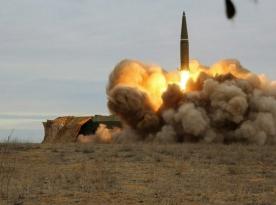
A scenario where iran can attack European countries with ballistic missiles is quite realistic. As is the fact that such an attack would be repelled thanks to the developed missile defense system operating in Europe.
However, its only key problem is that it's American. All its available components united into a single detection and destruction network are American. This should be perceived through the prism of the current U.S. presidential administration's intention or, at minimum, threats to finally leave Europe and curtail its NATO presence.
Read more: Everyone Talks About Oil, But Sulfur Crisis Could Cripple Weapons Production — No Way to Increase Supply
If we assume this will still happen, the situation with repelling an iranian ballistic attack will be completely different. One can start with the fact that European countries don't have a single independent continuous missile defense system independent of the U.S.
In particular, the launch of an iranian ballistic missile toward Europe won't be detected immediately, because European countries don’t have a network of satellites capable of detecting ballistic missile launches. The first among Europeans to notice the threat will be the French thanks to their own over-the-horizon radar Nostradamus, located 90 km west of Paris.
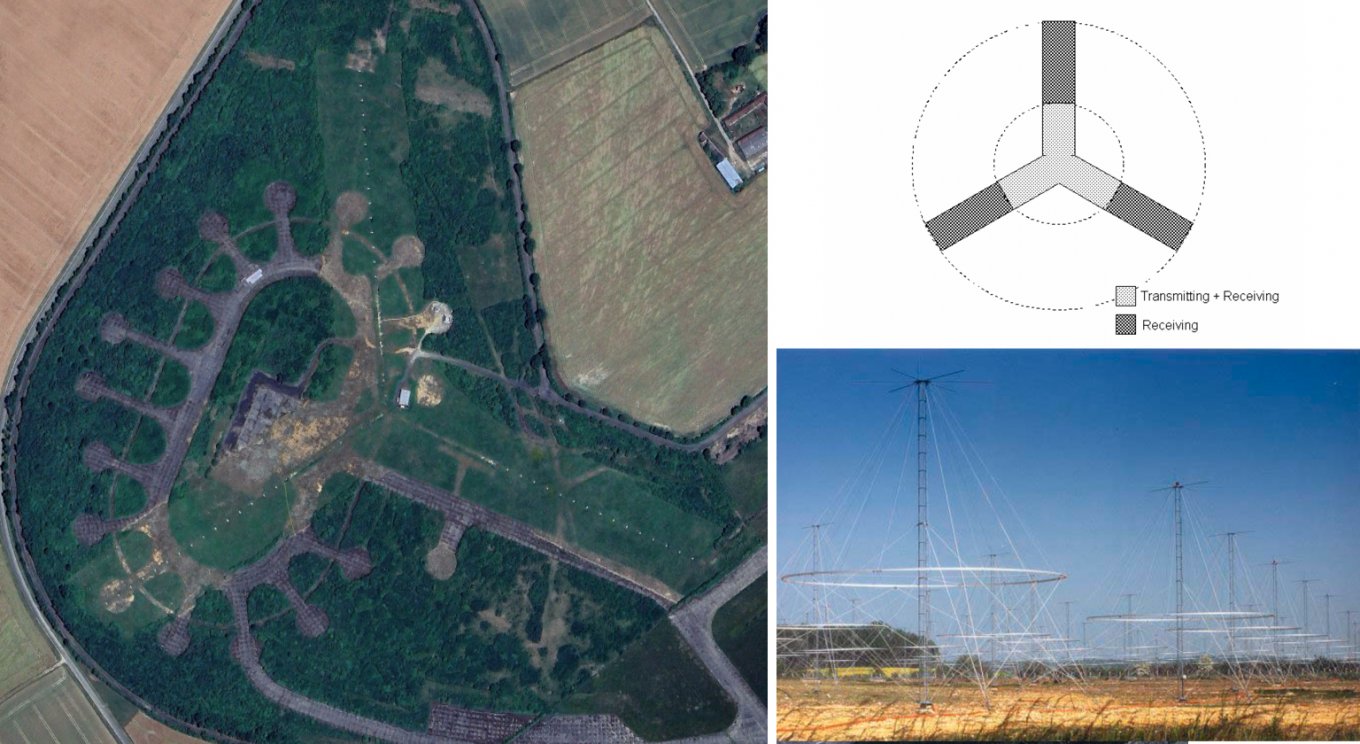
This radar uses radio wave reflection from the ionosphere, allowing it to look over the horizon. Its stated target detection range is 4,000 km, just enough to cover northern regions of iran. However, the main problems of this radar method are dependence on ionosphere conditions, presence of dead zones, as well as low accuracy. It will actually only allow determining that a launch occurred and it's possibly toward Europe.
While the iranian medium-range ballistic missile climbs and flies over Turkiye, European countries will have no means of tracking it. Only when approaching Romania, having climbed high enough, can it fall into the coverage zone of the AN/FPS-132 over-the-horizon radar, which belongs to the United Kingdom and is located at Fylingdales Royal Air Force base in the east of the country, 40 km from York.
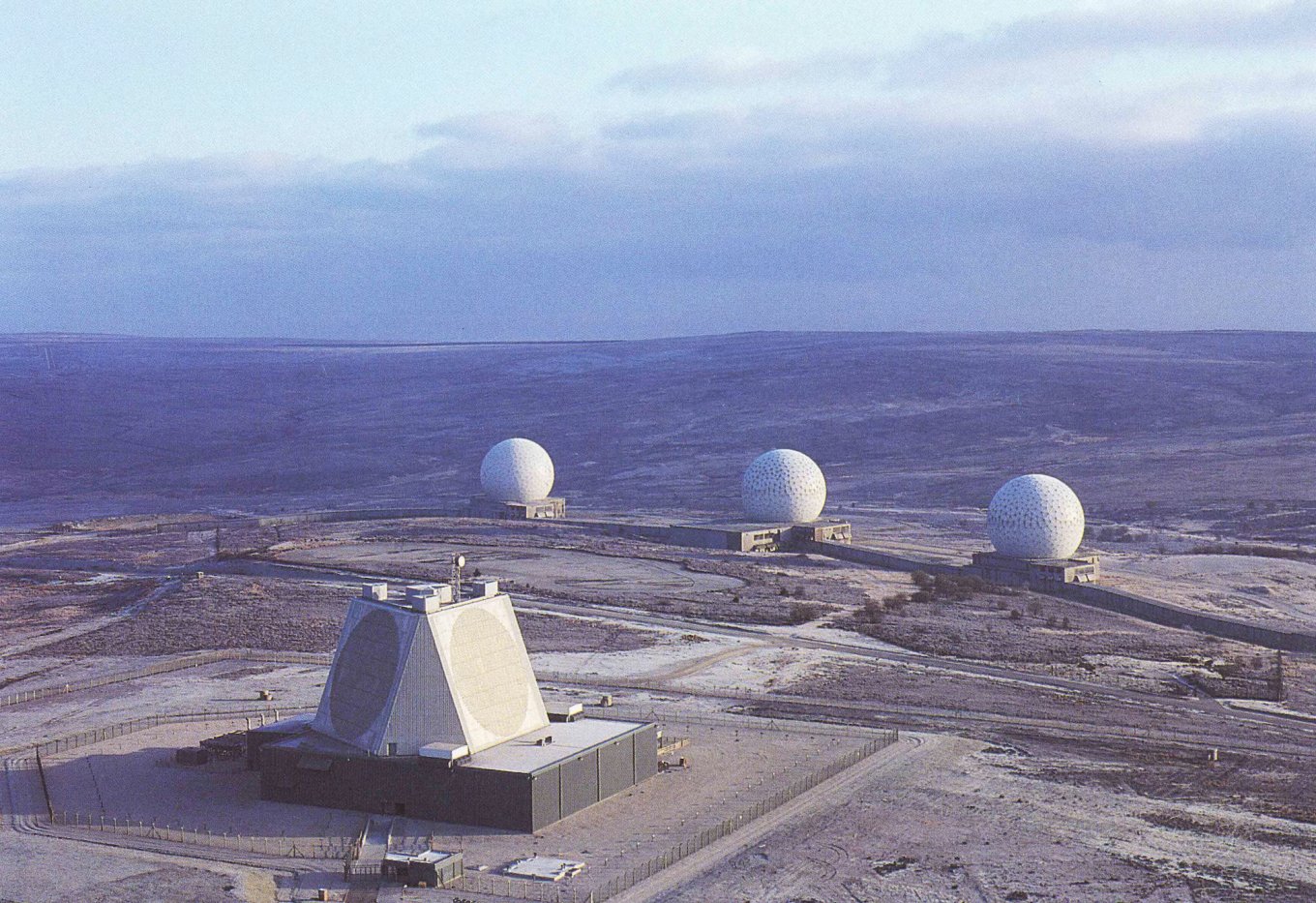
This Raytheon radar is part of the American missile defense system, though owned by the British. However, the British will only be able to track, albeit with great accuracy, its flight. They have no means to shoot it down.
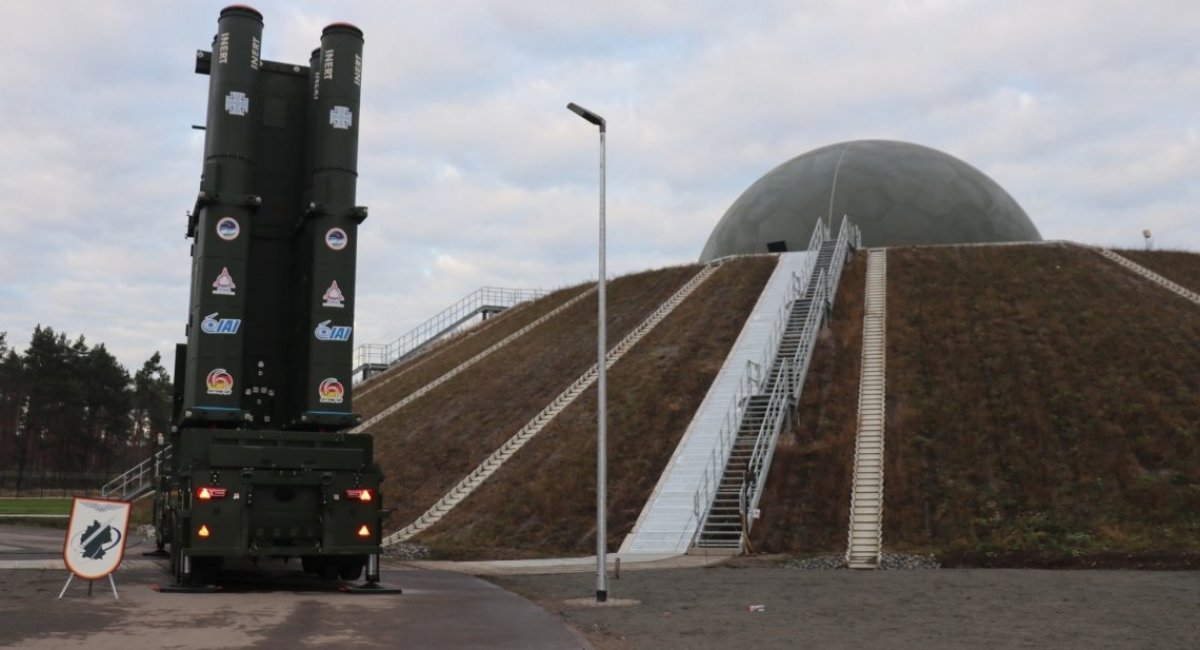
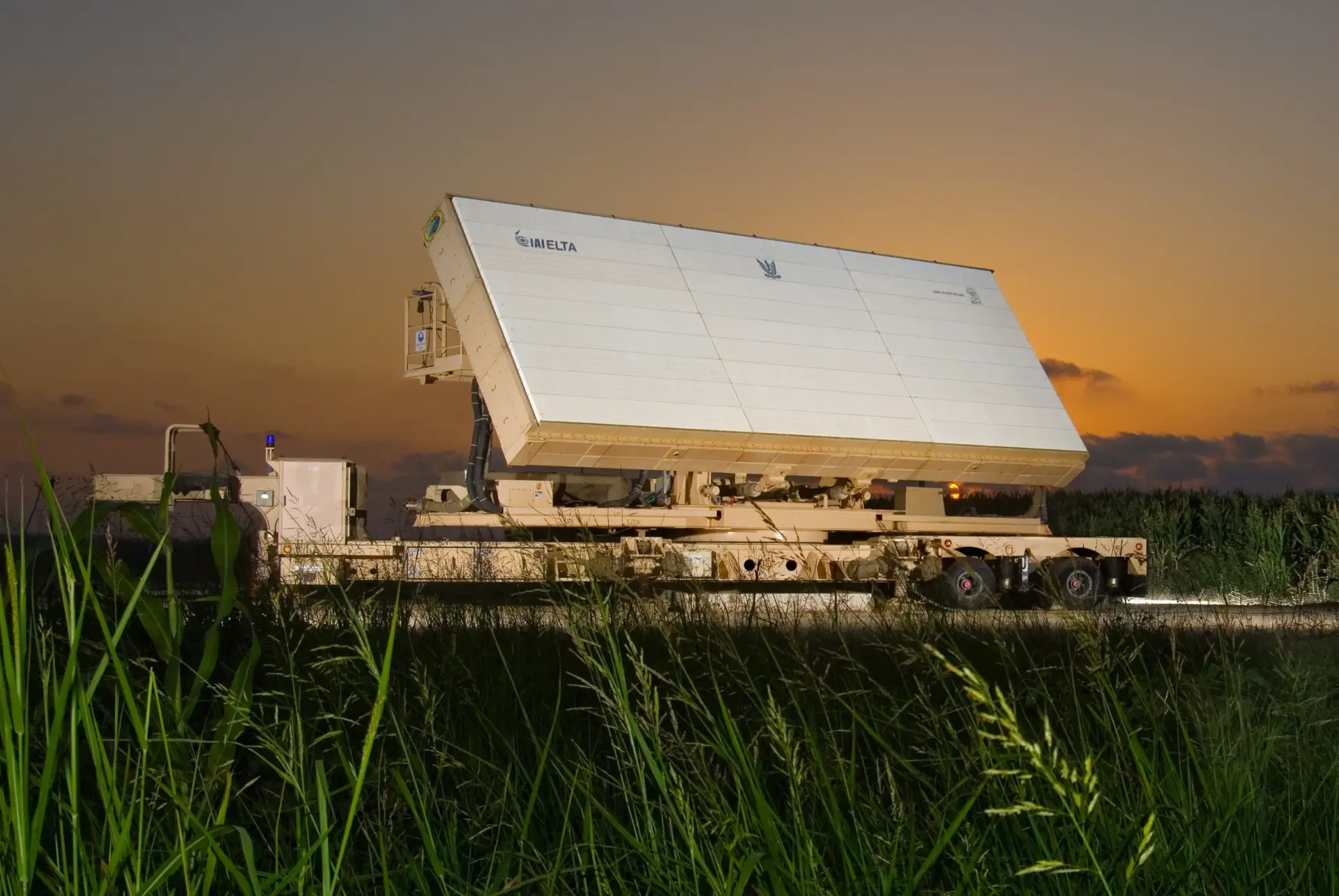
The only one in Europe who can try to intercept it, in case the U.S. doesn't take any part in this, is Germany. It recently armed itself with the Arrow 3 system, deployed at Feuerwehr Holzdorf air base 80 km south of Berlin.
The Germans will be able to see the target using the EL/M-2080 radar, which is part of the system, but this will be at approximately 900 km distance, when the iranian ballistic missile is already over the Romanian-Hungarian border.
However, this will happen if the EL/M-2080 radar, which has sector coverage, is looking toward iran rather than russia. At the same time, Arrow 3 parameters regarding target destruction range and coverage area are unknown. However, it's reliably known that Arrow 3 successfully intercepts iranian ballistic missiles.
However, if the missile passes beyond the capabilities of German Arrow 3, then only individual countries will be able to make an attempt to intercept a medium-range ballistic missile using Patriot SAM systems, which are not designed for this. And only if this system is in alert mode and protecting the object iranians intended to attack.
Besides Ukraine, only Germany, the Netherlands, Sweden, Romania, as well as Poland have such a luxury as Patriot PAC-3 in Europe. At the same time, SAMP/T capabilities at France's and Italy's disposal are insufficient even for effective interception of modern operational-tactical level ballistic missiles. Therefore, they can hardly do anything against MRBMs.
Read more: After 300 Launchers and 66% of Factories Destroyed, Last Third of iranian Missiles Hardest to Eliminate