


russian Shahed and Geran drones continue to violate Moldova's airspace, crossing the border on multiple occasions during long-range strikes targeting Ukraine. With these incursions becoming routine, Moldova has begun taking visible steps to strengthen its air defense posture, most notably by deploying Viktor anti-drone systems already familiar to Ukrainian forces.
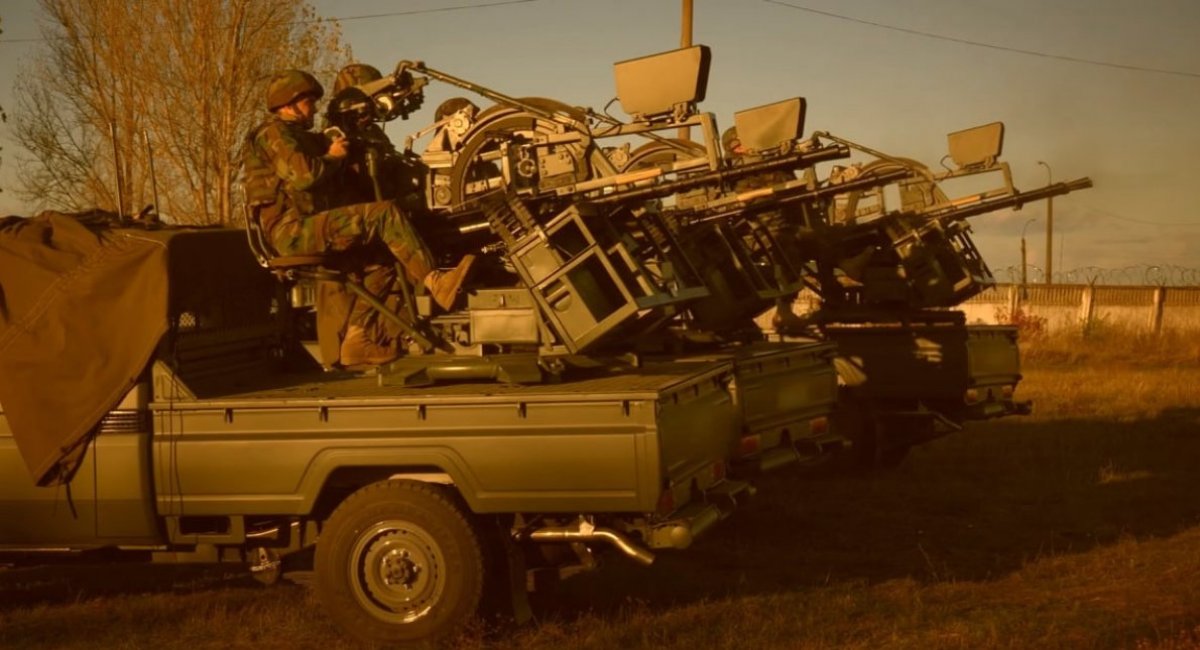
Moldovan Defense Minister Anatolie Nosatîi published footage showing at least four Viktor systems in service. He emphasized that investment in modern equipment significantly improves the military's capabilities and professionalism. His message raises a broader question gaining prominence in Chișinău: will Moldova now start actively shooting down russian drones that enter its territory, something previously impossible due to the near-total absence of air defense systems?
Read more: Ukraine's General Staff Confirms Strikes on russia's Syzran Oil Refinery and Seaport in Krasnodar Krai
The Viktor platform is based on the ZPU-2 anti-aircraft mount armed with twin KPVT 14.5 mm heavy machine guns. Integrated onto a pickup truck and equipped with digital day/night sights feeding real-time imagery to a monitor, the system offers a simple, inexpensive, and effective method to counter low-flying aerial threats. With an engagement range of up to two kilometers, the Viktor system provides exactly the kind of budget-friendly point-defense capability Moldova has lacked.
This acquisition comes as part of a broader national effort to strengthen Moldova's air defense network, an initiative likely supported by the European Union. Earlier reports indicated that the country received 44 Polish-made Piorun MANPADS in 2024. However, these high-value missiles are not a cost-effective solution for shooting down cheap kamikaze drones, making Viktor systems a more suitable tool for routine airspace protection.
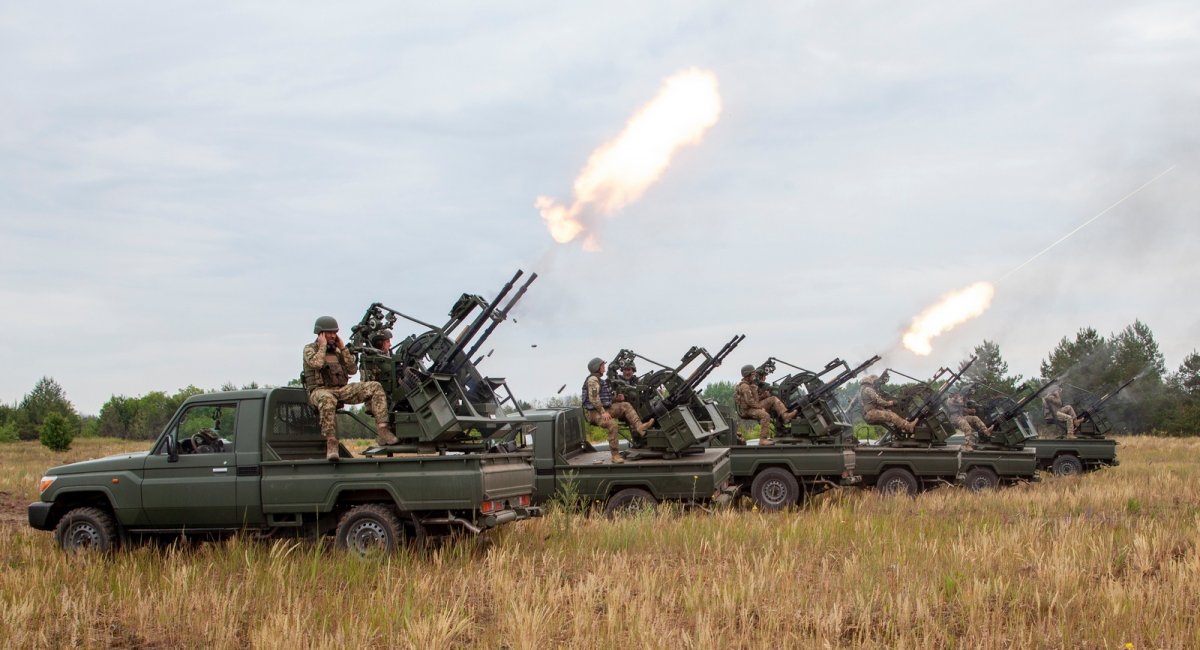
Despite these improvements, the deployment of Viktor guns does not automatically mean Moldovan forces will start intercepting russian drones. Any engagement decision carries political implications, especially given the country's delicate security environment and the risk of escalation with Moscow. For now, the systems appear to bolster readiness rather than signal an immediate shift toward active interception.
Another limiting factor is the modest size of Moldova's forces. Even with the new equipment, the total number of available air defense assets is likely small, restricting coverage to select locations rather than providing nationwide protection. This means the country's capacity to consistently intercept drones remains constrained, though significantly stronger than before.
Read more: Meteor Air-to-Air Missile with Up to 200 km Range Is One Step Closer to F-35 Integration