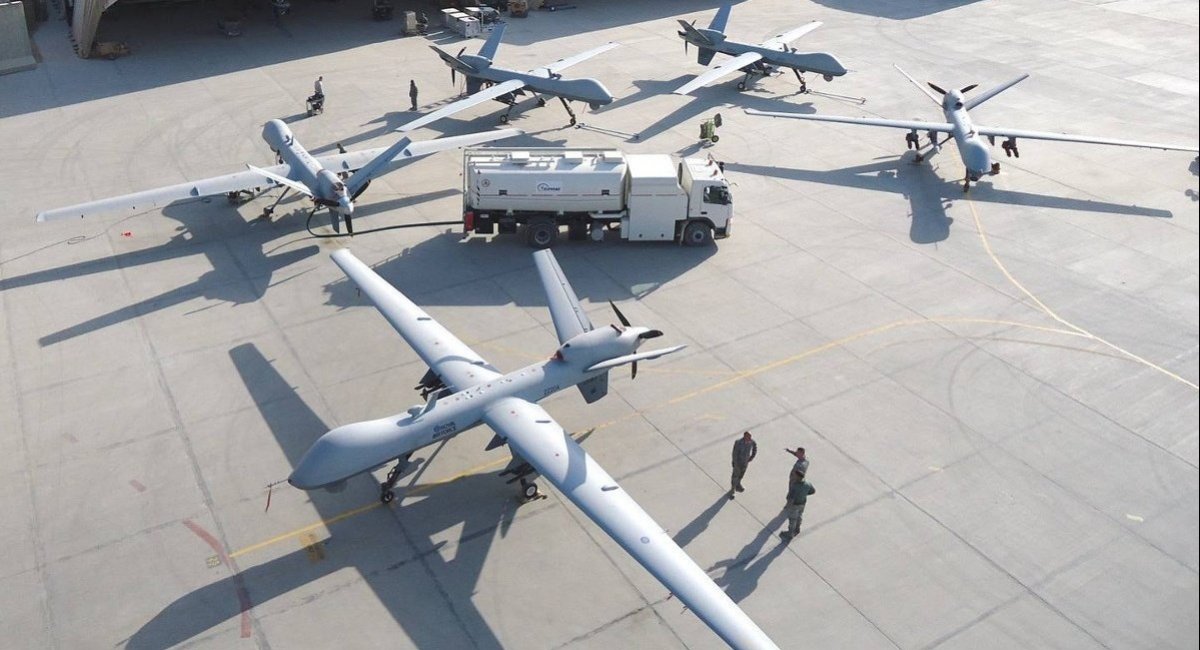
The U.S. congressmen suddenly became concerned about the level of psychological health of UAV operators and other personnel involved in supporting operations using drones, mainly the MQ-9 Reaper long-endurance unmanned aerial vehicles. All this is happening against the background of the fact that the Pentagon has set a course for mass purchases of drones – given the experience of the Armed Forces of Ukraine during the russian-Ukrainian war.
In itself, the concept of "psychological health of drone operators in the US" may look extremely abstract. But the nuance is that this story, if implemented, can have quite interesting consequences in the segment of the development of unmanned technologies, which will certainly affect Ukraine, which is at war with Russia for its Independence and Sovereignty.
Read more: U.S. Air Force to Create Drone Swarm Units by 2026 Five Years Late, But Better Than Never?
How the review should be conducted
The requirement for the US Department of Defense to study psychological effects of working with uncrewed weapons of personnel involved in operations using UAVs was included by Congress in the text of the US National Defense Authorization Act (NDAA) for 2026, in section 737, Task&Purpose writes.
The check of mental health stage among troops who either directly operate UAS, better known as drones, as well as indirectly deal with them should also be carried out along a "general line" - assessing the the prevalence of post-traumatic stress disorder, depression, anxiety, burnout, moral injury, and other mental health conditions”.
The study would also look at elements “unique” to the use of drones, such as sleep disruptions and witnessing lethal strikes remotely, including civilian casualties..
When are the results to be available?
The results of this study’s findings should be embodied in a report, the unclassified part of which should be made public 1 year later, after the after the bill on the NDAA for 2026 is enacted. The report should contain a list of recommendations on how to improve both screenings for mental health impacts on drone operators and treatment for any issues.
It is assumed by experts that the study is likely to focus on the use of larger drones, such as the MQ-9 Reaper, that have been widely used during the Global War on Terror as the American military, to put it mildly, did not have sufficient experience in the mass use of cheaper kamikaze drones and first-person view drones in combat that have become prevalent in Ukraine.
What to expect from this story?
At first glance, all of the above looks like just an insignificant story. They say that the US wants to conduct a psychological test of drone operators, the results of which should be publicly known no earlier than in 1 year – that is, as if there is nothing to pay attention to here at all.
But in the development of any type of weapons and technologies for military purposes, the "human factor" always plays a decisive role. At the same time, no one will argue with the fact that the effective use of UAVs in modern warfare always requires a special regime of combat work and rest for personnel, who have to demonstrate their extraordinary abilities during tasks performance.
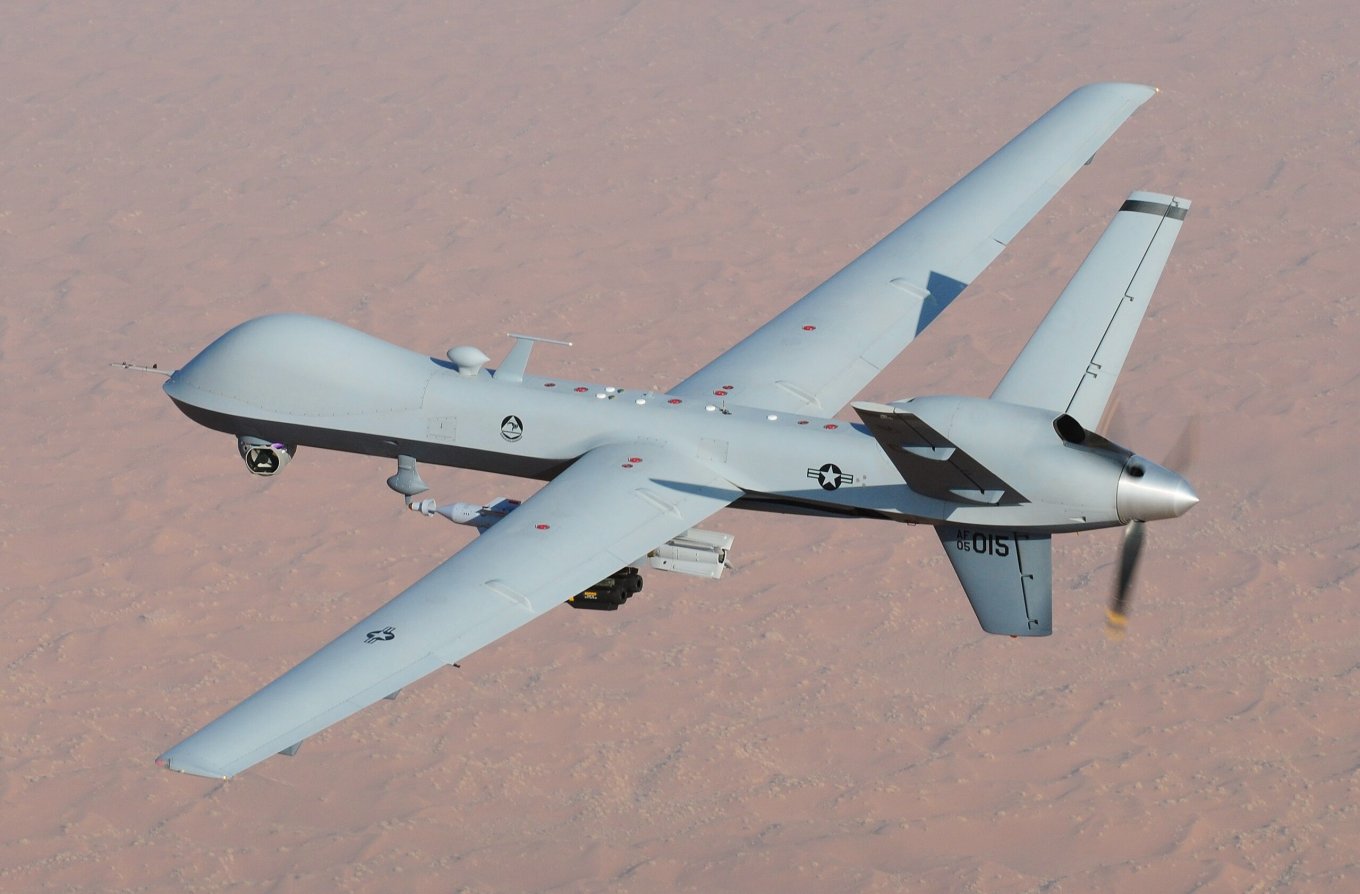
Perhaps this story with testing the level of mental health of personnel for unmanned operations in the US will end simply with bureaucratic replies, without any substantive results. But perhaps everything will turn out the other way around, and American military will take a course towards the integration of "artificial intelligence" as well as other technologies that will be designed to reduce the impact, in particular the psychological one, on UAV operators and other personnel – in order to further reveal the potential of drones on the modern battlefield.
Ivan Kyrychevsky, soldier of the 413th Unmanned Systems Regiment ('Raid') of the Unmanned Systems Forces of the Armed Forces of Ukraine, Defense Express military expert
Read more: Pentagon Brags About Dark Eagle: 3,700km Range, Shahed-Size Warhead, 12 Per Year