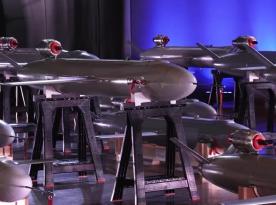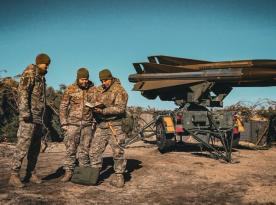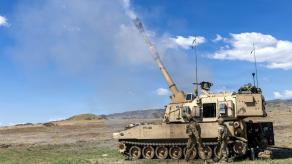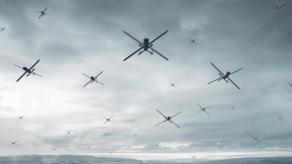



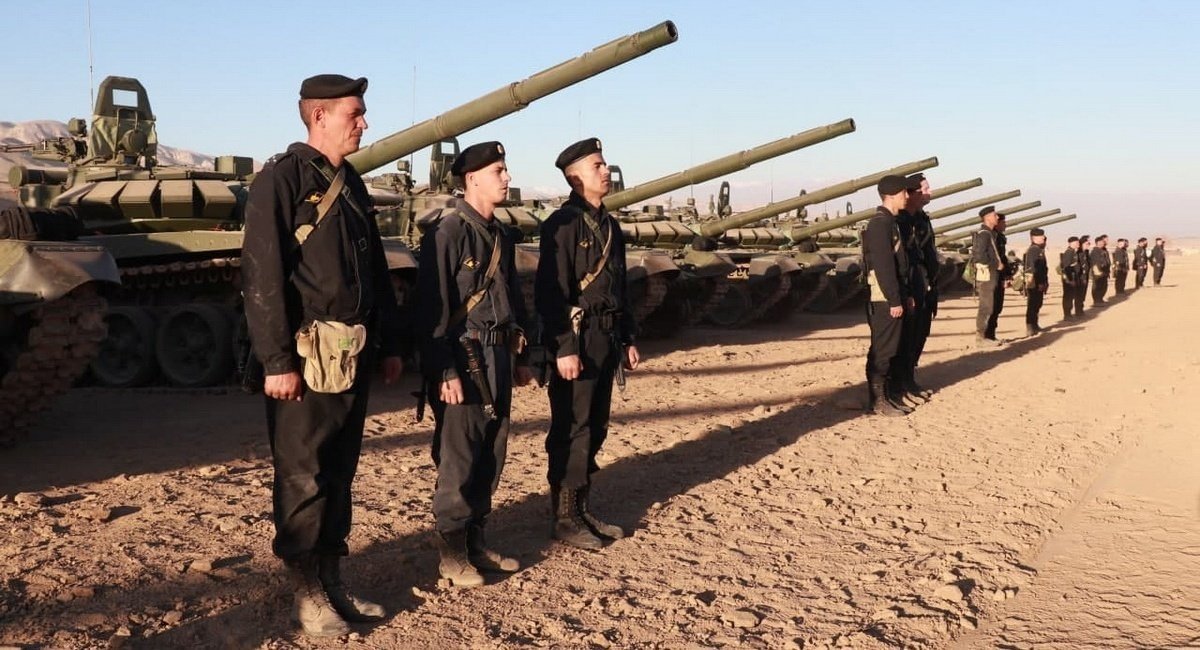
The scale at which drones are employed by Ukraine's Defense Forces is forcing the russian military to reconsider the role of virtually all types of heavy weapons in modern warfare, including tanks and helicopters. Moreover, the era of Guards tank divisions and other large mechanized formations in the russian Army has effectively come to an irreversible end. As a result, the emphasis must now shift toward so-called "armadas of drones."
This is the core message of a recent publication by russia's Center for Analysis of Strategies and Technologies (CAST), published via the propaganda outlet Kommersant. The article is noteworthy because it outlines one of the possible vectors for the future development of the armed forces of the aggressor state.
Read more: Drone Warfare: How Ukraine Is Countering Massive Shahed Attacks
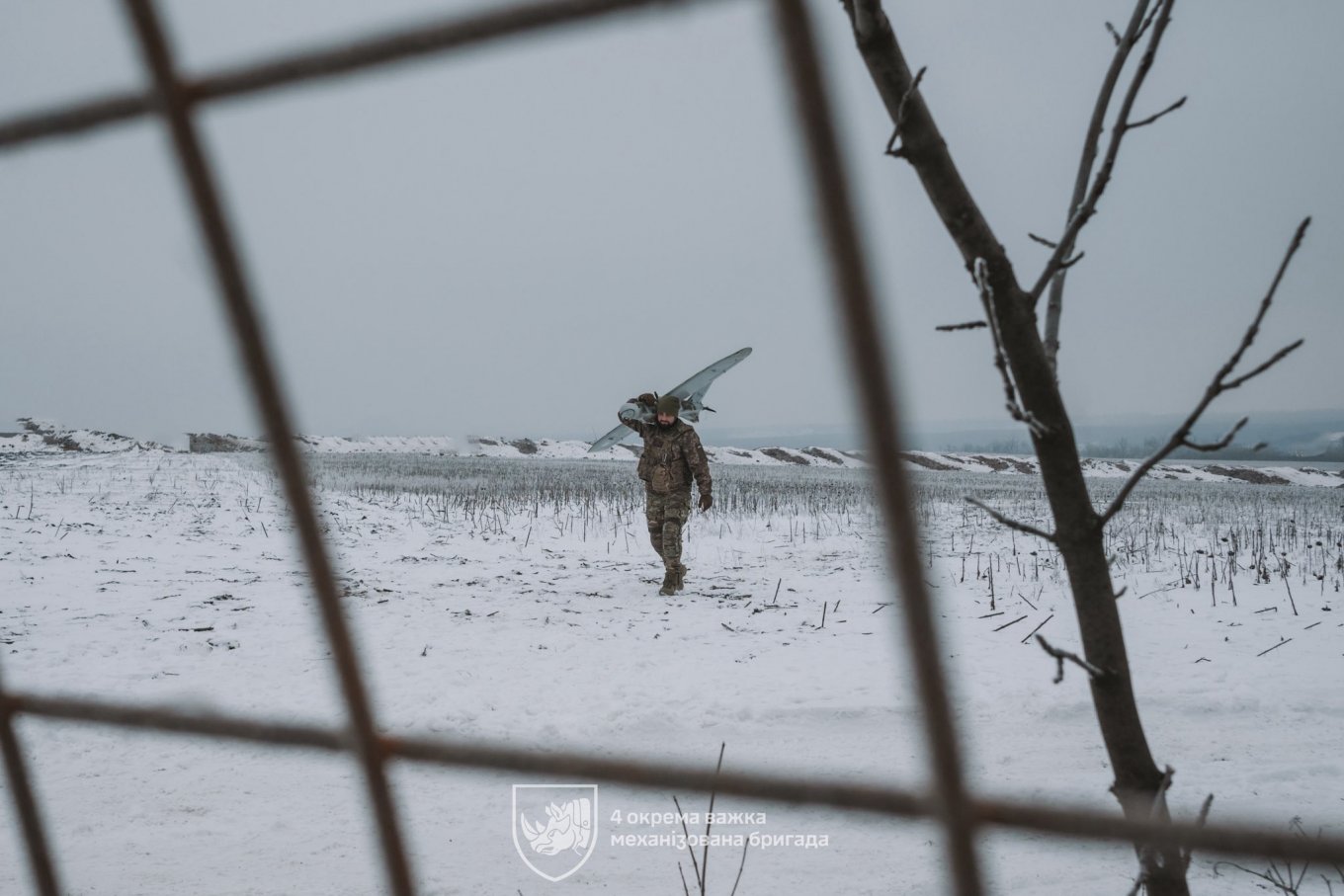
"Drones Will Still Have Their Moment"
A central argument of the CAST article is that russian military leadership should abandon the long-standing thesis that "tanks will still have their moment" and instead adopt a new logic: "drones will still have their moment."
As electronic components continue to miniaturize and become cheaper, and as network-centric solutions and artificial intelligence technologies advance, the ability to deploy swarms of inexpensive drones to strike targets at varying depths beyond the line of contact will inevitably expand.
Against this backdrop, countering UAVs and "clearing the skies" of them is expected to become the dominant form of combat operations. Consequently, battlefield confrontation will increasingly take the form of a struggle for "drone fire superiority," achieving which will be a prerequisite for advancing on the ground and establishing effective control over territory.
Accordingly, force structure, technical equipment, and armaments must be subordinated to the task of achieving this "drone fire superiority" and creating operational space under such conditions.
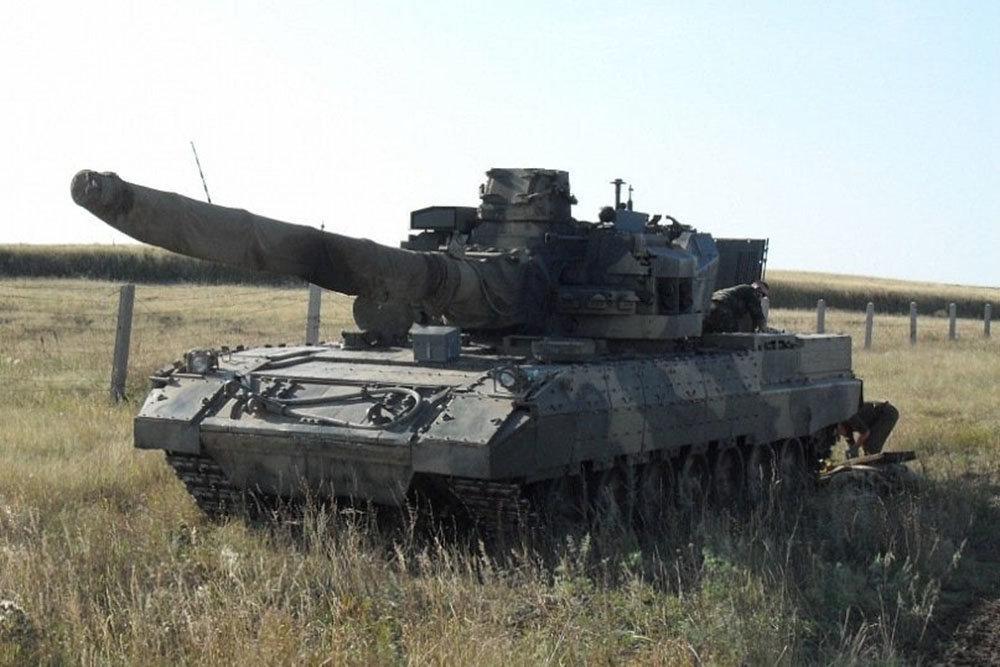
Is There Money for a Next-Generation Tank If Armata Has Failed?
CAST's authors further argue that, beyond ideological and technological considerations, the shift toward "drone armadas" also has a purely practical (financial) dimension. russia's economy, they suggest, will not be able to sustain the extremely high level of military spending seen during the current full-scale war against Ukraine on a permanent basis. As a result, an approach to rearmament that attempts to "fund everything at once" risks ending with the russian Army receiving nothing at all.
They point out that over the 30 years since the collapse of the USSR, russia's defense industry has failed to produce a true "next-generation tank." Projects such as Object 195 and the T-14 Armata have proven unsuccessful. At this stage, russian industry can offer little beyond refurbishment and modernization of legacy T-72 and T-80 platforms.
This, in their view, raises the question of whether continued work on "classic" main battle tanks is justified at all, or whether fundamentally new types of armored combat vehicles should instead be developed.
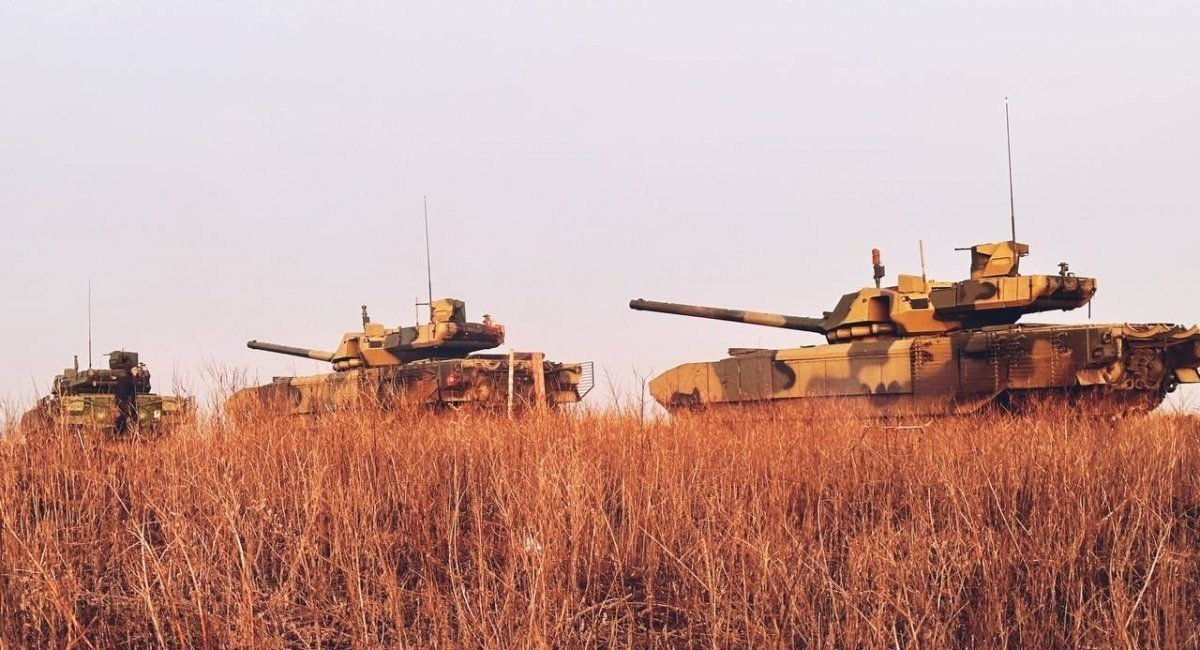
According to CAST, similar reassessments are required for combat helicopters, seen as an extremely expensive category of weaponry, as well as for artillery and other forms of "traditional" heavy arms.
Conclusions
From Defense Express's perspective, two key points stand out.
First, russian analysts are openly acknowledging the need to set priorities, recognizing that the financial resources required to fund all desired rearmament programs simultaneously may no longer be available.
Second, the rhetorical shift from "tanks will still have their moment" to "drones will still have their moment" suggests that the role of UAVs as the dominant category of weapons in modern warfare is still not self-evident to a significant portion of russia's military and political leadership, even after years of battlefield experience in Ukraine.
Read more: Could "Unknown" Drones Destroy F-35 Base in the U.S.? Ukraine's Operation Spiderweb Forced Washington to Ask This Question