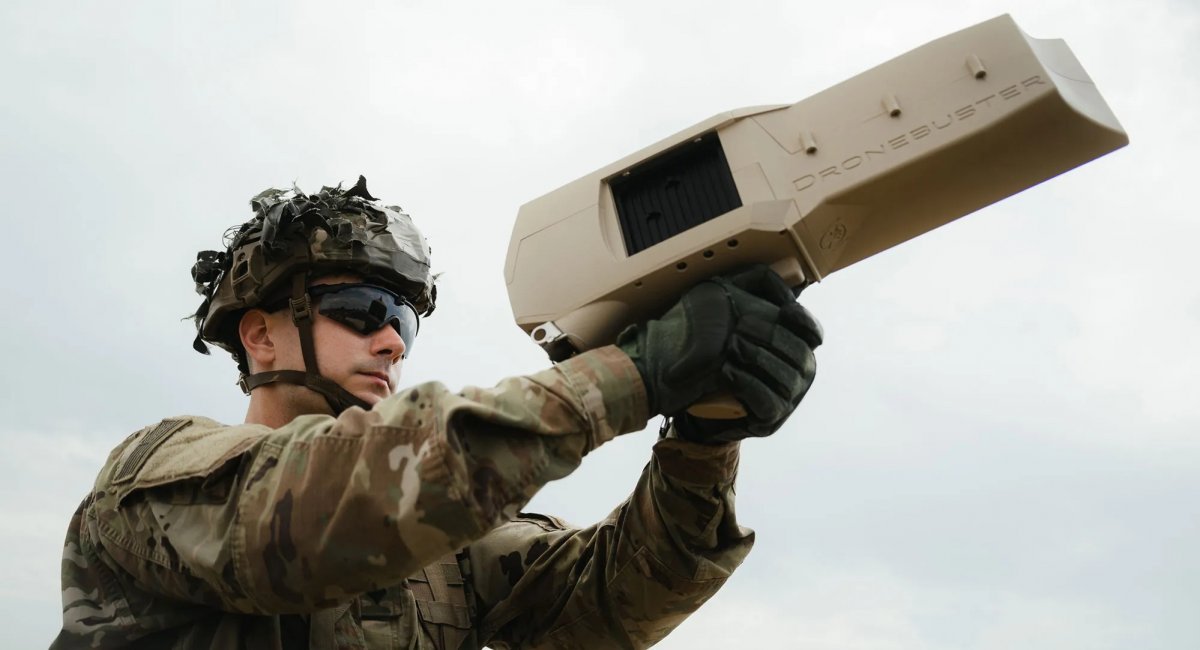
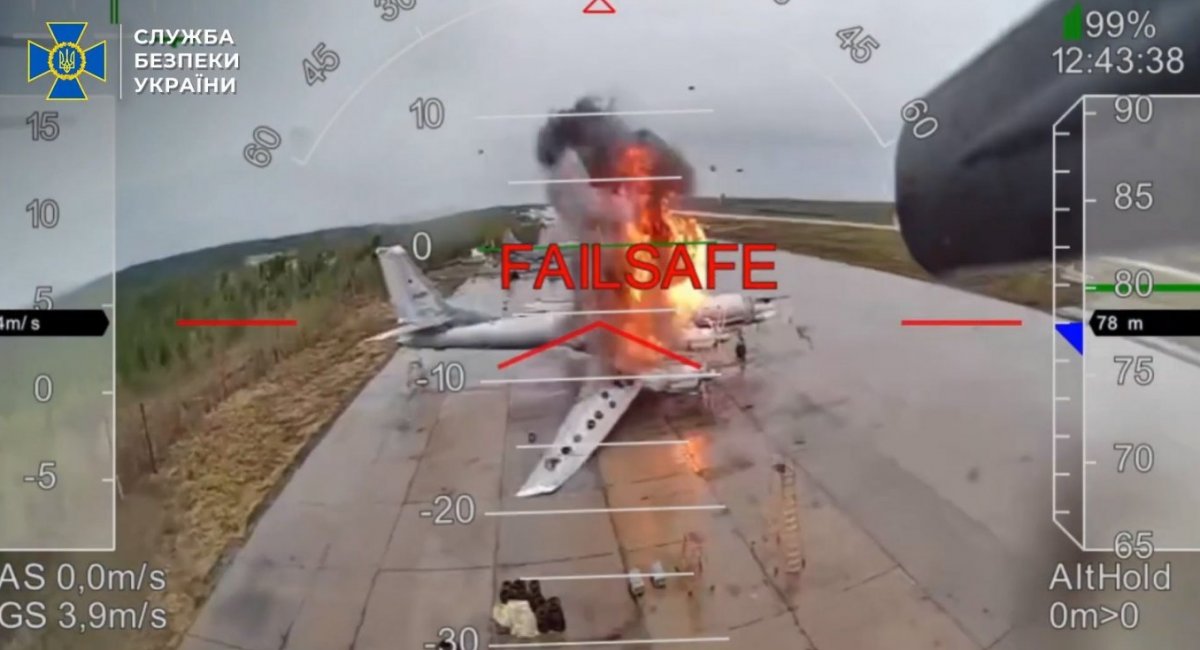
The appearance of "unknown" drones over various U.S. defense sites, combined with Ukraine's successful execution of Operation Spiderweb against russia, during which numerous bombers of the russian occupying forces were destroyed, has forced Washington to reassess the security of its own critical military infrastructure against similar threats.
Particularly revealing is a recent report by the Inspector General of the U.S. Department of Defense, which highlights significant gaps in counter-drone protection. According to Defense News, citing the document Management Advisory: Immediate Attention Required to Protect DoD Covered Assets Against Unmanned Aircraft Systems (UAS), these shortcomings stem primarily from what is described as "bureaucratic confusion."
Read more: This Sea Drone Mission Became Rehearsal For Ukraine's Operation Spider Web
The problem runs even deeper. In the United States Code (U.S.C.), which codifies federal law, the section defining facilities that must be protected against drones does not include training bases. As a result, Luke Air Force Base in Arizona, where fifth-generation F-35 fighter pilots are trained, is not officially designated as a facility required to have counter-UAS protection.
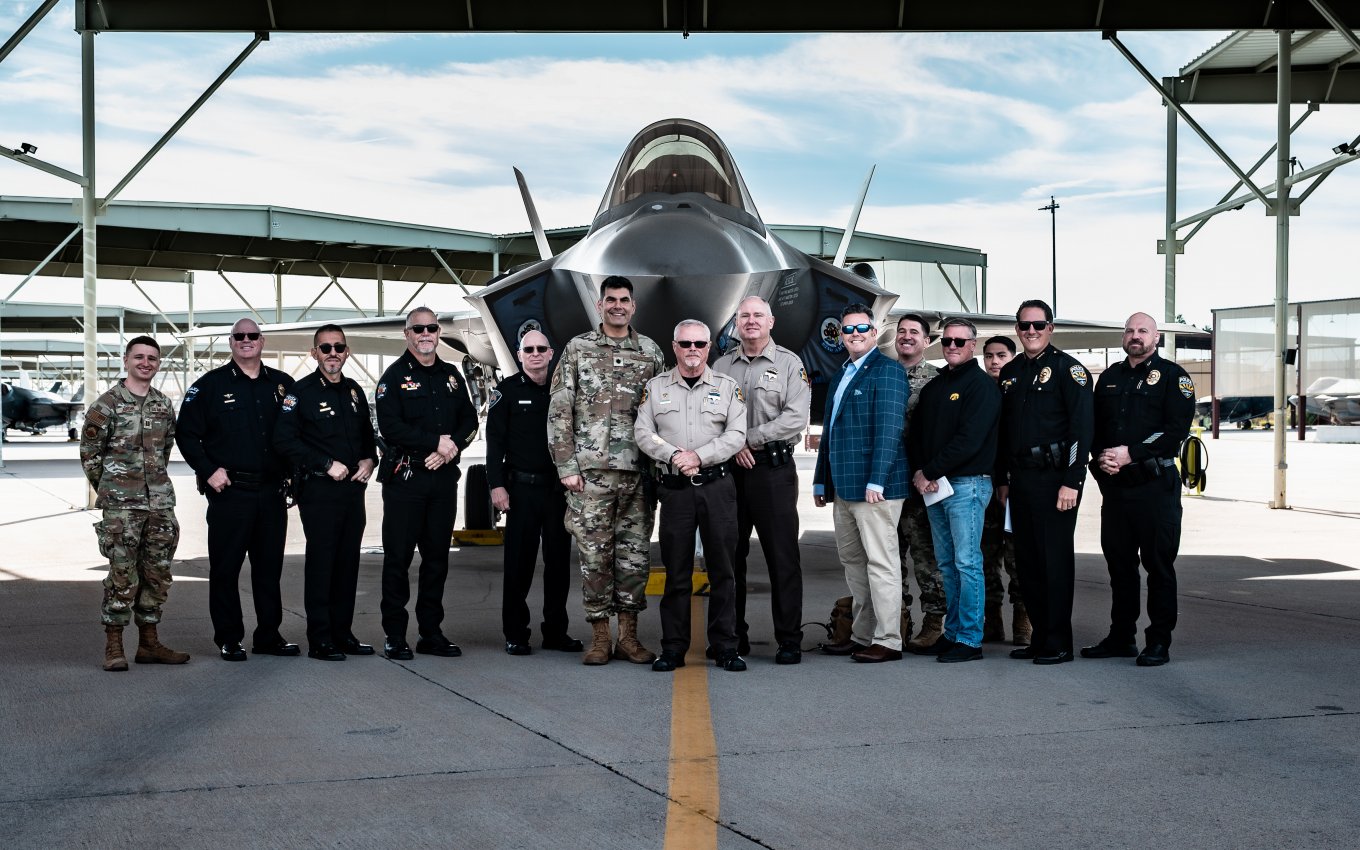
In practical terms, this means that if the base were attacked by drones, responsible personnel would lack the legal authority to employ counter-drone measures. This assumes such systems are even available at the base, a point the report does not clarify.
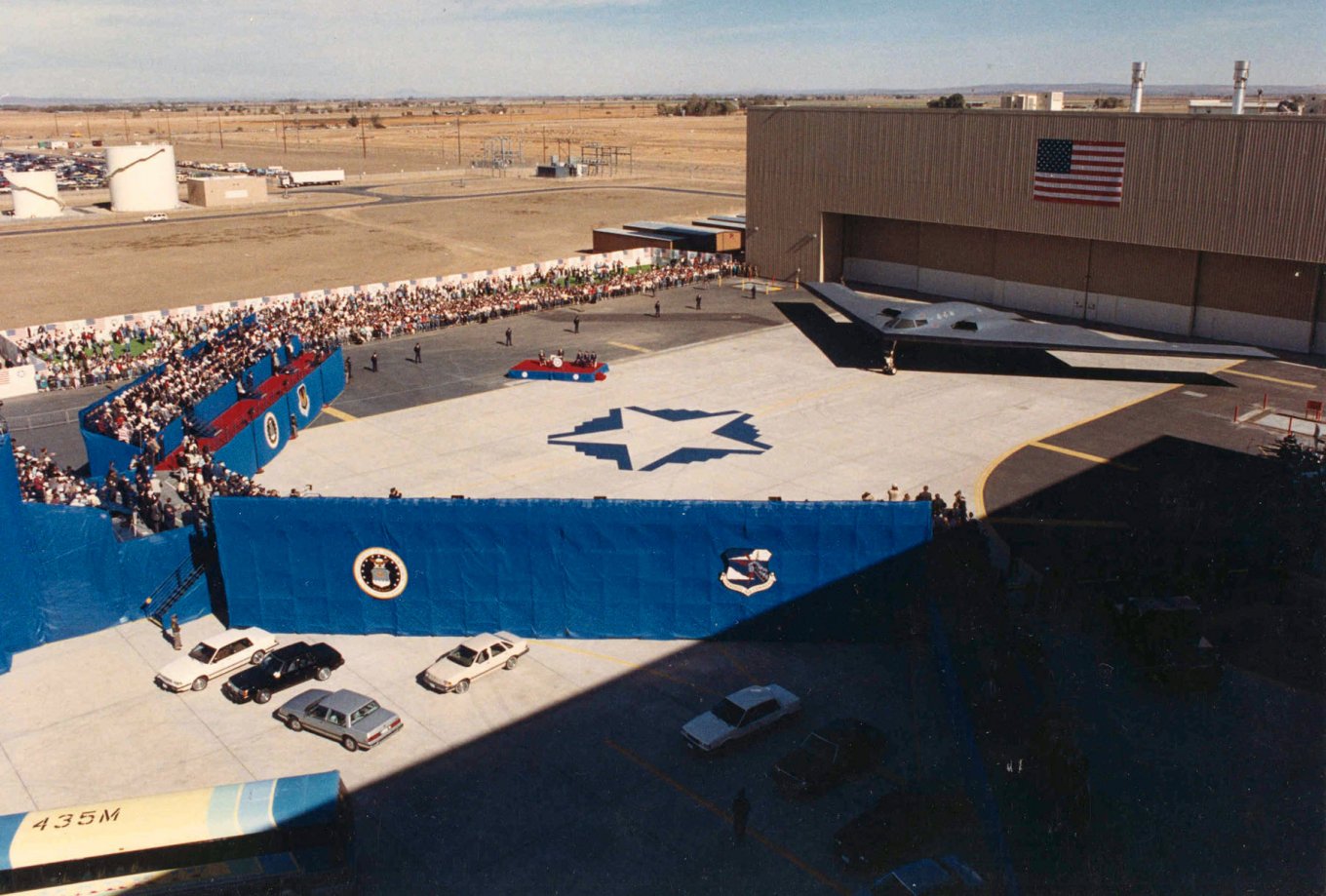
A similarly troubling case involves U.S. Air Force Plant 42 in Palmdale. Two years ago, the facility was repeatedly "visited" by "unknown" drones. Despite being formally listed among sites that should be protected from drone intrusions, the U.S. Air Force claimed that the plant was, in fact, not included on the protected facilities list. At the same time, the Pentagon was unable to provide a definitive answer on the issue.
There are also unresolved questions regarding who is actually responsible for defending specific facilities. Exercises focused on countering small drones revealed the need for a dedicated structure to synchronize the actions of federal, state, local, tribal, and territorial authorities during counter-UAS operations.
During these drills, a critical timeframe was identified: agencies and organizations have just over one minute, specifically 67 seconds, from the moment a drone appears over a facility to communicate and determine whether the UAV is friendly or hostile.
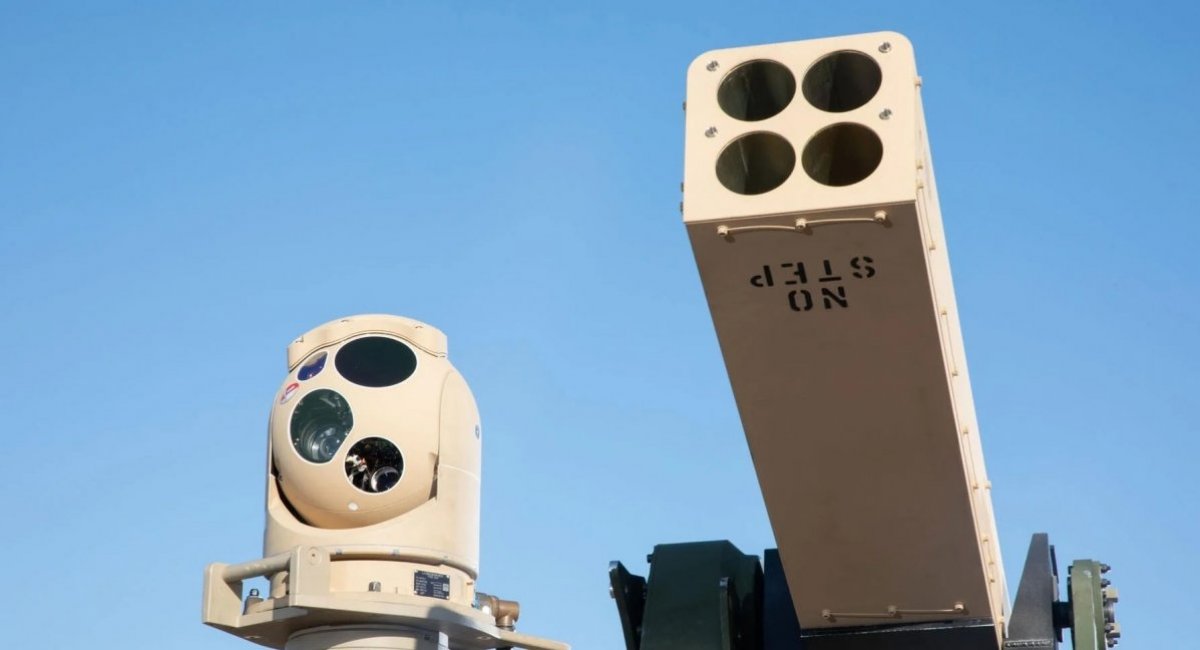
Previously, we reported that Operation Spiderweb pushed the United States to take a closer look at the role of its future Golden Dome system in counter-drone defense. This reassessment is particularly important given that Golden Dome is primarily designed to counter hypersonic and ballistic missile threats, rather than unmanned aerial systems.
Read more: Tu-160M Repairs Take 18 Months and 10 Companies, and It's Even Before Ukraine's Operation Spiderweb