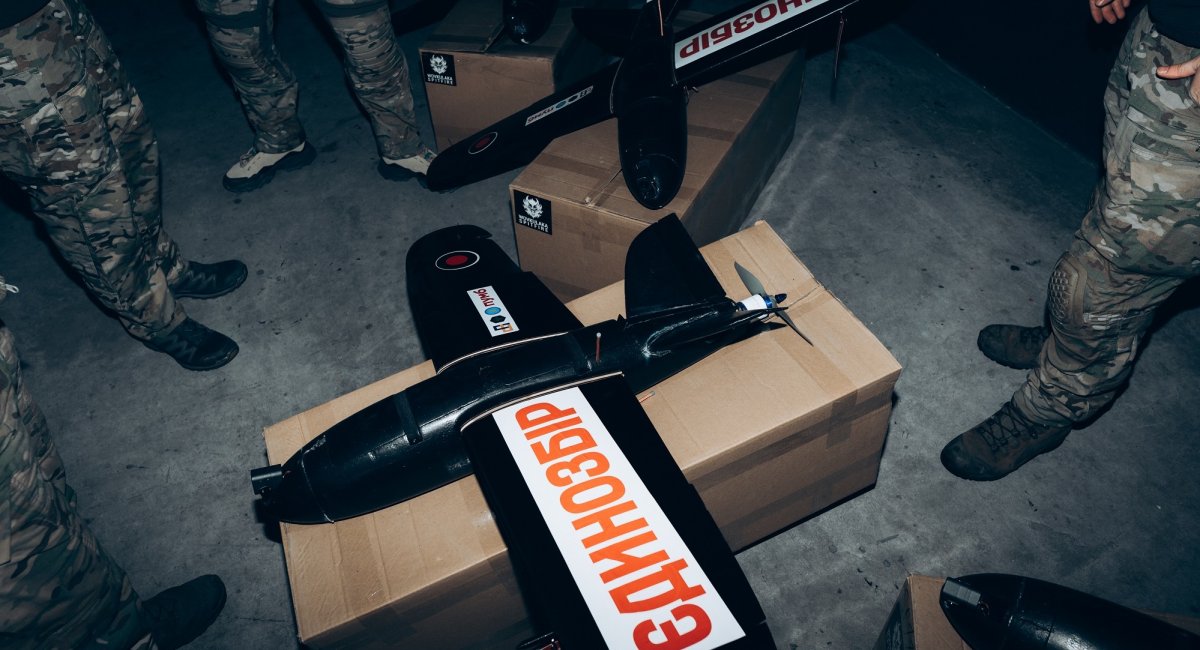
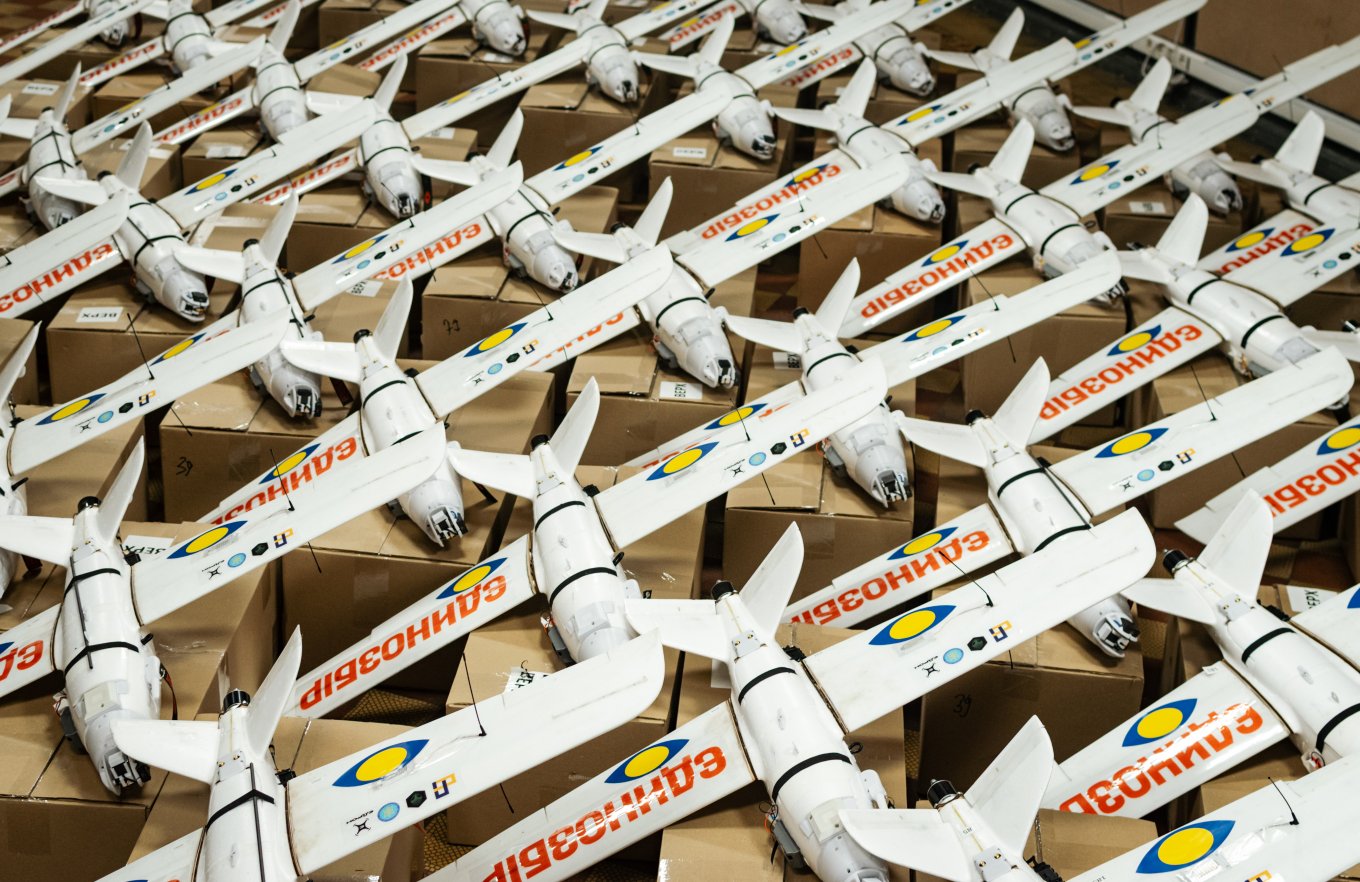
In 2025, russia launched over 54,000 Shahed drones at Ukrainian cities, and according to command estimates, it could deploy up to a thousand drones per day this year. In these conditions, traditional air defense systems need to be strengthened. One of the key solutions is interceptor drones – Ukraine's response to large-scale air attacks.
Bohdan Danyliv, Head of the Military Direction at the Serhiy Prytula Charitable Foundation, explains how these systems operate, why their effectiveness is growing, and what allows them to be rapidly scaled, in a guest article supporting a major fundraising campaign for interceptor drones, an initiative Defense Express also urges readers to join.
Read more: From the U.S. Army to Ukraine: Ranger Dan's Personal War Against russian Imperialism
The Sky Under Attack: When Traditional Air Defense Needs Reinforcement
According to the command, today's air defense system is about 74% effective. At the same time, russia is using combined attacks, most of which involve kamikaze strike drones. This puts a critical strain on the air defense system.
"At least 400 Shaheds per day. Plus cruise missiles, ballistic missiles, decoy drones and, since January this year, RM-48U decoy missiles. No air defense system in the world is capable of withstanding such constant pressure," explains Bohdan Danyliv.
In addition to the physical strain, the economic feasibility of shooting down Shahed drones must also be considered. A single MIM-104 Patriot missile costs between $2-5 million to fire, whereas a russian kamikaze drone costs just $20-50 thousand. The calculation is simple, but brutal: each target shot down costs the defender dozens of times more than it costs the enemy to launch it. It is impossible to prevent attacks using only traditional air defense systems due to the massive depletion of these systems and economic reasons.
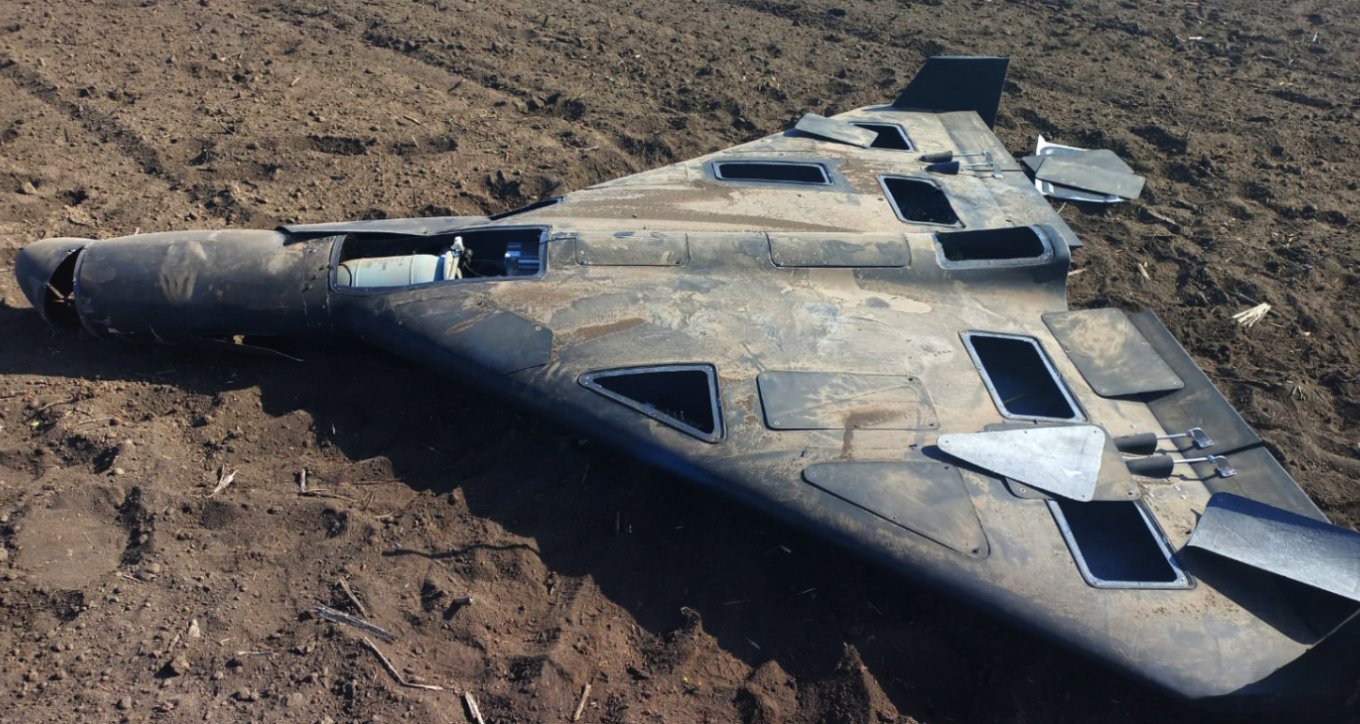
January 2026 confirmed the systematic nature of this threat. Russia continues to attack regularly with minimal pauses, trying to exhaust the Ukrainian air defense system, destroy the energy infrastructure, and put pressure on civilians. In these conditions, traditional air defense systems require technological reinforcement.
Interceptor Drones: Technology Born During Wartime
"In this war, technology changes faster than a new iPhone is released," says Bohdan Danyliv. "In 2022, we used solutions that are no longer effective. Furthermore, what was relevant three to five months ago is now outdated."
During the first months of full-scale war, battles were fought using old strategies involving tanks, armoured personnel carriers, artillery and sabotage. There was no such scale of electronic warfare and electronic countermeasures, FPV drones, interceptors, strike UAVs, or complex reconnaissance systems. But the war evolved quickly, and one of the key decisions was to use interceptor drones.
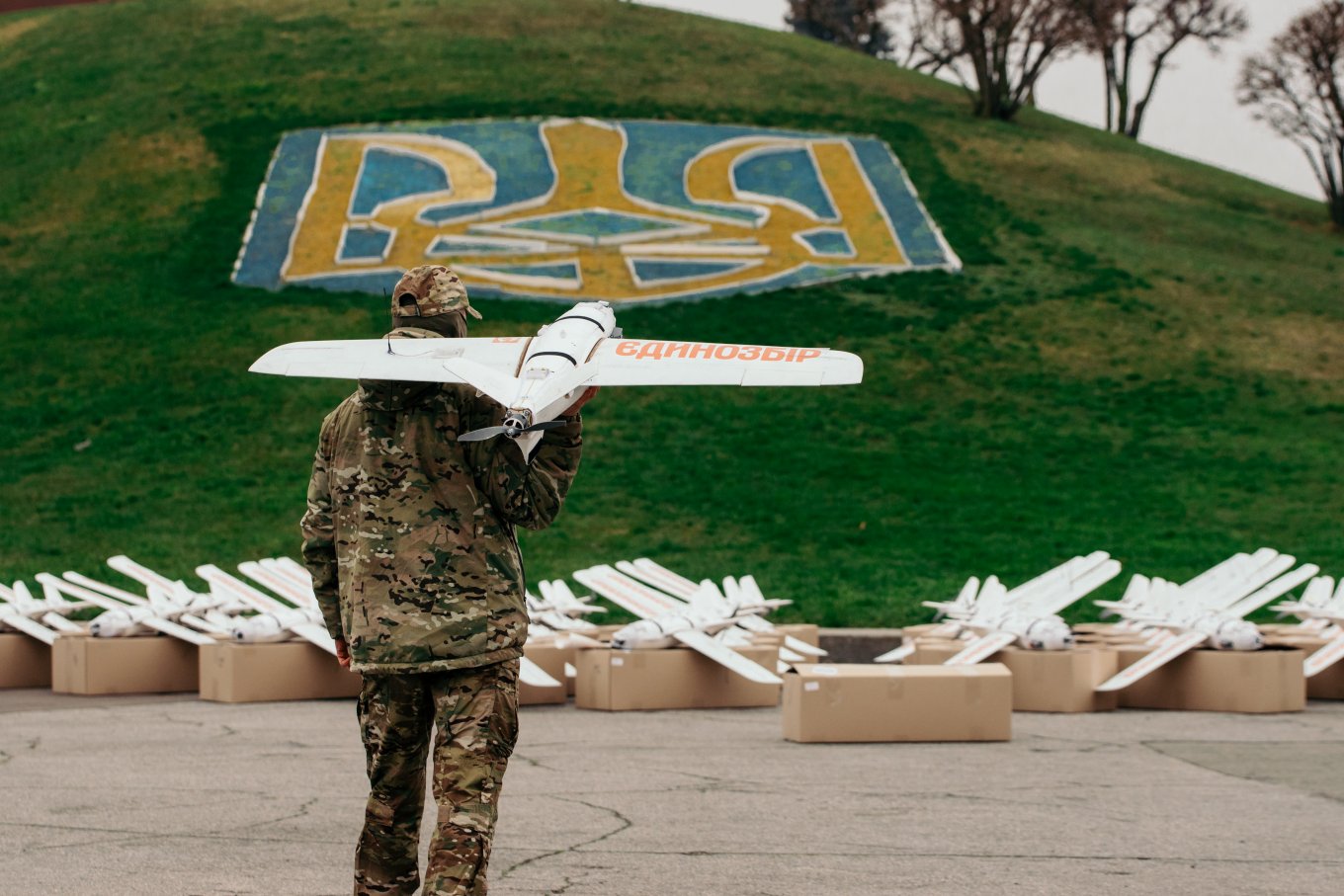
Two or three years ago, such an idea seemed crazy. Similarly, no one initially believed in FPV drones, but today they are the main weapon on the front line, effectively destroying enemy manpower and equipment. Interceptors have followed a similar path, evolving from scepticism to widespread use.
This is the response of Ukrainian engineers and military technology manufacturers, in cooperation with the Defense Forces, to massive enemy attacks. "Interceptors shoot down a significant number of targets, thereby reinforcing traditional air defense," explains Bohdan Danyliv. Specific figures on their efficiency are not disclosed for security reasons, but their effectiveness is clear to the Defense Forces.
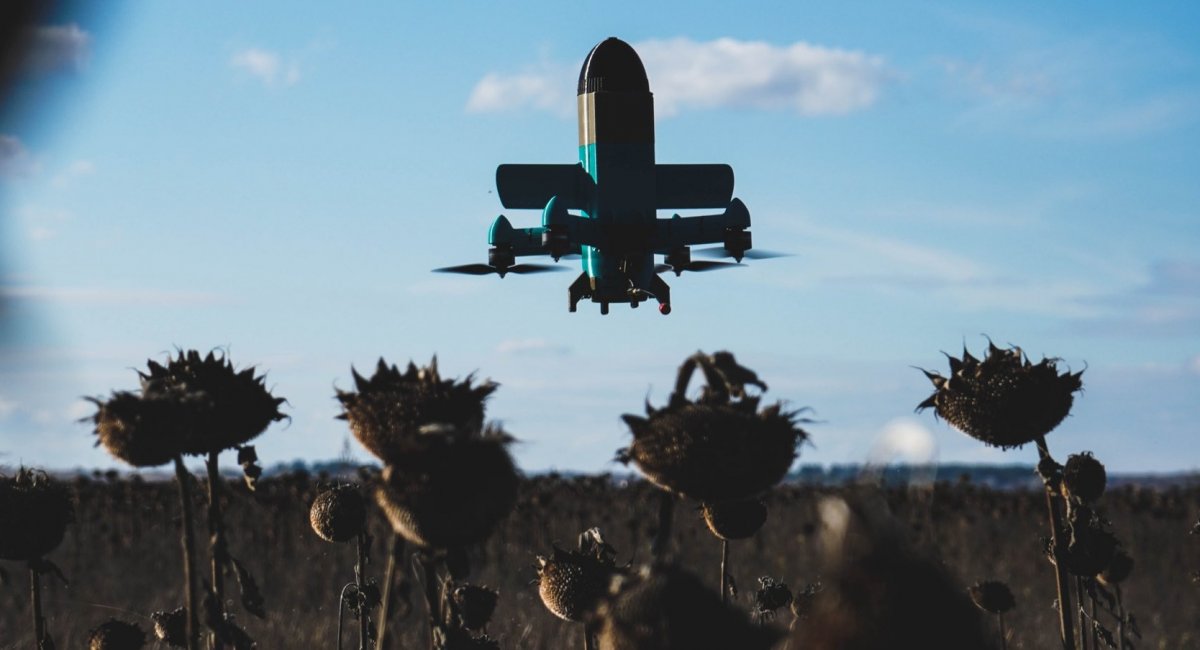
The Ukrainian Sting, Blyskavka, P1-SUN, Taras+ and LITAVR are all in use on the front line. There is also the American Merops, which was developed in collaboration with a Ukrainian team. Following successful trials on the battlefield, NATO countries are now integrating them into their systems.
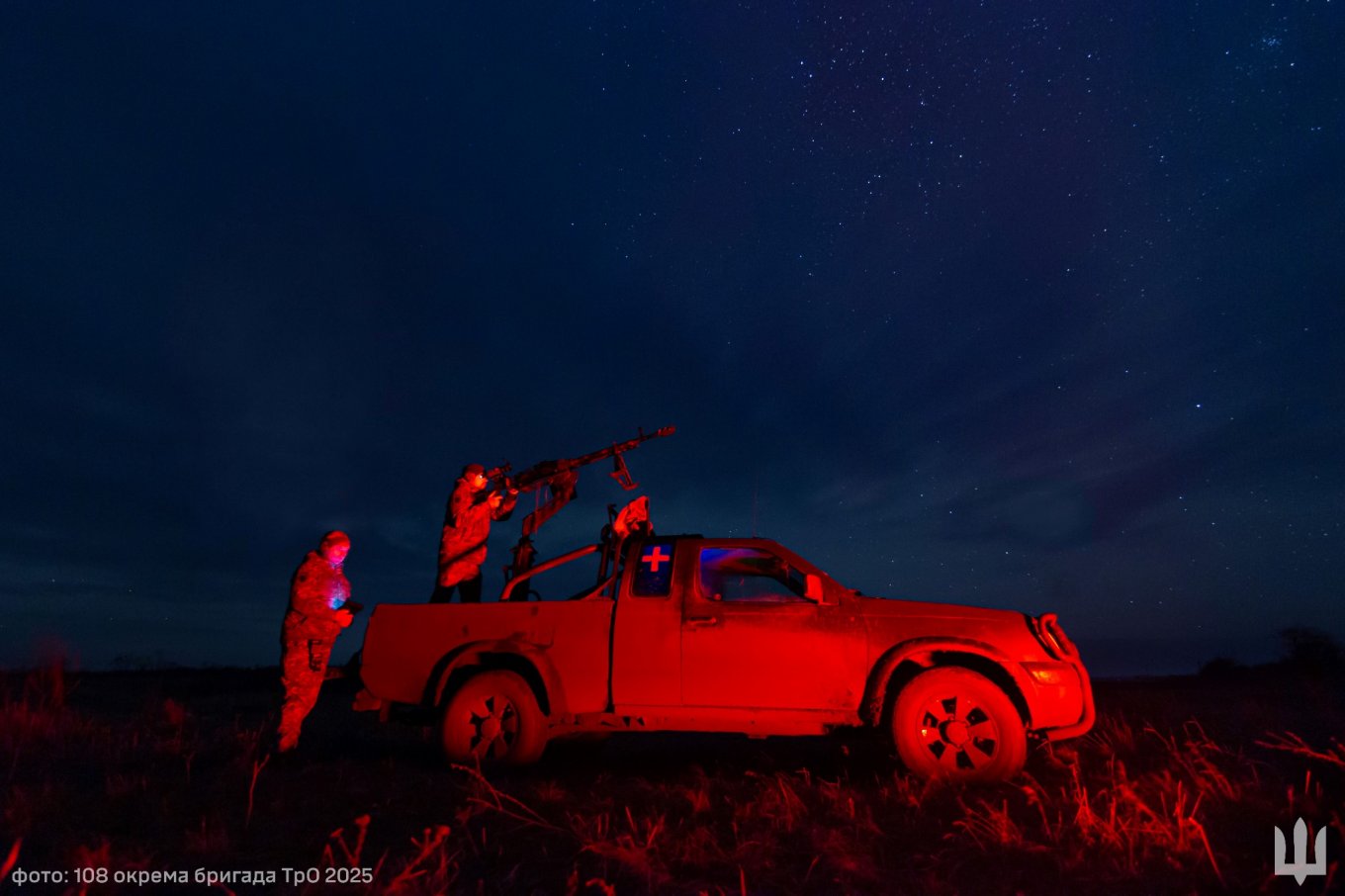
Skylock optoelectronic systems are particularly effective for mobile fire groups (MFGs). Using thermal imaging, they can detect targets and track airborne objects moving at speeds of up to 100 km/h, transmitting targeting data in real time. Last year, Serhiy Prytula Charity Foundation and Uklon raised over 52 million hryvnias as part of the Light Up the Enemy and Light Up the Enemy 2.0 fundraising campaigns to purchase high-tech targeting and navigation systems and targeting systems, including 80 SkyLock optoelectronic systems for 14 units.
Enemy Tactics In The Sky
Russia's air tactics are constantly evolving in response to Ukrainian decisions. After mobile fire groups with heavy machine guns and anti-aircraft guns began to shoot down enemy kamikaze drones en masse, russia increased the flight altitude to 1.5 km and above.
With the advent of interceptor drones, the enemy has adapted once again. Now they combine different flight profiles, taking into account the location of interceptor calculations, MFGs and radar fields. Strike drones can fly at extremely low altitudes, which makes them impossible to detect with tactical radars and makes interceptor work extremely difficult. By contrast, in areas where mobile fire groups are operating, the Shaheds rise above 1.5 km, where small arms and anti-aircraft guns are less effective.
Russia is also constantly increasing the speed of its strike drones. Flying at speeds of around 200 km/h, Shahed drones can quickly pass through combat zones and areas covered by mobile fire groups and interceptor calculations, significantly reducing the time available for a response.
Increasingly, mass attacks are carried out by large groups, approximately one-third of which are decoy drones made of foam and plywood (Gerbera, Parody). This makes the work of defense units much more difficult and overloads the air defense system as a whole.
This is why it is necessary to strengthen all areas of air defense. Interceptor drones are not a replacement for traditional air defense or mobile fire groups; rather, they provide an additional echelon of defense, significantly strengthening the overall system. They cover areas and altitudes where other systems are less effective, thereby complementing the multi-level airspace defense system.
How Interceptor Drones Work
"Interceptor drones are not a temporary solution, but rather an integral part of Ukraine's future air defense system," says Bohdan Danyliv.
When an enemy target is detected by a radar station, the interceptor drones receive its coordinates and take off, adjusting their route as necessary. Situational awareness systems allow operators to see both their own and enemy drones, enabling them to visually search for, track and hit targets.
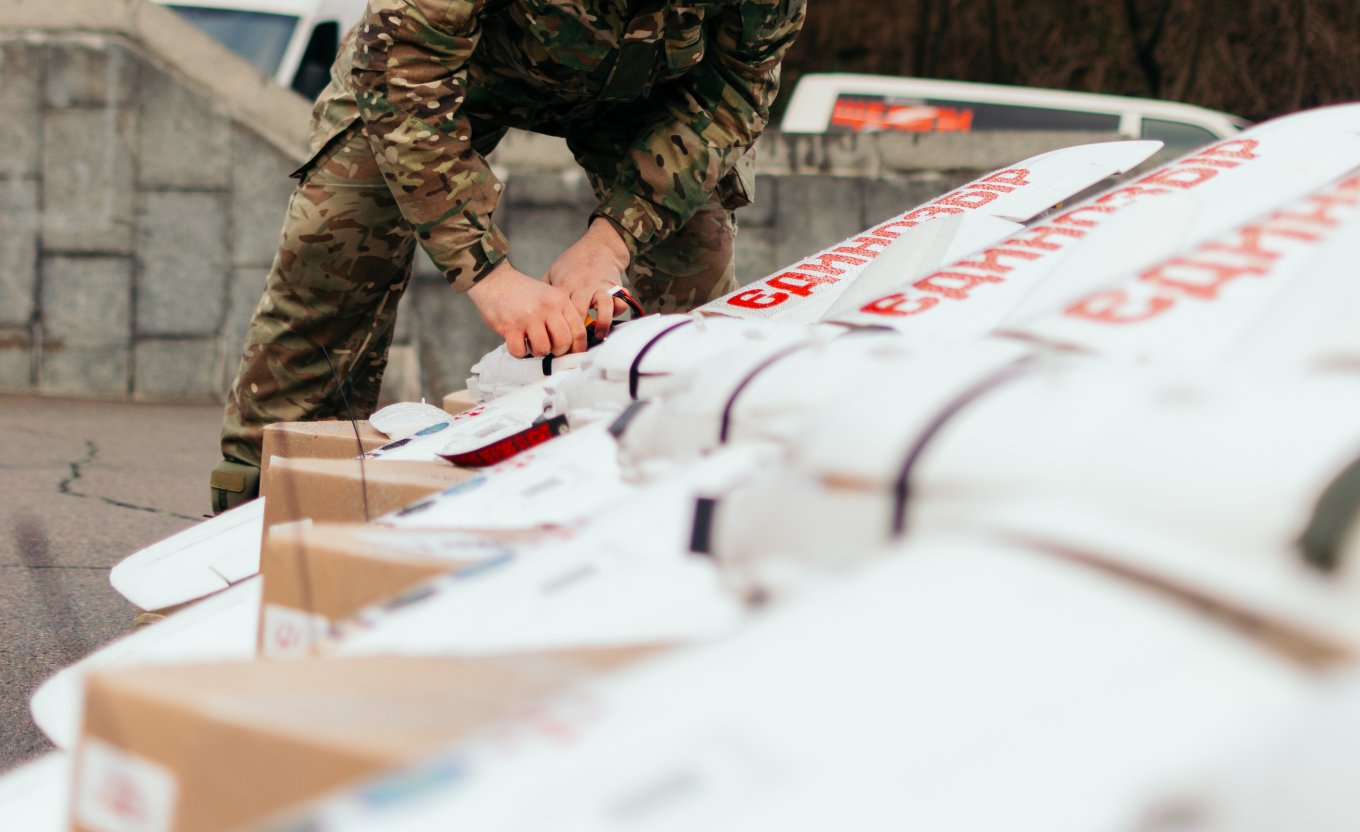
The technical capabilities of interceptor drones depend on when they are used. The main differences between night and day interceptors are price and application. Thermal imaging cameras are an order of magnitude more expensive than conventional ones. Previously, the vast majority of Shahed attacks took place at night, but this distinction is now blurring, with attacks occurring throughout the day. During large-scale attacks, the main wave still occurs at night and in the morning.
The effectiveness of Ukrainian interceptor drones in countering massive attacks is explained by their several key advantages.
Price: An interceptor drone costs between $3,000 and $15,000. This is cheaper than a Shahed drone, which costs between $20 and $50 thousand, and hundreds of times cheaper than an air defense missile.
Speed: Ukrainian production means delivery in weeks rather than months, as well as the ability to contract manufacturers in advance at fixed prices. The equipment reaches the front line without any bureaucratic delays.
Technological development and adaptability: Manufacturers are constantly improving communication systems, flight performance, video quality and noise immunity. Automated acquisition and tracking systems are also being developed.
Scaling training: Operators can be trained quickly, new crews prepared, and the need for trained specialists met promptly, even under conditions of increasing attack intensity.
In November 2025, Serhiy Prytula Charity Foundation together with the Nemesis 412th Brigade and UWC launched One United Fundraiser – Ukraine's largest defense fundraiser – raising one billion hryvnias for interceptor drones and fully equipped crews to stop enemy attacks in the sky every day. Thanks to the support of Ukrainians, businesses and the international community, over 300 million hryvnias had been raised by the end of January, and more than 20 units had been reinforced.
From the Defense Express side, we urge readers to join a fundraiser for a solution that is already proving effective: the One United Fundraiser, organized by the Serhiy Prytula Charity Foundation to support interceptor drones.

Read more: Ukraine's General Staff Reports Strikes on russian Repair Base, Drone Control Infrastructure