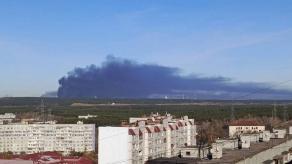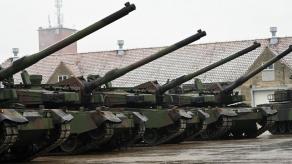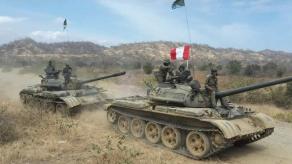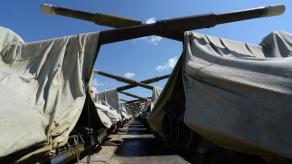
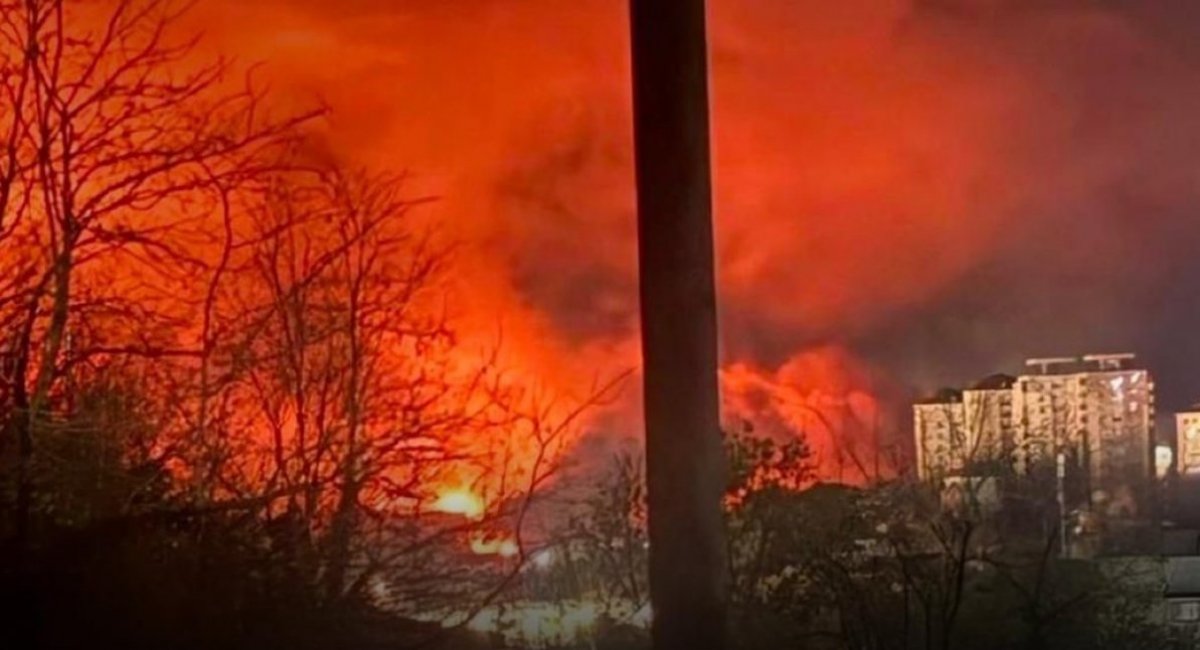
russia is steadily transforming temporarily occupied Crimea into a heavily militarized forward operating base, according to Andrii Cherniak, a representative of the Defense Intelligence of the Ministry of Defense of Ukraine. Speaking to the Crimea.Realities project, he outlined a multi-layered strategy pursued by the Kremlin on the peninsula.
At the core of this approach is the systematic buildup of military capabilities. Russia is saturating Crimea with weapons and equipment, effectively turning it into a large-scale military platform. Settlements across the peninsula are increasingly assigned specific roles within this structure, reflecting a shift toward a fully integrated military zone rather than a civilian territory.
Read more: Ukrainian SOF Drones Hit Arsenals and Logistics Hubs on russia's Crimea Corridor (Video)
Andrii Cherniak emphasized that Moscow views Crimea not merely as occupied land, but as a strategic springboard for projecting force. The peninsula's geography allows russia to influence operations across the south of Ukraine and the Black Sea region, making its militarization a central pillar of broader operational planning.
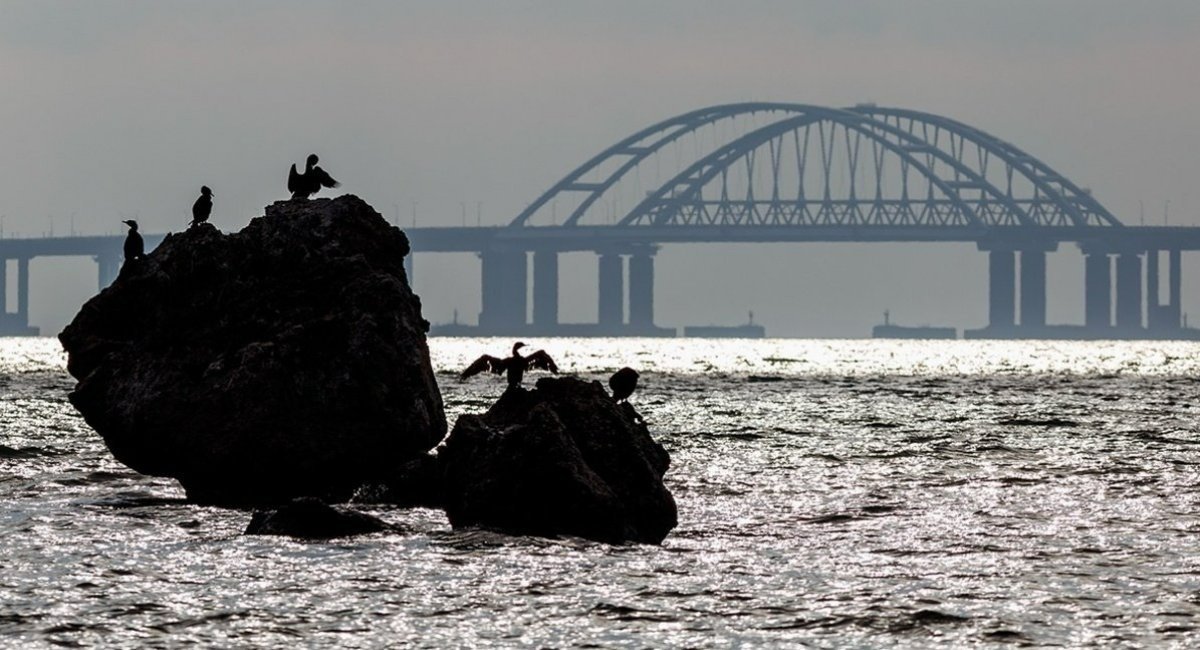
Alongside military buildup, russia is intensifying ideological pressure on the local population. Propaganda campaigns target all age groups, including children, with messaging that equates national identity with military service. According to Ukrainian intelligence, such narratives are introduced as early as kindergarten, reinforcing a long-term effort to reshape societal attitudes in favor of militarization.
Another key dimension is the revival of a Soviet-style model, where civilian life is subordinated to military needs. Infrastructure, education, and local governance are increasingly aligned with defense priorities. This approach not only strengthens russia's military presence but also embeds it deeper into the social and economic fabric of the region.
Economically, the Kremlin is attempting to stabilize the peninsula through its defense-industrial complex. One area of focus is the expansion of unmanned systems production, particularly drones, which are seen as both a military asset and a source of employment. However, Andrii Cherniak noted that these efforts have limited impact in addressing broader economic challenges.
Despite significant investment, Crimea continues to face structural issues, including a lack of jobs and limited opportunities for residents. The reliance on military-driven economic activity highlights the constraints of the region under occupation, where sustainable civilian development remains secondary to strategic objectives.
Read more: Ukraine Hits russian Yamal and Azov Ships, Mys-M1 Radar and Fuel Depot in Crimea Strike