



Ukrainian authorities have identified the location of debris from russian ballistic missile used in a strike against Lviv region during the night of January 8-9, 2026. According to preliminary findings, the recovered components belong to the Oreshnik missile system, a medium-range ground-to-ground ballistic weapon.
The discovery was announced on January 9 by the Security Service of Ukraine, which is leading the investigation. The missile strike targeted civilian infrastructure in western Ukraine, close to the European Union border, underscoring the continued reach of russian long-range strike capabilities.
Read more: russia Combines Shahed drones, Kalibr, Iskander-M, S-400 and Oreshnik Missiles in Major Strike on Ukraine
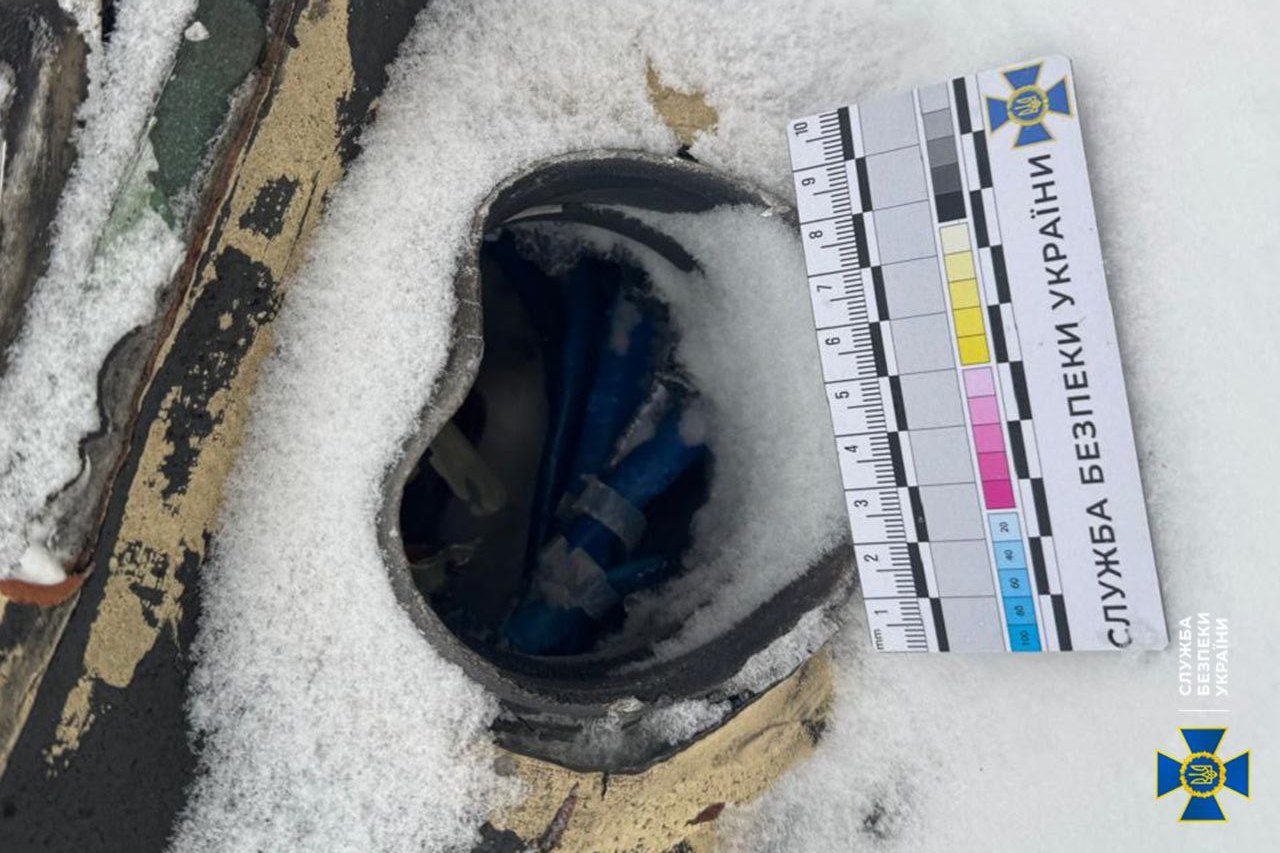
Among the debris recovered so far are key technical components of the missile, including the stabilization and guidance unit, effectively the missile's control "brain". Investigators have also found parts of the propulsion system, fragments of the orientation mechanism, and nozzles associated with the post-boost vehicle or warhead separation stage.
All recovered elements have been classified as material evidence and are being prepared for transfer to specialized laboratories for in-depth technical examination. These analyses are expected to provide further insight into the missile's design, origin, and potential modifications, as well as to confirm its exact variant.
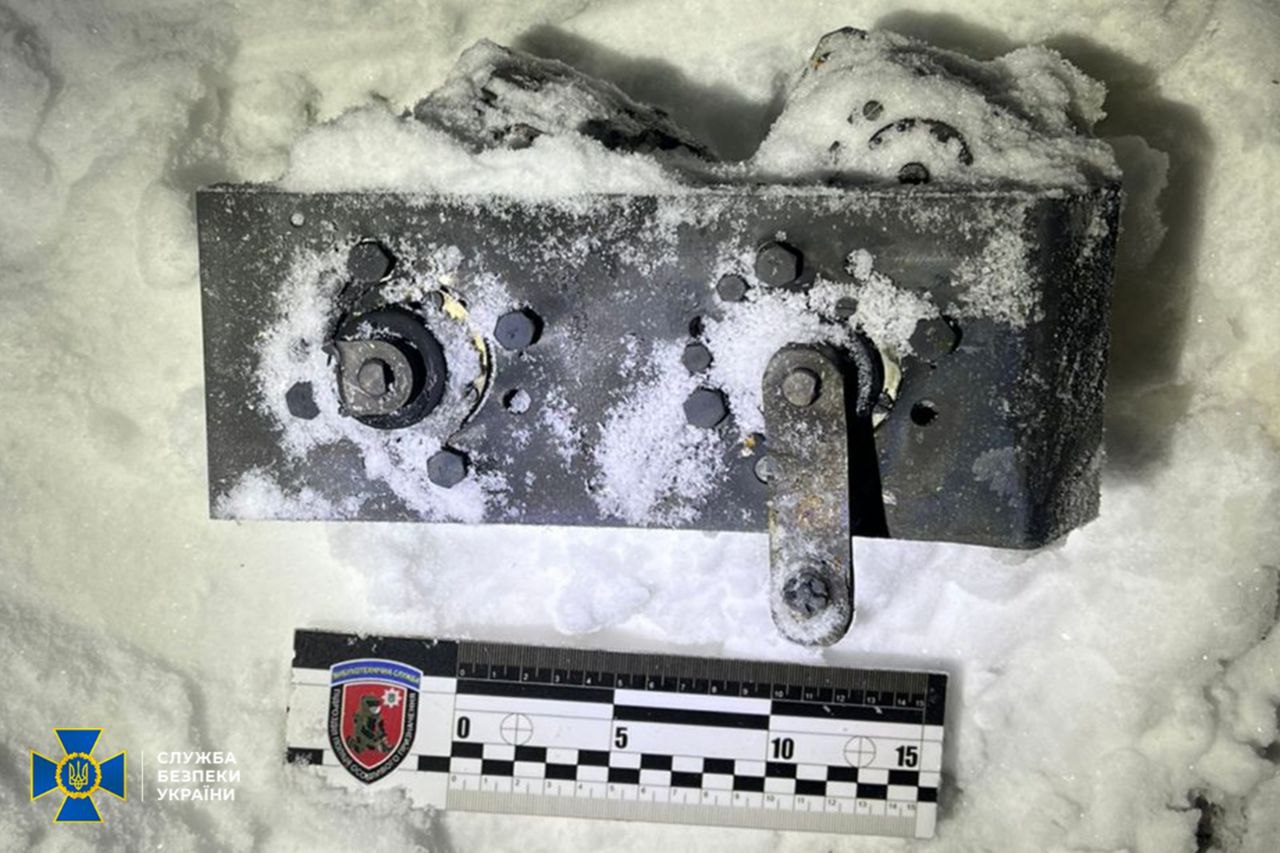
The Security Service has preliminarily classified the use of this weapon against civilian infrastructure as a war crime committed by the russian federation. Under Ukrainian law, the case is being investigated under Article 438 of the Criminal Code, which covers violations of the laws and customs of war.
According to initial assessments, the missile was launched from the Kapustin Yar test range in russia, a site known for testing and operational launches of ballistic missile systems. The use of such a launch location suggests a deliberate employment of a strategic or experimental weapon rather than a battlefield system.
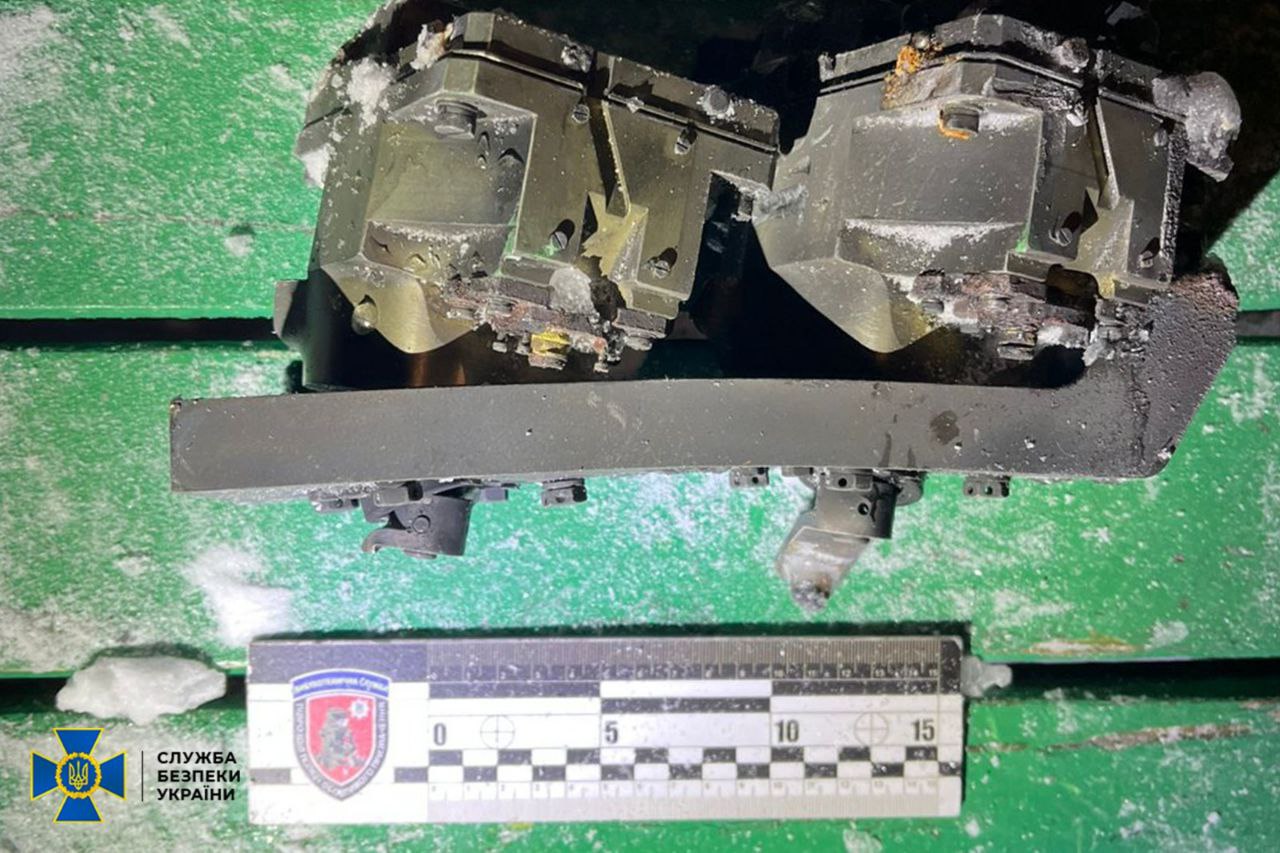
Ukrainian investigators state that the strike aimed to damage critical life-support infrastructure during a period of severe weather deterioration, potentially amplifying the humanitarian impact on the civilian population. This aspect is being treated as an aggravating factor in the investigation.
Read more: Combat Lasers and "Microwaves" Are Not Ready for Ukraine Yet – Why These Weapons Remain Impractical