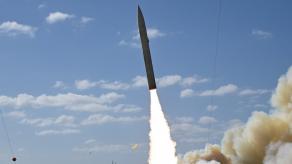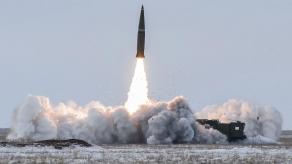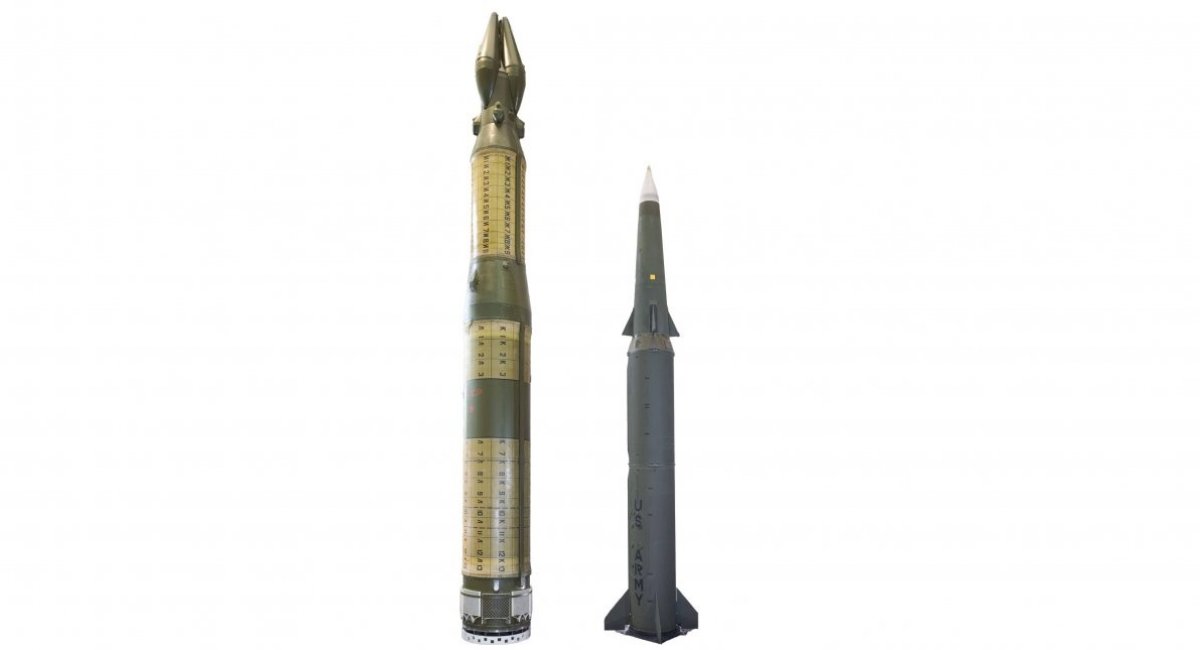
The technical and ideological prototype of the Oreshnik intermediate-range ballistic missile, as this missile is presented by russian propaganda, is the Soviet RSD-10 Pioneer intermediate-range ballistic missile, which in the 1980s lost the competition to the American Pershing II missile.
At the same time, the Pioneer IRBM was better in all parameters set out "on paper" - this missile had a much longer range, many times greater power and weight of the warhead.
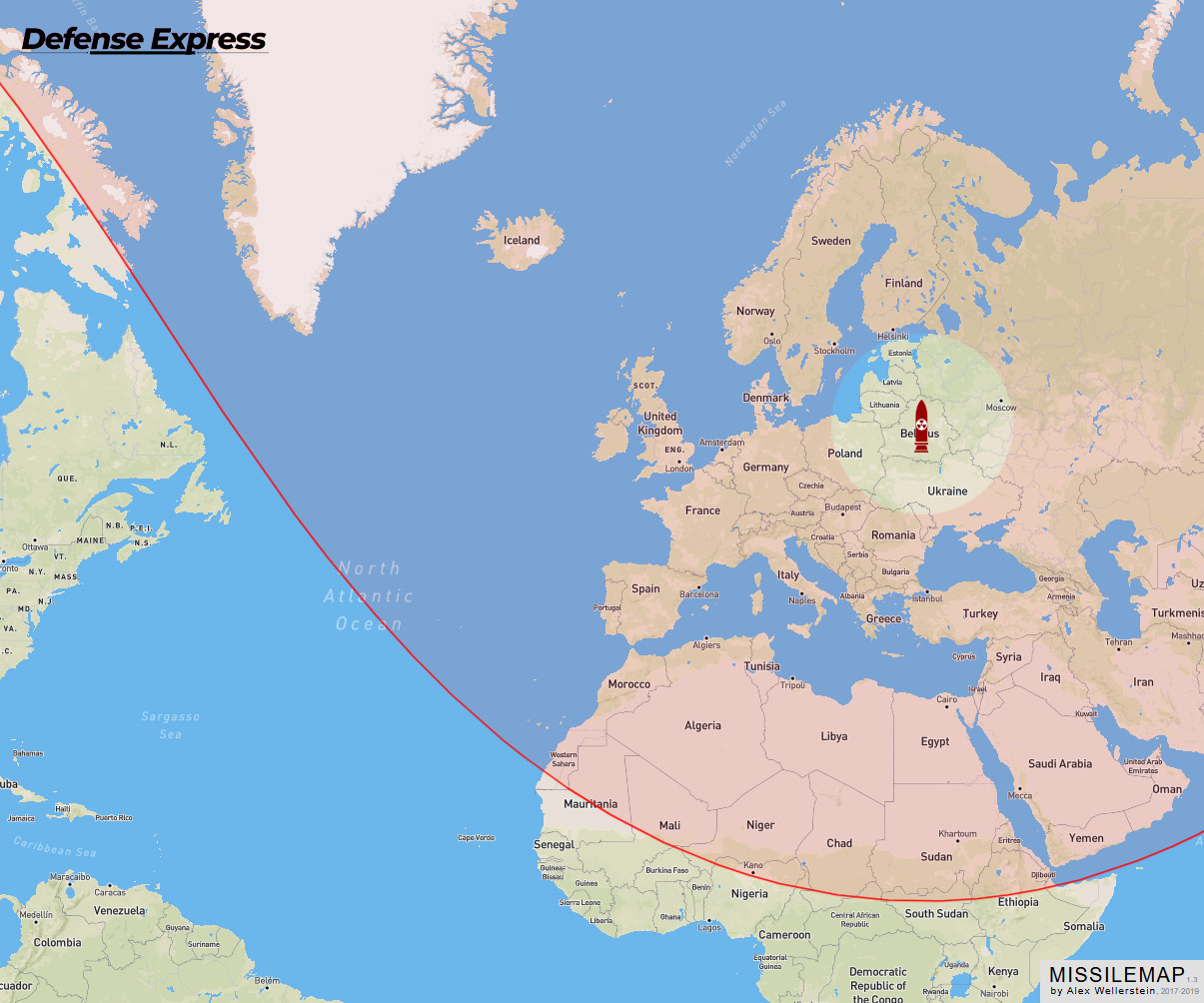
Read more: Why Claims That Oreshnik Missile Could Hit Kyiv from Belarus in 111 Seconds Are False and Why the Capital Is Beyond Its Reach
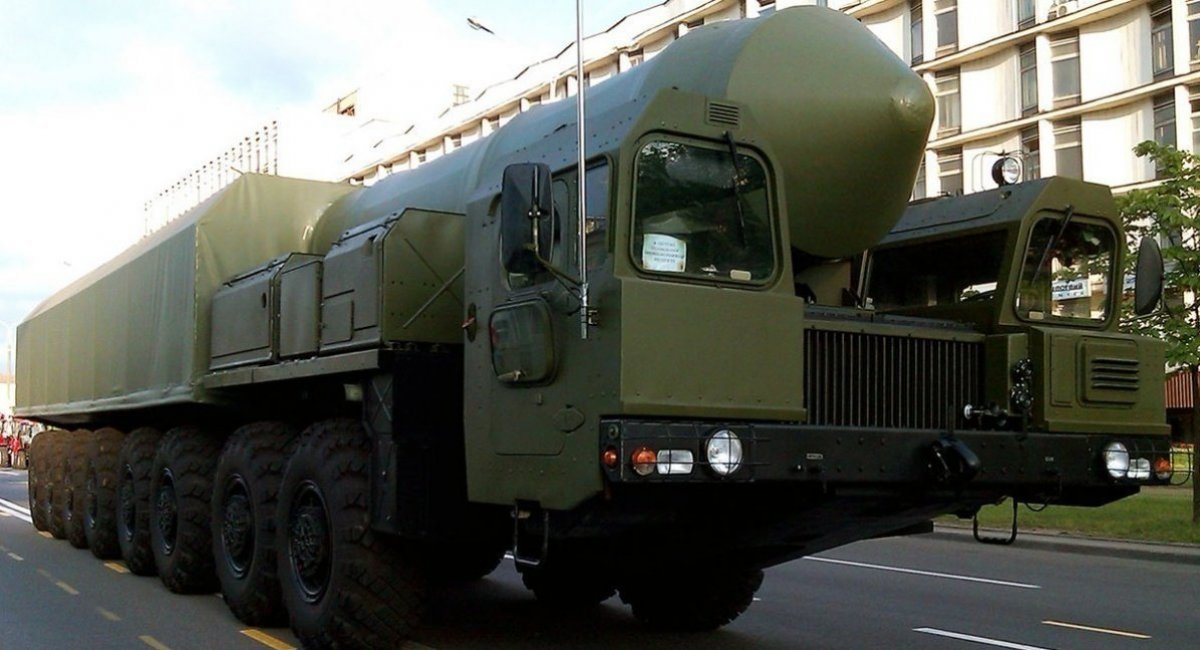
But the Soviet leadership was forced to recognize at least the equal combat power of these rather different ballistic missiles and go for the so-called "Zero Option" – the elimination of all intermediate-range as well as medium-range missiles, which became the trigger for the collapse of the USSR.
Why this happened, explains Oleksii Yizhak, an analyst at the National Institute for Strategic Studies of Ukraine - especially for Defense Express.
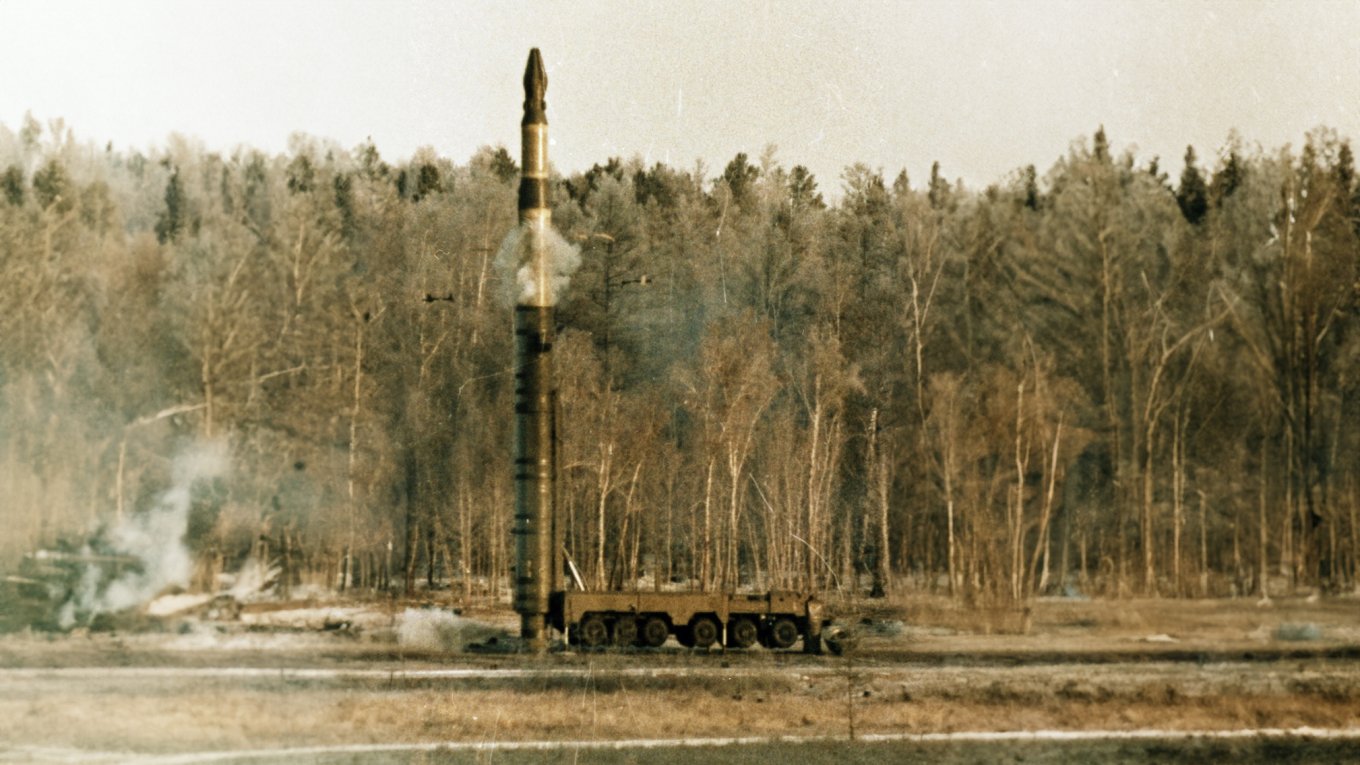
Characteristics of the RSD-10 Pioneer: launch weight was 37 tons (approximately 26.6 tons for the first stage, 8.5 tons for the second stage and the warhead as well), firing range 600 - 5000 km, firing accuracy - 550 m (circular probable deviation - the radius of the circle in which half of the blocks statistically hit), maximum deviation - 1.3 km. The warhead capacity in the monoblock nuclear version is 1 megaton, in the three-block configuration - 150 kilotons per block. The mass of the main part is more than 1.5 tons.
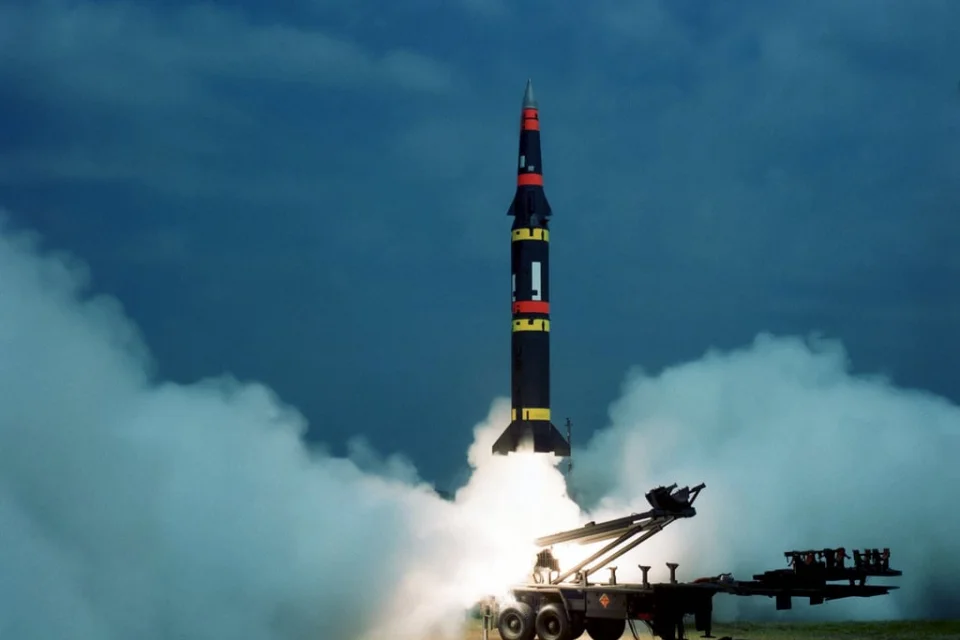
The launch mass of the Pershing II was 7.49 tons (less than the weight of only the second stage of the RSD-10 "Pioneer"), the maximum range was 1,770 km, the circular probable deviation was 30 m (the maximum deviation was about 70 m). The power of a single nuclear warhead was 80 kt (versus 1 megaton in the monoblock or 3x150 kilotons in the Soviet missile). The mass of the warhead was 270 kg (versus more than 1.5 tons).
However, the smaller missile emerged victorious over the larger in the "competition" of combat potentials. The reason lies in the physics of combat damage. The ability to destroy targets on the surface of the earth is determined by the pressure of the shock wave, for which the proximity of the explosion point to the target is more important than its power.
The damage coefficient, sometimes called the Stockholm coefficient (used extensively by Stockholm International Peace Research Institute or SIPRI to compare the strike potentials of nuclear forces), is calculated as the power of the explosion raised to the 3/2 power divided by the circular deviation squared. This is part of the formula for calculating the pressure of the shock wave depending on the power of the warhead and the distance from the epicenter of the explosion.
If we take into account the power in kilotons and the circular probable deviation in meters, we get the coefficient of the ability of the RSD-10 Pioneer IRBM to destroy the target of 0.13. At the same time, this coefficient for the Pershing II MRBM is 0.79. That is, the ability of the Pershing II to destroy a protected target, such as a political leadership bunker, was at least five times higher than that of the RSD-10 Pioneer.
This is why russia now really has just its propaganda but Physics states it has no special "trumps" to threaten Europe to dictate its will to USA or to win its war against Ukraine.
Read more: Ukrainian Forces Destroyed One of Three Oreshnik IRBMs Inside russian Territory