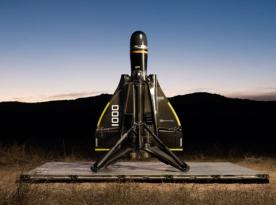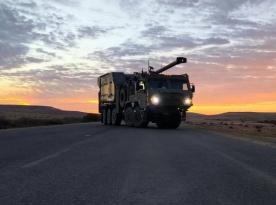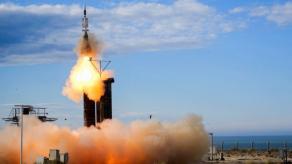



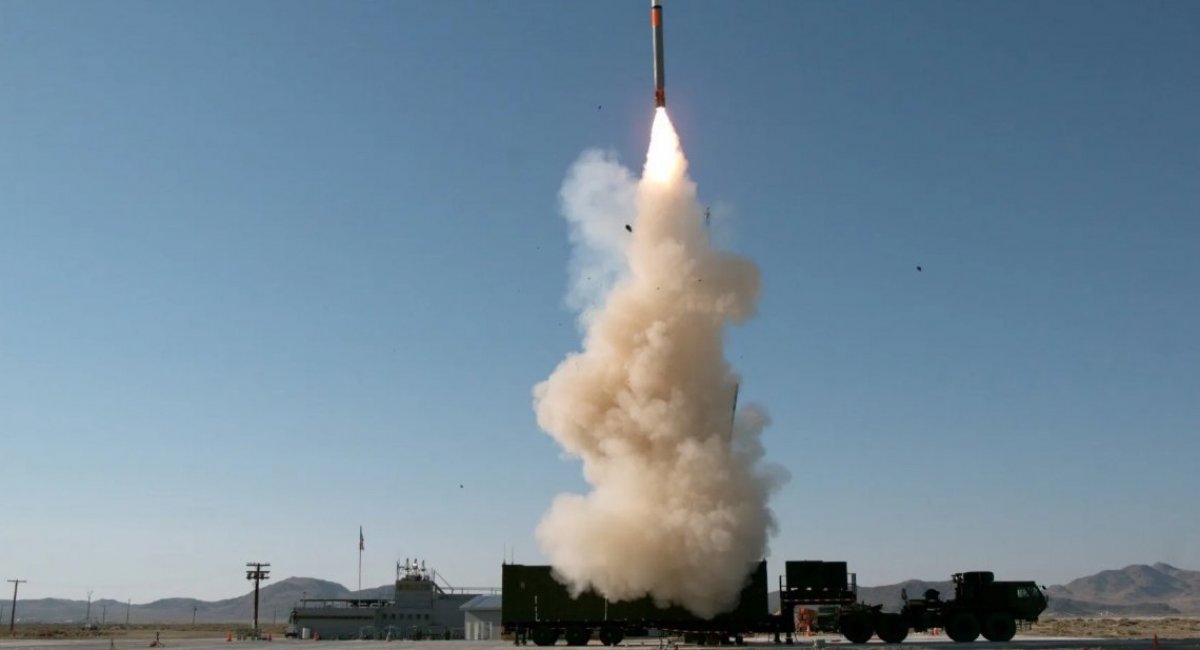
Germany has not given up on acquiring American Tomahawk cruise missiles, with purchase plans first reported in early 2025. By November, that intent had crystallized into a plan to procure 400 Tomahawk Block Vb missiles and three Typhon ground-launch systems for a combined €1.37 billion.
Since then, however, no progress has been reported. To advance the deal, German Chancellor Friedrich Merz is expected to meet personally with U.S. President Donald Trump at a time when Washington is moving rapidly to disengage from Europe's security architecture, Trump is publicly criticizing Germany for failing to support the war against iran, and threats have been made to withdraw a portion of the American military contingent from German soil.
Read more: Ireland Beats U.S. Army at Its Own Game, Bradley Crew With Two Weeks of Training Takes Sullivan Cup
Against this backdrop, a straightforward question arises: why is Germany so insistent on American Tomahawks when alternatives exist?
Germany itself approved funding in late December 2025 for the Taurus Neo, a next-generation missile with a declared range of 1,000 km. Standard Taurus missiles with a 500 km range have long since ceased production.
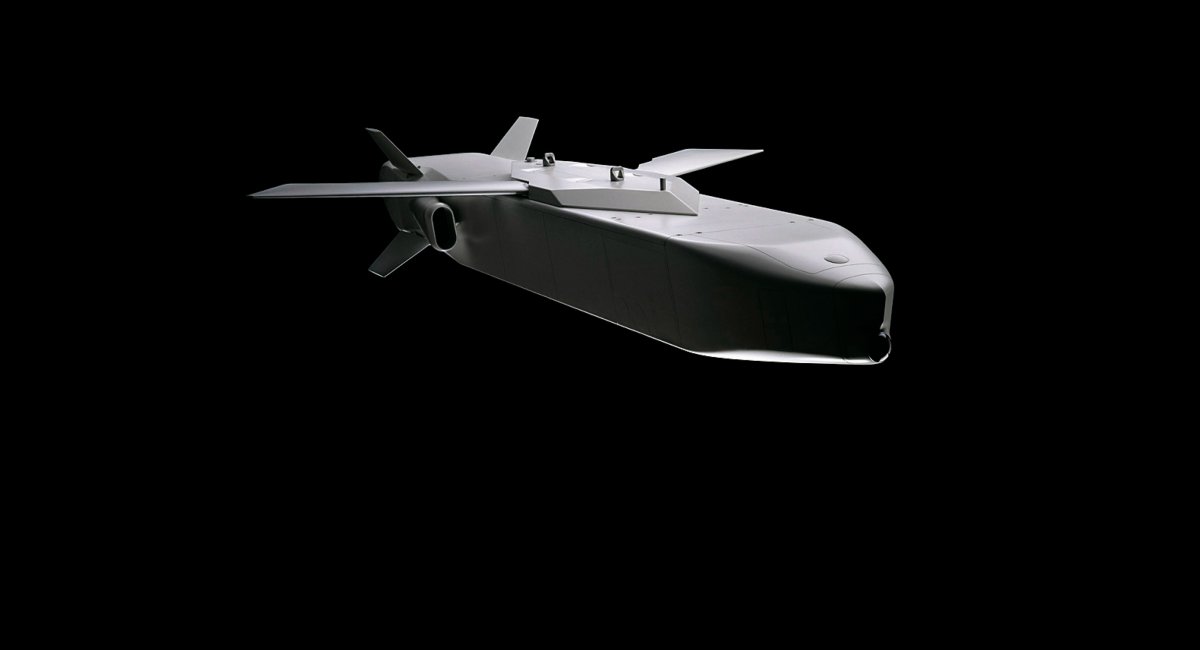
Taurus Systems GmbH a joint venture between MBDA Deutschland and Saab is set to receive €450 million for production preparation and development completion, with a further €2.1 billion earmarked for missile procurement. The core problem is timing: Taurus Neo deliveries are not expected before 2029.
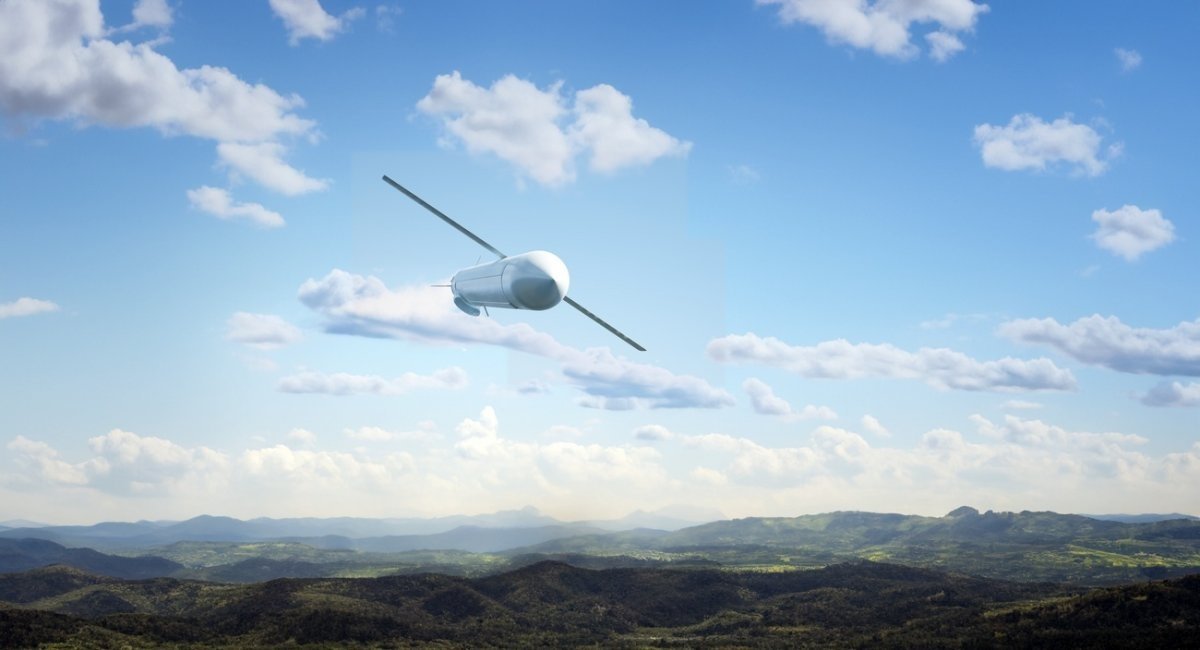
Meanwhile, the development of a direct European Tomahawk alternative the Land Cruise Missile (LCM) by MBDA under the joint ELSA (European Long-Range Strike Approach) program has, at least publicly, made no visible progress since 2024. Even under earlier projections, the LCM was not expected before 2028. Within the EU, a genuine parade of competing national programs has begun instead.
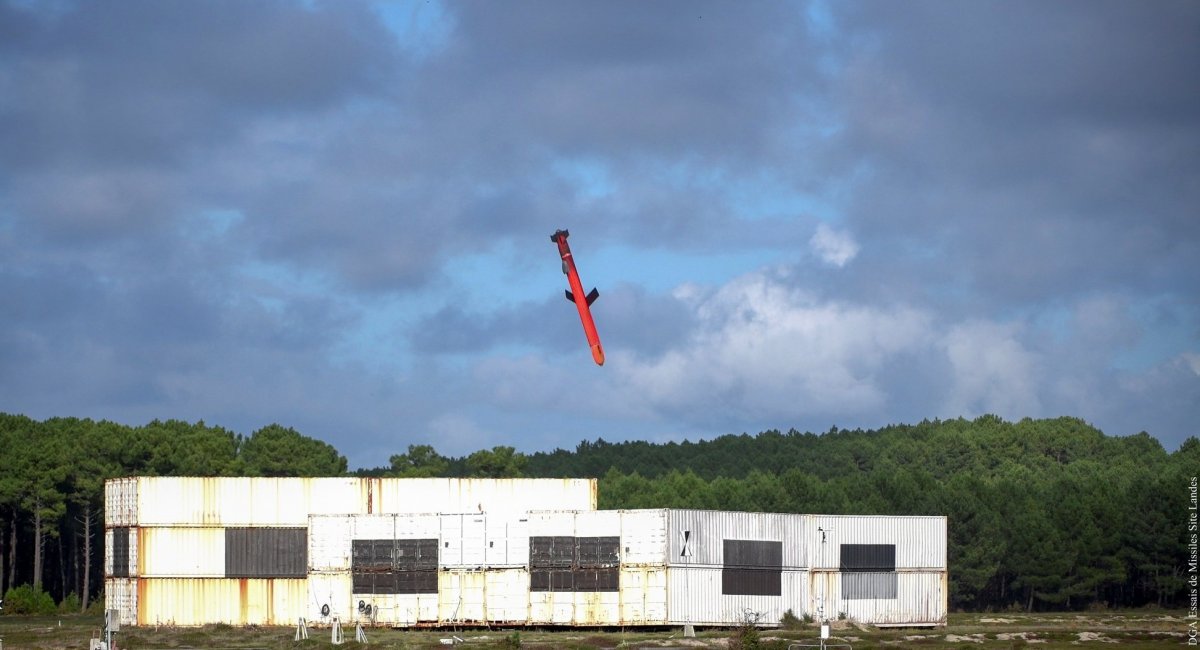
For those willing to wait even longer, Germany might have considered existing alternatives. The only currently available cruise missile with a 1,000 km range is the MdCN (Missile de Croisière Naval) from France, produced by MBDA. The past tense here is significant: production of the only long-range strike weapon in the entire European NATO segment was halted after existing orders were fulfilled in the mid-2010s. Only now is Paris planning to resume MdCN production.
In other words, across the entire European NATO segment not just in Germany serial production of cruise missiles with ranges of 1,000 km or more is effectively nonexistent until the end of the decade. Buying Tomahawks from the United States right now is therefore one of Berlin's most attractive available options.
The central problem with that purchase, however, is that even ordered Tomahawks will take time to arrive. Japan ordered 400 Tomahawks and 14 associated control systems in January 2024 for $1.7 billion to date not a single missile has been delivered, and the first destroyer to be armed with them is not expected to be ready until September of this year. Deliveries of American cruise missiles may face further delays given their significant expenditure in the war against iran: according to CSIS estimates, over 1,000 Tomahawks were fired approximately 30% of total U.S. stockpiles.
Read more: Ukrainian Partisans Report Sabotage of russian Military Locomotive Supplying Sumy Front