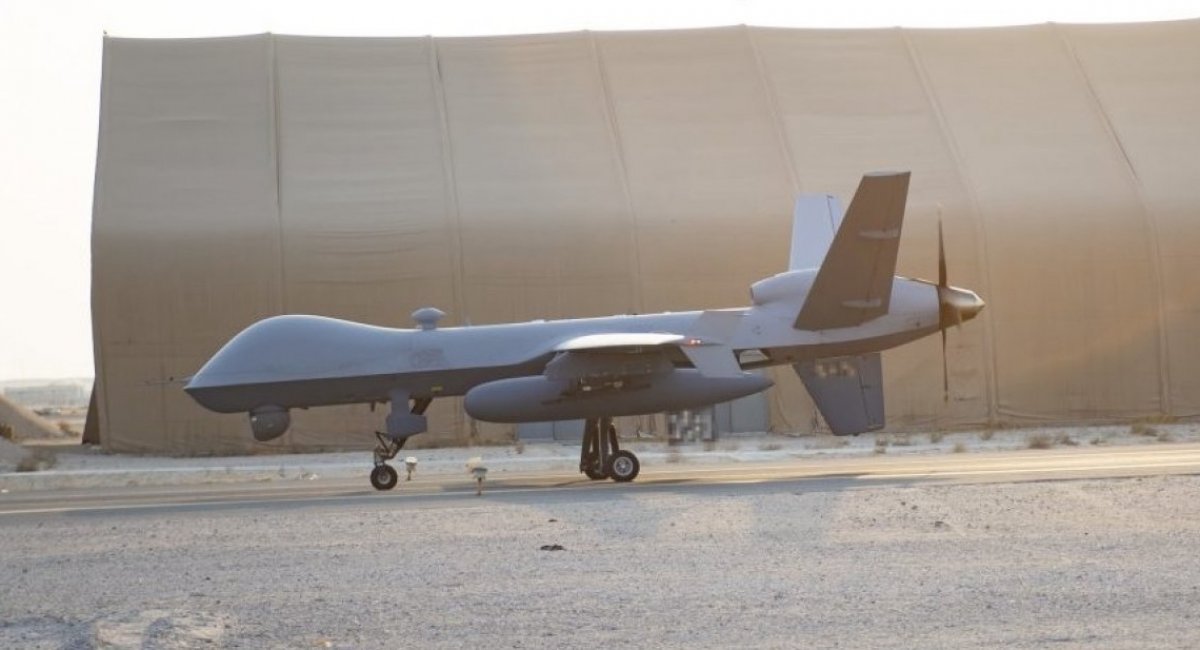
Losses of MQ-9 Reaper reconnaissance-strike drones by the U.S. military in iran are already approaching three dozen aircraft and over $700 million in monetary equivalent. This has caused another round of discussions about this machine's relevance on the modern battlefield, when the UAV remains vulnerable even against iranian air defense, not to mention that such a drone with a price of several tens of millions of dollars per unit can in no way be called expendable material.
In this context, Samuel Nahins's column in Modern War Institute publication of U.S. Military Academy West Point is interesting. He is a former MQ-9 Reaper drone pilot, having logged 2,700 hours on it. He was also a flight instructor and conducted flight evaluations of this drone.
Read more: France Bets on Rafale F5 Instead of Buying F4, Opening New Options for Ukraine
In his post, Nahins ruthlessly criticizes this MALE (Medium-Altitude Long-Endurance) class UAV, in the context of Poland's purchase of this drone. In 2024, Poland purchased the upgraded MQ-9B SkyGuardian version, deliveries of which should start in 2027.
He calls such a decision strange, especially considering the deal was concluded two years after russia's full-scale invasion of Ukraine. During this time, one could have drawn conclusions about the (in)advisability of such a purchase.
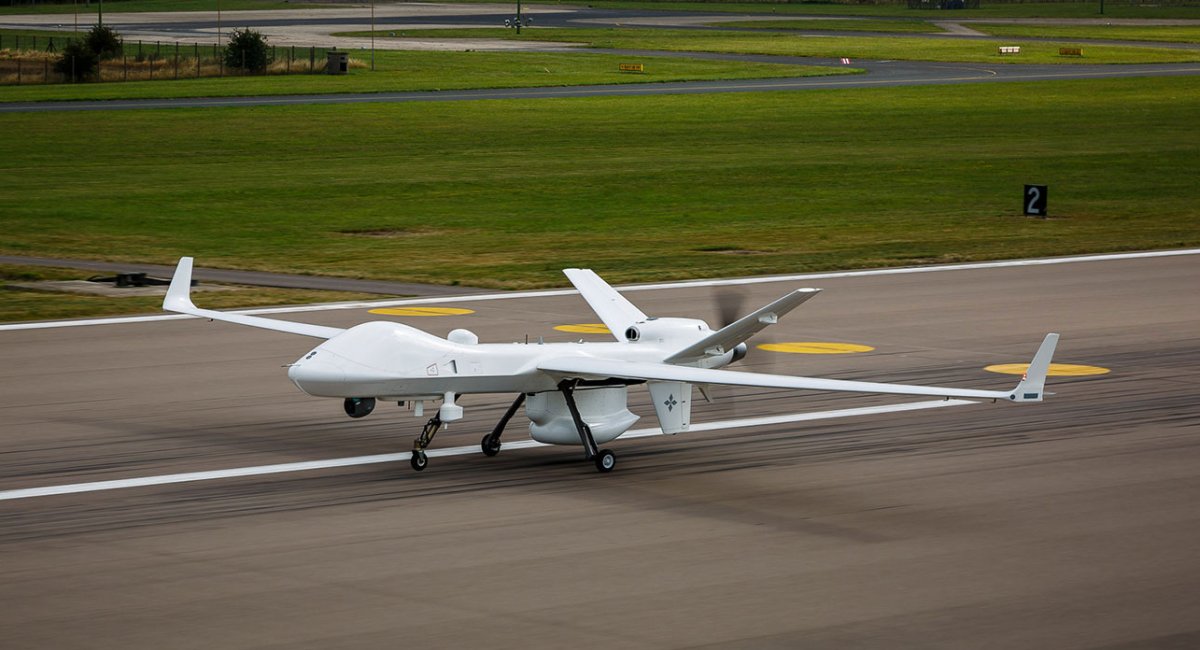
This was a monument to institutional inertia, created at a moment when the battlefield situation had already begun to change, — Nahins says about MQ-9 Reaper drones.
Overall, he separates three reasons why these drones will have problems on the modern battlefield.
The first, which the military emphasizes, is that obtaining a certificate to operate MQ-9 takes a year. Overall, training a truly effective pilot takes about a year and a half. Nahins emphasizes this was acceptable when this drone was used against an adversary that had no air defense whatsoever that could threaten it. Now the situation is different even in the war with iran.
Second, these are MQ-9 costs, where one drone alone costs about $30 million. Using Germany's example, one MQ-9B can cost even more than a Eurofighter fighter.
Defense Express notes that what follows is possibly a somewhat incorrect comparison with Ukrainian long-range strike drones and their cost, since we’re talking about weapons of different purposes.
However, in any case, MQ-9 drones are indeed not cheap, even considering they are a powerful monitoring and reconnaissance asset.
Third, Nahins talks about strategic consequences. That MQ-9 for Poland in conditions of confrontation with an adversary with integrated air defense system as well as powerful electronic warfare means won't be able to fully use these drones. Moreover, they will have questionable effectiveness in harsh winter conditions.
Read more: USS Boise Submarine Spent One-Third of Its Life in Repair Limbo Before Navy Finally Scraps $800M Failed Restoration