

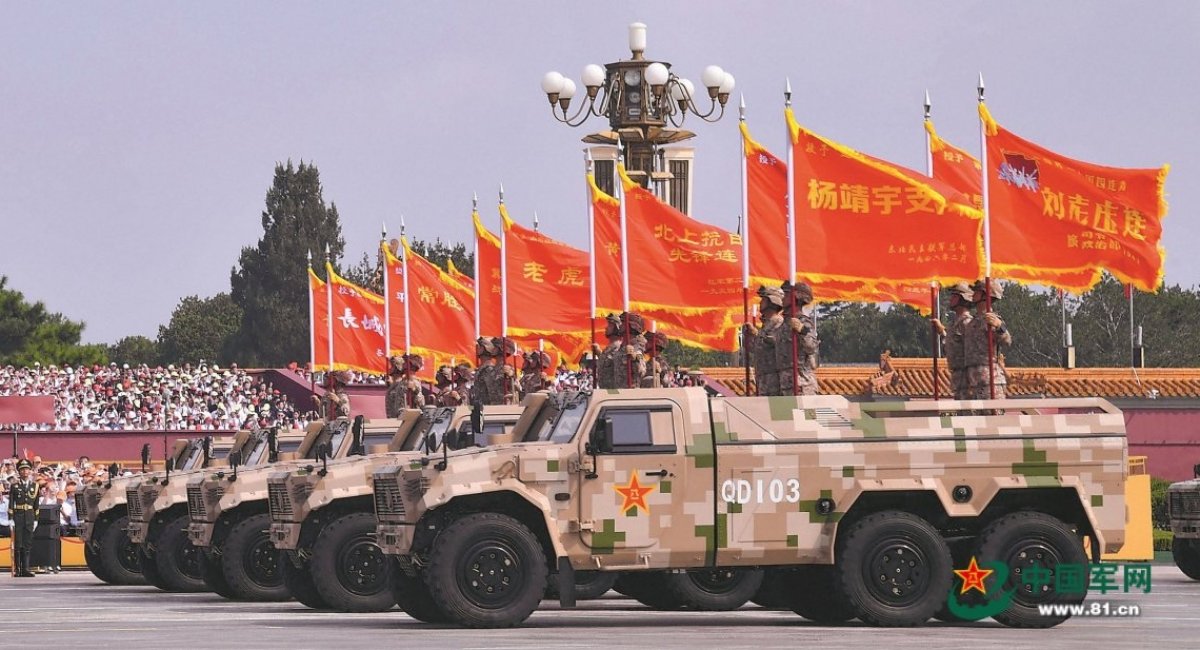
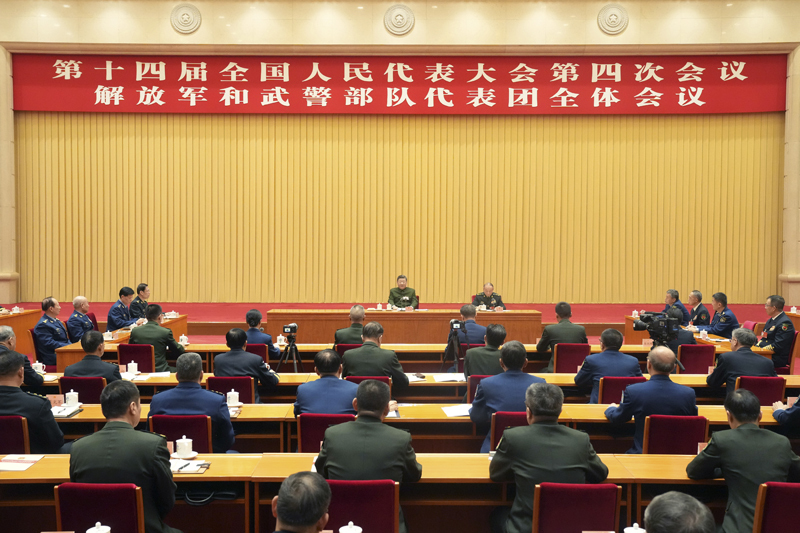
Beijing has been steadily increasing defense spending since 2023, declaring a 2026 budget of 1.91 trillion yuan approximately $277 billion. This plan was announced during a plenary session of the relevant delegation of armed forces representatives within the 4th Plenum of the 14th National People's Congress, China's formal parliament.
Recall that in 2025, China's defense budget was planned at 1.78 trillion yuan (approximately $245 billion). The increase thus amounts to 7.3%, fully corresponding to the five-year plan for 7% annual increase announced by Xi Jinping three years ago.
Read more: U.S. Builds X-76 Aircraft With Unique Jet Engines as Conceptual V-22 Osprey Replacement
At the same time, China's official 2026 defense expenditures of $277 billion should be perceived through the prism that Beijing is currently the second country globally in defense spending. However, with enormous distance from the U.S., whose approximate defense budget currently stands at around $900 billion, roughly 2.8% of the country's GDP.
In China, defense expenditures comprise only 1.3% of gross domestic product. For 2025, Beijing officially estimated Chinese GDP at 140.19 trillion yuan (approximately $20.28 trillion), representing 5% growth.
At the same time, there exists a range of reasoned assumptions that China's real defense expenditures are higher.
Specifically at the Pentagon, according to public reports dedicated to the Chinese threat, it is indicated that China's real military expenditures could be 40-90% larger. In other words, amounting to $388-526 billion and comprising 1.83% to 2.48%.
This is even without considering that beyond the total amount for defense, how these funds are distributed has very great significance. Specifically how much goes to personnel maintenance and salaries, how much to weapons procurement and modernization, and most importantly at what price, as well as to conducting exercises and training. In other words, what directly affects combat capability.
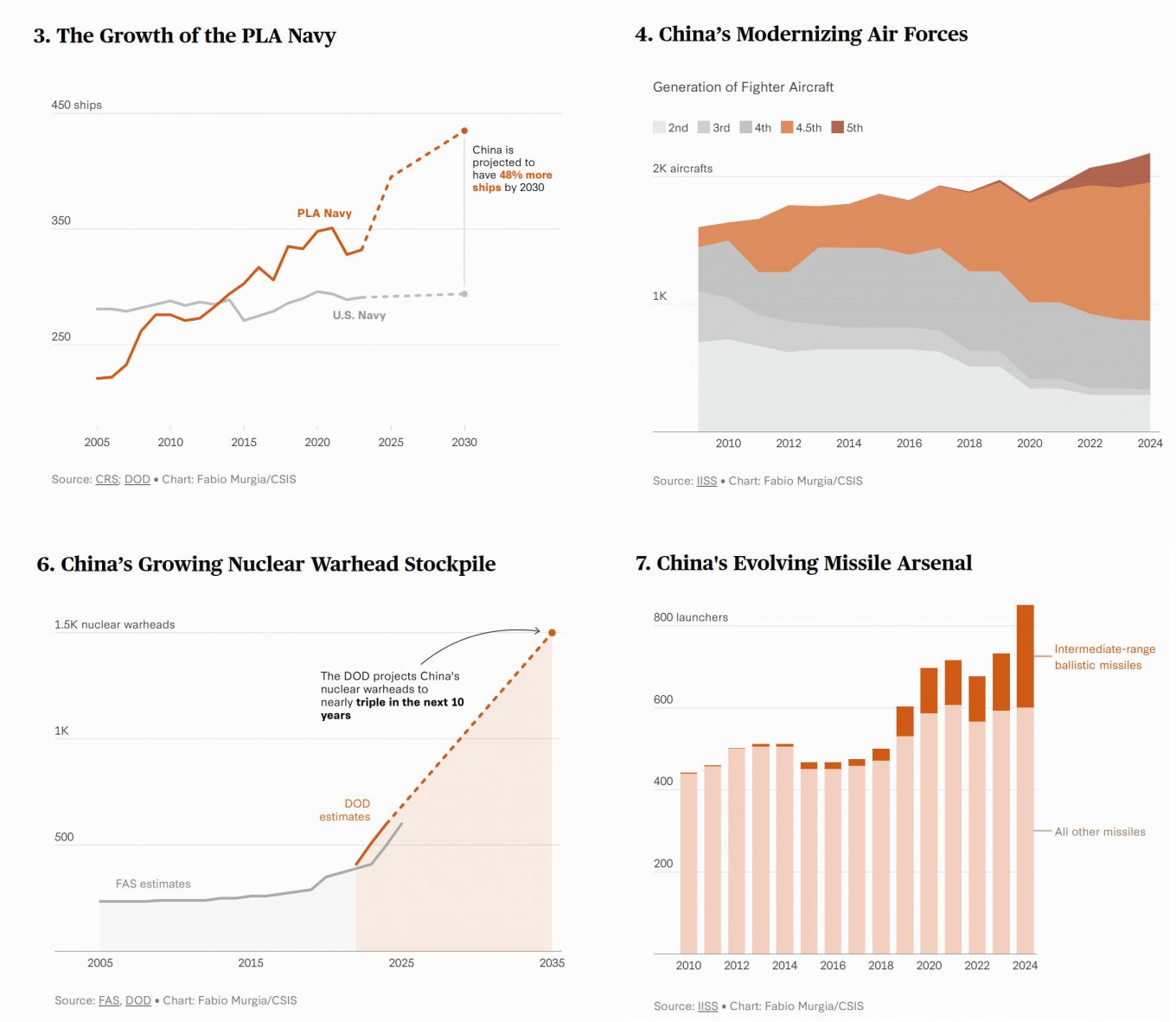
Growth charts for China's navy and air force numerical composition, missile armaments, and nuclear arsenal growth forecasts can also be cited, which were made by CSIS half a year ago.
At the same time, it should be realized that China's armed forces are reducing their ground forces by 40% and no longer plan to bury anyone with it.
Read more: First GMLRS Missiles for HIMARS Will Soon Roll Off the Only Production Line Outside the U.S., Located in Australia