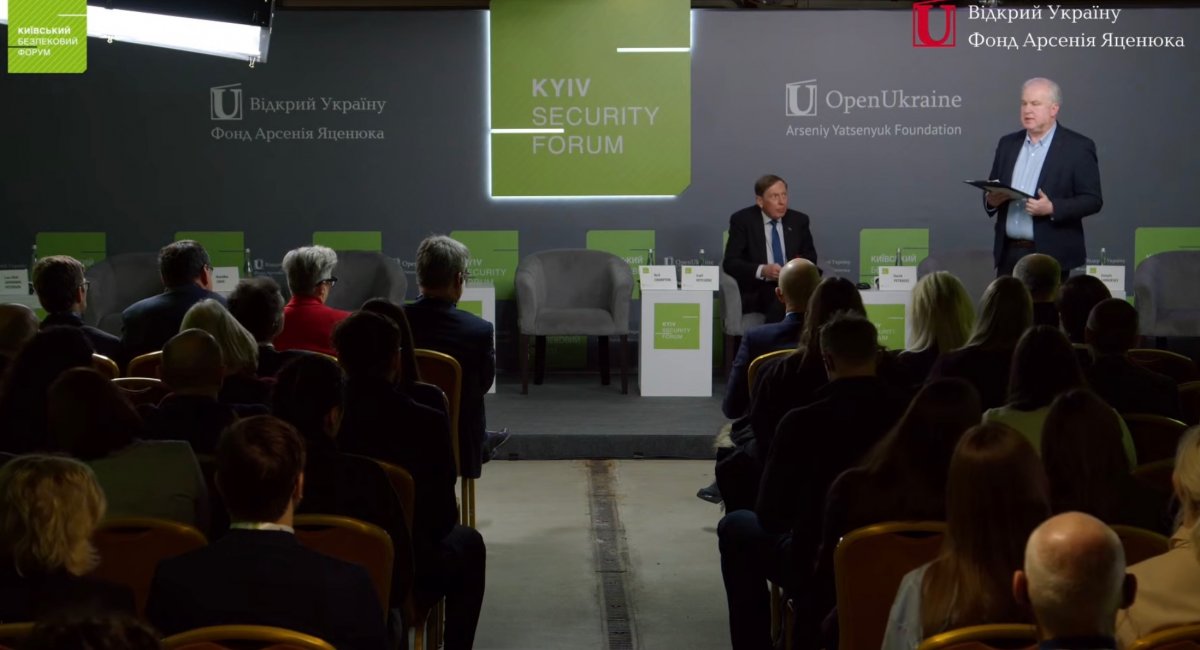
Event was organized by the Open Ukraine Foundation and KSF and brought together military officials, analysts, technology developers, and international partners to discuss the transformation of modern warfare and ways to restrain russia.
The russia–Ukraine war began in February 2014 with the occupation of Crimea and the outbreak of hostilities in the Donbas. Since then, it has evolved from a hybrid conflict into a full-scale war, increasingly defined by high-tech confrontation. Speakers at the forum stressed that today's war is essentially robotic. The large-scale use of drones, unmanned ground systems, electronic warfare, and sensor-based technologies has fundamentally reshaped the battlefield.
Read more: Ukrainian Forces Destroy russian Ground Drone Carrying 120-mm Mortar (Video)
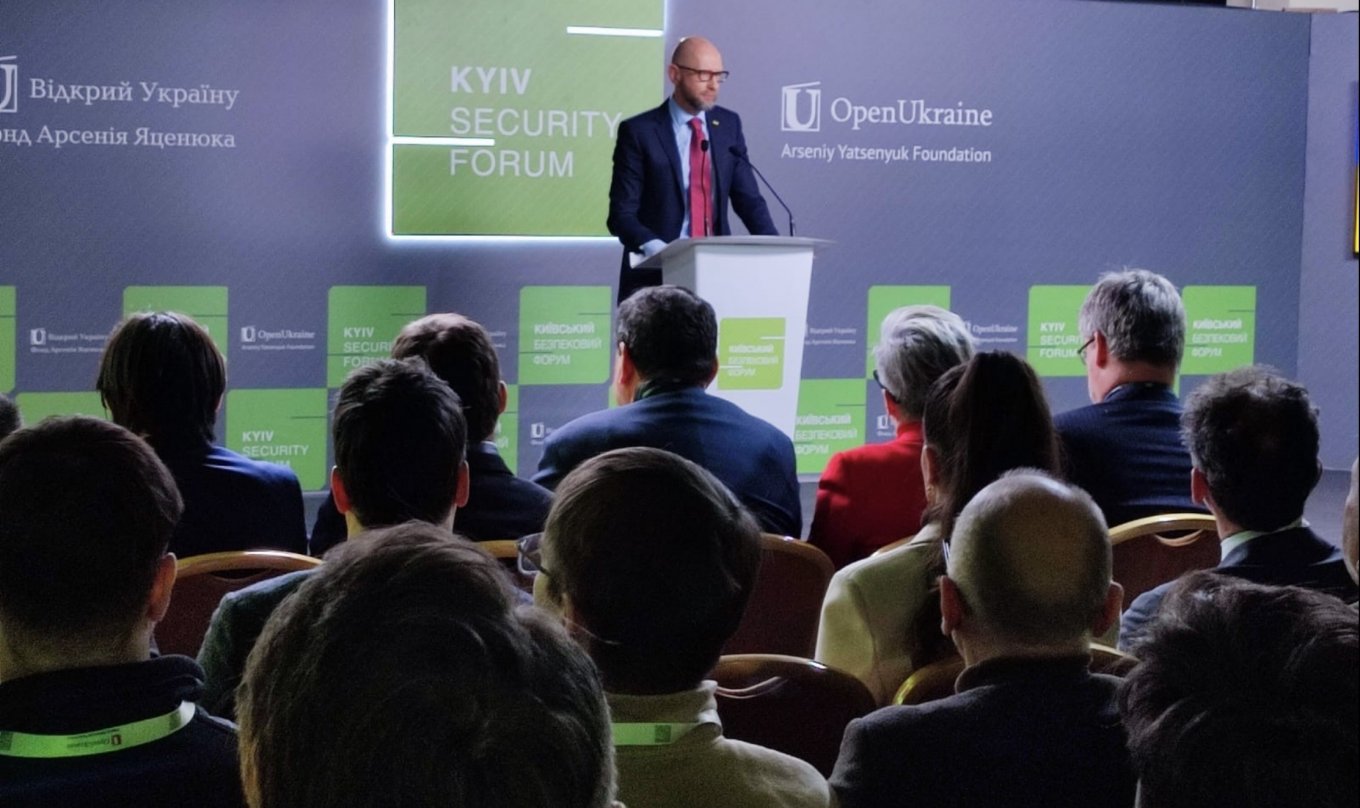
According to Ruslan Mykula Roman Pohorilyi co-founders of DeepStateUA, the pace of technological change in this war is unprecedented. Technologies that once took years to move from development to frontline use are now deployed within months. At the same time, both sides are forced to adapt constantly. During the early stages of the full-scale invasion, there was a clear technological race between russian and Ukrainian forces, particularly in the drone domain. One notable example was the introduction of fiber-optic drones, which reduced vulnerability to electronic warfare.
However, the nature of this competition is changing. As forum participants noted, the advantage increasingly lies not only in innovation but in scale. The side that can produce and deploy larger quantities of weapons gains the upper hand. Former NATO commander in Iraq and Afghanistan General David Petraeus cited a striking figure that Ukraine could produce of around 7 million drones per 2026. By comparison, the U.S. Army produces roughly 3,000 drones annually.
At the same time, there are areas where Ukraine maintains clear dominance. One of them is unmanned ground systems. These platforms are now actively used for logistics, resupply, and the evacuation of wounded soldiers from the battlefield, significantly reducing personnel risks.
Despite these advances, guided aerial bombs remain one of the most serious threats. With a range of 40 to 80 kilometers, they are widely used by russian forces to strike Ukrainian positions and rear areas. Previous reports documented record-range strikes, including incidents in the Poltava region, highlighting the scale of this challenge.
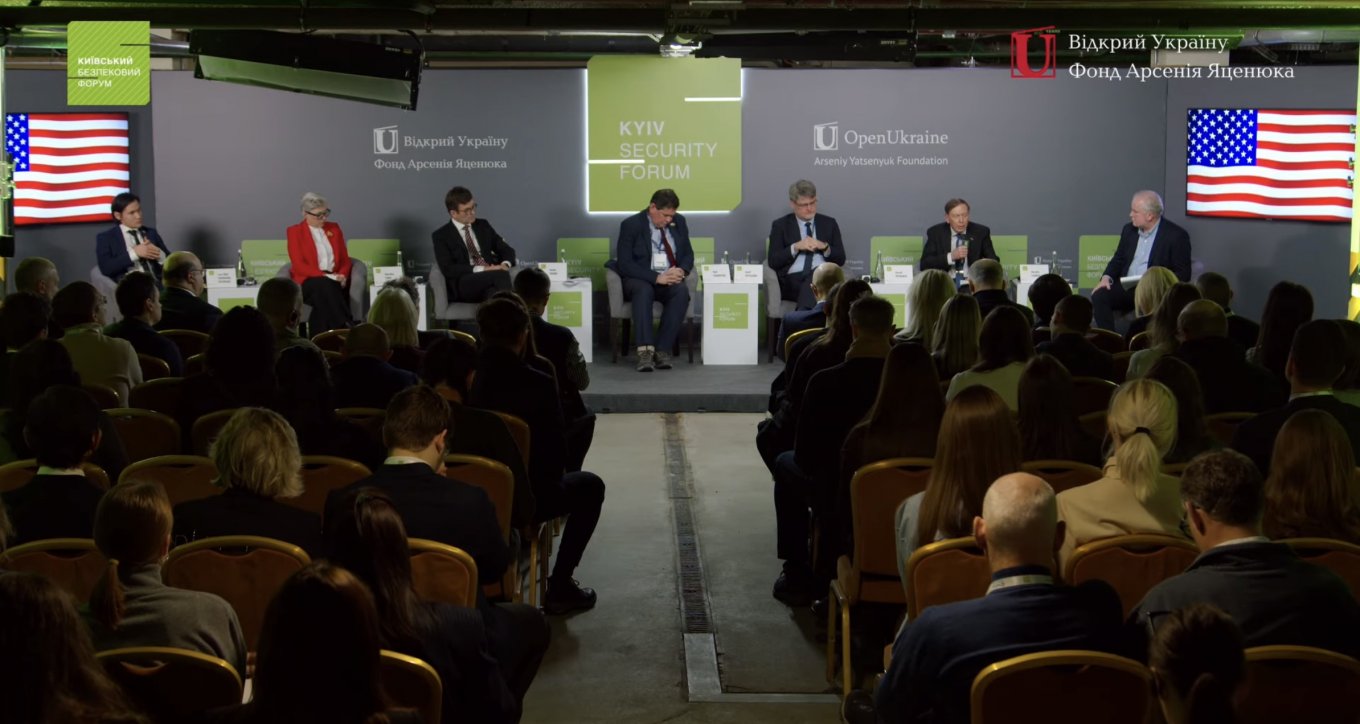
This raises a critical question: are there technologies capable of stopping russia or at least significantly reducing its impact? In a personal comment to Defense Express, General Petraeus said there is no single technology that can decisively weaken russia. Instead, success depends on a combination of solutions, particularly advanced command-and-control systems.
One such solution is Ukraines battle management system, DELTA. It integrates data on enemy forces and assets onto a digital map, allowing real-time tracking and rapid response to emerging threats. DELTA combines information from multiple sources, including satellite imagery providers, radars, sensors, and radio intercepts. Users gain a comprehensive view of the situation across land, sea, air, space, and cyberspace, enabling faster decision-making and more effective fire missions.
Read more: U.S. Resumes Ties with War Criminals From russian Defense Ministry — What's Behind the Move?