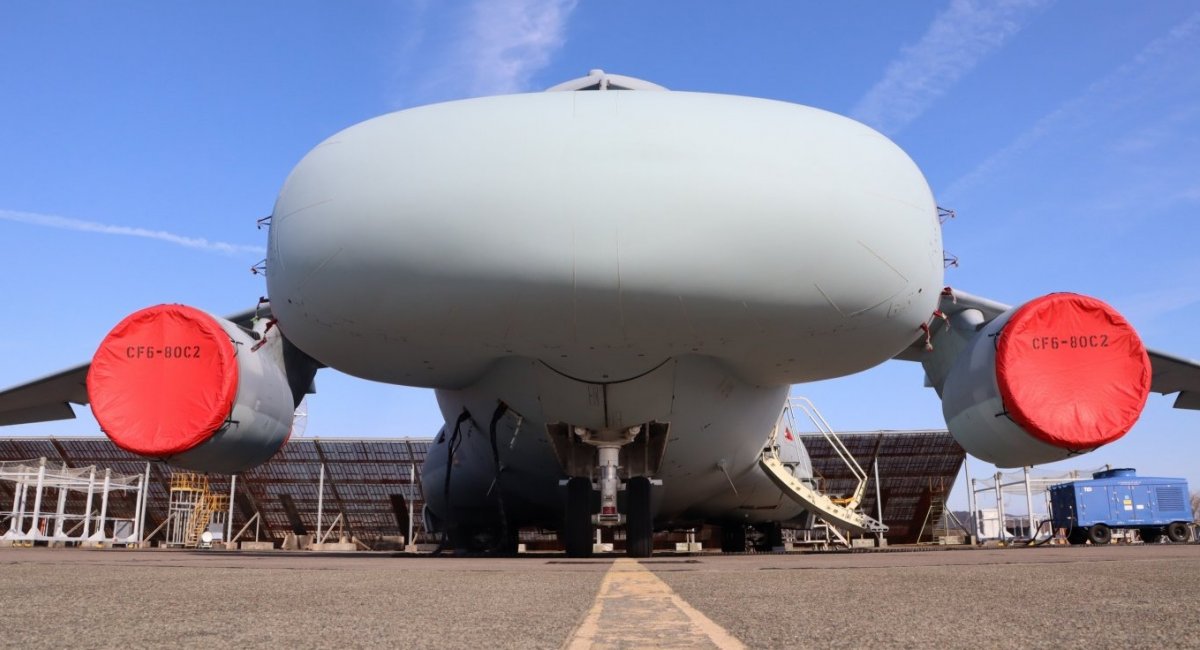
The first photos of the new Japanese electronic warfare aircraft Kawasaki EC-2 SOJ have appeared, which were published by the Japan Air Self-Defense Force’s Air Development and Test Command (JASDF-ADTC). Tokyo has plans to strengthen its Air Self-Defense Force with four such aircraft at once.
The very specific appearance of the aircraft could not but attract attention, while usually even aircraft "stuffed" with electronics deviate from the base machine much less. At the same time, the EC-2 SOJ, which is created on the basis of the Kawasaki C-2 military transport aircraft, has very characteristic features.
Read more: Japan Breaks Tradition, Exports PAC-3 Missiles to Replenish U.S. Stocks — Ukraine Blocked From Direct Supply
The main difference is the huge nose fairing. It is in it that the main tool of this aircraft is hidden - the J/ALQ-5 radio jamming device by Toshiba, or rather the antenna system of this electronic warfare system, which is designed to counter radar stations. What exactly this EW system looks like, what its capabilities and characteristics are, are not disclosed.
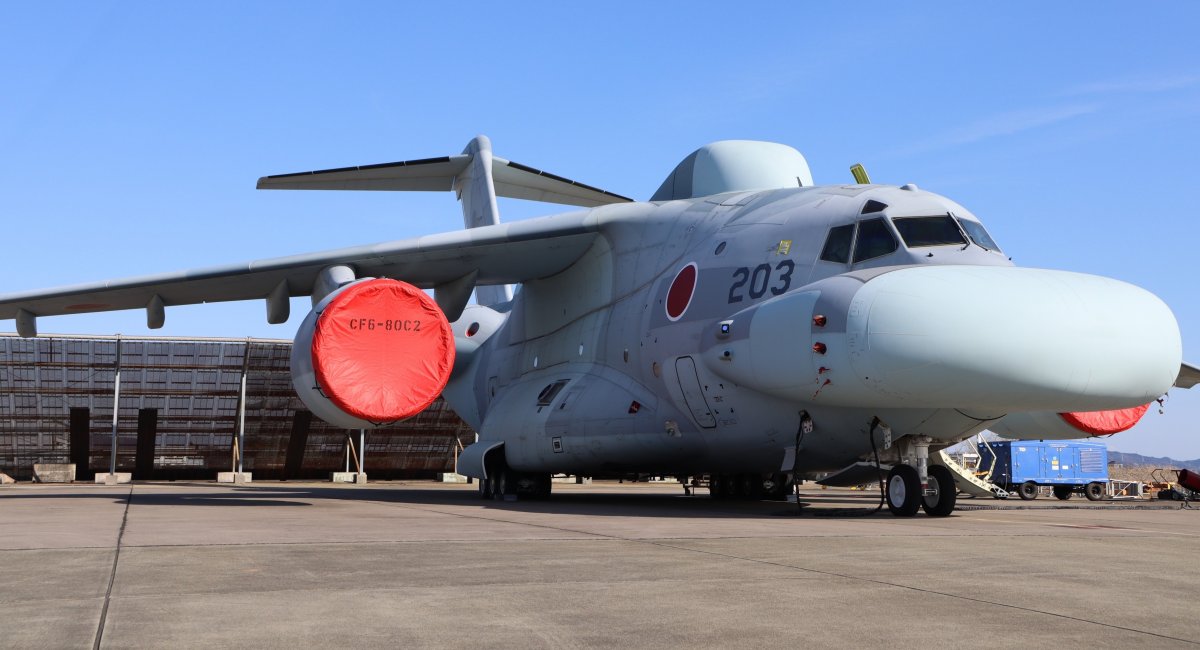
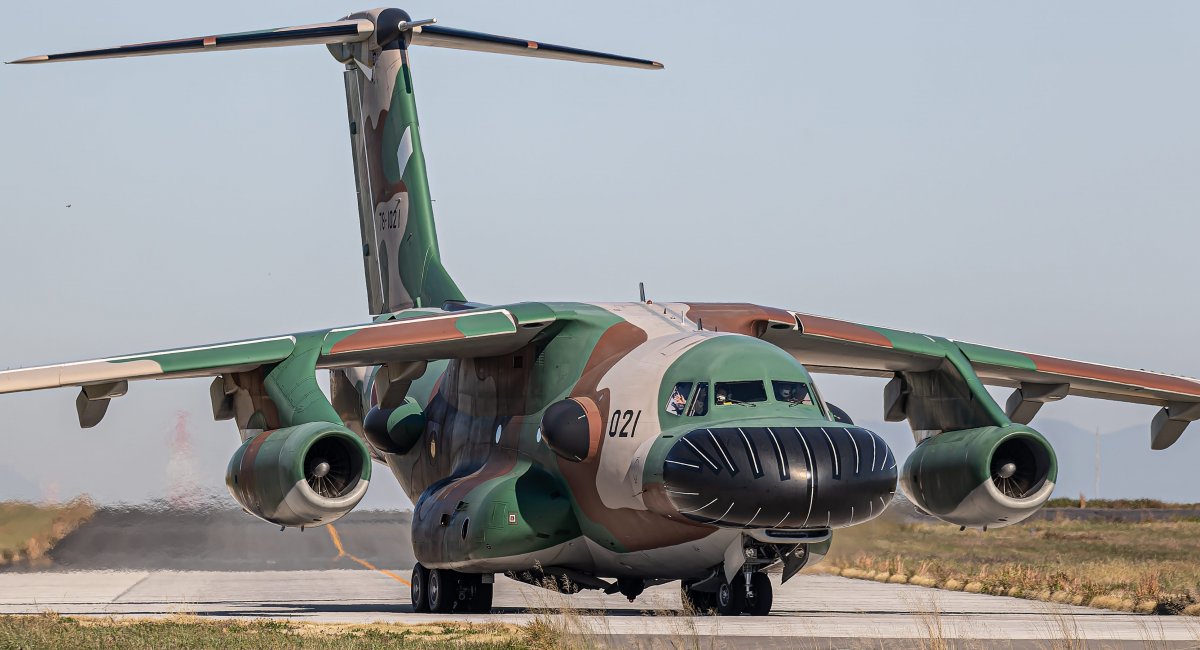
This electronic warfare system was inherited by the EC-2 SOJ aircraft from its "predecessor" - the Kawasaki EC-1, which was created in a single sample in 1986 together with the first version of the J/ALQ-5 radio jamming device, which has been regularly upgraded since then. It is obvious that this system is currently installed in an updated form on the Kawasaki EC-2 SOJ.
In addition to this tool, the new aircraft also received additional systems that the Kawasaki EC-1 did not have. In particular, on the upper part of the Kawasaki EC-2 SOJ fuselage, immediately behind the cockpit, there is another fairing, which apparently hides a system that, given the different color of the radio-transparent paint, has a sector view only forward.
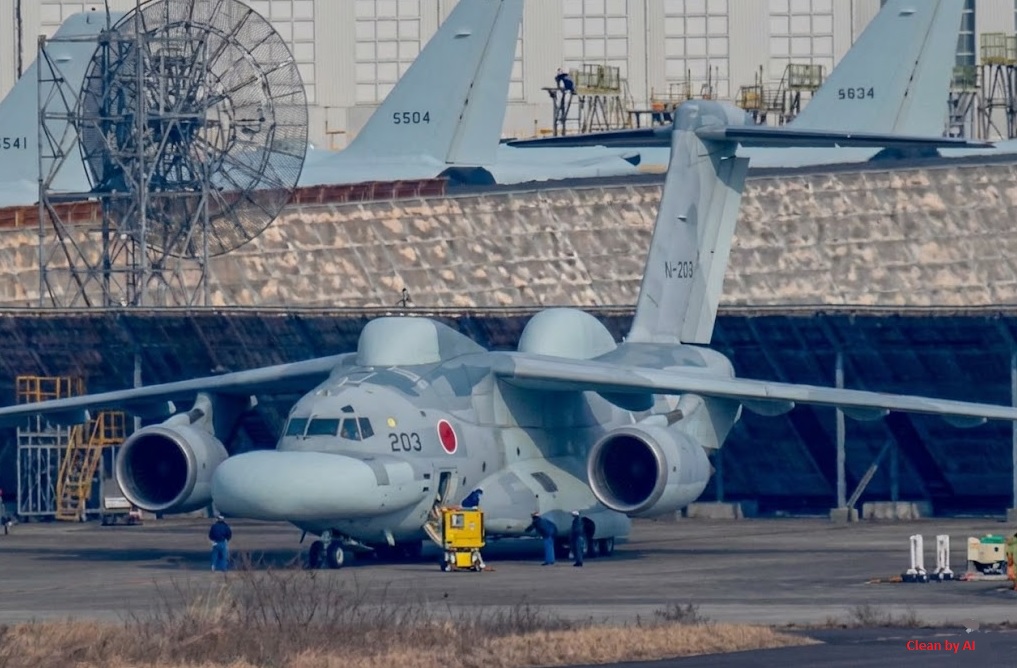
In the tail of the aircraft, you can see three large fairings at once, which should provide a very wide "field of vision" or action.
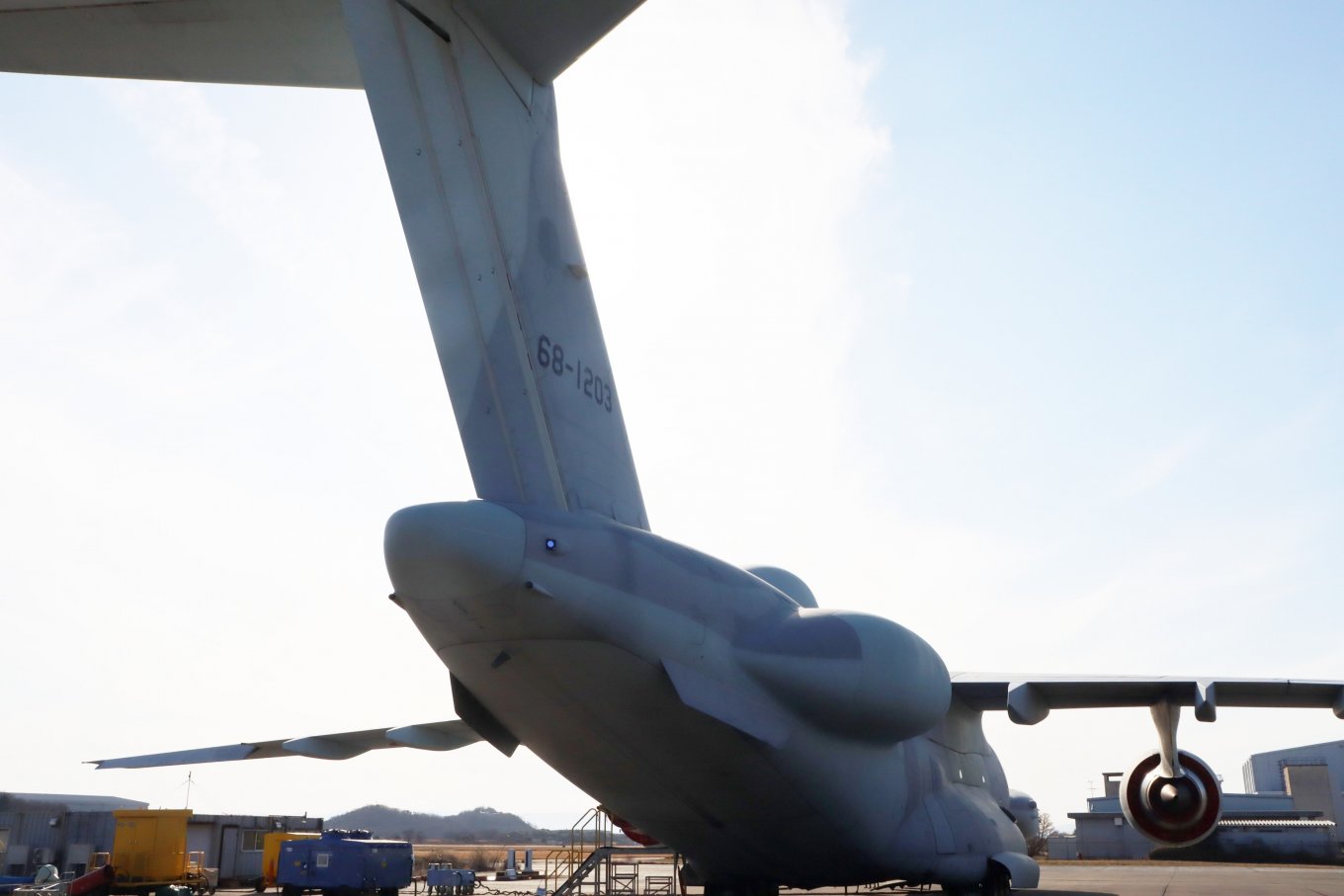
What exactly the devices are hidden there are also unknown, but given the additional air intakes, they obviously require additional power and/or cooling.
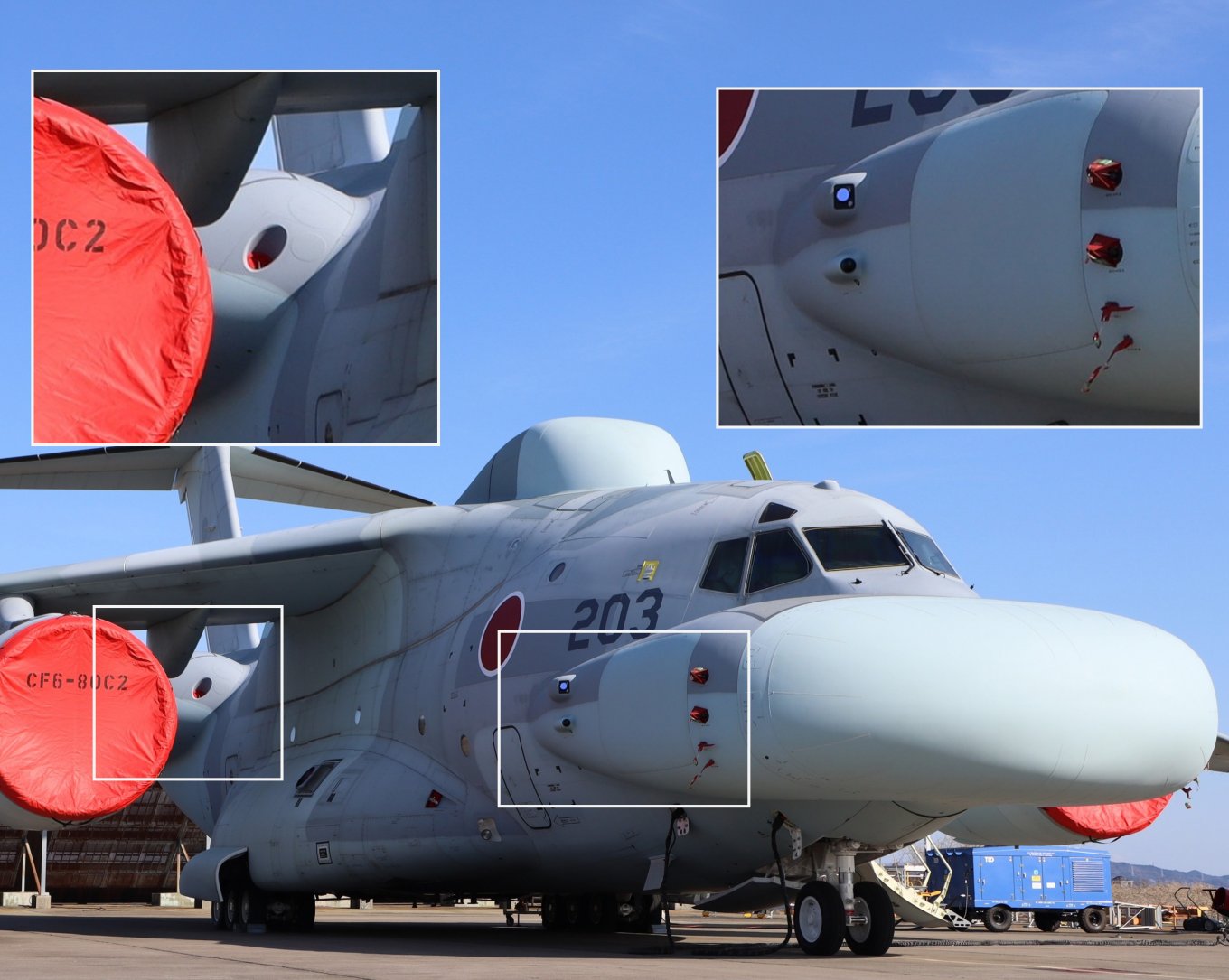
In addition, attention can be drawn to a number of optical sensors located on the fuselage – but these can obviously be elements of the aircraft's self-defense and warning of approaching enemy missiles system.
Read more: Japan Showcases Unusual Cylindrical NEC-LR-02T AESA Radar: Key Advantages and Its Appeal to Middle East