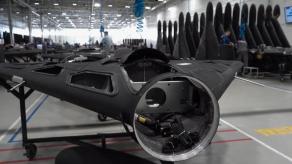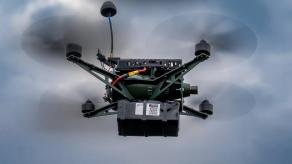
Ukraine's Defense Intelligence has published a detailed interactive breakdown of russian Molniya-2R unmanned aerial vehicle on the War&Sanctions portal, within the section dedicated to components used in weapons systems. The release sheds light on the electronic architecture and foreign-made components underpinning russia's latest adaptation of the Molniya drone family.
Earlier disclosures by Defense Intelligence documented russia's use of the original Molniya system as an FPV kamikaze drone of aircraft type, launched from a dedicated catapult and guided directly by an operator to the target.
Read more: russia Offers India 3 Old Subs for Under $1B Days After Ukraine Sank Newer Version in Novorossiysk
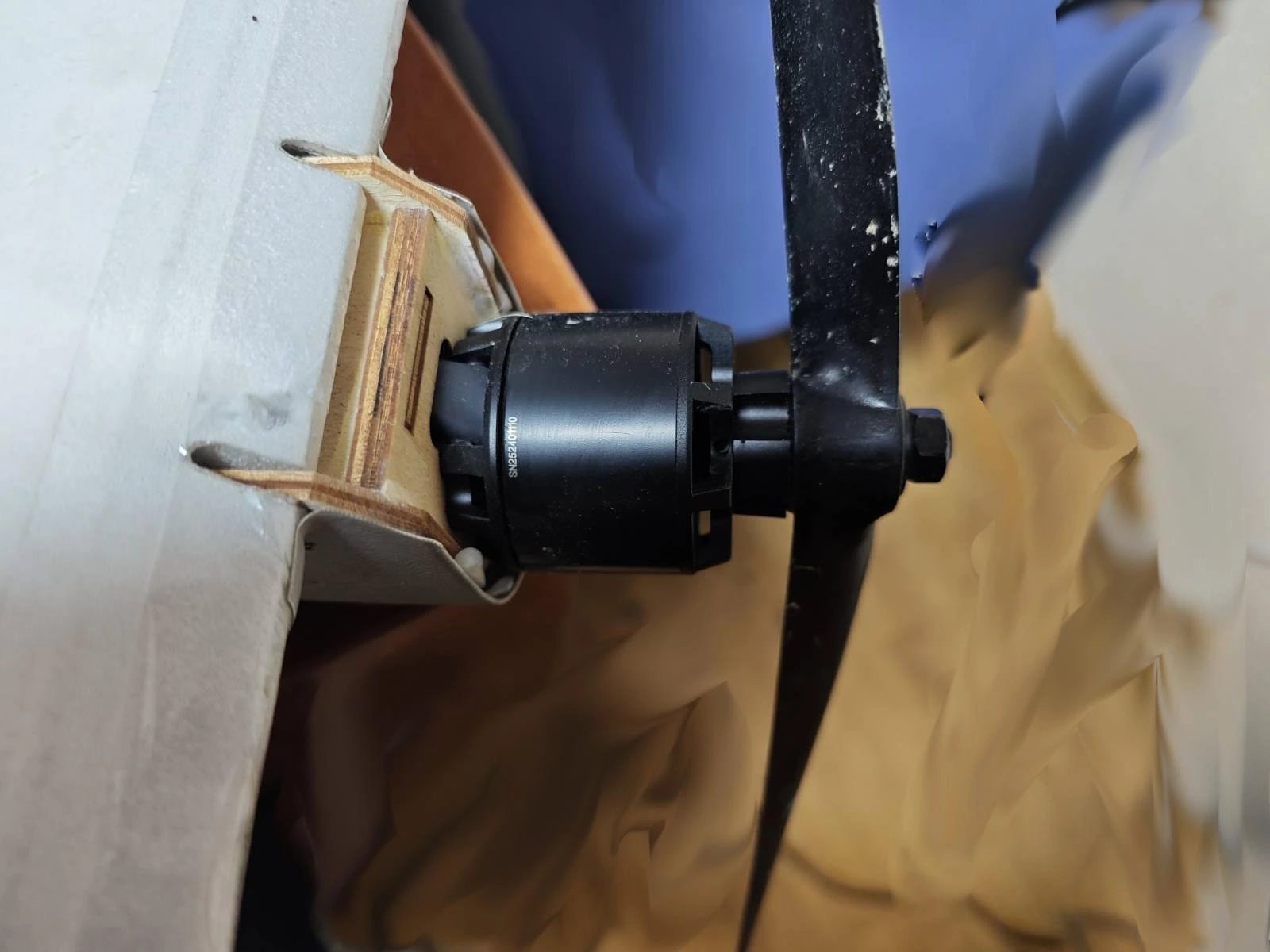
This concept later evolved into the Molniya-2 variant, which featured twin wing-mounted engines, a redesigned fuselage, extended range, and a more powerful warhead, indicating an effort to improve survivability and strike effectiveness.
The newly identified Molniya-2R system represents a further adaptation, this time shifting the platform's primary role from strike to aerial reconnaissance.
A key feature of the Molniya-2R drone is its reliance on commercially available computing hardware. Russian developers integrated Raspberry Pi 5 microcomputer alongside Chinese-made Mini PC F8, which is rebranded under the russian name Raskat and produced by Novyi IT Proekt. Notably, the system reportedly runs a licensed version of Windows 11, highlighting continued dependence on civilian technologies.
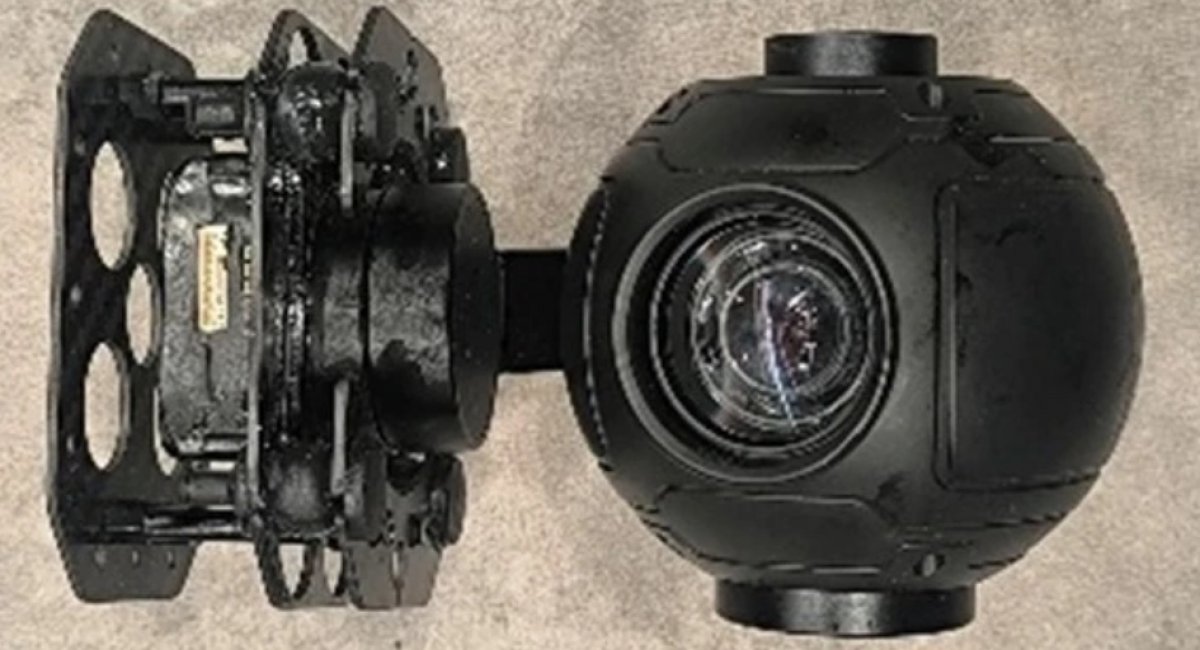
The reconnaissance capabilities of the drone have also been significantly enhanced. In addition to a forward-facing FPV camera, the Molniya-2R drone is equipped with Chinese SIYI ZR10 camera featuring tenfold optical zoom and three-axis stabilization. This setup allows for more detailed observation, target tracking, and fire correction over greater distances.
For data transmission, the drone employs Starlink satellite terminal to relay video feeds from both cameras, telemetry data, and control commands. This choice suggests an emphasis on maintaining long-range connectivity and resilience against conventional line-of-sight limitations, particularly in contested electromagnetic environments.

Read more: Ukrainian Strike on russia's Il-38N Aircraft Cleared Way for Submarine Attack in Novorossiysk (Video)