

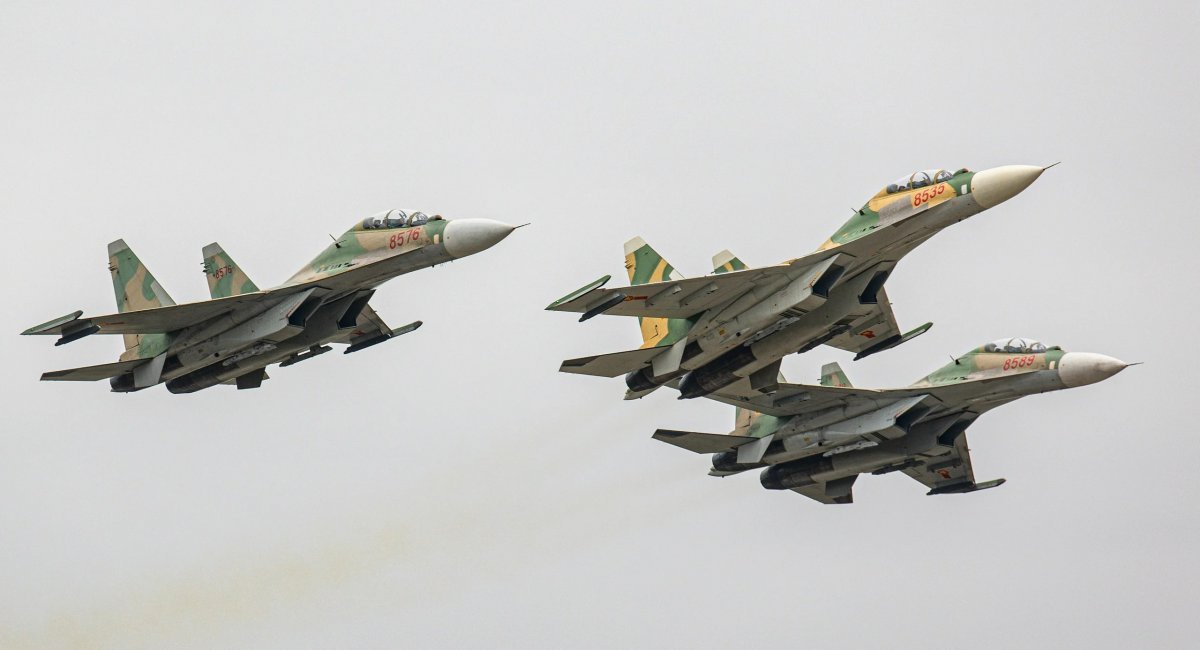
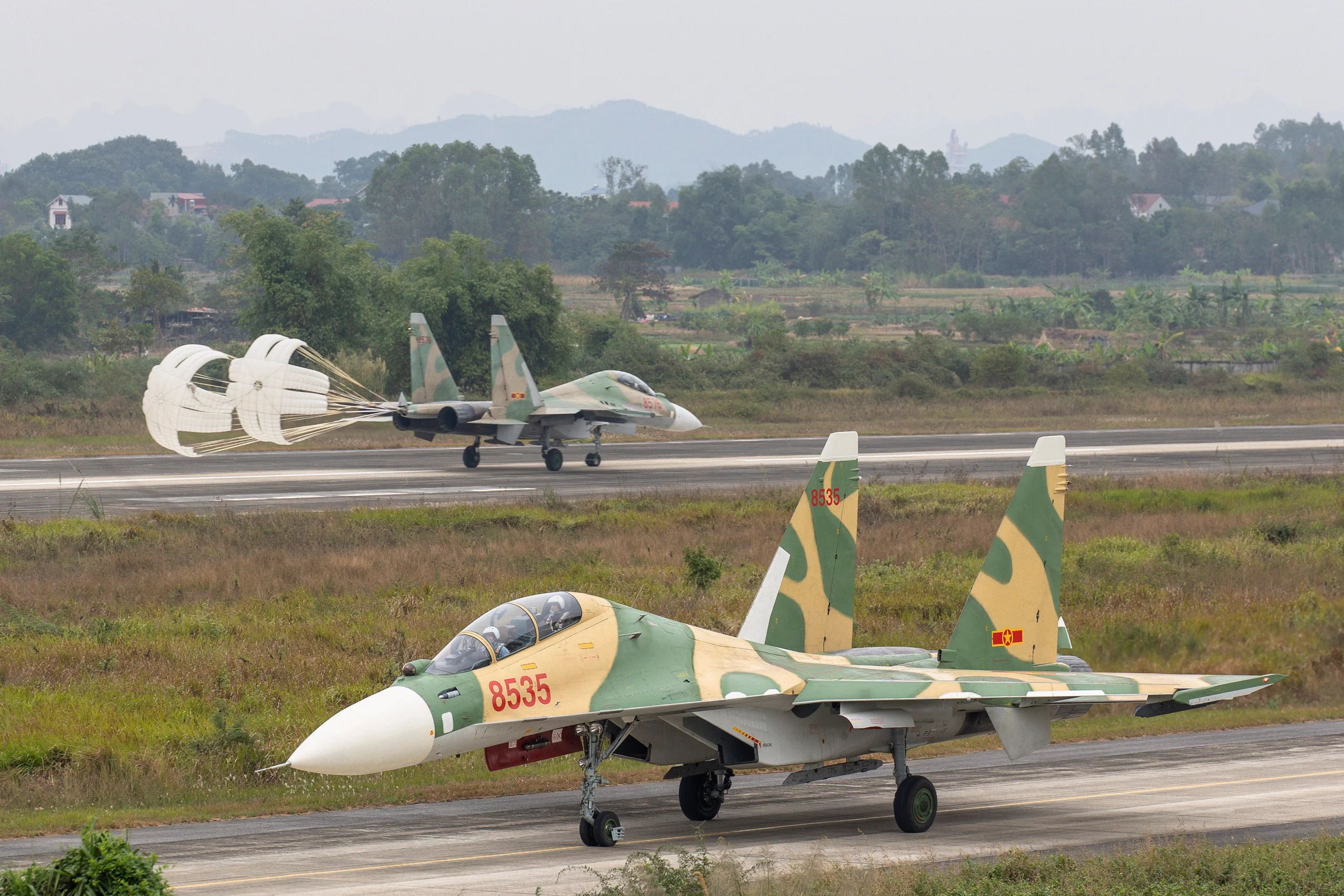
One of russia's largest arms markets in Asia has traditionally been Vietnam. At present, the combat aircraft inventory of the Vietnam Air Force consists exclusively of Soviet- and russian-made platforms. Specifically, it includes 16 Su-22M4 aircraft, 9 Su-22UM3K trainers, 5 Su-27SK fighters, 5 Su-27UBK trainers, 35 Su-30MK2 multirole fighters, and 12 Yak-130 trainer aircraft.
A similar situation exists across other branches of Vietnam's armed forces, which largely operate Soviet- and russian-origin equipment. However, as early as 2022, Vietnam announced its intention to diversify its arms procurement in order to reduce dependence on russia. Practical steps in that direction had begun even earlier.
Read more: Vietnam Chooses Korean K9 Thunder Over russian Artillery and KrAZ-Based Prototype
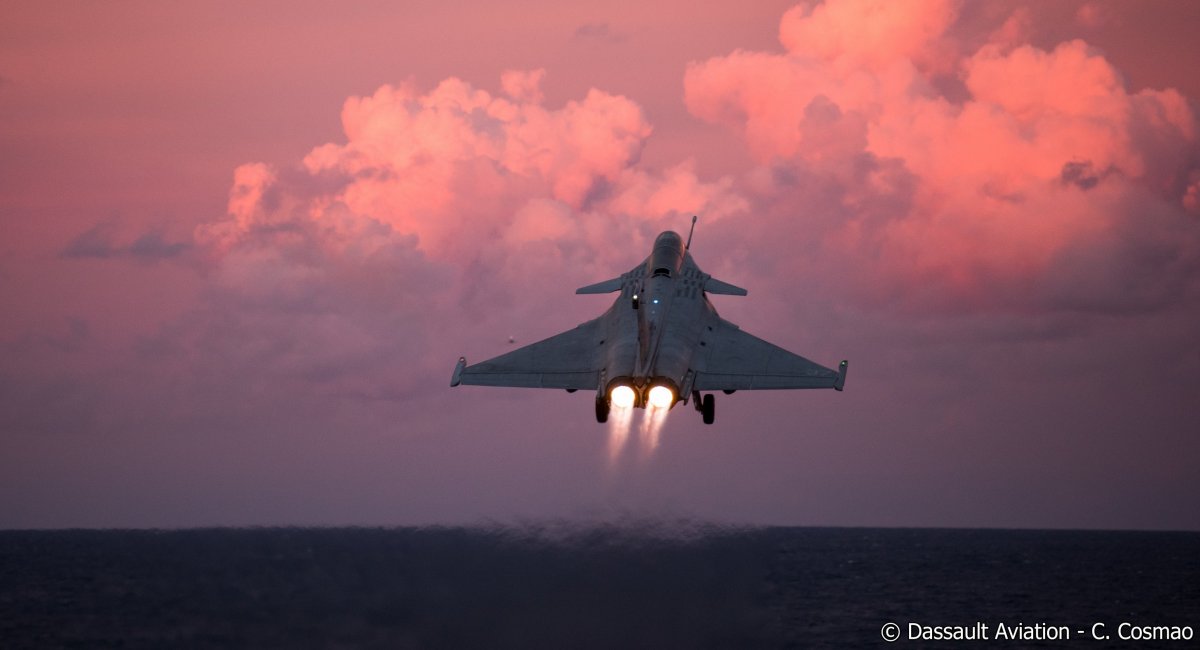
New information now indicates that Vietnam and France have made significant progress in negotiations regarding the future supply of Rafale fighter jets.
From the Defense Express perspective, it is worth noting that reports about Vietnam potentially acquiring French Rafale fightershad already surfaced in 2024. Moreover, back in 2013, the two countries signed a bilateral defense cooperation agreement.
Importantly, Vietnam's move away from further purchases of russian weapons is not limited to combat aviation. Tangible developments can already be seen in other areas. Instead of ordering additional T-90S tanks from russia, Vietnam has opted to modernize its legacy T-54 and T-55 tanks with Israeli participation.
It is also worth recalling that the United States lifted its arms embargo on Vietnam in 2016. Since then, Vietnam has purchased approximately USD 400 million worth of U.S.-made military equipment, including coast guard vessels and training aircraft. Hanoi is also considering the acquisition of C-130J transport aircraft.
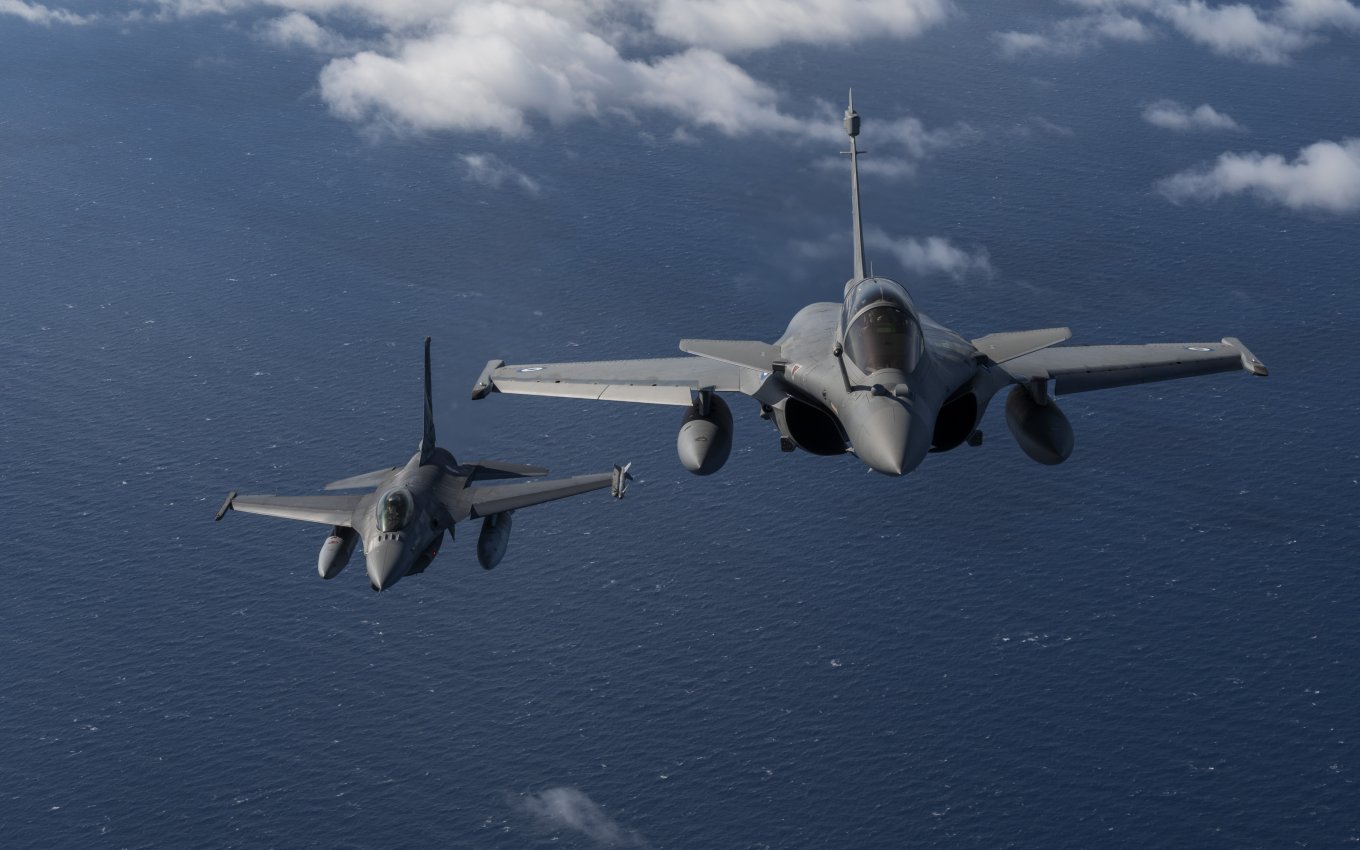
In addition to Rafale, Vietnam previously held talks with the United States regarding a possible purchase of F-16 fighters. However, there appears to have been no tangible progress in that direction. Moreover, with a relatively modest defense budget of around USD 10 billion per year, Vietnam is unlikely to be able to afford the procurement of both aircraft types simultaneously.
Transitioning from Soviet- and russian-made aircraft to Western platforms would require Vietnam to comprehensively overhaul its airbase infrastructure and establish entirely new stockpiles of aviation munitions, as existing inventories would not be compatible with French fighters.
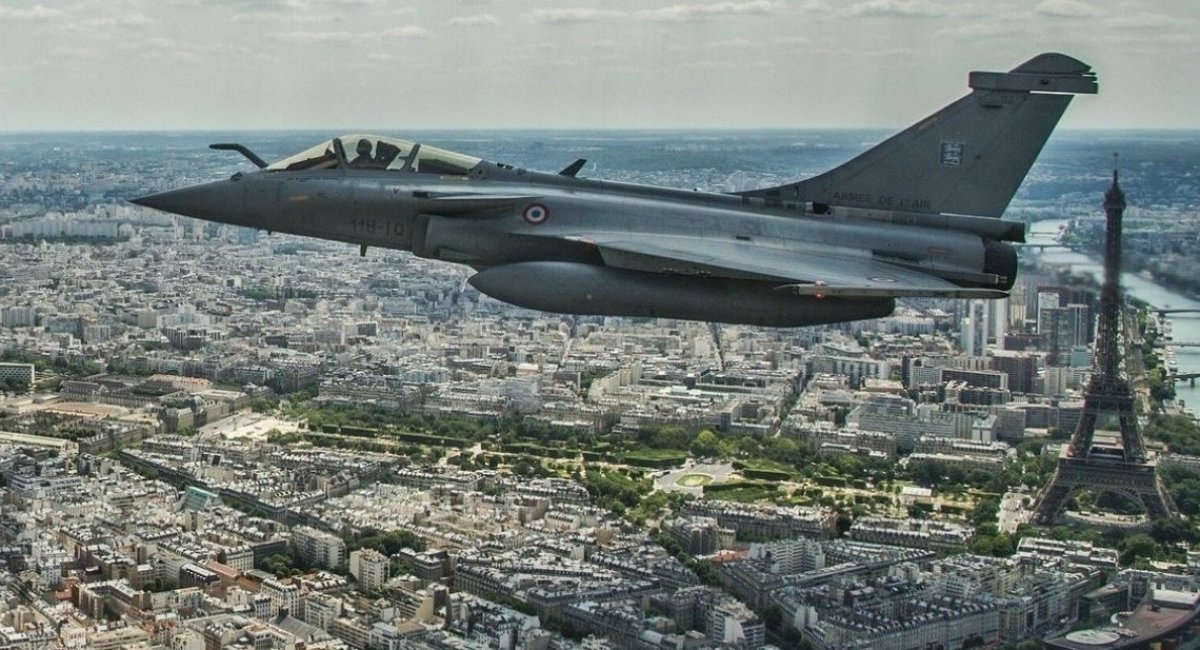
This would be a lengthy and costly process. It should also be noted that Rafale production slots are currently in high demand, with a significant backlog in France. Therefore, even if an order were placed this year, it is highly unlikely that the first aircraft would enter service with the Vietnamese Air Force before the end of this decade.
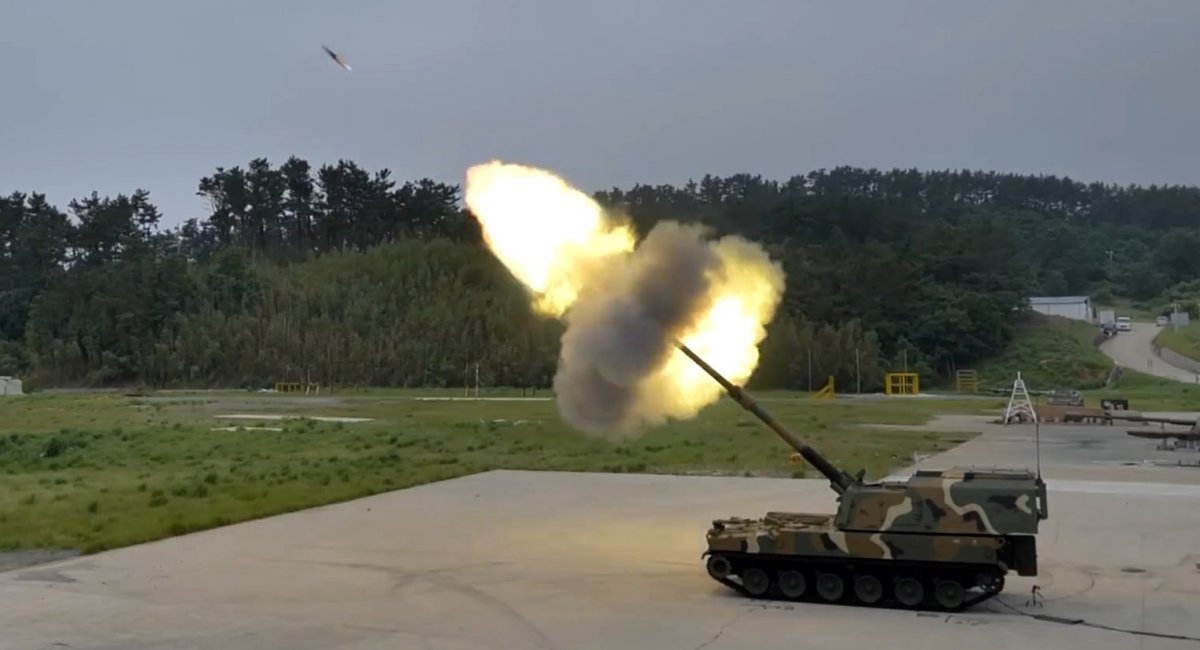
More broadly, Vietnam’s gradual shift toward Western standards is also reflected in its decision to procure South Korean K9 155-mm self-propelled howitzers. This further indicates Hanoi's intention to gradually reorient its armed forces toward NATO-compatible systems.
That said, given Vietnam's limited defense budget and the large volume of legacy Soviet and russian equipment still in service, this transition will inevitably be a very long process.
Nevertheless, it can already be stated that russia is losing a major and traditionally loyal arms market, as well as an important regional partner. What is unfolding can indeed be described as a tectonic shift in the global arms market.
Read more: Gripen Beat Rafale In Colombia At $220M Each: F-16 And Typhoon Didn't Provide Full Data