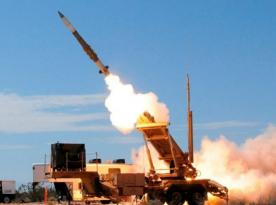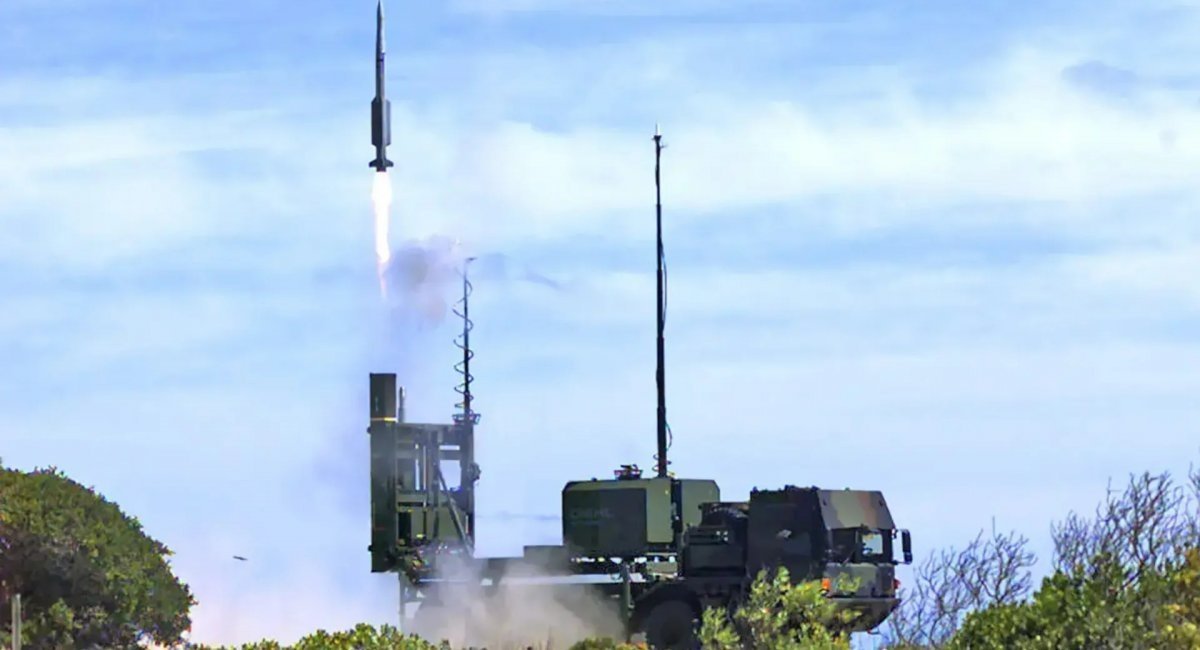
The acquisition of IRIS-T SLM medium-range air defense systems has returned to the Romanian agenda, becoming a central topic of intergovernmental talks between the Romanian and German Ministers of Defense.
During discussions on deepening defense cooperation and utilizing European Union SAFE program loans to bolster defense capabilities, the parties addressed the procurement of these SAM systems and Skyranger anti-aircraft artillery systems. Bucharest had previously allocated half of its first SAFE tranche to road construction but is now pivoting toward defense assets.
Read more: Rheinmetall Claims Romania Signed Deal for 298 Lynx IFVs Romanian Government Says No Contract Exists
"At the beginning of the meeting, Minister Pistorius and his Romanian counterpart signed a joint declaration. The objective is to strengthen European air defense under the Sky Shield Initiative. Romania will receive over €16 billion from the EU's SAFE program for this purpose. The procurement of systems such as IRIS-T SLM or Skyranger is currently under consideration," the German Ministry of Defense stated in an official release.
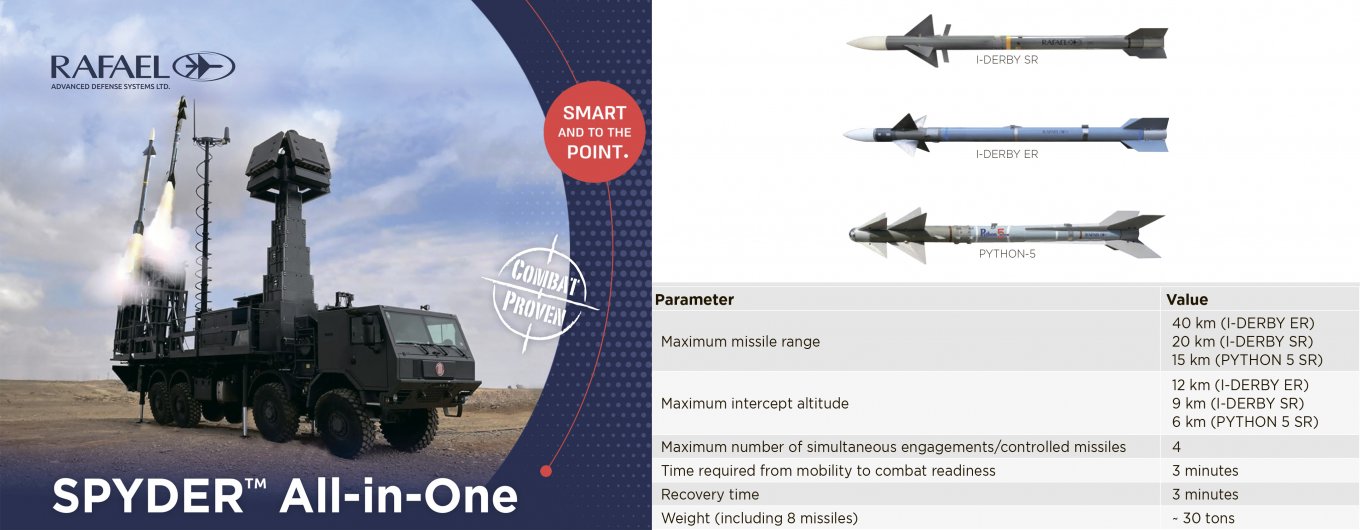
Industry analysts at Defense Express note that the inclusion of the IRIS-T SLM in current negotiations is unexpected. In July 2025, Romania signed a €2 billion framework agreement with Israel's Rafael for 18 SPYDER units. This followed a contentious tender process that began in late 2023, during which Bucharest disqualified several other participants.
The SPYDER's primary competitors included the South Korean L-SAM (LAMD), the French VL MICA, and the German IRIS-T. While the European systems were reportedly sidelined due to high costs, the South Korean bid failed due to a clerical error - the omission of a 1% performance bond receipt from the documentation package.
Furthermore, reports indicated that the SPYDER did not fully meet the initial requirements but was selected nonetheless. The €2.038 billion (10.33 billion RON) framework agreement officially planned for three firm contracts: six SHORAD configurations, six VSHORAD configurations, and six combined SHORAD-VSHORAD units.
Insider reports also suggested that the SHORAD variants would be modified for medium-range engagement, integrating an unspecified Leonardo radar and the Polish Piorun MANPADS missile.
However, to date, no information has emerged regarding the signing of a firm contract between Bucharest and Rafael. The absence of a binding order suggests the procurement may not have progressed past the framework stage.
Consequently, having assessed the availability of SAFE program loans, Romania may be revising its previous decision. The IRIS-T SLM, despite its higher price point, could be financed through long and cheap EU credit facilities.
An alternative scenario remains: the SPYDER contracts may have been signed under a confidentiality agreement. In this case, the German negotiations would signify an expansion of Romania's air defense network. The Ministry of Defense's long-term modernization plan targets a total of 41 systems with a projected budget of €4.2 billion through the 2030s.
Read more: From Fifth to Sixth Generation: How Rafael's L-SPIKE 4X Merges Missile Speed, On-Station Persistence and AI Targeting