


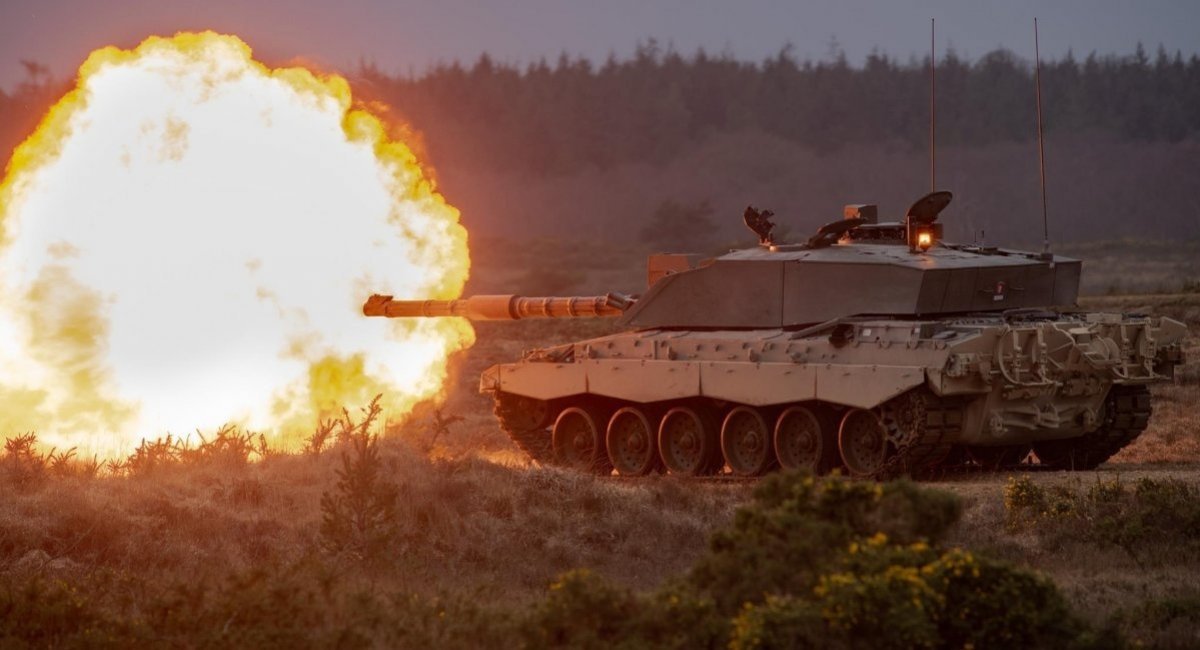
The UK has yet to decide what to do with those Challenger 2 tanks that will not be modernized to the Challenger 3 configuration. This was stated by the country's Minister of State for Defence Readiness and Industry, Luke Pollard, in response to a parliamentary inquiry.
According to UK Defence Journal, several options are currently under consideration for these "surplus" vehicles, including placing them into storage, selling them, using them for training purposes, or transferring them free of charge.
Read more: Challenger 2 Tanks in Ukrainian Service for Over Two Years: How the Tanks Have Performed in Combat
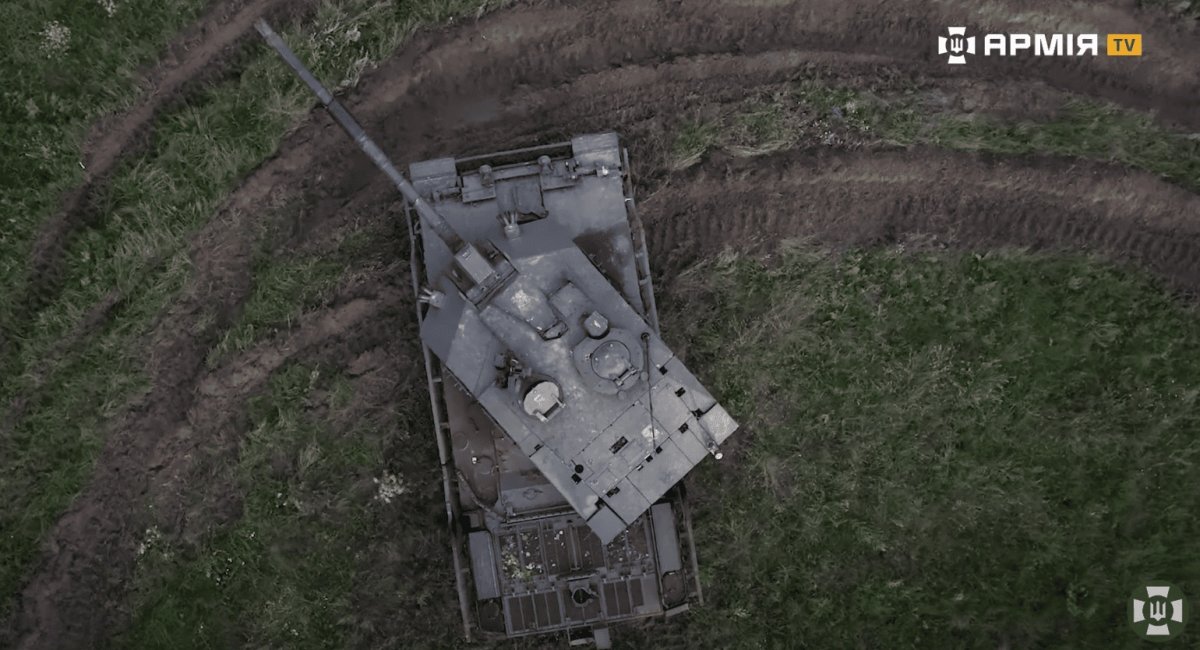
The situation stems from the fact that the UK plans to upgrade only 148 tanks to the Challenger 3 standard. As a result, more than 70 vehicles would remain outside the modernization program out of the total Challenger 2 fleet currently in service.
This also raises questions about the long-term condition of the Challenger 2 main battle tanks. For instance, during the development of the new Challenger 3, which is being built using refurbished Challenger 2 hulls, the UK encountered a rather fundamental problem. Many of the old hulls were found to be heavily worn and affected by structural defects. This, in turn, suggests that building a new tank from scratch may ultimately be easier than refurbishing decades-old platforms.
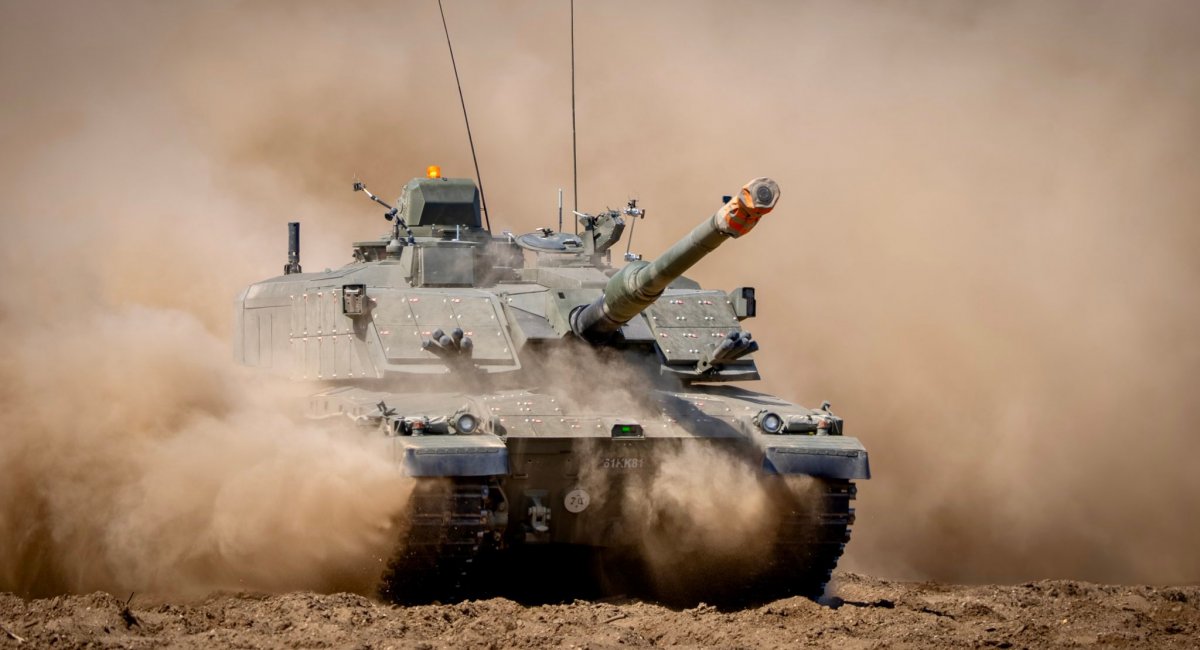
At the same time, if the UK does retain a certain number of older Challenger 2 tanks, some are likely to be used as spare-parts donors, while others may be scrapped altogether. Even so, a portion of the fleet would remain in a "limbo" status. These are vehicles that Britain could realistically sell or transfer to another country, including Ukraine.
However, there are also clear indications that the UK may continue operating parts of its Challenger 2 fleet for an indefinite period. At present, there are signs that the Challenger 3 program could turn into another long-term and delayed project. Notably, the tank was unveiled last year without several key systems, including an active protection system, underscoring the incomplete state of the program.
It is also worth noting that the Challenger 3 will be significantly heavier than its predecessor, by up to 10 tons, with its combat weight potentially reaching a record 75 tons. This is particularly important given reports that the engine and transmission will not receive the level of reinforcement typically required for such a weight increase, although some engine upgrades are planned. This issue is especially relevant, as the Challenger 2 itself experienced mobility problems during its deployment in Ukraine.
Read more: UK Puts Quality Over Speed Challenger 3 Production Won't Start Until Testing Is Complete