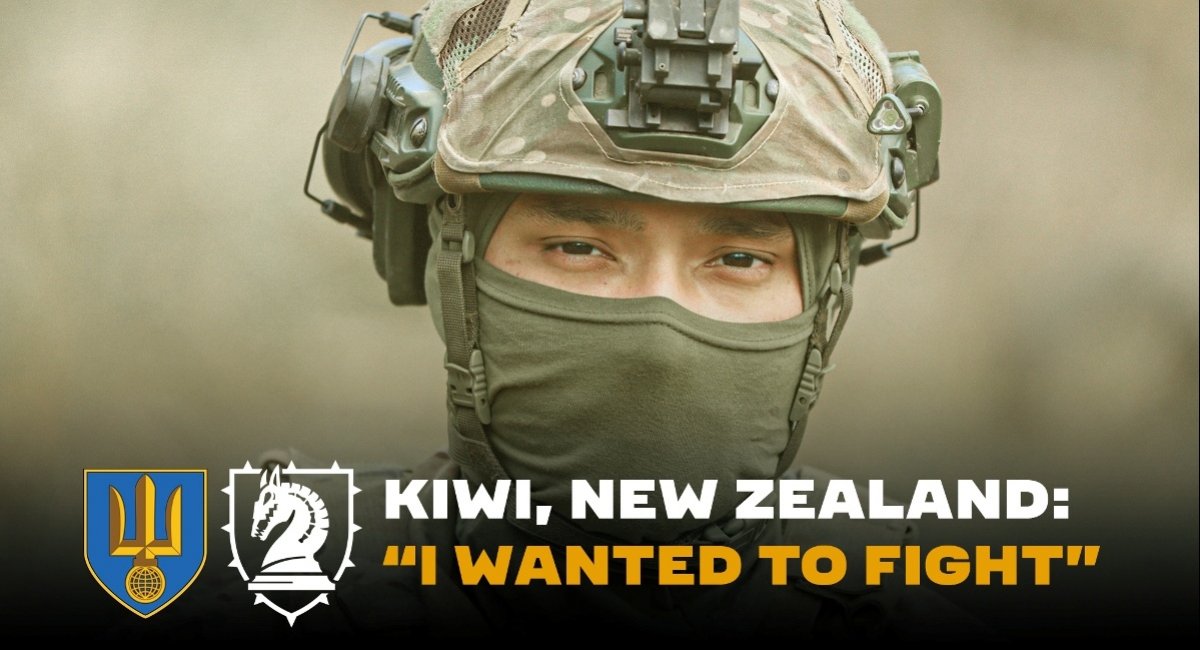
Kiwi wasn’t a soldier. He was a student, studying mechanical engineering. He had no military experience, no training — nothing that would prepare him for the battlefield. But when russia invaded Ukraine, something shifted. He knew he couldn’t stay away. So he left his studies behind and came to Ukraine:
“I wanted to fight. I didn’t like what russia was doing — bombing civilians, destroying homes. I couldn’t agree with any of it. So I dropped uni, came here, and started looking for a brigade. I met a new friend, and he was like, ‘Come with me, let’s join the 47th.’ And here I am.”
Read more: Those Who Fought Cartels in South America Are Now Eliminating russian Invaders in Ukraine
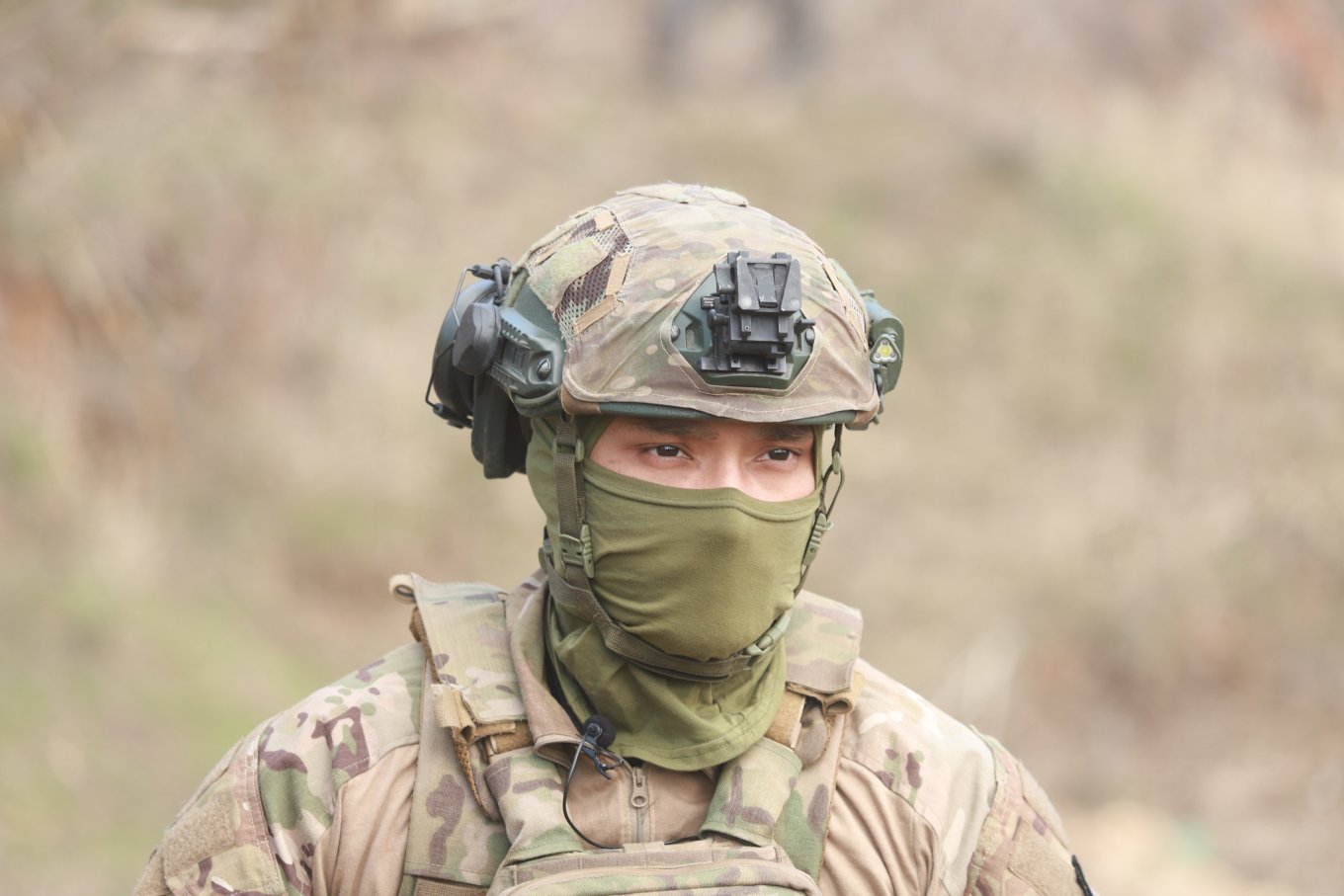
Ukraine wasn’t just a headline for Kiwi — it had faces, voices, and names. While learning Ukrainian online, he connected with people who would soon become more than just language partners. They shared their reality with him — airstrikes, fear, uncertainty. It stopped being distant. It became personal:
“I was trying to learn Ukrainian, using HelloTalk. That’s how I met friends online. They were telling me what was happening — the bombings and everything. They showed me photos. Seeing that made me want to come here even faster.”
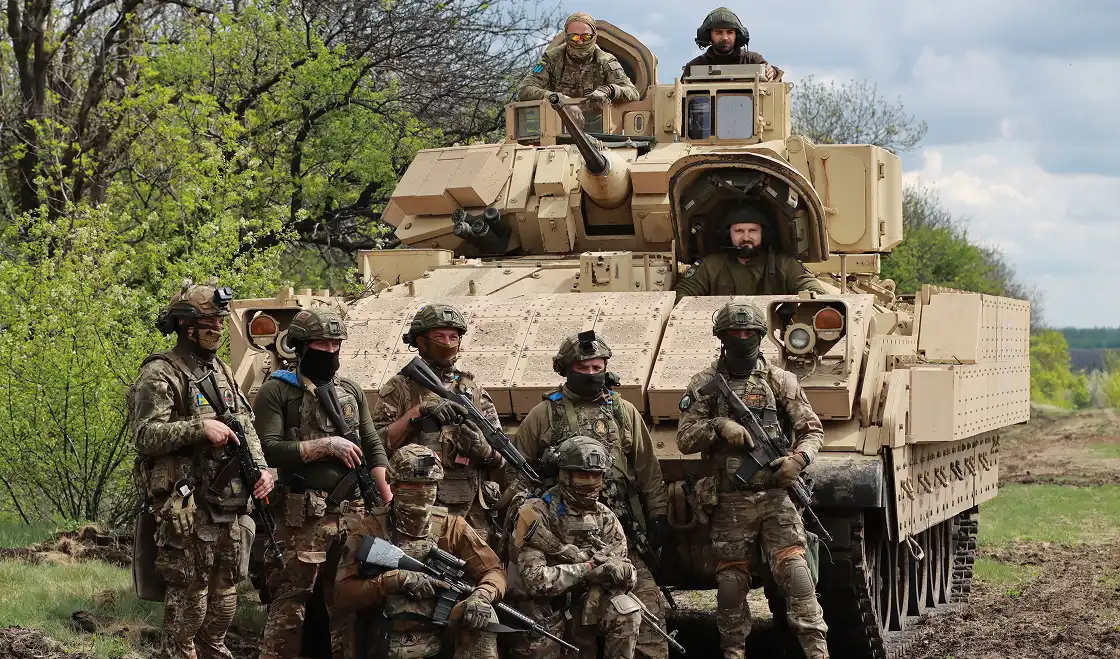
Kiwi arrived without any military background, but not unprepared. He focused on physical fitness before coming — and once within the 47th Mechanized Brigade “Magura”, he underwent intensive training — designed to quickly turn civilians into soldiers ready for combat:
“Training-wise, I just went to the gym — that was pretty much it, to get fit. Then I came to this unit, and they trained us for a month straight. Shooting, and a lot of walking — lots of walking.”
With ten missions behind him in the 47th Brigade, Kiwi is steadily transforming from a newcomer into a soldier shaped by experience. What defines Kiwi’s evolution most is not just combat, but the constant tension of being hunted from above.
As if to underline the presence of drones in Ukrainian skies, our interview was interrupted by the unmistakable buzz of one somewhere nearby. And each engagement like that only reinforces the importance of preparation:
“There are so many of them — you have to hide quickly. In training, we’re told: stay still, hide behind a tree. So when you hear a drone, your first thought is: ‘What the hell am I going to do?’ You might be scared for a moment, but then it switches, and all that training kicks in.”
No matter how much experience Kiwi gains, some things never get easier. It is part of the reality every soldier must face — and one of the heaviest burdens to carry:
“There’s the mud and snow — you can’t really run in that. But the hardest part is seeing your friends wounded … seeing bodies, and realizing — that could be me.”
In war, people hold on to whatever helps them endure. For Kiwi, even in the middle of chaos, there are flashes of dark humor — moments that don’t erase the danger, but make it bearable:
“Once we had to clear a position — two russians inside we needed to eliminate. My friend was the point man, I was right behind him with a machine gun. Then he got shot. He went down but kept firing, shouting, ‘I’m wounded!’
I pushed forward into a small ditch and started shooting — and then ran out of ammo. So I grabbed the ammo box and threw it at them, shouting, ‘Idi nahui’ [‘Fuck off’ in russian]. And they fired back.
That was probably the funniest part of my day. That moment always sticks with me.”
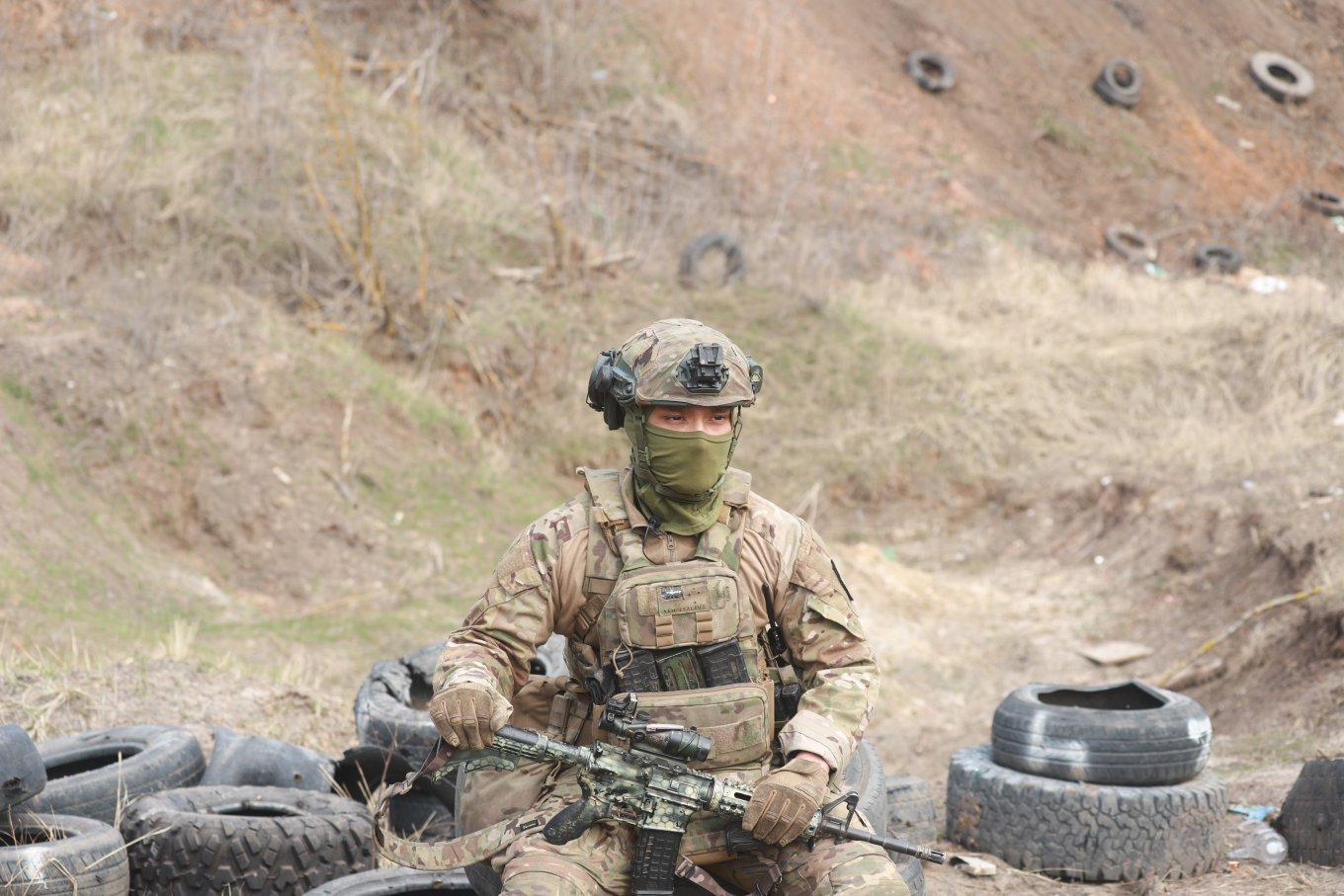
Still even amid war, Kiwi has found something unexpected — a reason to think about the future. In a country he came to defend, he met someone who made it feel like more than just a mission. Like something that could become home. But until the war is over, his place remains on the front:
“There’s a girl in Dnipro — a very special girl. I want to go there to get ice cream with her. And after that, I’ll keep fighting. I love to fight, and I love this country.”
And for those considering volunteering and joining the ranks of the Ukrainian army, Kiwi keeps his advice simple and direct:
“Do it. You’ll get the best gear, the best training, and you’ll find brothers for life here. If you truly want to fight, join the 47th. I’d recommend it. You’ll learn a lot — the training is very strong. If you make mistakes, they won’t yell at you. They’ll teach you how to do it right.”
Learn more about the 47th Separate Mechanized Brigade “Magura” and join on the official website.
Learn more about foreign volunteers in the Armed Forces of Ukraine and join on the official website.
Text: Dmytro Tolkachov
Video, photos: Volodymyr Patola, Dmytro Tolkachov
Editing: Oleksandr Bekker
Read more: Polish Volunteer Found His Honor in Ranks of Ukraine’s Armed Forces