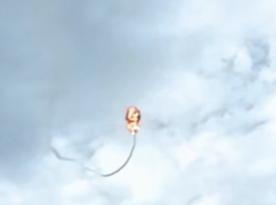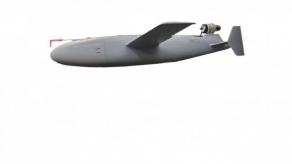
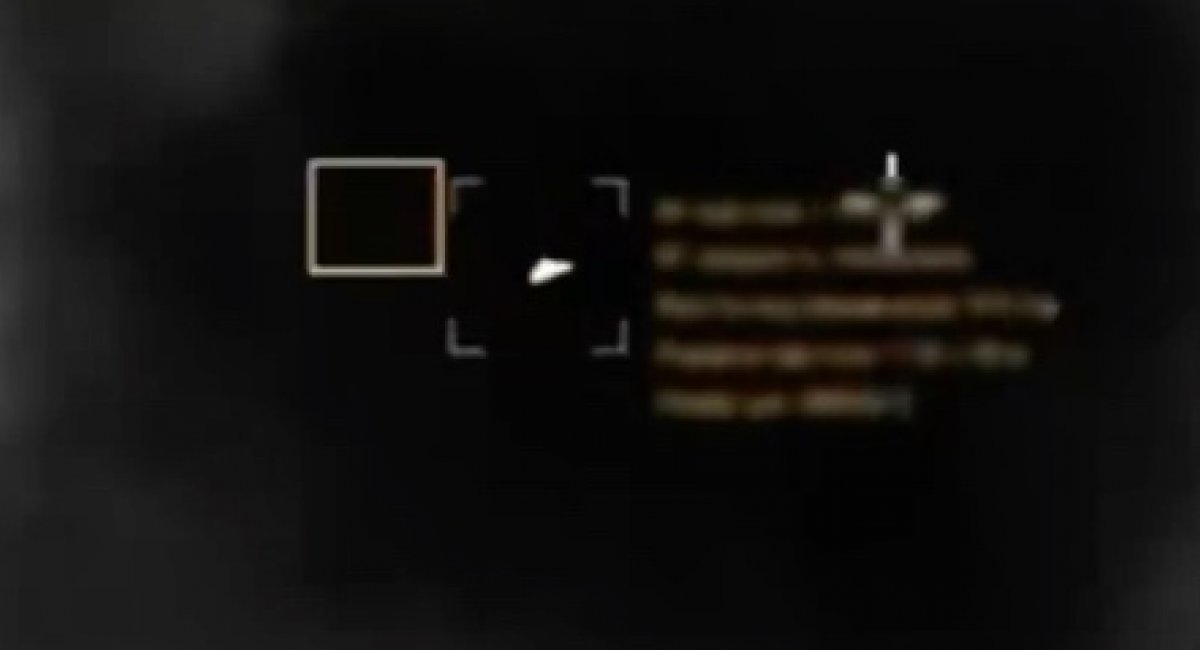
Ukraine is advancing a new layer of air defense by integrating privately operated interception groups, with early results indicating growing effectiveness against increasingly complex aerial threats. According to Defense Minister Mykhailo Fedorov, one such unit in Kharkiv region has already demonstrated the capability to counter high-speed targets, including the reported interception of a jet-powered drone traveling at over 400 km/h.
The emergence of these faster unmanned aerial threats reflects a shift in russian tactics, with wider deployment of jet-powered drones that are more difficult to track and intercept than traditional loitering munitions. Their higher speed reduces reaction time for air defense systems and complicates engagement, especially for mobile or short-range units.
Read more: Between Intercepting Iskander Missiles, Buying IFVs, Estonia Prioritizes Air Defense, Drones
Mykhailo Fedorov emphasized that the development of private air defense groups is part of a broader effort to build a multi-layered air defense architecture. These groups are intended to complement conventional military units, enhancing coverage and response speed without overburdening frontline air defense forces.
Currently, such private air defense units are being formed across 19 enterprises. These groups are not operating independently but are integrated into the unified command and control system of the Ukrainian Air Force, ensuring coordination with existing radar, tracking, and engagement networks.
As Defense Express previously reported, Ukrainian marines have repelled another russian attempt to establish a foothold along the Dnipro River, destroying multiple assault boats and eliminating enemy troops trying to secure positions in the river's floodplain. The engagement highlights the continued intensity of fighting in this challenging riverine environment.
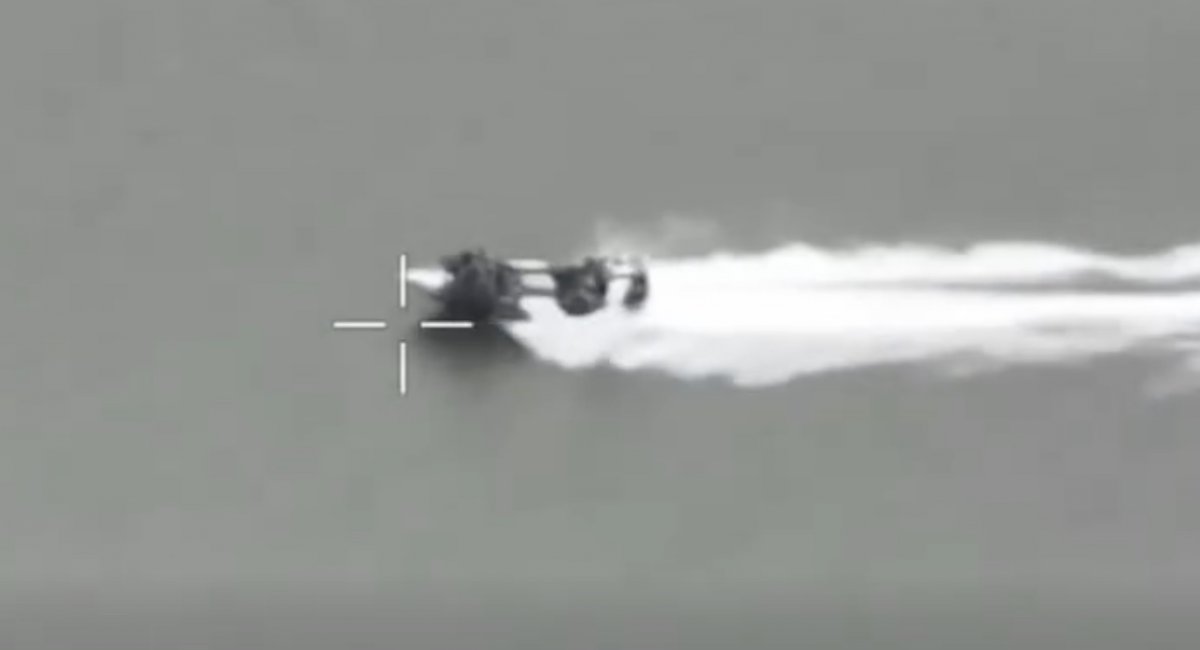
Read more: Ukrainian Marines Destroy Three russian Boats, Eliminate Landing Groups on the Dnipro River