


Ukrainian forces carried out a coordinated series of precision strikes overnight on May 2, targeting a wide range of russian military assets across temporarily occupied territories. The operation appears aimed at systematically degrading the enemy's offensive capabilities, with a particular focus on missile forces, reconnaissance systems, and drone warfare infrastructure.
One of the most notable targets was a tactical group of the 9K720 Iskander systems reportedly located near Druzhne in temporarily occupied Crimea. These systems represent one of russia's key strike assets, capable of launching high-precision ballistic and cruise missiles against both military and civilian targets.
Read more: Unknown STASH Air Defense System Debuts Against Shahed Drones in Massive May 1 Attack (Video)
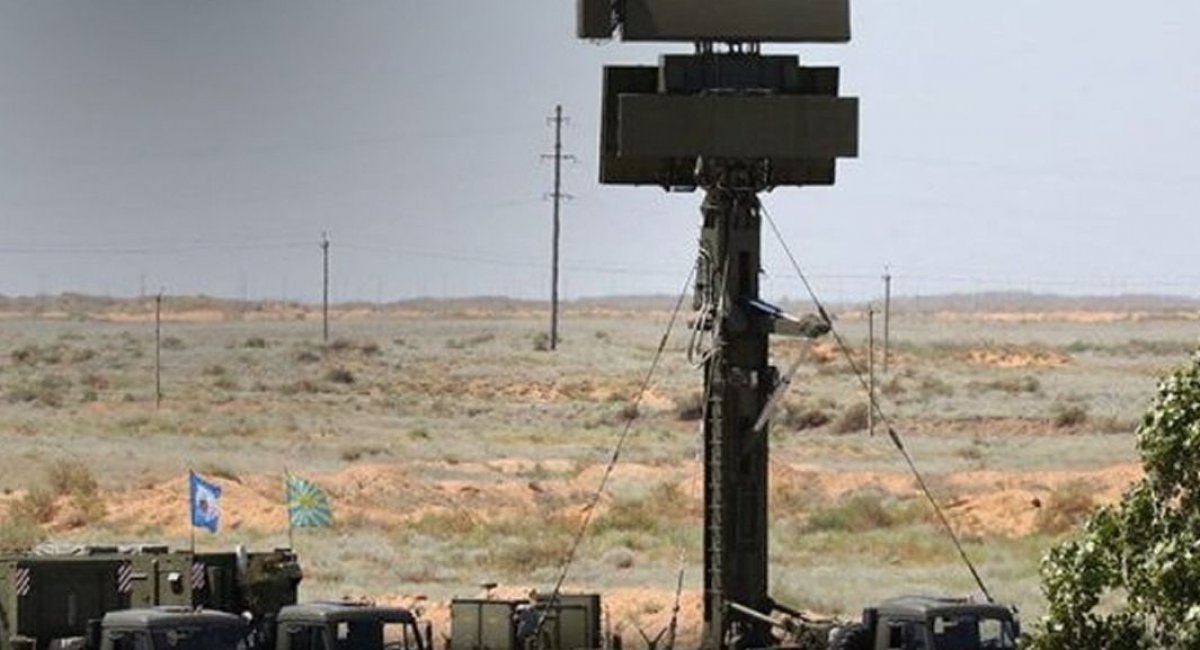
In parallel, Ukrainian forces targeted critical radar systems on the Crimean Peninsula. Among them were the Podlet radar near Yevpatoria and the MIS-M1 coastal radar station near Maiak. These systems play a crucial role in detecting low-flying aerial threats and supporting air defense operations, meaning their degradation could create temporary gaps in russia's situational awareness over the region.
Beyond Crimea, strikes extended into occupied parts of Donetsk, Luhansk, and Kherson regions. Ukrainian forces reportedly hit three command posts used to control unmanned aerial vehicles, along with a dedicated drone storage facility. This indicates a deliberate effort to disrupt russia's increasingly important drone operations, which have been heavily relied upon for reconnaissance and strike missions along the front line.
Additional targets included a repair unit near Kadiivka in Luhansk region and an ammunition depot near Ivanivka in Kherson region. Such facilities are vital for sustaining combat operations, enabling equipment maintenance and ensuring a steady supply of munitions. Their destruction or damage can significantly impact the tempo and effectiveness of russian forces in affected sectors.
While the full extent of the damage is still being assessed, the scale and diversity of targets suggest a carefully planned operation designed to hit multiple layers of russia's military system simultaneously. By targeting missile units, radar coverage, logistics hubs, and UAV command infrastructure in one coordinated effort, Ukraine is likely aiming to create cumulative operational disruption rather than isolated tactical effects.
Separately, the General Staff confirmed the destruction of an ammunition depot at the Kacha air base following a previous strike on April 29. This adds to a pattern of sustained attacks on military infrastructure in Crimea, which remains a critical hub for russian air and naval operations in the region.
Read more: In Ukraine, AI New Generation Is Being Integrated Into C2 Including Air Defense, What Will This Bring