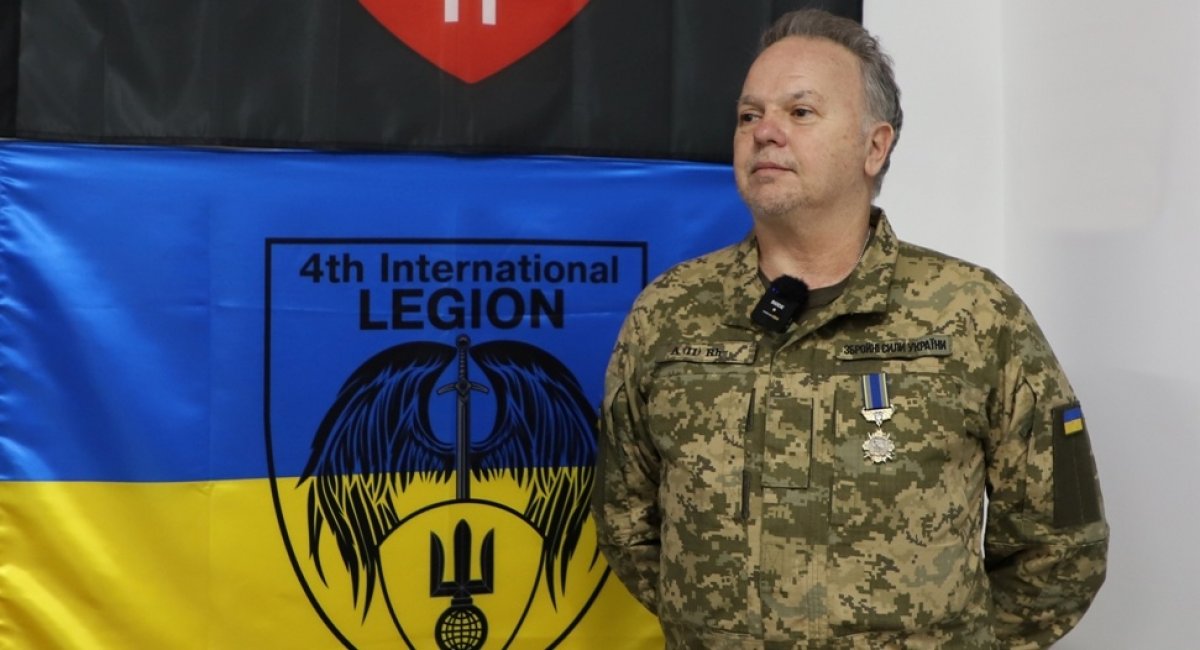
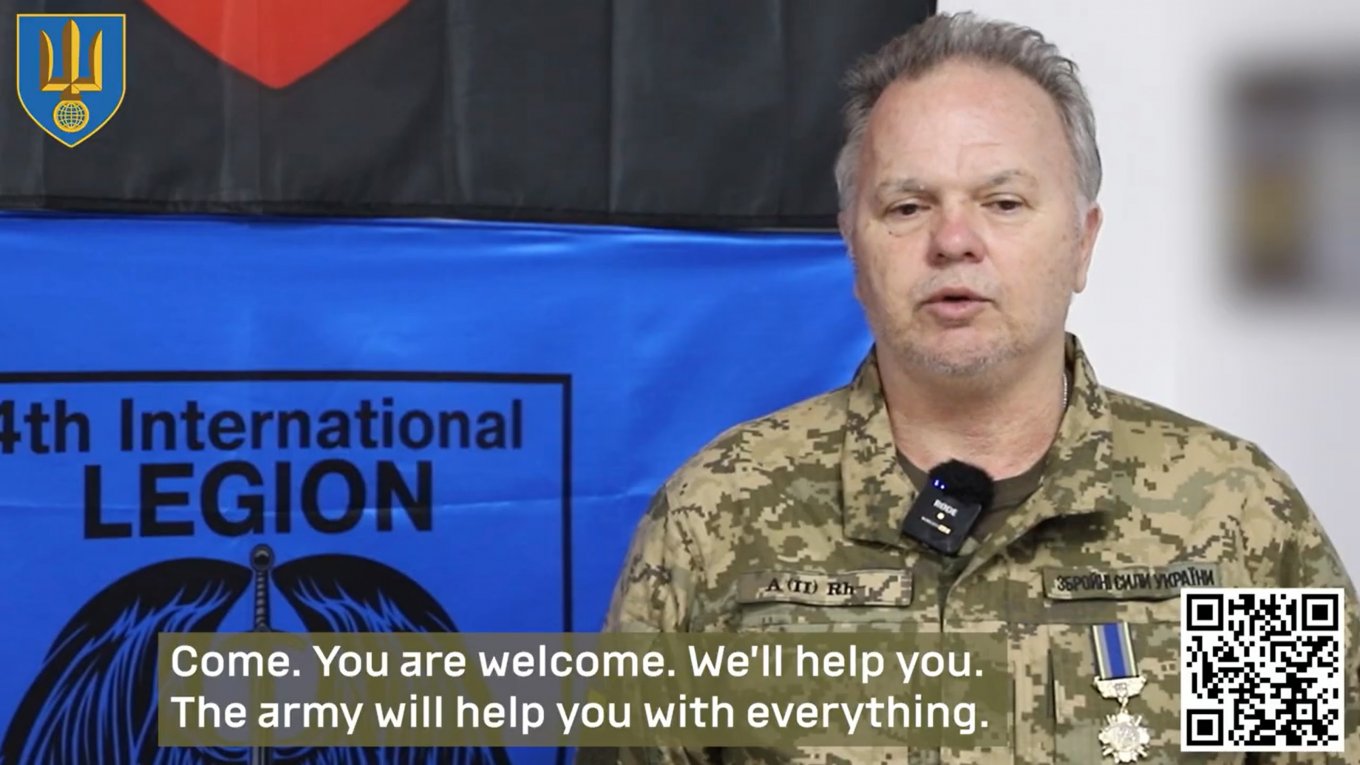
A Brazilian volunteer with the call sign “JC” is currently carrying out a difficult and critically important mission — recruiting. He knows well what qualities a candidate must possess, what future volunteers need to understand, and what advice they should hear before coming to Ukraine.
JC speaks from experience: he has fought Russian forces in the urban ruins of Bakhmut, along the burning riverbanks of Kherson region, and on the defensive lines stretching across the endless fields of Zaporizhzhia.
Read more: Colombian Soldier Says War In Colombia Is Totally Different from russia-Ukraine War
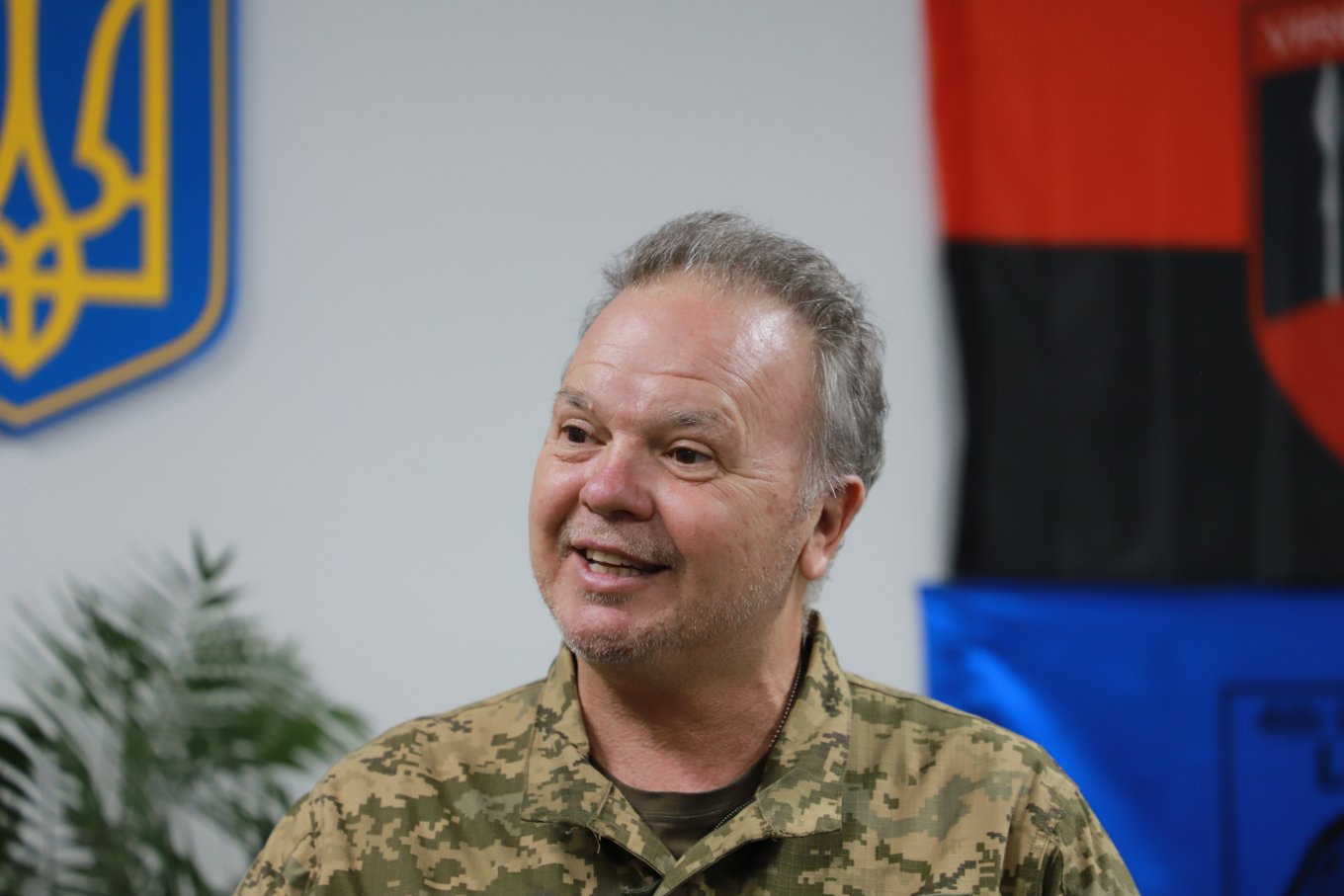
“I’m originally from Brazil. I came to Ukraine in 2023 because a Ukrainian friend of mine — a colleague at the company where we worked — invited me,” JC says. “My first impression of Ukraine was a mix of excitement and concern because of the large-scale Russian invasion. Then I decided to use my experience to help the Ukrainian army.”
The volunteer was impressed both by the friends who waited for him despite the outbreak of full-scale war and by the attitude of Ukrainians toward foreign volunteers in general:
“People in Ukraine are very friendly. When you need something, they try to help. It doesn’t matter which country you come from — they know you came here to help, and they treat you accordingly.”
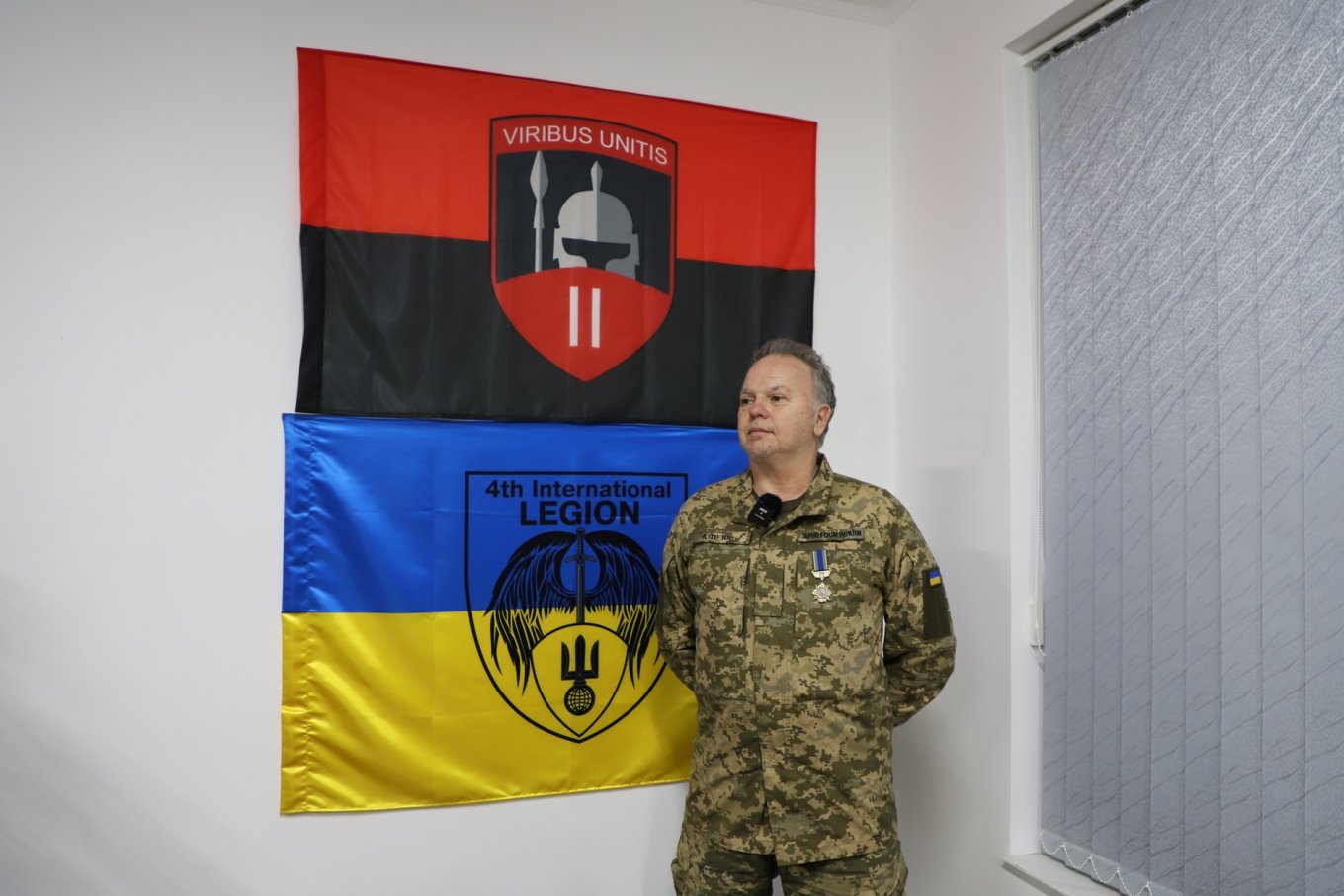
Even before arriving in Ukraine, JC already had combat experience through peacekeeping missions:
“My first war was in Kosovo in 1999. That’s where I gained experience in international cooperation. But this war is very different. Now we have drones, night vision, thermal imaging. It’s very interesting — I think it’s a lesson for all armies in the world, a demonstration of how new technologies can be used. It’s sad that they are used for destruction.”
After joining the Armed Forces of Ukraine, JC quickly found himself in the thick of combat:
“My first experience on the front line in Ukraine was the fighting for Bakhmut. It was like ‘Welcome to Ukraine.’ We were very aggressive at that time and started advancing along enemy positions. The Russians concentrated all their artillery there to stop us because we had pushed forward for kilometers. That’s when we realized we were missing something — logistics couldn’t keep up. I wasn’t worried about fighting enemy infantry face-to-face. We were more concerned about drones. They can find you anywhere. It doesn’t matter if it’s night or day — they know exactly where you are. Then they drop grenades, call in mortars, and send kamikaze drones. It was very difficult. Bakhmut was my first experience in an assault unit. I know exactly how many lives are lost in those conditions. Those memories stay with you. And then you keep moving forward. But that battle was extremely hard.”
After the battles for Bakhmut and a period of recovery and reorganization, JC’s unit was redeployed to the southern theater of operations:
“We operated near Kherson, defending the riverbank. We did everything we could in that situation, because crossing the river is not easy — especially when the enemy is waiting on the other side. Later we fought in the Zaporizhzhia region. It was a defensive line in open fields.”
JC does not hide the truth from his family. They know where he is and what he is doing — and they support him:
“I talk to my brother every week. He always tells me: ‘Stay alive and do your job.’”
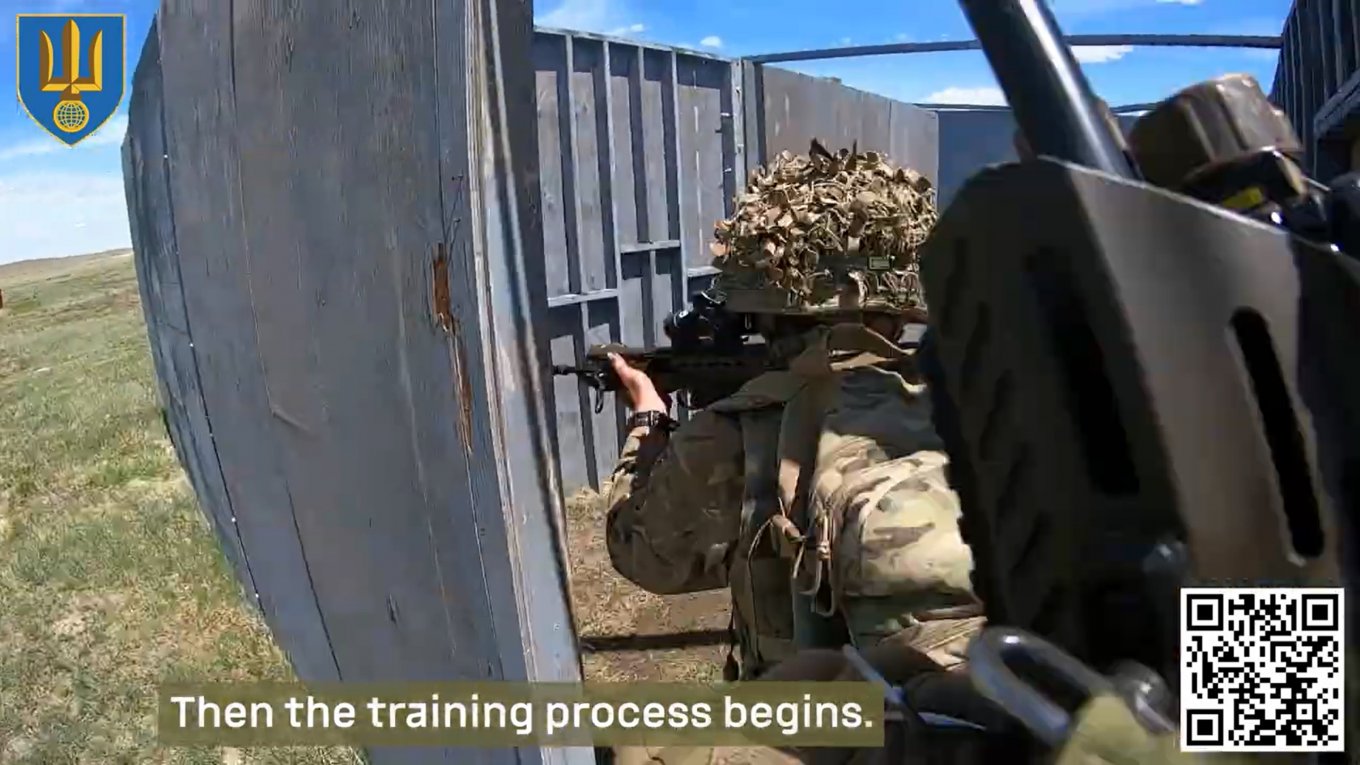
The volunteer warns against underestimating Russia’s manpower and resources, comparing Ukraine’s struggle to the biblical story of David and Goliath:
“When the Russians attack, you see how many people they have and how powerful they are. Then you realize they have a huge country and a huge army. But Ukrainian defenders are strong individually. They know how to work with different types of equipment. We have qualified personnel. It’s like David and Goliath. We are simply trying to defend ourselves, protect each other, and bring everyone home. A military unit becomes like a family during missions. But the situation is very difficult. Surviving and protecting your brothers-in-arms in such conditions is extremely hard.”
Despite speaking openly about the hardships of war and the difficult situation at the front, JC also warns against excessive fear or overestimating the enemy:
“They are not a difficult enemy. They just have more people and more equipment. They rely on practical solutions. We must keep developing — technically and logistically. There is a lot of work behind every soldier, especially in logistics. An army is like a company. The more people understand this, the more effective it becomes. We need to change our thinking for the future of the Ukrainian army — new tactics, new equipment, and a new vision of war. Then it will be easier to defeat the Soviet-style war that Russia is fighting. Someone once said the Russian army is not strong but long. That’s true. Their army is large, but not the best. And when people say the Russian army is ‘not the second army in the world but the second army in Ukraine,’ that is also true. But we still need strength. We need more people and more equipment.”
Learn more about the Legionnaires of the Free World — and how to join the brave — on the official website.
Text: Volodymyr Patola
Video editing and translation: Dmytro Tolkachov
Video and photos: Volodymyr Patola and Oleksandr Los
Read more: Story On How French Volunteer Turned Special Recon Unit Commander In International Unit of Ukraine`s Defense Forces