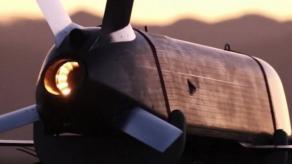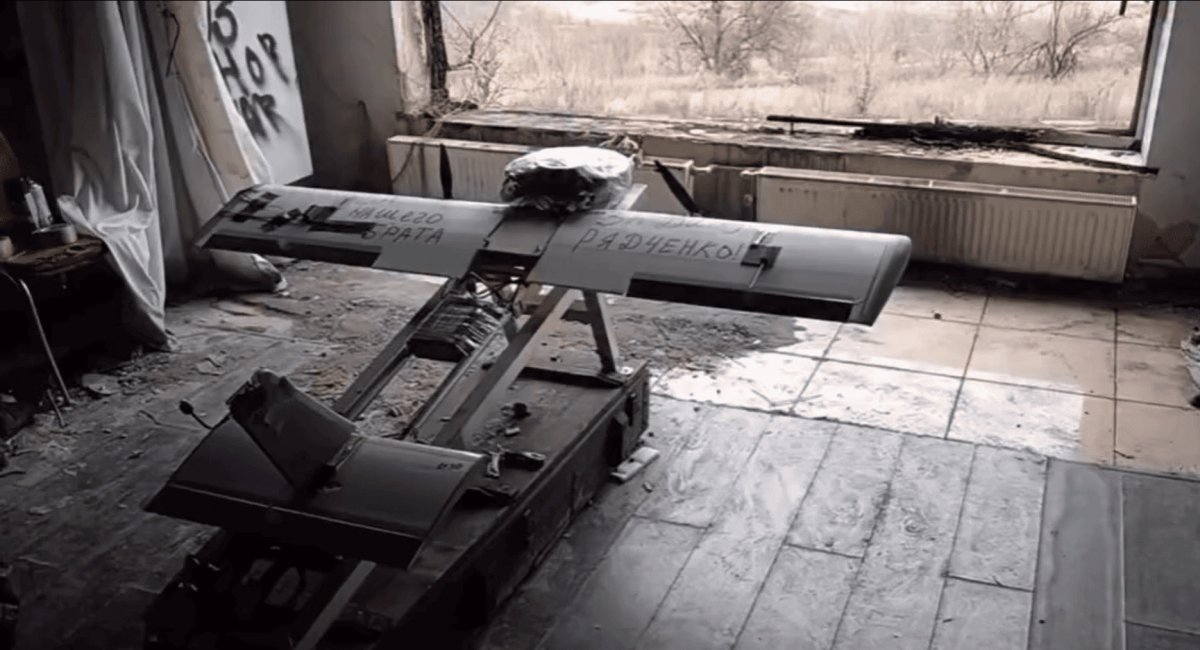
During the UMEX 2026 exhibition in the United Arab Emirates, russians showed off three new variants of Molniya drone. Specifically, they showed the Lightning 2, Lightning P, and Lightning R variants.
Besides being showcased at the exhibition, the drone's name being translated into English also signals plans for future export. All these new variants are continuations of the Molniya-2 drone, which is equipped with two engines.
Read more: russia Reveals Kub-2-2E Specifications for the First Time: What This AI-Enabled UAV Can Do
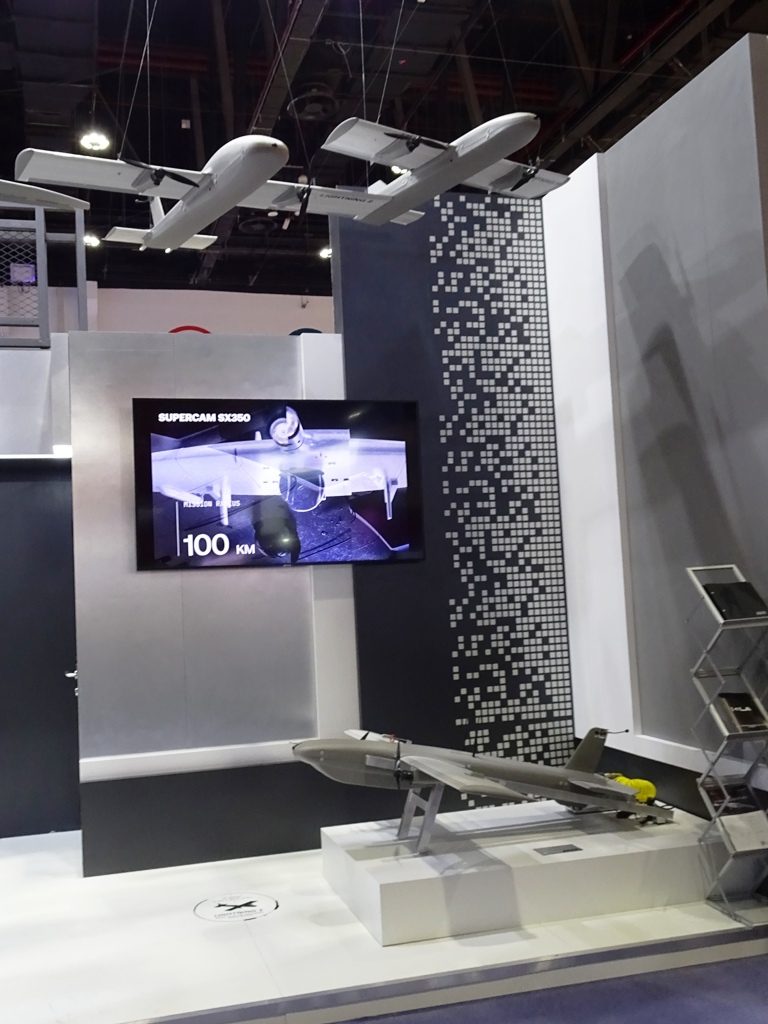
However, there are important differences between them: Lightning 2 is designed to deliver cargo weighing up to six kg over a distance of up to 50 km, with medical supplies being a prime example of such cargo. Other potential uses include training UAV operators and emergency monitoring.
In reality, however, the drone is clearly designed for strikes on ground targets, with a warhead installed. Given the russian federation's experience in using these UAVs, they can also be equipped with FPV drones, satellite communication antennas, supplies for forces operating in encirclement or on the front lines, and even fiber-optic reels, making them even more dangerous.
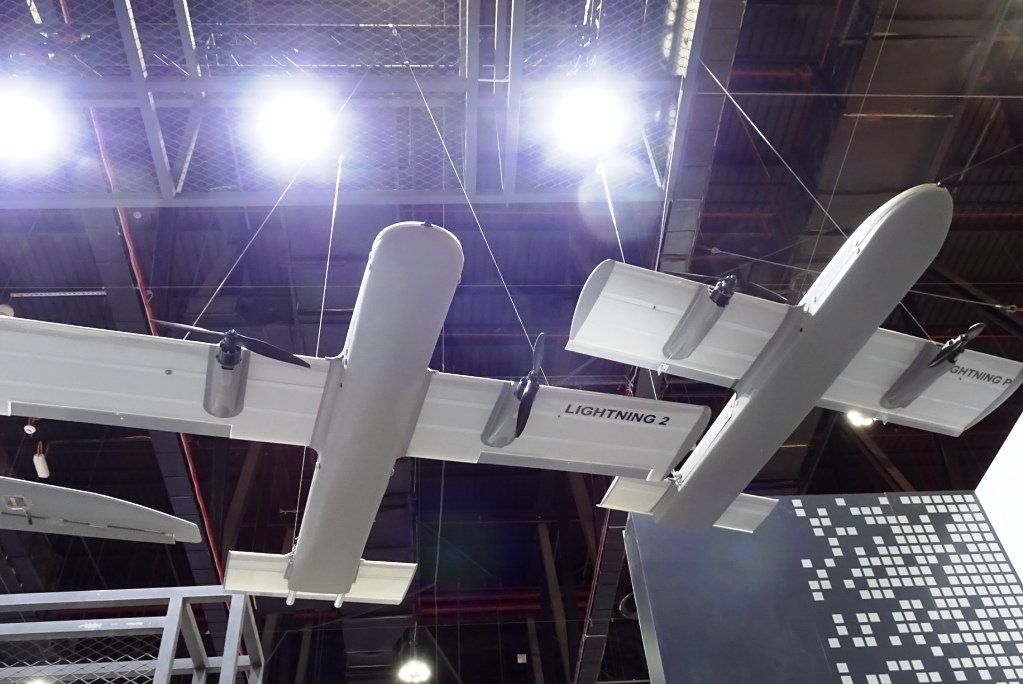
In turn, Lightning P is the fastest model, with a maximum speed of up to 270 km/h, and is officially designed for terrain monitoring. Judging by available photos, it has a smaller wing area, which limits the cargo it can carry.
However, due to its high speed, Lightning P can be considered an interceptor drone. Currently, there is no evidence that Molniya drones have been used this way, but given the experiments russians are conducting, such a possibility cannot be dismissed.
Thanks to its extremely low cost, the drone is already being produced on a large scale, with components shared across other variants, easing both production and operational use.
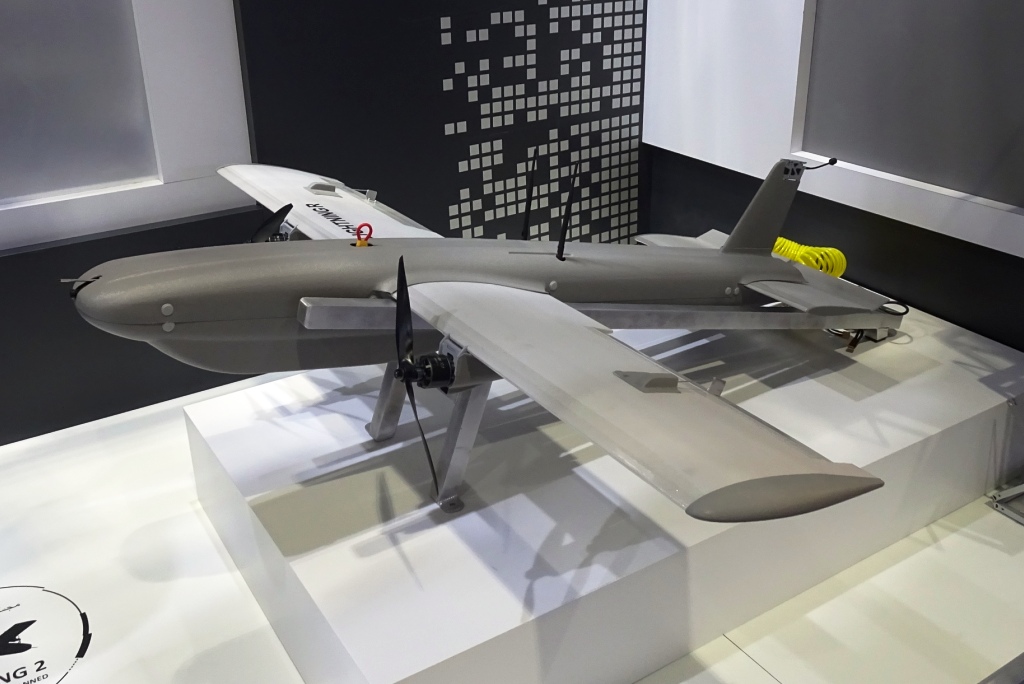
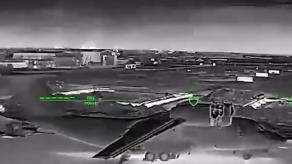
The third Lightning R variant differs from the rest, featuring a 30x zoom daytime and thermal camera on a suspension. Officially, this drone is designed for monitoring and surveillance and is a reconnaissance variant.
Positioning the new Molniya export drones as civilian could expand the market to include countries wary of purchasing weapons from russia due to political pressure, sanctions, and other constraints. In other words, combat drones could be exported under the guise of civilian or rescue drones.
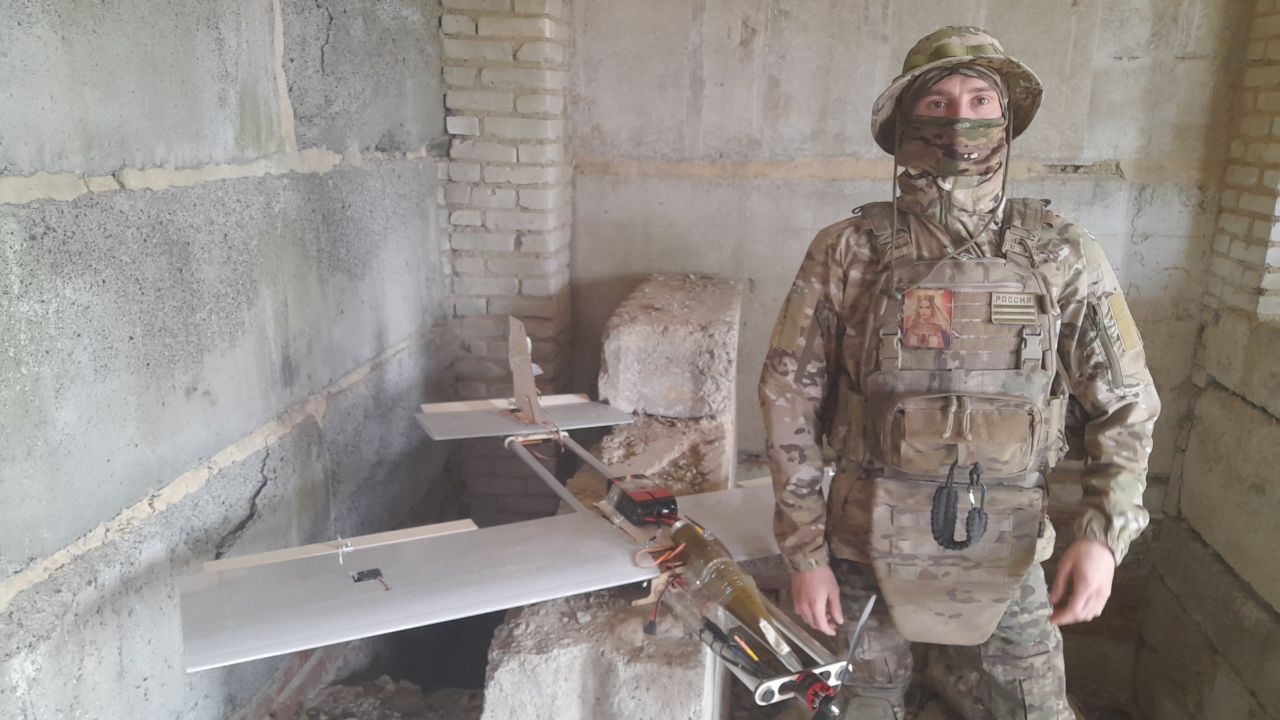
Once deployed, they can be fitted with warheads or other required equipment—a process made easy by Molniya's simple design.
Read more: Controversy Surrounding Supply of German HX-2 Loitering Munitions to Ukraine: Stakeholder Positions