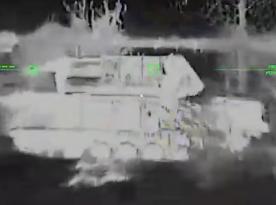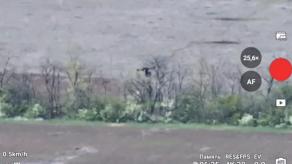



The footage shows a russian FPV drone attempting to burn through a Ukrainian mesh tunnel using a thermite charge mounted on a dedicated suspension rig.
Ukrainian operators were the first to employ FPV drones with thermite charges in 2024, primarily to burn tree lines concealing russian positions. russian forces later adopted the concept and attempted to use similar drones.
Read more: Dragon Drones: Ukrainian Military Enhances Drone Capabilities
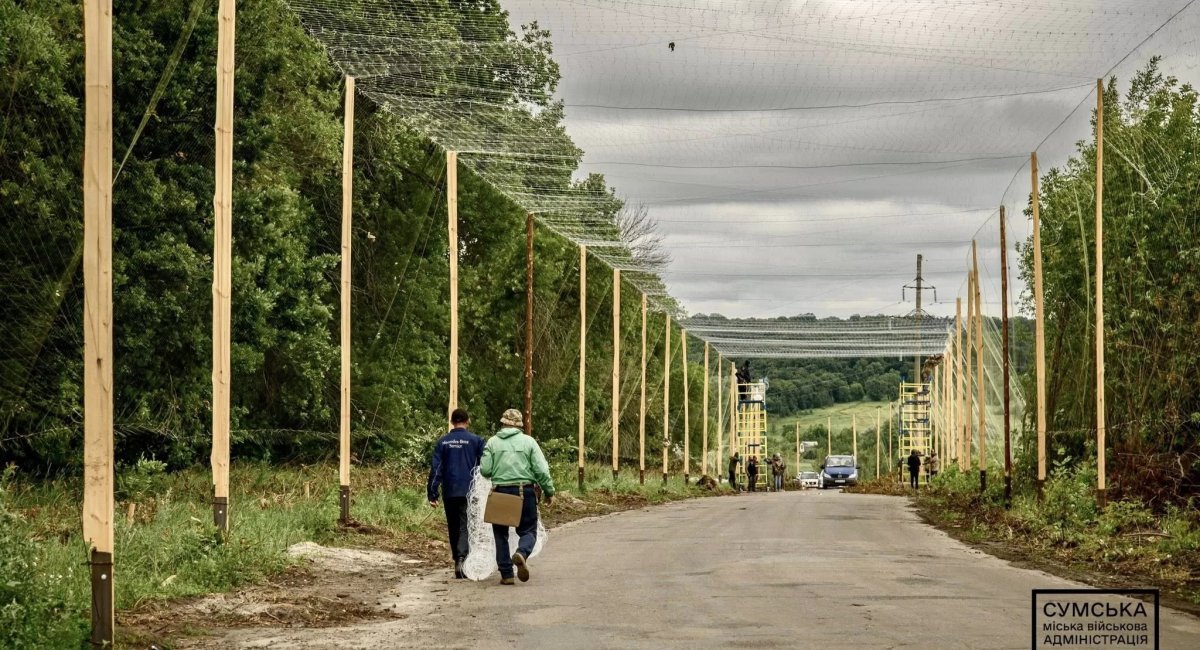
Now, they are trying to apply thermite-equipped FPV drones to burn through the mesh sections of these protective tunnels — structures that significantly hinder russian drone operators from targeting vehicles moving underneath. The mesh typically used in such tunnels is made of plastic, polymer, fabric, or similar materials.
Thermite burns at extremely high temperatures — exceeding 2,000°C. In theory, even brief contact with a thermite flame is sufficient to melt through thin mesh.
The video does not show the aftermath of the drone's pass, making it impossible to verify whether the method works as intended. A single run is unlikely to cut through an entire tunnel section; multiple passes would probably be required. Even so, destroying mesh is still far easier than repairing or replacing it.
Since only the mesh itself, not the supporting frame, is damaged in such attacks, it can theoretically be replaced fairly quickly. However, doing so requires significant time and manpower and is difficult in areas with intense enemy drone activity.
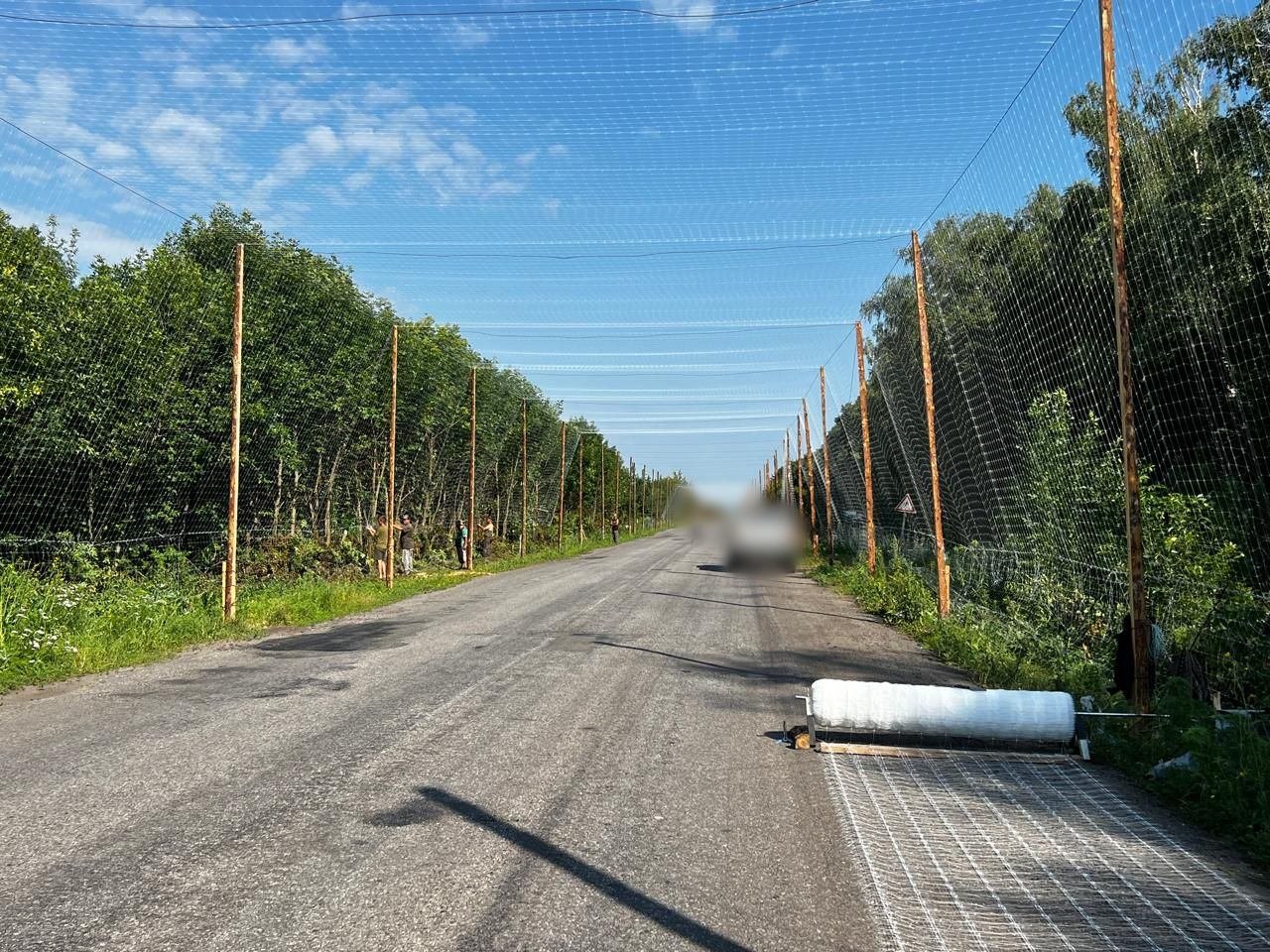
There is, at least theoretically, a way to counter thermite-equipped drones. Instead of fabric or plastic mesh, defenders could install metal mesh such as chain-link fencing. In that case, the thermite charge would likely not remain in contact with the metal long enough to melt through it. However, such tunnels would be far more expensive to build and would require a much stronger structural frame.
As a result, constructing enough reinforced tunnels to protect even the most critical roads would be challenging. Therefore, if thermite-equipped FPV drones indeed function as the footage suggests, they could become a highly effective weapon against mesh tunnels — one that is currently extremely difficult to counter.
Read more: Ukrainian Sea Baby Drones Hit russian Shadow-Fleet Tankers — Intercepts Reveal Crew Mistook the Strike for an Aerial Attack