
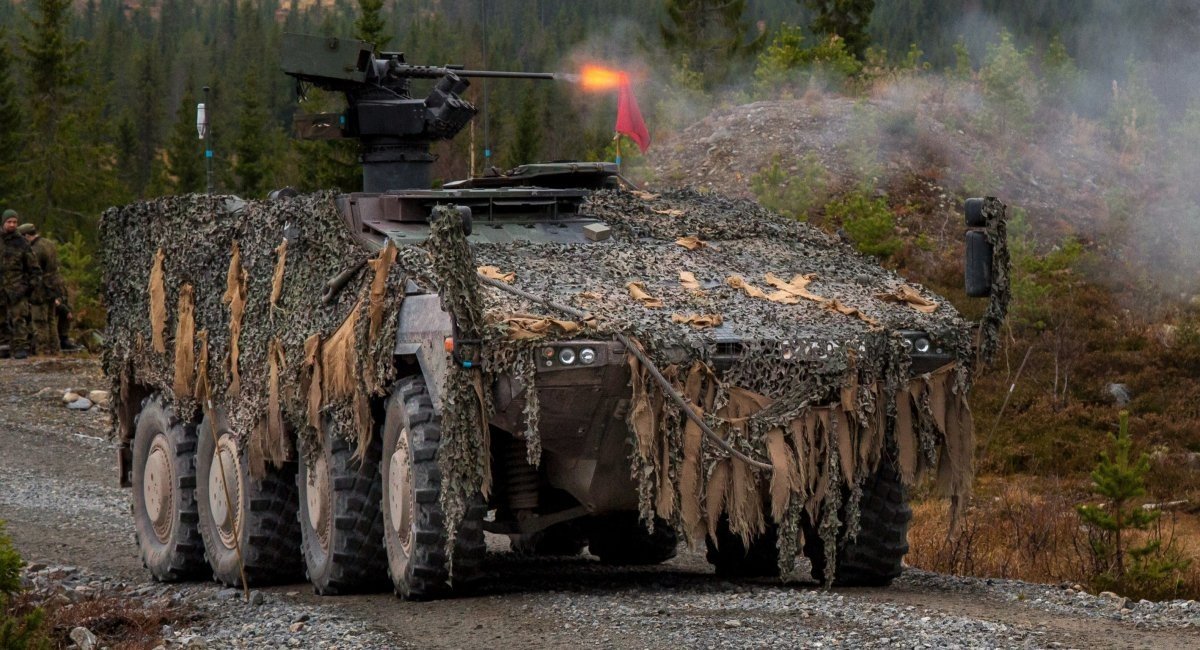
The production of German armored vehicles must be significantly increased in order to fulfill the intentions of Germany and its export customers. This includes the Boxer armoured fighting vehicle and the Puma infantry fighting vehicle, which are produced by Rheinmetall and KNDS Deutschland, as well as the Lynx infantry fighting vehicle from Rheinmetall.
Expanding production capacity is a pressing issue, as Rheinmetall’s total capacity for Boxer, Lynx, and Puma IFVs is estimated at 600 units, while the current production rate is 400 vehicles per year. From 2030, demand for these armored vehicles will reach 1,000 units per year.
Read more: After Canceling Upgrades, Denmark Buys 44 CV90 Replacements Old IFVs May Go to Ukraine in 2026
This information was announced by Rheinmetall's Chief Operating Officer René Gansauge, according to Hartpunkt. He also explained how the company plans to meet the demand. From Defense Express we would like to note that the Bundeswehr has ambitious plans, currently estimated at around 3,000 units, or 5,000 Boxers. At the same time, the potential order for Rheinmetall's Lynx IFVs is estimated at around 6,000 units, with 3,800 expected to go to the Pentagon if the tender is won.
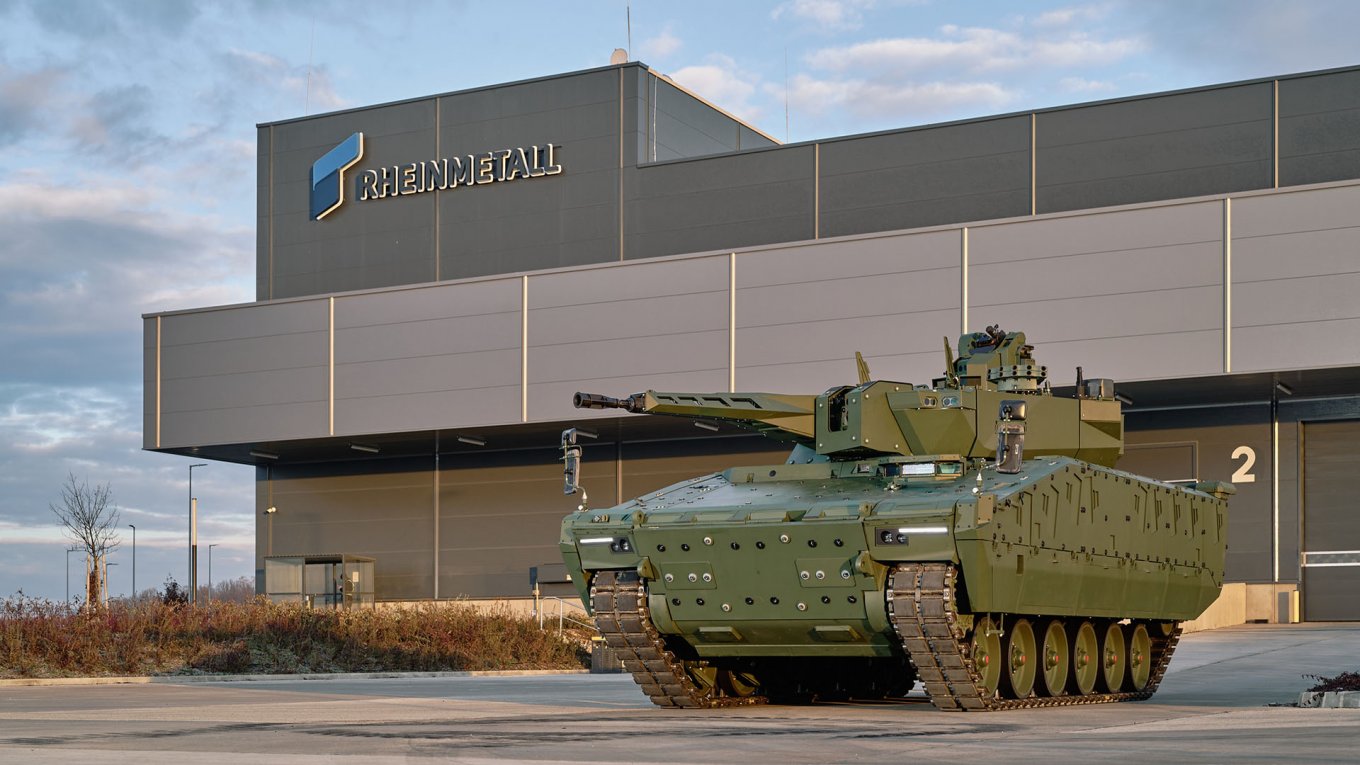
Rheinmetall intends to meet demand for its products in two ways. The first is to establish new localized production facilities. The plan to equip the Italian armed forces with over 1,000 Lynx IFVs is linked to Leonardo Rheinmetall Military Vehicles (LRMV), with over 60% of project costs required to stay in Italy. It should also be noted that the Lynx IFV production plan is also tied to localization, but it requires funding from partners, which has not yet been allocated.
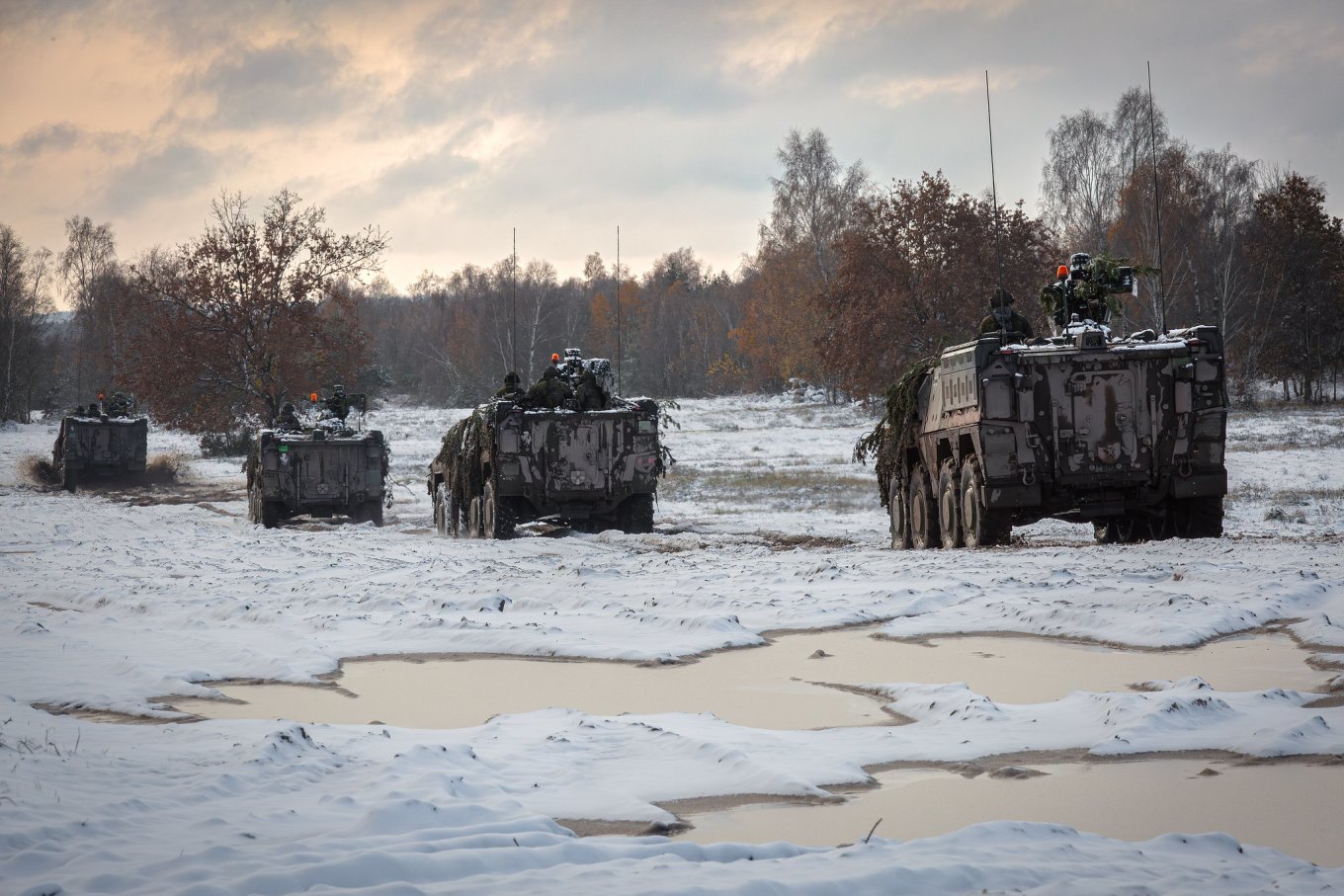
The situation is similar with Boxer, whose production lines are located in Germany, the Netherlands, Great Britain, and Australia. At the same time, the latter production line is already running in "reverse" — sending German combat vehicles assembled in Australia back to Germany.
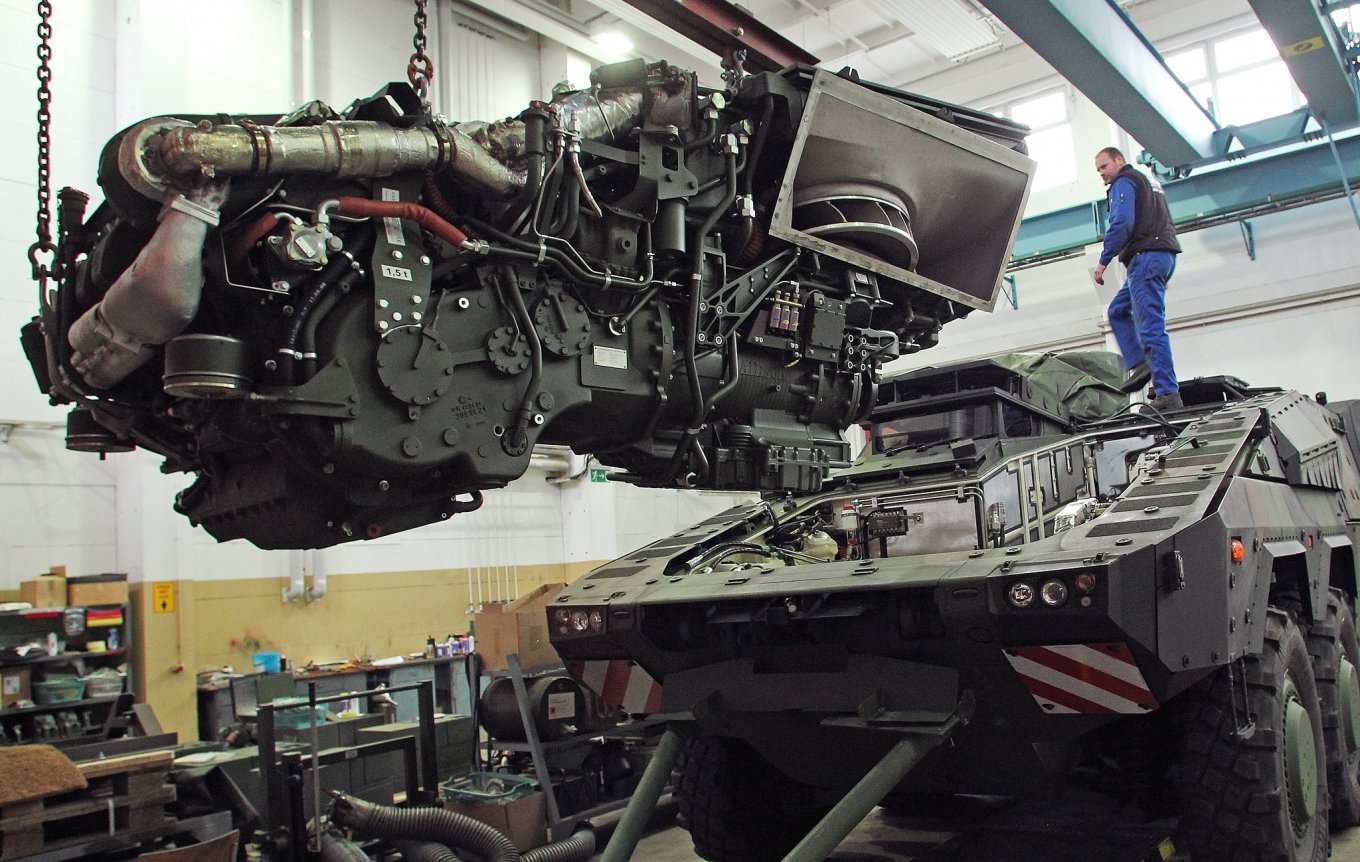
However, that's not enough for Boxer, because Rheinmetall has a plan to significantly increase production of this vehicle in Germany. To meet demand, the Kassel plant will be specialized to produce 500 Boxers per year. Currently, this enterprise not only manufactures but also services various armored vehicles, including Boxer, Fuchs, Kodiak, Keiler, and Büffel. Focusing on a single task will allow the introduction of new automated production processes, which are unprofitable when demand is low.
In other words, once Rheinmetall and KNDS Deutschland receive a large, guaranteed long-term order, they can begin modernizing the plant. This includes introducing automated or semi-automated welding and painting lines, as well as other production processes where it makes sense.
Read more: Ukrainian Protector UGV Gets Tavria-12.7 RCWS with Legendary Browning M2 to Better Eliminate russian Occupiers