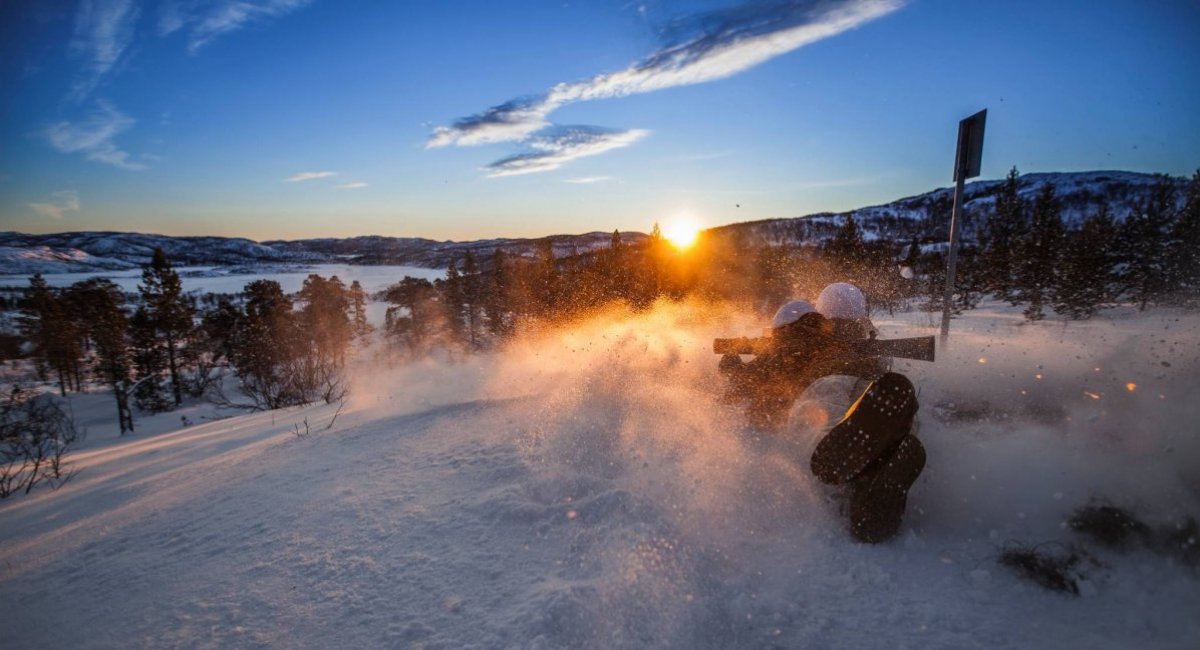
In Norway, the NATO exercise Cold Response 2026 is nearing completion. It began on March 9 and is scheduled to conclude on Thursday, March 19. Among other activities, troops from an elite Arctic unit tasked with reconnaissance behind enemy lines built snow shelters known as quinzees (quinzee or quinzhee). These structures, approximately 1.5 meters high and 2 meters wide, are intended to provide cover from simulated russian drones.
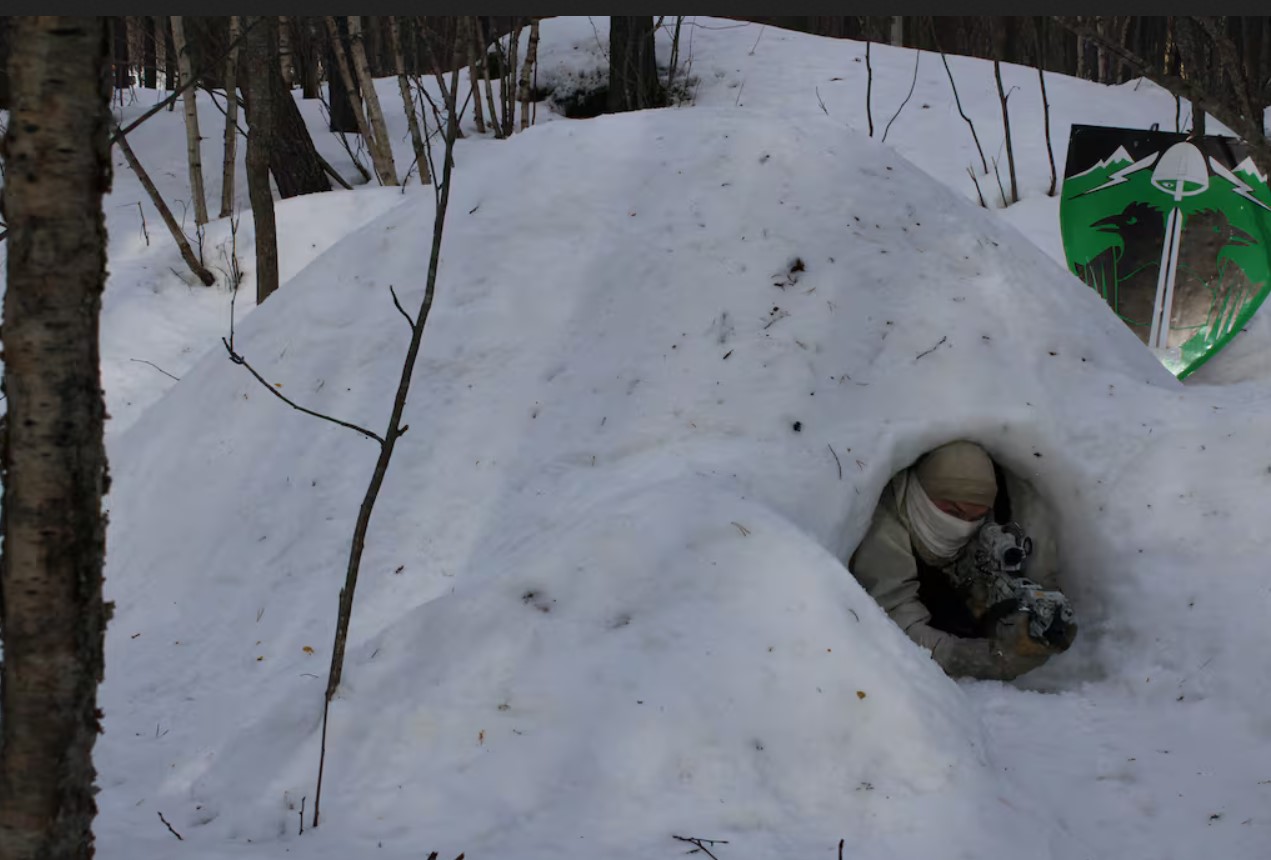
This was reported by Defense News. One officer, who requested anonymity, emphasized that snow can be one of the most effective forms of camouflage. "We move in darkness, fog, and bad weather, when our tracks are quickly covered and difficult to follow. In good weather, we remain stationary and unnoticed."
Read more: Why Norway Bet on South Korea's K239 Chunmoo Over HIMARS to Deter russia in the North
He also noted that protection against drones is constantly evolving. Solutions that worked in the past may no longer be effective due to rapid technological change. "A few years ago, tents and camouflage were enough. Now they are not," the officer said.
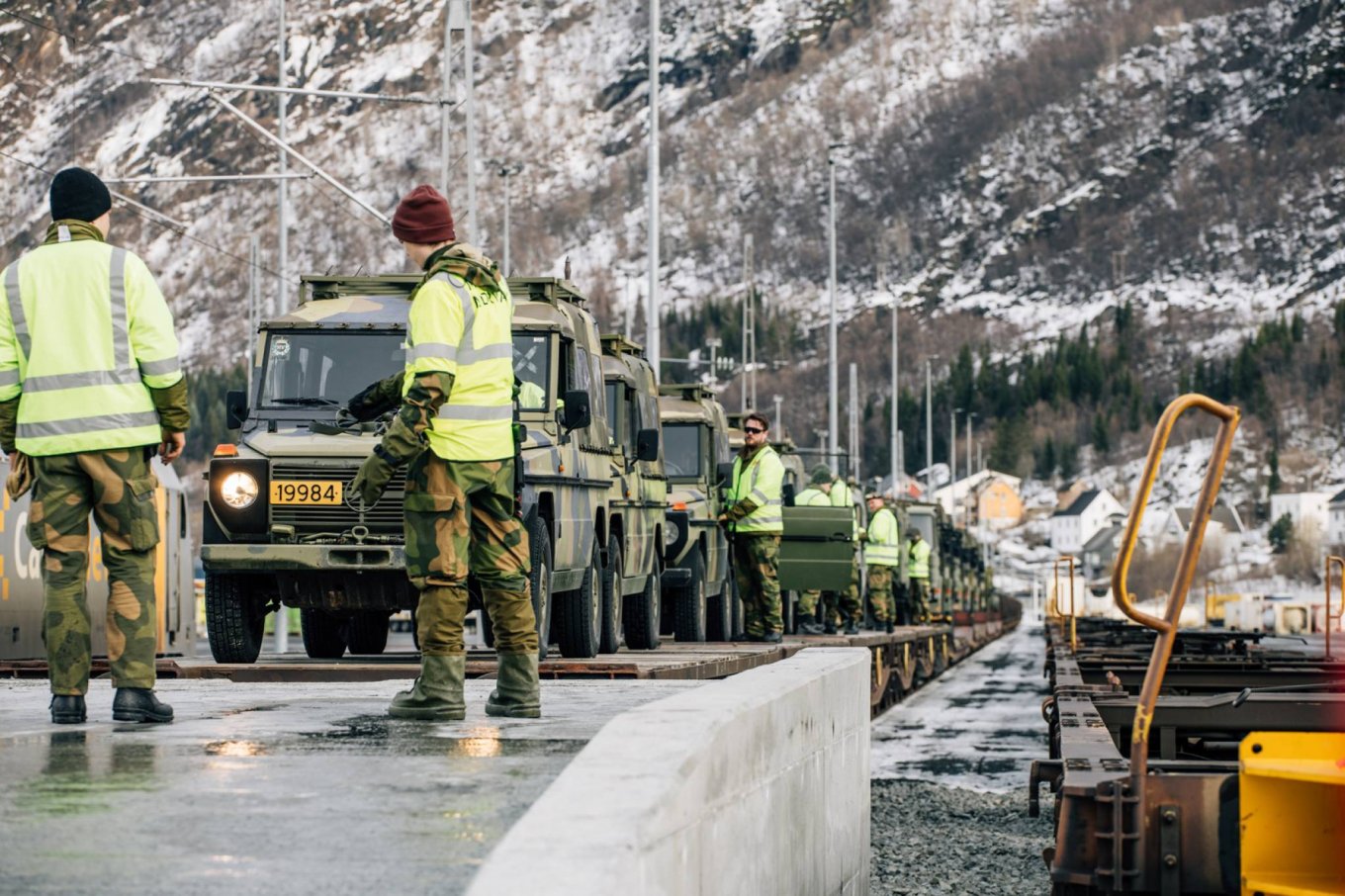
Overall, troops point out that given the pace of modern combat, units often need to relocate as frequently as every 15 minutes to avoid detection by enemy surveillance.
From the perspective of Defense Express, shelters are indeed one element of protection against drones. They help conceal positions and provide a limited degree of physical protection. This is why, on the front line, it is critical to dig into the ground, making it harder for the enemy to strike personnel with FPV drones or drones equipped with munition drops.
As for snow shelters like quinzees, in an environment saturated with reconnaissance drones, they may be effective for concealment. It can be difficult to distinguish between a natural snowdrift and one concealing troops. However, additional camouflage is still essential. For example, the entrance to a quinzee, as seen in the referenced image, can be a weak point that is easily detected by aerial reconnaissance.
Once identified, such a position becomes a relatively easy target for FPV drones. These shelters are unlikely to provide sufficient protection against multiple strikes. They are not particularly durable, have a limited lifespan, and are more commonly used for recreation or camping.
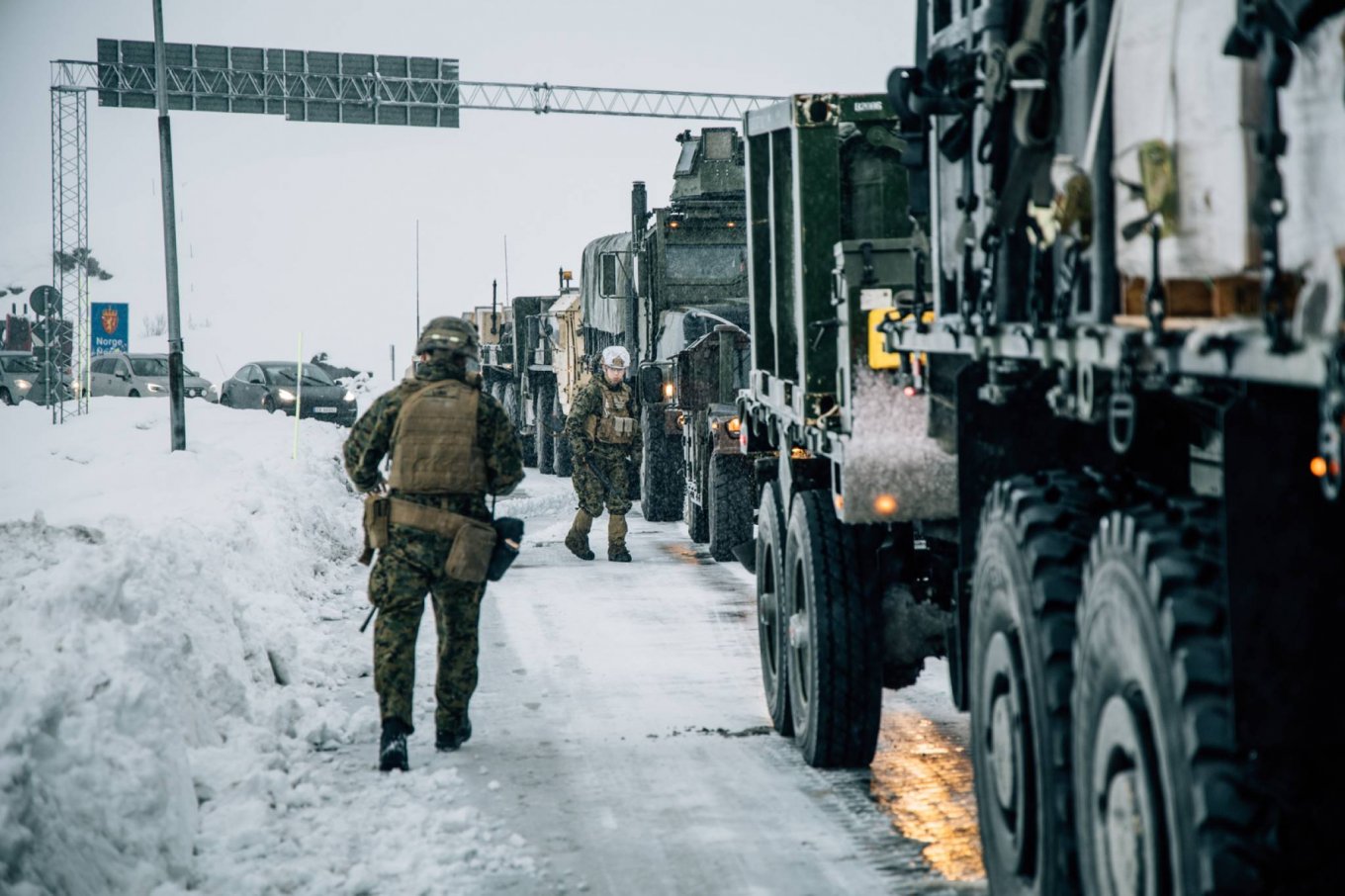
Ultimately, protection against drones on the modern battlefield requires a comprehensive approach, where shelters are only one component. Equally important are drone detection systems for early warning, as well as countermeasures such as electronic warfare and net guns.
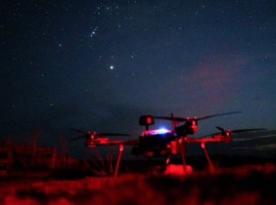
Norwegian reconnaissance units also used their own drones during the exercises, including systems from Skydio, as well as FPV drones.
Earlier, Defense Express reported that if russia's claims over Svalbard escalate into conflict, this could test the capabilities of Norway's armed forces.
Read more: Norway's Protector RS4 Becomes Standard For CAVS Program In €140M Patria 6x6 Deal